Subscribe now for full access and no adverts
Thanks to the extensive excavations carried out by the Society of Antiquaries of London in 1890-1909, Silchester is the best-known town in Roman Britain. The outstanding finds from the antiquarian excavations were looked after by the Museum in Reading, Berkshire, from 1891, on the initiative of the curator Joseph Stevens – initially as a loan by the then-owner of the Roman town, the Duke of Wellington. There they remain, now in the ownership of Reading Borough Council.
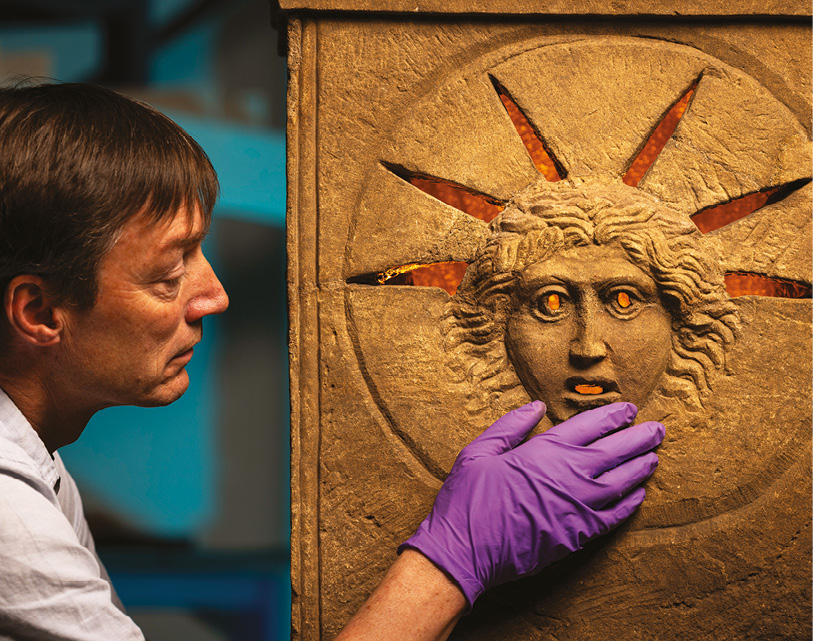
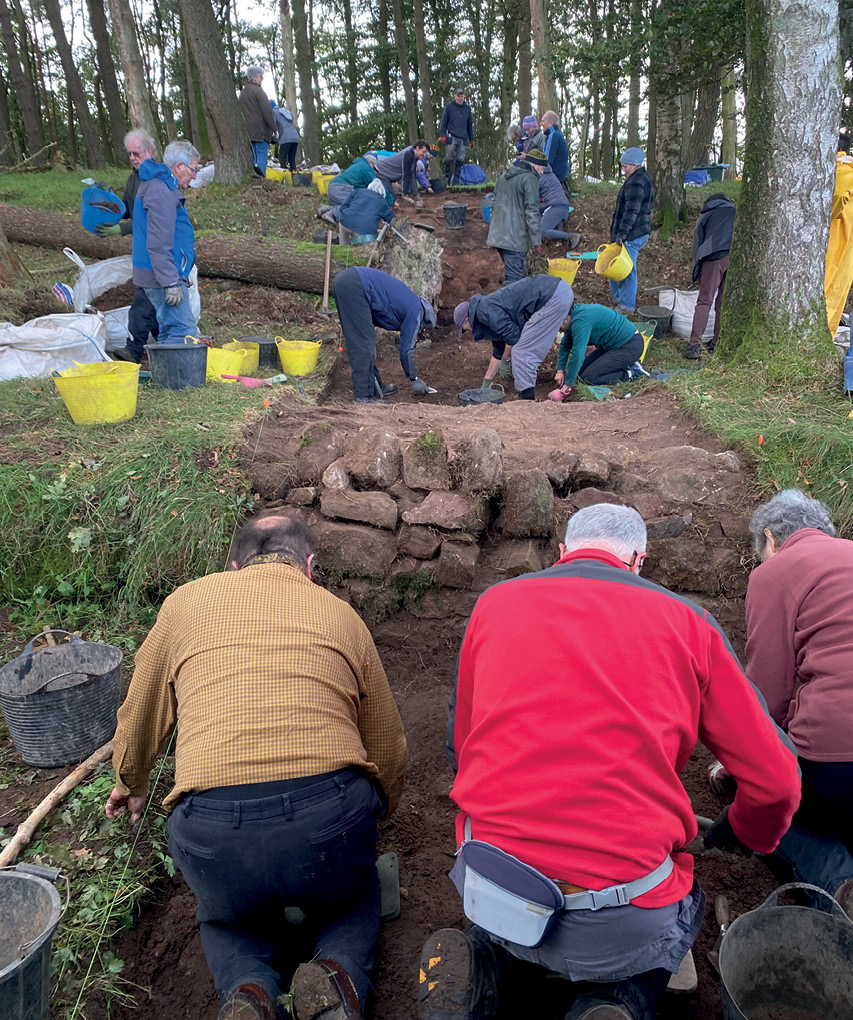
The parish of Silchester, however, is in Hampshire, and the Roman town was acquired by Hampshire County Council in 1979. All the finds from subsequent excavations are the property of the County and looked after by the County’s Museums Service, now the Hampshire Cultural Trust. Becoming Roman – Silchester, a town of change will be the first major exhibition ever held in Hampshire of material from Silchester, in this case finds from the excavations by the University of Reading over the last 50 years under the direction of Professor Michael Fulford.
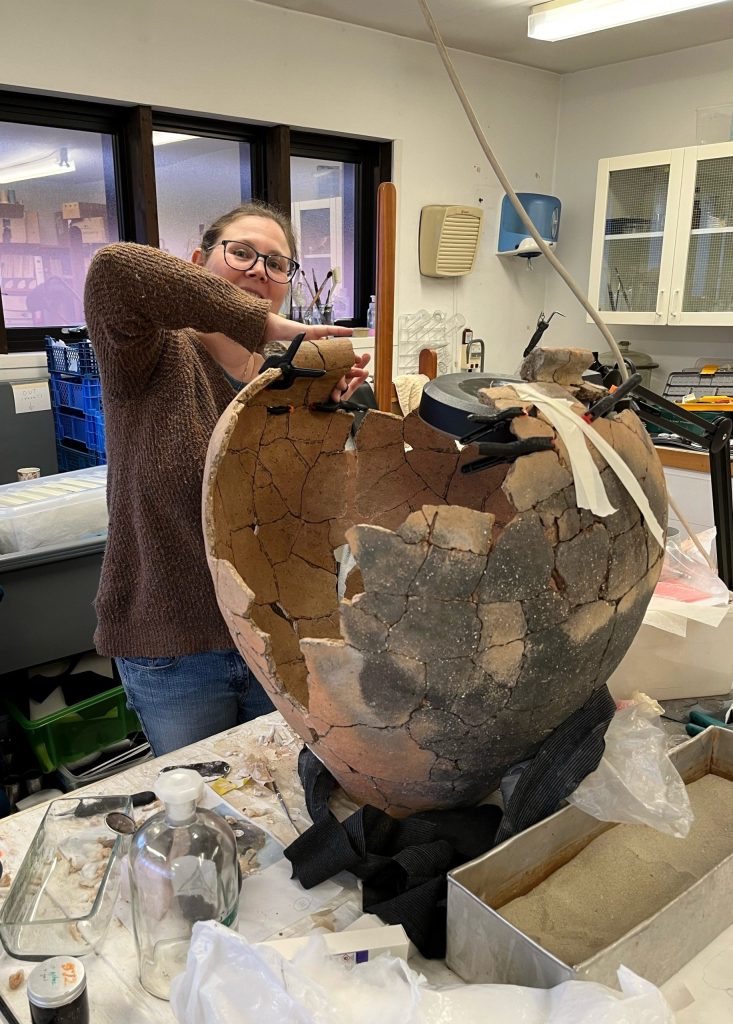
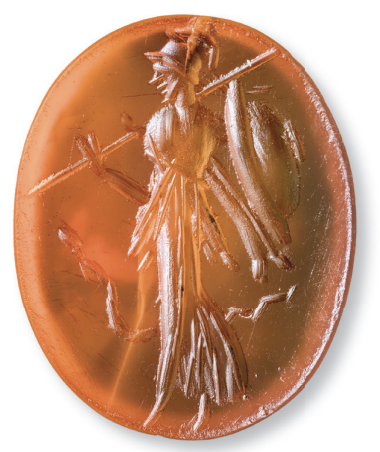
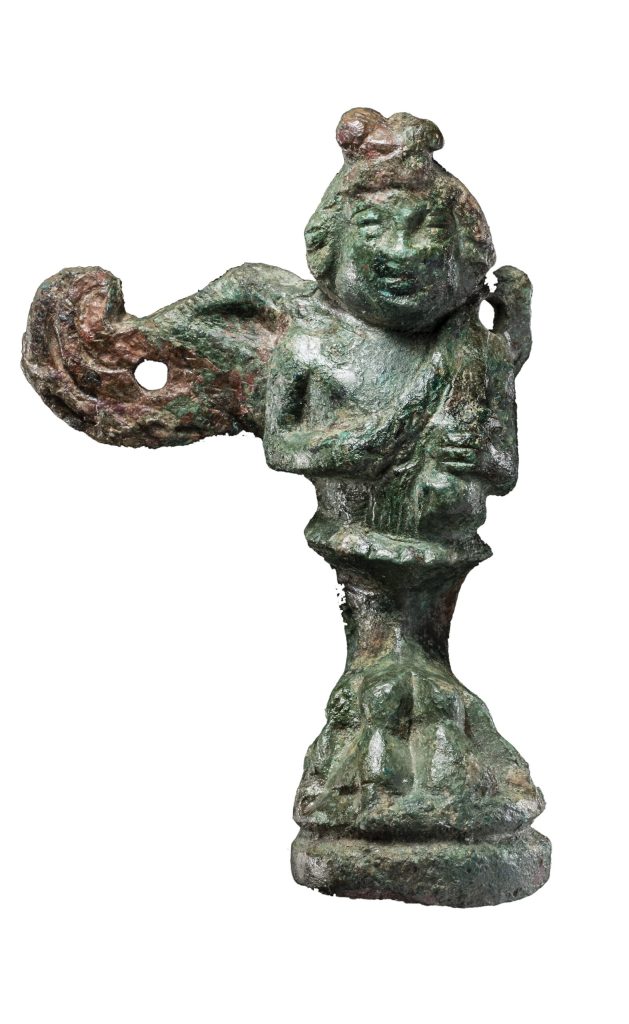
Through that work, a huge advance has been made in our knowledge of the Roman town and its development over time. Especially important has been the discovery of the Iron Age town underlying the Roman remains. Calleva, as it was known, was the tribal capital of the Atrebates and at the centre of a vast trading network which embraced much of southern Britain and extended across the Channel to the Roman world of Gaul (France) and the Mediterranean. Luxury goods from the Roman world were traded for commodities such minerals, foodstuffs, and slaves. The exhibition will showcase finds that characterise the Iron Age town and its widespread connections, and will then show some of the introductions following the Roman Conquest of Britain of AD 43.
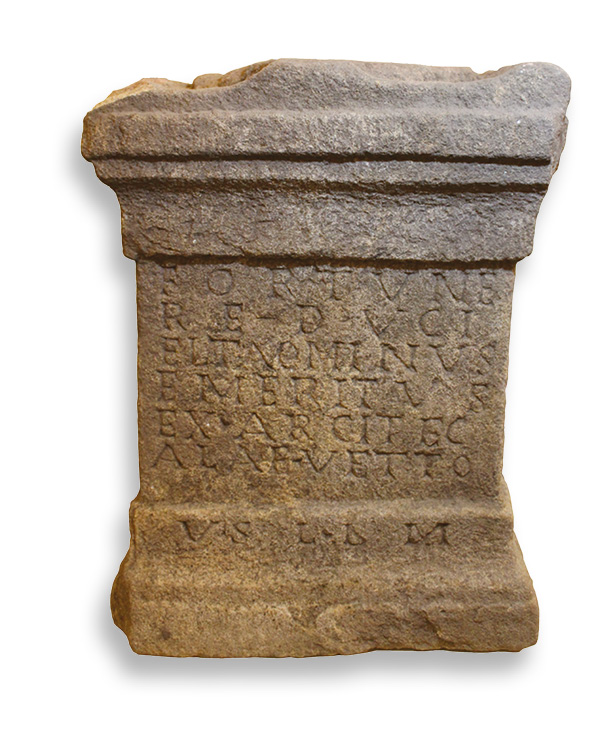
Physically the town changed, with a regular street grid, public buildings, and a bustling array of rectangular houses. It became much more important to have a command of Latin and of numeracy, and finds of writing instruments (styli) become much more common by the 2nd century. Finds of medical instruments also show a much greater grasp of medicine in the Roman town. Some 150 items will be on display, taking the story from the very beginning to the end of the life of the town after the conclusion of Roman rule in the early 5th century.
Further information:
Becoming Roman – Silchester, a town of change will run at the Sainsbury Gallery, Willis Museum, Basingstoke, from 10 February until 27 April. See http://www.hampshireculture.org.uk/event/becoming-roman-silchester-town-change for more details.
Images: Hampshire Cultural Trust