Subscribe now for full access and no adverts
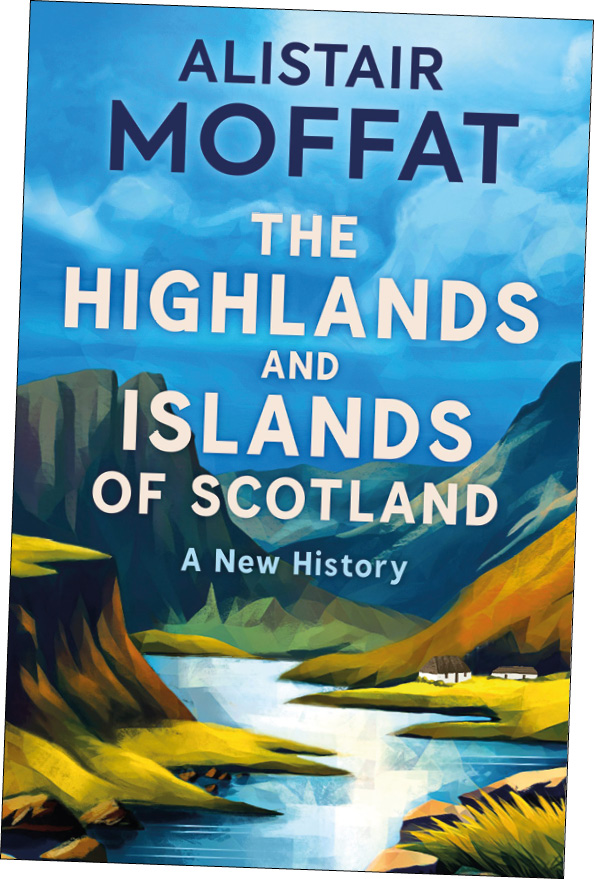
REVIEW BY CH
‘Linn gu linn, bho ainm gu ainm – “from one generation to the next, from one name to another” – people make this story what it is.’ So writes Alistair Moffat in the introduction to this energetic and imaginative history. The theme has recurring resonance over the more than 400 pages that follow; he later shares another Gaelic phrase, sometimes asked of strangers: ‘Cò às a tha thu?’ – not ‘where do you come from’, but ‘who are the people you are from?’ – and subsequently describes Highlanders at Culloden reciting the names of their forefathers as part of their battle cries. Threads of identity and human experiences are woven throughout this narrative, making even distant prehistory deeply personal.
This personal feel is not surprising; Moffatt is a writer and journalist born in the Borders, who is keenly interested in, and has published widely on, Scotland’s history and culture. His appreciation of language permeates the book – to Moffat, Gaelic-derived placenames are ‘not part of a wide scatter of wild and rainswept words few people now understand or can pronounce’, but meaningful insights into how past communities related to their landscape – and poetry, sagas, and snatches of Shakespeare frequently appear.
Landscapes are another key theme. ‘In the Highlands and Islands, geography made history’, Moffat writes, delving into how the region’s topography and weather have shaped settlement patterns, lifestyles, and migration. His interdisciplinary account draws together stories not only of antiquarians and experimental archaeologists, but also of meteorologists, geologists, and palaeoclimatologists, complemented by anecdotes from his own travels.
This combination of the scholarly and the personal feels fresh, and while there are no illustrations Moffat skilfully evokes images of rugged sea stacks and the lost landscape of Doggerland, ‘ribboned with rivers and ranges of hills’. He also offers dramatic imaginings of prehistoric catastrophes and a viscerally vivid description of the slaughter at Culloden, which contrast with cosy recollections of the red-and-gold embers and sweetly musky smell of burning peat; and a striking portrayal of the Book of Kells as ‘a blaze of rich colour that came alive against the waves of the steel-grey sea’.
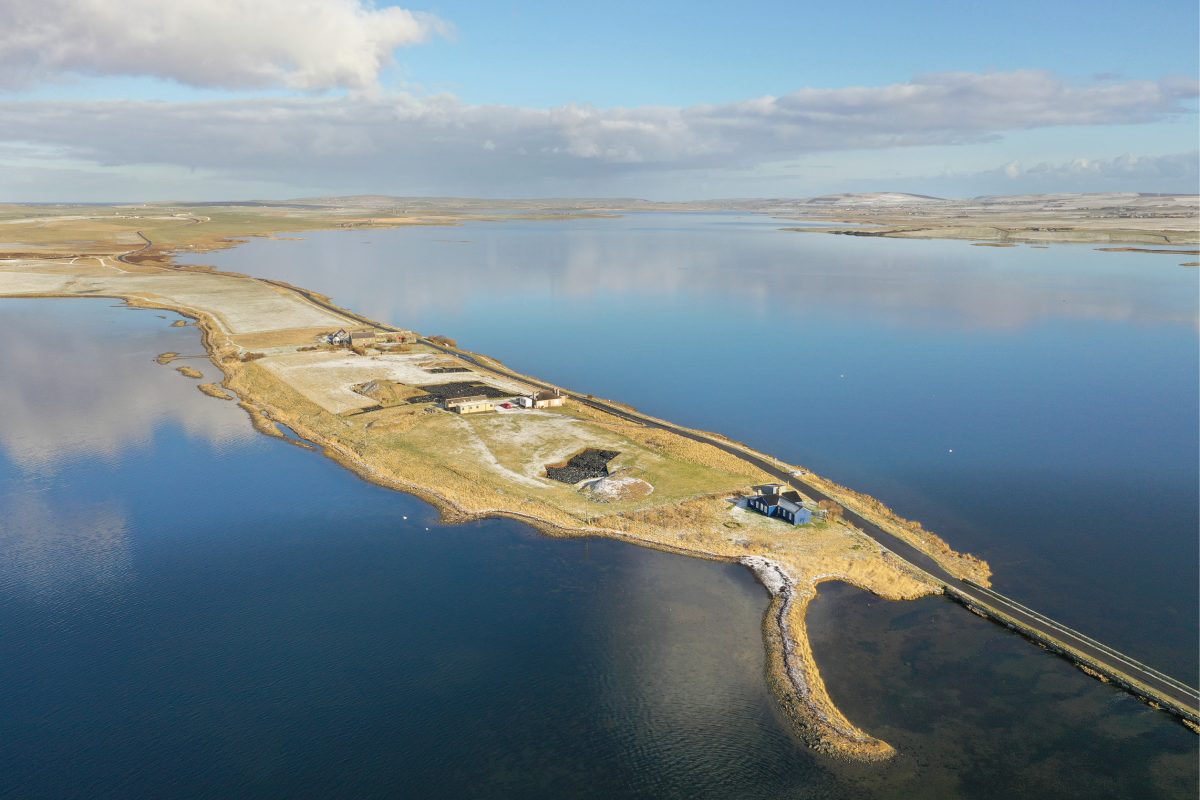
Moffatt prefers to call this latter manuscript the ‘Book of Iona’, and throughout he is determined to counteract stereotypes of the Highlands and Islands as peripheral backwaters. Sometimes this leads to bold claims, asserting that the (undeniably amazing) archaeology of Orkney shows it was ‘the centre of Stone Age Britain’. His description of the Stenness Stones and the Ring of Brodgar as ‘clearly prehistoric cathedrals’ or his conjecture that the Ness of Brodgar’s megalithic buildings were a ‘royal palace’ housing a priestly ‘King of Orkney’ might raise eyebrows, too – but his descriptions of the archaeology itself are lovingly detailed.
Elsewhere, a shell midden is figuratively picked apart to reconstruct the experiences of a family of hunter-gatherers; Moffatt also describes such diverse discoveries as the Bronze Age composite corpses from Cladh Hallan on South Uist, Beaker burials, and the towering remains of brochs. After this, historical accounts come to dominate the picture, with much less reference to material evidence, but Moffat’s narrative continues in an impressively comprehensive vein, exploring Roman campaigns and Pictish symbol stones, the development of early Christianity, and the lasting impact of Scandinavian settlement (including a dialect called Norn, whose last native speaker died in 1850).
As well as kingship, clans, and conflict, forays into more recent history include an exploration of the regional impact of the Reformation, and interesting diversions into whisky-distilling, bagpipes, the cultural significance of the ‘Skye Boat Song’, and the importance of oats. Final sections are strong on social history, discussing clearances, emigration, and the decline of Gaelic speakers – ending on a hopeful note of economic recovery and cultural distinctiveness, determined that this account should not be an elegy.
The Highlands and Islands of Scotland: A new history
Alistair Moffat
Birlinn, £25
ISBN 978-1780278575