
Subscribe now for full access and no adverts
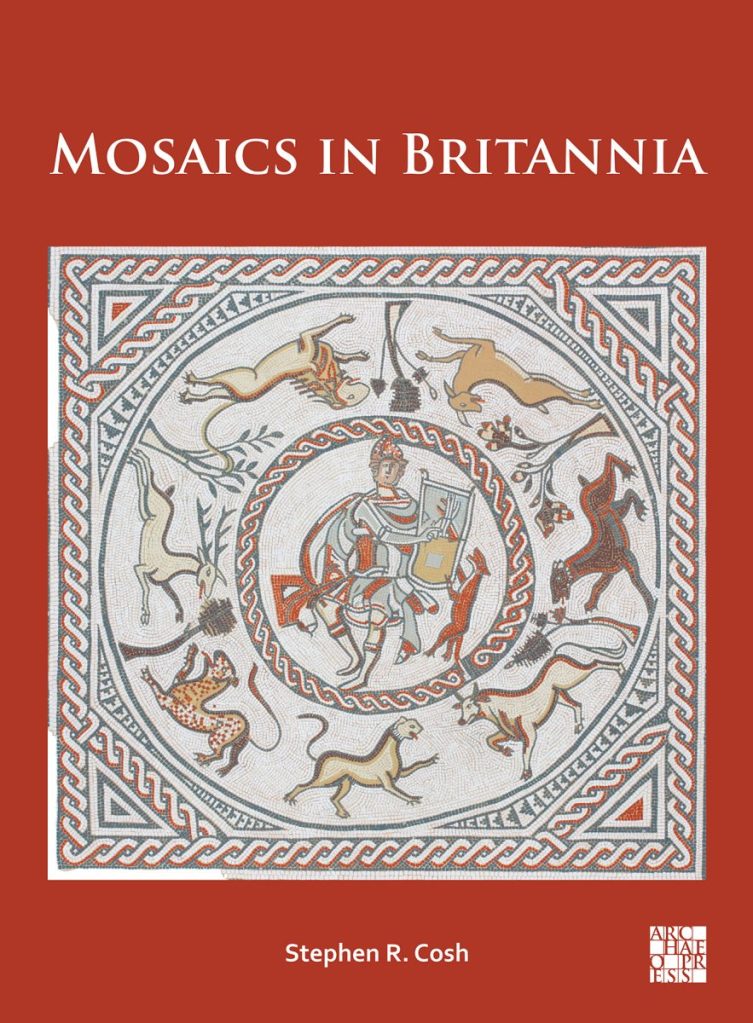
Stephen Cosh, together with his colleague Dr David Neal, are the authors of a truly monumental and authoritative five-volume survey of all the Roman mosaics of Britain, the only province of the Empire which brought such a venture to completion: a remarkable achievement in that this magisterial survey was completed by two amateur archaeologists, in the true sense, and not as part of a university or state-sponsored project. This great enterprise was notable for the quality and quantity of its coloured drawings, many of them by the authors, as well as photographs and other supporting material.
In this book, Cosh distils his vast learning to produce an ideal handbook to the subject in 16 chapters whose contents include the manufacture of mosaics and the construction of geometric patterns. Others explore the mosaics of the 1st to 3rd centuries – which, after the spectacular decor by Continental mosaicists in Togidubnus’ palace at Fishbourne, were largely in townhouses in eastern Britain – and the 4th-century mosaics in their remarkably diverse regional groups. These are mainly known from villas in the west and north-east, and some are very large (as at Keynsham in Somerset or Frampton in Dorset) but are mainly of more modest size.
Several chapters discuss figural mosaics, including mythological scenes which were especially popular among the 4th-century elite and were probably derived from the treasured manuscripts of the villa owners. Other chapters survey mosaics in principal rooms, in baths, and in aisled buildings, a reminder that in the 4th century many of the patrons who indulged in these expensive indicators of high culture lived in native-style villas, whether aisled or of winged corridor form, and were Romanised Britons in many cases, no doubt, descendants of the elite of the Iron Age.
Final chapters are concerned with the repair and maintenance of mosaic floors and the still-unresolved question as to how long mosaics continued to be laid into the 5th century. With the recording and publication of mosaics from the 17th century and the display of mosaics today – from the elegant early 19th-century cottages ornées at Bignor, Sussex, to the more clinical displays in museums – Cosh’s handbook will surely remain the key introduction to the Roman British mosaics into the foreseeable future, and Archaeopress is to be congratulated for maintaining the quality of the parent corpus.
REVIEW BY MARTIN HENIG
Mosaics in Britannia
Stephen R Cosh
Archaeopress, £29.99, or £16 eBook
ISBN 978-1805832331