Subscribe now for full access and no adverts
The Great Siege of Malta
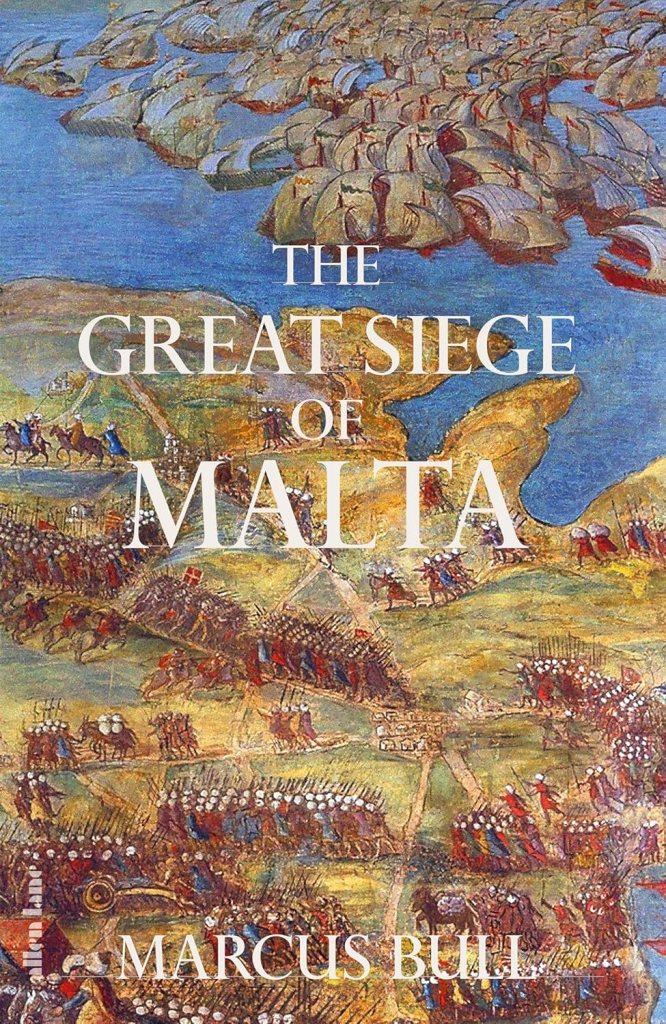
Even before the Great Siege of Malta began in 1565, it was understood by both sides that they were engaged in events of epic proportions. On on side was an assortment of native Maltese, soldiers, and adventurers, and on the other the seemingly all-powerful Ottoman armada. Marcus Bull provides a compelling new account of how two worlds dramatically collided.
The Great Siege of Malta
Marcus Bull
Allen Lane, hbk, 352pp (£30)
ISBN 978-0241523650
Napoleon’s Undefeated Marshal: Louis Davout and the art of leadership

Forgotten outside France, Louis Davout was one of Napoleon’s finest generals. A hard disciplinarian and ruthless battlefield opponent, Davout was also a loving family man, and – like Napoleon – devoted to his troops. This new study chronicles the life of a complex figure who came to be known as the ‘Iron Marshal’.
Napoleon’s Undefeated Marshal: Louis Davout and the art of leadership
Martin Sullivan
Pen & Sword, hbk, 224pp (£25)
ISBN 978-1399053143
Great Battles: Leuthen
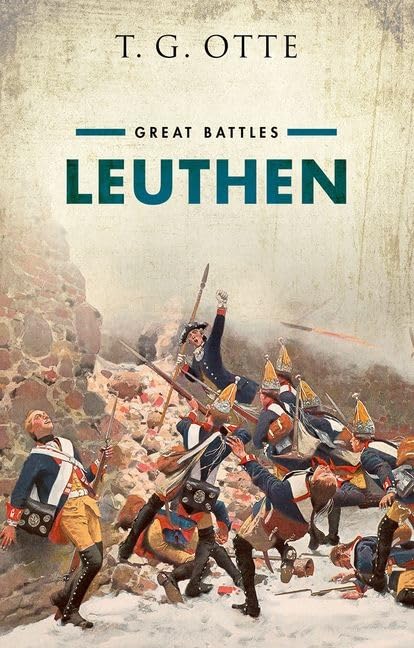
Of all the battles of the Seven Years War, Leuthen – in December 1757 – was neither the largest nor the bloodiest. But it was consequential: against the odds, Frederick II’s assured command and superior weaponry entrenched the structure of European politics right up until World War II. T G Otte explores both how the battle played out and the wider impact of its outcome.
Great Battles: Leuthen
T G Otte
Oxford University Press, hbk, 224pp (£18.99)
ISBN 978-0192870490
The Farthest Valley: Escaping the Chinese trap at the Chosin Reservoir

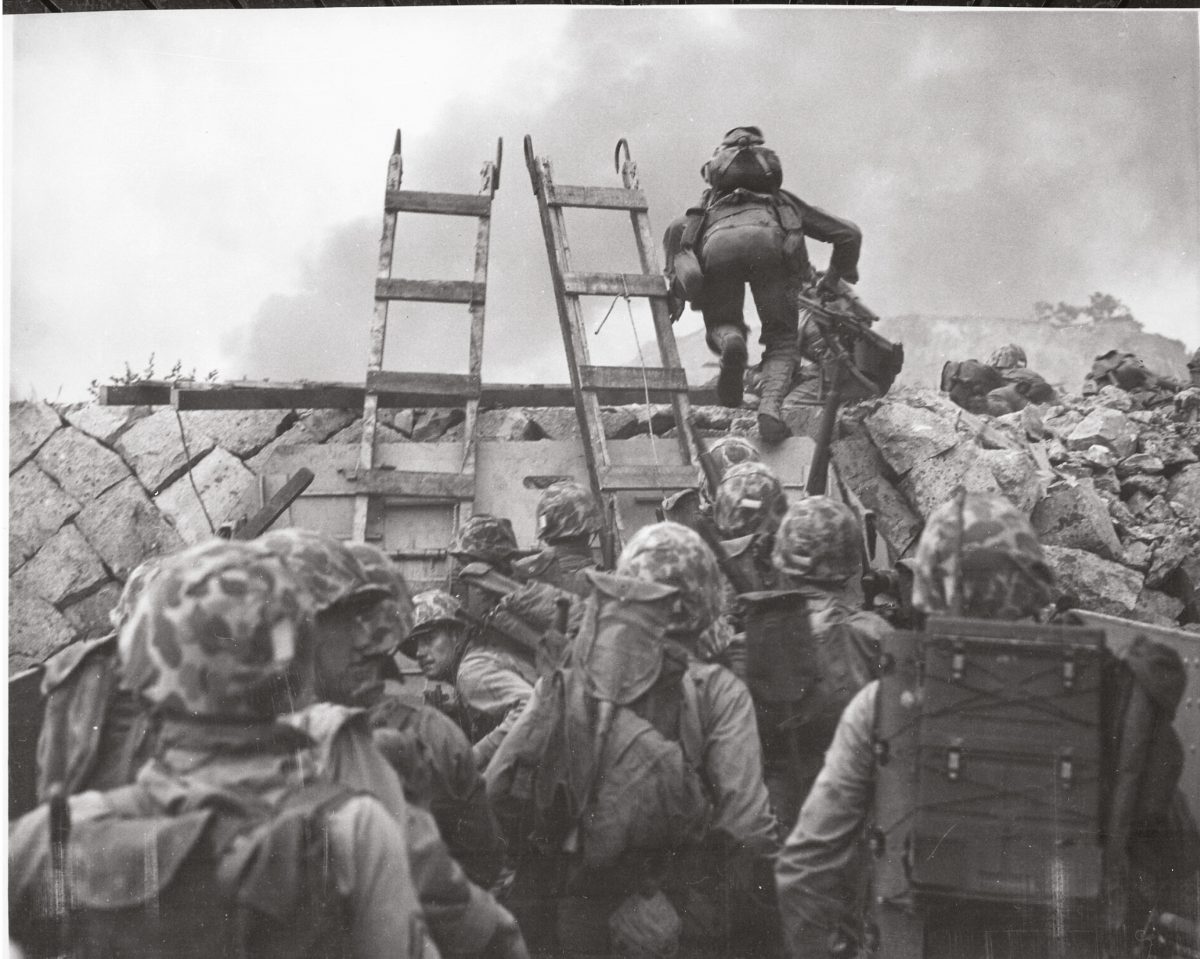
On a freezing night in 1950, US Marines shivering in their foxholes near the Chosin Reservoir in Korea were stunned by a surprise Chinese attack. Vastly outnumbered, defeat seemed certain for the Americans. The Farthest Valley, written by the son of a Chosin veteran, illustrates how the actions of one division can impact an entire war.
The Farthest Valley: Escaping the Chinese trap at the Chosin Reservoir
Joseph Wheelan
Osprey Publishing, hbk, 384pp (£25)
ISBN 978-1472859792
Birth of the Red Dragon: Wales and the Wars of the Roses

From the landings of Richard, Duke of York, at Denbigh in 1450 to the death of his youngest son and namesake, King Richard III, at Bosworth in 1485, Wales and its resources were central to the Wars of the Roses. Stephen David reappraises the country’s under-acknowledged role in the bitter struggle for power between the rival Houses of York and Lancaster.
Birth of the Red Dragon: Wales and the Wars of the Roses
Stephen David
Amberley, hbk, 320pp (£22.99)
ISBN 978-1398112711
The House of War: The struggle between Christendom and the Caliphate

The House of War: The struggle between Christendom and the Caliphate
Simon Mayall
Osprey Publishing, hbk, 352pp (£25)
ISBN 978-1472864338
From the taking of Jerusalem in the 7th century by Caliph Umar to the collapse of the Ottoman Empire in the 1920s, popes, kings, emperors, and sultans were locked in a centuries-long battle for Middle Eastern supremacy. Simon Mayall’s is a sweeping history of the period, focusing on pivotal battles and sieges – and their consequences.
PODCASTS
The Rest is History: The Roman Conquest of Britain (series)
Even though Julius Caesar saw the Britons as no more than brutal savages, he was still determined to invade the island as part of his Gallic Wars campaign. After a disastrous first attempt marred by storms, he later returned with a larger, stronger army. In this short series of podcast episodes, the popular historians Dominic Sandbrook and Tom Holland explore how Caesar’s invasion put Britain in the orbit of a great imperial power. Later episodes explore the extraordinary figure of Boudicca, and the havoc caused by her uprising in AD 60-61, plus how the Romanisation of the country permanently changed its geography and history.
The Rest is History: The Roman Conquest of Britain (series)
Dominic Sandbrook  and Tom Holland
www.youtube.com/@restishistorypod
Goalhanger
History Extra Podcast: Churchill’s pre-war crisis meetings
In the 1930s, amid an impending crisis in Europe, Winston Churchill found himself out of government and with little power. But, in the long run-up to the outbreak of the Second World War, Chartwell – his country pile in Kent – was transformed into an informal ministry, as the future Prime Minister invited influential guests – from Lawrence of Arabia to Einstein – for dinner, drinks, and off-the-record discussions. In this episode, Katherine Carter, author of Churchill’s Citadel, explains how these visitors shaped his views on the looming war.
History Extra Podcast: Churchill’s pre-war crisis meetings
Katherine Carter and Ellie Cawthorne
www.historyextra.com/podcast/
BBC