Subscribe now for full access and no adverts

REVIEW BY ANNA GARNETT
The Cambridge Elements: Ancient Egypt series delves into wider Egyptological themes and debates in fresh ways, beyond traditional approaches. Specialist authors collate primary source materials to illustrate complex themes in a way that readers can easily understand. In that spirit, this short volume explores the theme of famine in ancient Egypt through the lens of social memory.
Drawing on a range of historical sources covering thousands of years of Egyptian history, from the pharaonic to the Ottoman periods, the author investigates how individual memories of communal tragedies are transmitted into collective social memory, and how this is reflected in modern society today. An excellent illustration of this idea is provided in the form of the 1918-1920 ‘Spanish flu’ global pandemic: why were the details and the impact of this disaster largely erased from public memory over the course of a century, until parallels began to be made during the 2020 coronavirus pandemic? Without continued transfer of the details of such disasters in collective memory, they will always take us by surprise. This is something about which the ancient Egyptians were acutely aware.
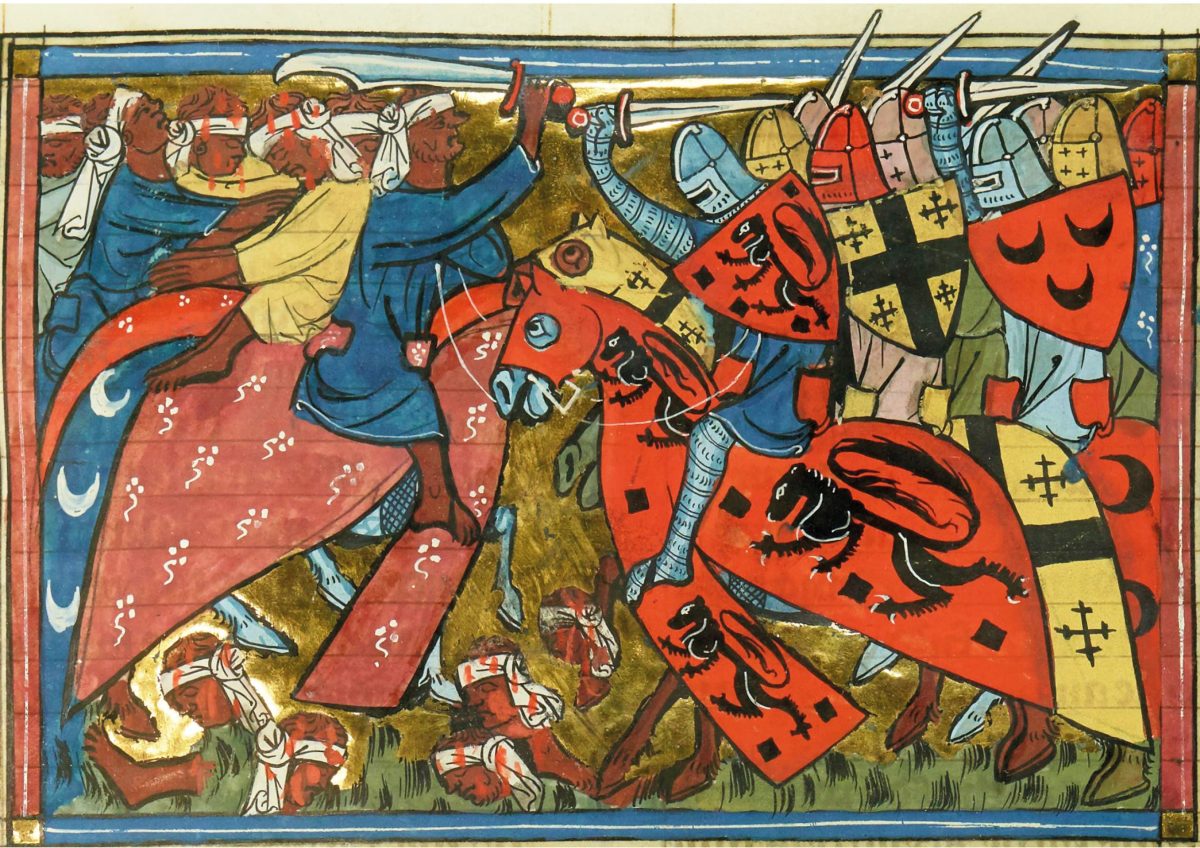
The author explains how the ancient Egyptians anticipated social upheaval and tragedy even during times of relative peace and prosperity, and aimed to mitigate this through writing down their memories (witness testimony and literature), warning others (prophecy) and undertaking rites of remembrance (revisiting). The reader is presented with a fascinating array of primary sources. With a key focus on ancient Egyptian literature, the author’s innovative approach weaves in such diverse comparative material as medieval European written and pictorial sources, Biblical stories, modern Egyptian street art, and photographs of the Siege of Leningrad during World War II.
To continue with the author’s pandemic example, as we become more distant in time from the outbreak of the pandemic, the precise details of our experiences during this time are starting to fade. When this ‘collective forgetting’ happens, the likelihood of the global community not learning from past tragedies, or not preparing for them to happen again in the future, becomes ever greater. In many ways we have much to learn from the Egyptian approach to social memory to reduce the negative impacts of future social upheaval.
Illustrated with greyscale images and line drawings, with a useful timeline of Egyptian history, maps, and plans of relevant sites, this enjoyable volume is ideal for a reader seeking a general introduction to the key primary sources and innovative approaches to current debates around themes of social memory in ancient Egypt. The reference list will support all those wishing to pursue their research into this fascinating, and timely, subject.
Famine and Feast in Ancient Egypt
By Ellen Morris
Cambridge Elements: Ancient Egypt in Context
CAMBRIDGE UNIVERSITY PRESS, 2023
ISBN 978-1-009-07458-2
Paperback, £17