
Subscribe now for full access and no adverts
REVIEW BY EDWARD STEWART
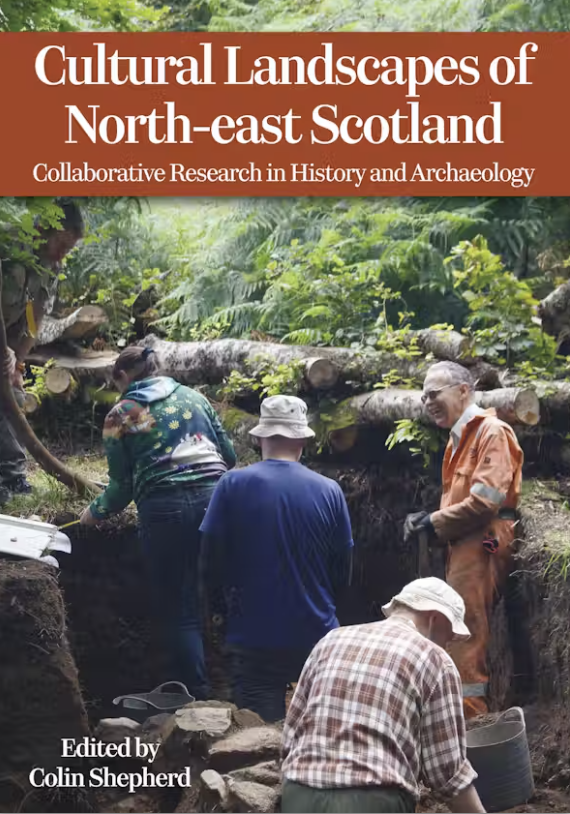
This volume brings together an exciting range of contributions to provide new insights into the cultural landscapes of the north-east of Scotland, a region that has seen many exciting archaeological investigations in recent decades. The book also consciously foregrounds and celebrates the diversity of contributions and contributors, perhaps better than any other recent volume reflecting the diversity of archaeological research occurring in contemporary Scotland.
Beginning with Bruce Mann’s introduction to the region’s archaeology and the role that landscape has played and continues to play in communities’ identities there, the impressive aspirations of this publication unfold. Using the example of a Bronze Age axe mould, Mann sets out a story that connects a chance discovery in the early 20th century to modern development-led excavations, and to communities of the deep past and present.
The book then carries the reader at an exciting pace through both time and locality, carrying us from Ice Age lochs to early medieval power centres, the palaces of medieval bishops, the post-medieval uplands, and then back to prehistory for an exploration of the huge contributions of groups within the region to our understanding of the Scottish Mesolithic. This is a volume with wide-reaching contributions to chronological and thematic debates, and to archaeological research practices.
There are four reflections on Pictish Age archaeology in the region, bringing together Samantha Jones and Gordon Noble’s environmental and archaeological reflections on the impact of Roman military activity on the local peoples of the north-east and the influence of this on the eventual development of later Pictish polities; Nicholas Evans’ work on the development of secular and ecclesiastical Pictish power centres; Alexander Forbes’ reflections on the possibility of an early Christian centre at Kildrummy; and explorations by Charlotta Hillerdal on the possibilities for Norse interactions in the region. Taken together, this work represents a considerable body of research by both academics and independent researchers that pushes against traditional narratives of early Christian activity, state formation, and cultural interaction in the region.
As a post-medievalist, there is lots for me to be excited about in this volume, from Jeff Oliver’s reflections on the Bennachie Colony and the displacement of rural poor to upland ‘wastes’ during the Lowland Clearances; to Louise Smith et al.’s reflections on the ecosystems of former crofting landscapes and Christine Foster’s experimental archaeology approaches to colony subsistence; as well as Colin Shepherd and Ian Ralson’s explorations of an upland settlement site through time. These contributions to the study of the period of ‘improvement’ in upland Scotland powerfully present the long history of occupation in these so-called ‘margins’, and provide an insight into the everyday resilience of those displaced by ‘improvement’ and clearance, while challenging notions of the emptiness of upland ‘margins’.
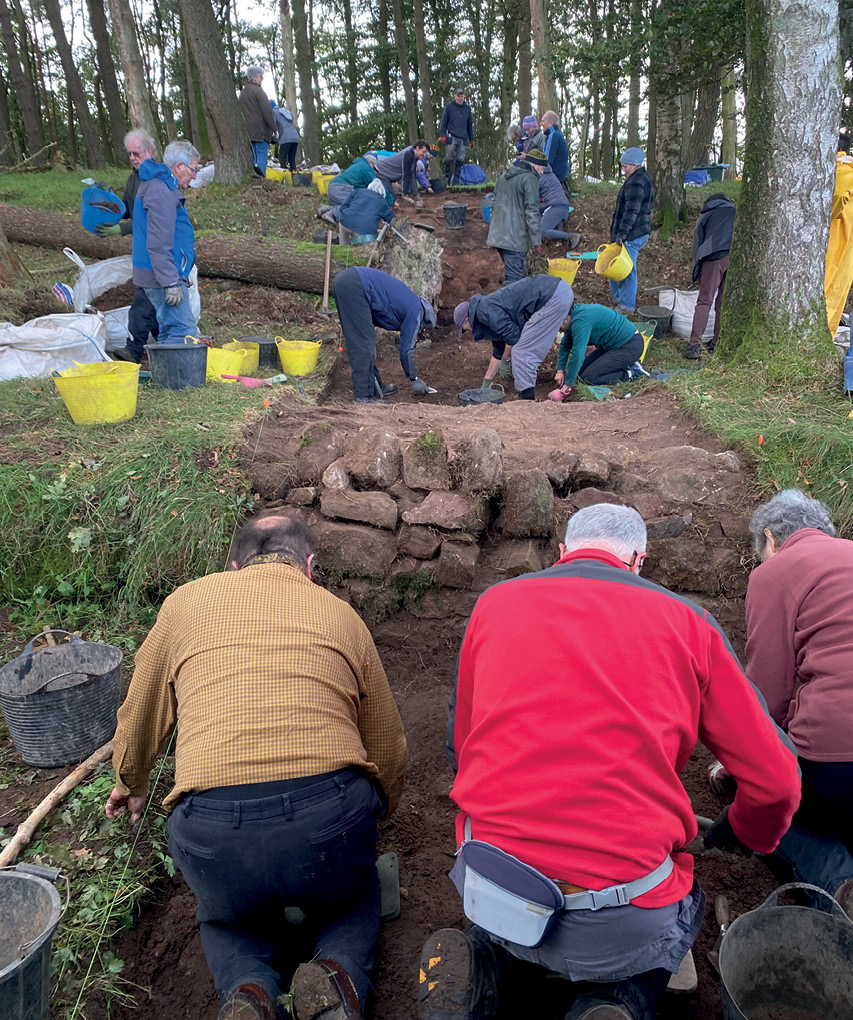
Perhaps the most-exciting contribution of this volume, beyond its array of interesting historical and archaeological regional studies, is the uniquely collaborative nature of the knowledge-production it contains. The work of the Bailies of Bennachie, University of Aberdeen teams, and independent collaborators presents case study after case study of the developing collaborations across this region that have allowed many of the impressively expansive programmes of research reported on in this book to occur.
The work concludes with a reflection by Colin Shepherd and Jo Vergunst on 13 years of the Bennachie Landscapes Project experience, offering insights into how this project’s approaches might inform future ventures that seek to infuse a similarly radical collaborative energy within their ethos and practices. The authors’ exploration of the social relations of the project, and the evolving values those contributing as specialists and volunteers derived from the experience, is a powerful contribution to archaeology and an inspiring example for those interested in collaborative research practices.
Cultural Landscapes of North-east Scotland
Colin Shepherd (ed.)
Oxbow (£29.95)
ISBN 979-8888571576