Subscribe now for full access and no adverts
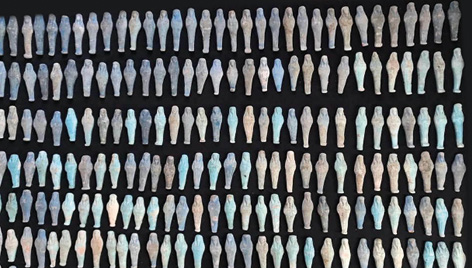
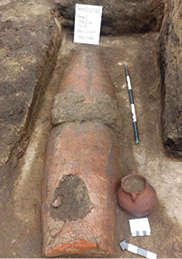
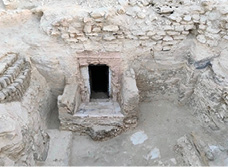
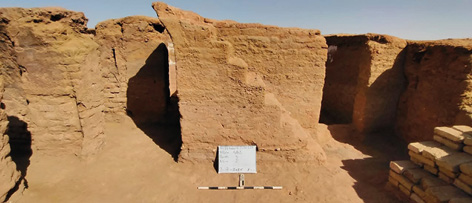
The remains of large multistorey tower houses have been discovered at the ancient Delta city of Imet (modern-day Tell Nabasha) in the eastern Delta by an Egyptian–British team from the Universities of Sadat City (Cairo) and Manchester. Such buildings, which had exceptionally thick foundation walls, were designed to house the large number of people living in this thriving urban settlement between the Late and Roman Periods. The remains were discovered using high-resolution satellite imagery, which pinpointed clusters of ancient mud bricks beneath the surface. Such houses are rare elsewhere in Egypt. The team also uncovered a large Ptolemaic building with a limestone plaster floor and large pillars. The structure was built across the processional road leading to a temple dedicated to Wadjet, proving that the ceremonial route was no longer in use at that time. Granaries and animal shelters were uncovered, too, as well as a range of small artefacts including a green faience shabti from the Twenty-sixth Dynasty, and a bronze Hathor-headed sistrum.

A beautifully detailed green faience shabti head found at Imet (Tell Nabasha).
Text: Sarah Griffiths / Image: University of Manchester