Subscribe now for full access and no adverts
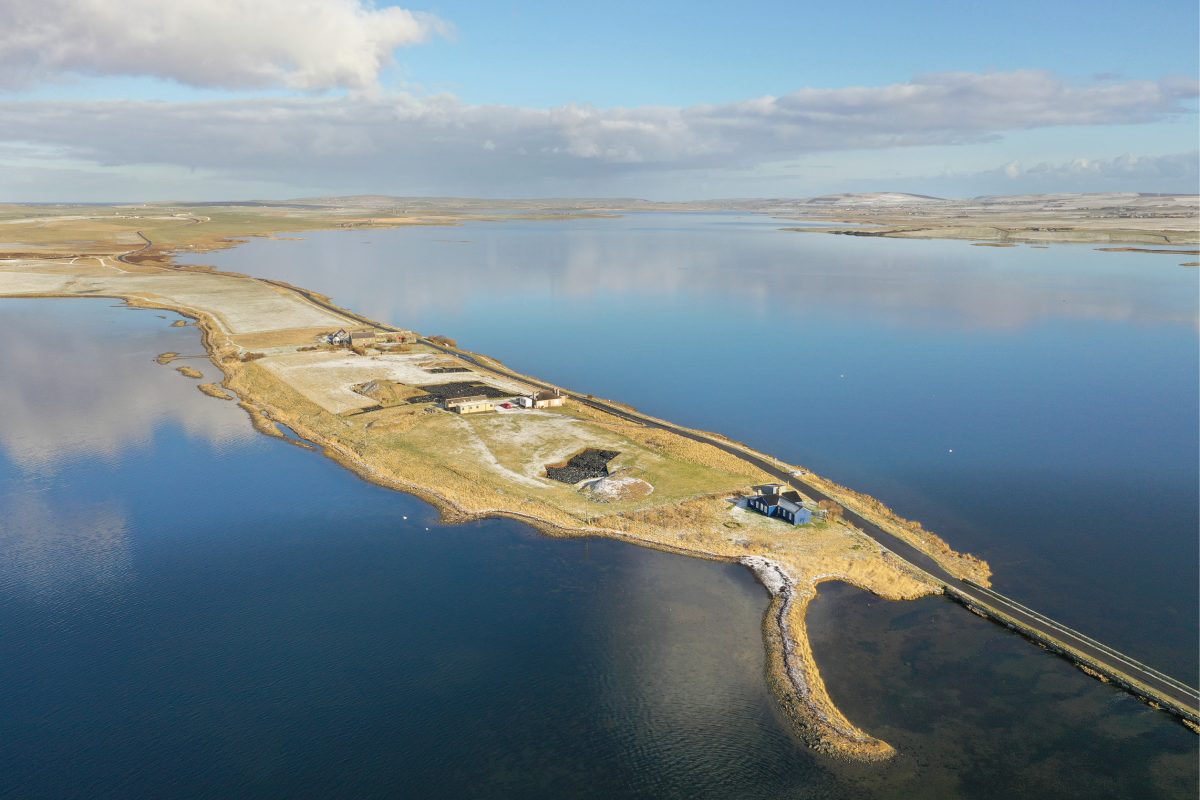
First excavated in the 1970s and now mostly eroded into the sea, the settlement of Buckquoy in Orkney has frequently been used as an example of how the Pictish-Viking transition occurred in the Northern Isles. New radio-carbon dating of artefacts from the site, however, has revealed that all phases of its occupation date to the Pictish period.
Anna Ritchie’s rescue excavations at Buckquoy in 1970-1971 revealed clearly stratified buildings, the first two of which (from Phase I and II) were ‘cellular’ in plan, while the later structures, ascribed to Phases III-V, were more rectilinear. At that time, most of the Pictish buildings identified in Orkney were cellular in design, so it was suggested that the first two phases dated to the Pictish period while the last three phases were Scandinavian. Until recently, however, no radiocarbon dates were available to confirm this.
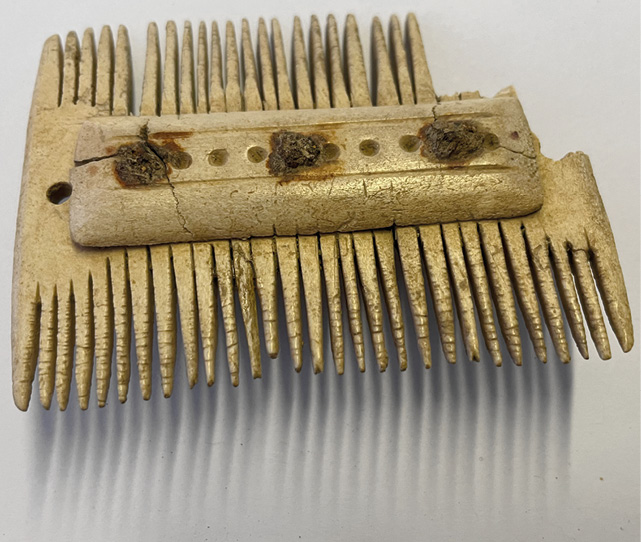
Now Professor Gordon Noble and colleagues from the University of Aberdeen have set out to establish a more precise chronology for the site, obtaining eight dates from excavated bone artefacts. Two samples proved to be from marine animals and were discarded due to the complexity of the marine reservoir effect (which can make remains appear centuries older than their true age), but the other six produced dates that closely matched the stratigraphy of the site. This activity began c.AD 520-655 and ended c.AD 660-770, meaning that occupation ceased well before the first appearance of Vikings in Orkney in the middle of the 9th century. Crucially, the earliest phase for the rectangular structures which were previously interpreted as Scandinavian is estimated at c.AD 675-860.
These results raise questions about how the Viking transition can be identified in the archaeological record of the Northern Isles, and whether we should re-evaluate other sites dated using similar architectural evidence. As the team highlight in their paper, recently published in Antiquity (https://doi.org/10.15184/aqy.2025.10231): ‘The history, landscape, traditions, language, and placenames of Orkney and Shetland undoubtedly show that Norse became the dominant language of the medieval period, but exactly how and when Scandinavian culture, technology, and lifeways first took hold in the Northern Isles now appears to require much more critical reflection than was generally perceived to be necessary during much of the 20th century.’
Text: Kathryn Krakowka / Image: University of Aberdeen