
Subscribe now for full access and no adverts
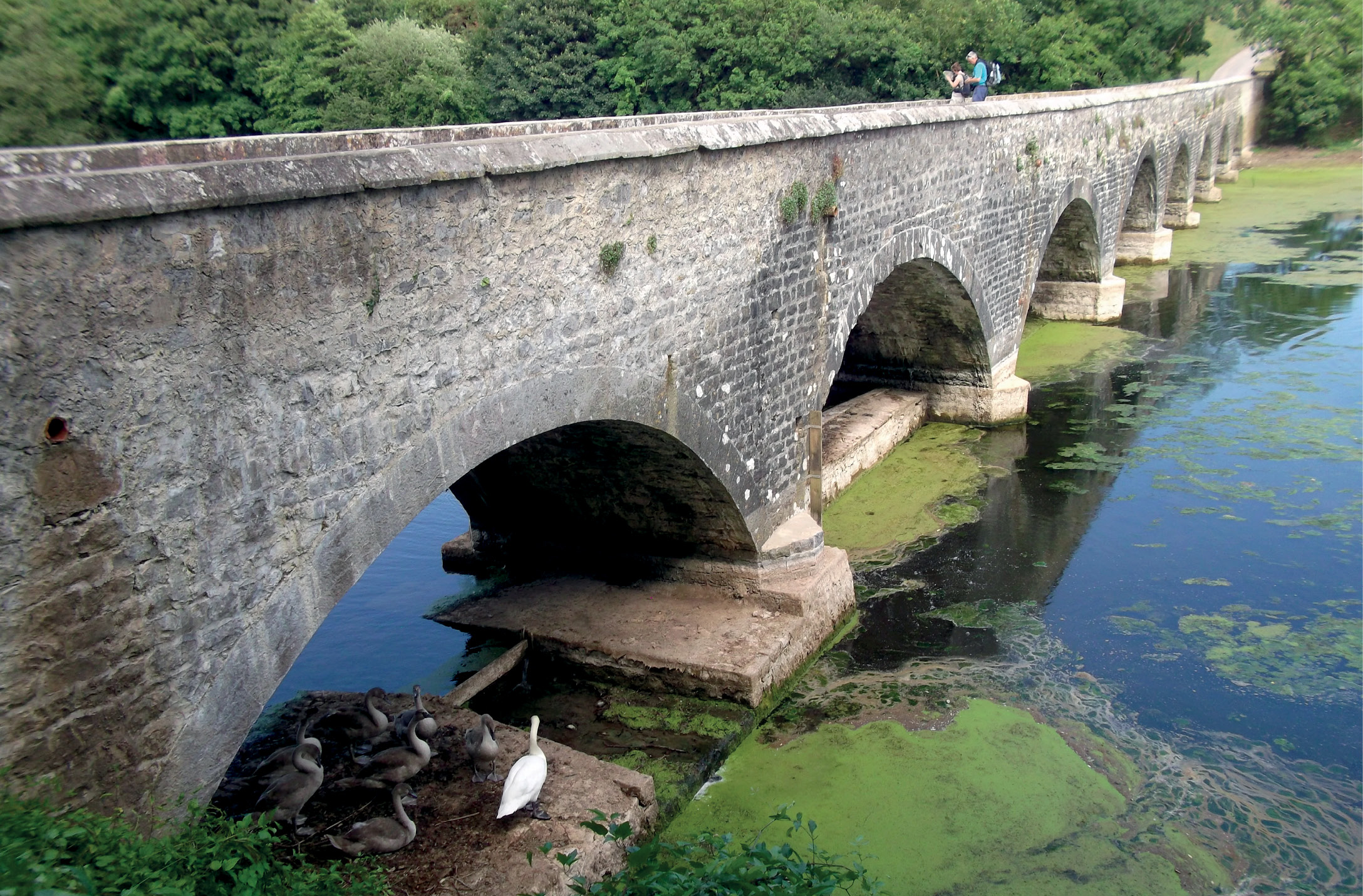
Built between 1794 and 1798, the Swansea Canal is relatively short: just 16.5 miles (26.6km) from its start at Abercrâf, in the Upper Swansea Valley (also known as the Tawe Valley), to the harbour at Swansea (Abertawe in Welsh, meaning ‘Estuary of the Tawe’). Five aqueducts carry the canal across major tributaries of the River Tawe, at Clydach, Pontardawe, Ynysmeudwy, Ystalyfera, and Cwmgiedd, and there are 36 locks along the canal’s length, raising it through 373ft (114m) from near sea level at Swansea to the summit at Abercrâf.
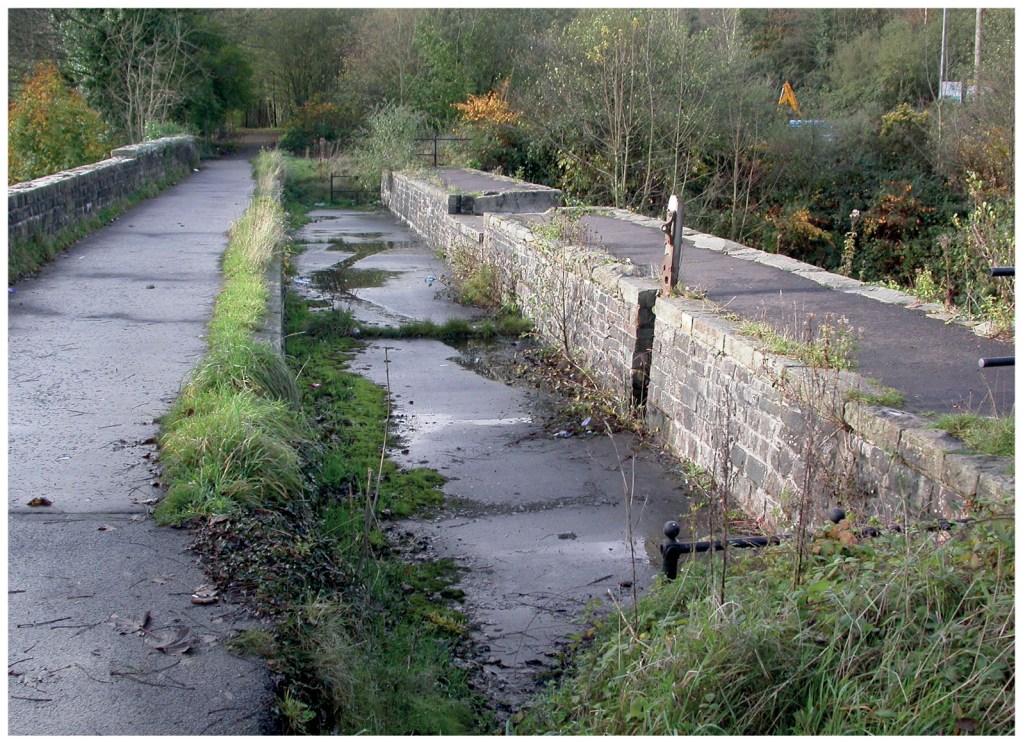
The last time the canal was used to carry commercial traffic was in 1931, and the last record of any boat using the canal was at Clydach in 1958. Much of the canal was subsequently filled in, partly to accommodate new roads. Today the canal is owned by the Canal and River Trust, which works in partnership with the Swansea Canal Society, a charity formed in 1981 with the aim of restoring the canal ‘as a community asset for active recreation and as a heritage visitor destination’. Nature has reclaimed many parts of the canal, which provides a habitat for eels and waterbirds, so the restoration plans have been designed to protect its wildlife and improve its physical environment (for example, by dredging to remove the Japanese knotweed that grows extensively around the Swansea Valley).
The story of the canal is the subject of a new volume written by industrial archaeologist Stephen Hughes to commemorate its 225-year history (see ‘Further reading’ on p.26). In his introductory chapter, Stephen explains the long history of canal- and railway-building that preceded the construction of the Swansea Canal. There is nothing new in the idea of an artificial watercourse: examples survive from ancient Egypt, China, and the Roman Empire, as well as medieval Europe – the imported stone that was used to build some of the UK’s finest abbeys, castles, and cathedrals arrived by means of canals. Long-distance watercourses were built all over the UK as leets designed to power mills, either directly or by feeding ponds that were used to drive wheels and machinery.
Pioneering progress
Stephen Hughes gives the credit for starting the intense industrial development of south-west Wales to the 17th-century Shropshire engineer Sir Humphrey Mackworth, who has been called Wales’ first industrial entrepreneur. He married Mary Evans, heiress of the Gnoll Estate in Neath, in 1686. A decade later, his recently widowed mother-in-law invited Mackworth to take on the management of the estate, which was already prospering from the extraction of high-quality coal, a material that was rapidly taking over from charcoal for use in smelting metal ores.
Mackworth saw an opportunity for smelting locally, bringing partially processed ores to the coal mines of the Neath Valley. In 1698, he constructed a 900ft-long, 20ft-wide canal linking the River Neath to his smelting works just south of the town of Neath. This enabled small river vessels of up to 30 tons to carry ship-borne ores from Devon and Cornwall to the works, and to carry copper products for export back to the harbour at Briton Ferry. By 1700, the canal had been extended to take 100-ton vessels, and sluice gates had been fitted to turn the cut into an enclosed waterway to keep the larger vessels afloat when the tide went out.
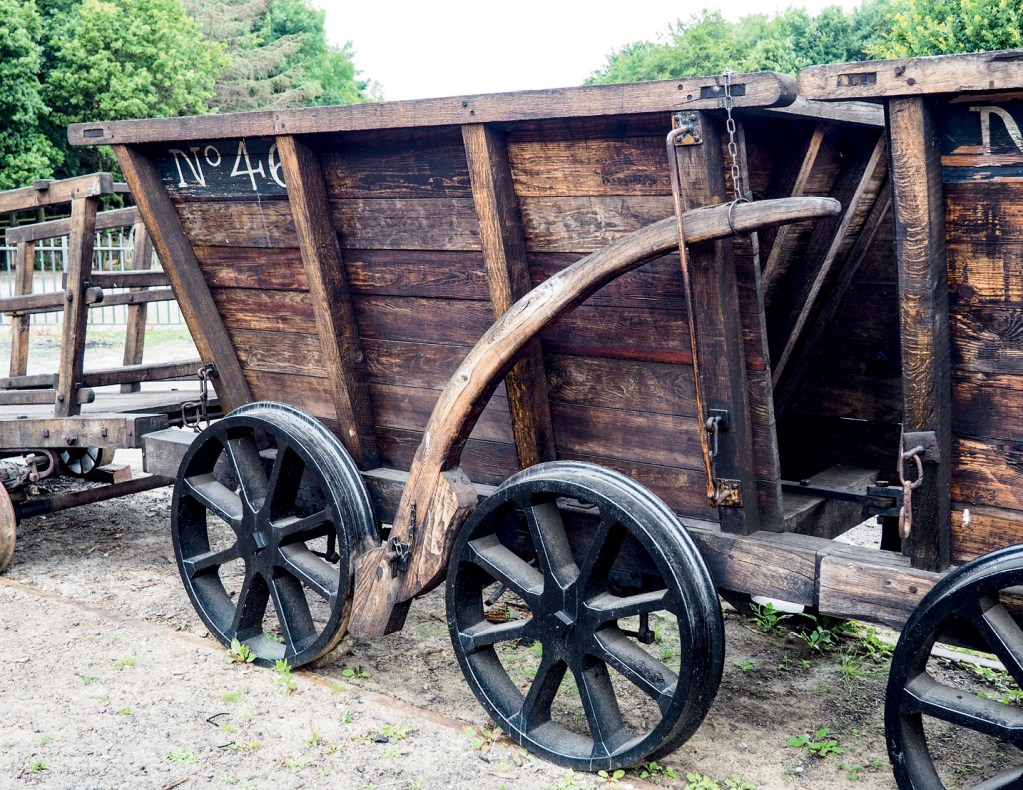
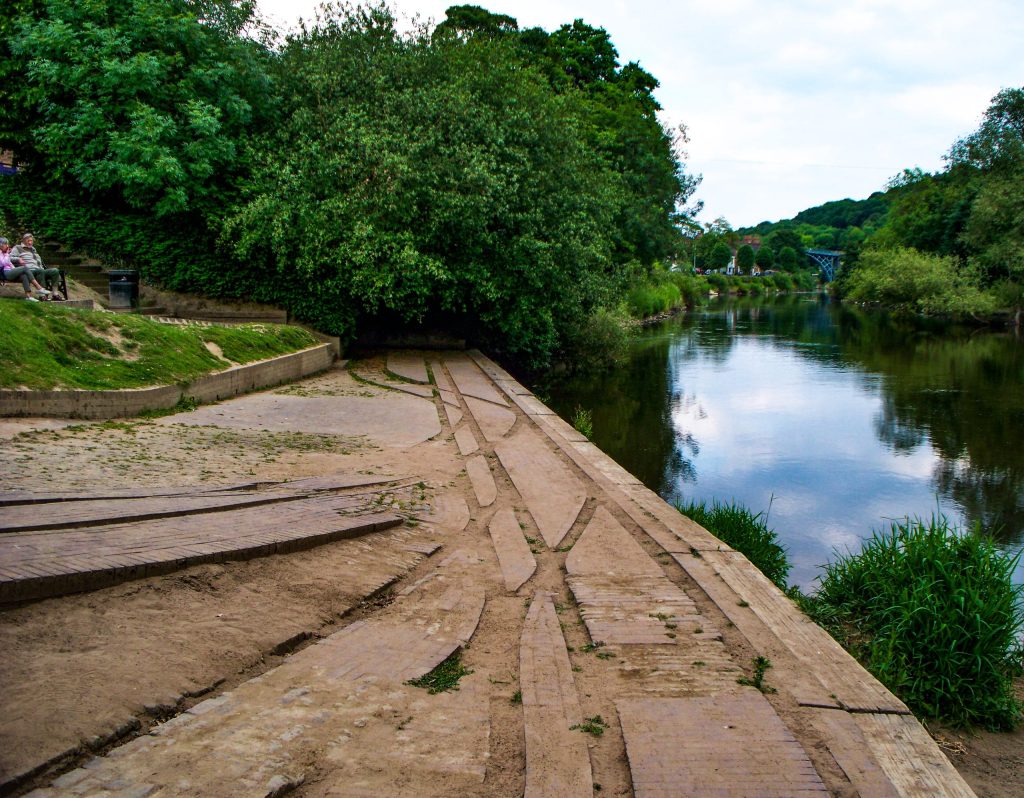
At the same time, Mackworth introduced the kind of ‘artificial wagon and windway’ system to carry coal from his mines to the works that he had seen in use in the Ironbridge Gorge in the 1680s. These narrow-gauge, wooden-railed railways paved the way for south Wales to develop one of the densest networks of colliery railways in the world during the 18th and early 19th centuries, long pre-dating the 1825 opening of the wide-gauge Stockton-to-Darlington steam railway for passenger transport (a date that is often taken to mark the invention of the modern railway). Mackworth thus created what may have been the first integrated canal, railway, and smelting works in the world.

Local gentry entrepreneurs began to follow Mackworth’s example, and innovations and wagonways were introduced to link mines to wharfs in various parts of the Lower Swansea Valley, including the innovative introduction of iron rails c.1787, both underground and on the surface. Possibly the first underground canals in the world were constructed for use by flat-bottomed boats along the tunnels at Gwauncaegurwen coal mine, west of Swansea, in 1757, and at the Forest Copperworks, at Morriston, near Swansea, by 1771. Such was the popular interest in all these and subsequent underground systems in the Lower Swansea Valley that they received widespread national and international publicity, being described by (among others) the surveyor and engineer Edward Martin, and by the self-styled Swedish ‘industrial spy’ Eric Svedenstierna in the travel diary that he published recording the industrial innovations he had seen on his tour of Great Britian.
Canals and conflict
This was the background, then, to the construction of the Swansea Canal, which was different from earlier waterways and railways principally in being designed for collective use rather than serving one specific colliery or smelting works. It would be wrong to describe this as a public-spirited exercise, however, for despite the optimism expressed by The Times, many conflicts had to be resolved in the course of planning and constructing the canal. It was never going to be easy to find a route for the proposed canal that did not involve disturbing existing industrial concerns. This was especially true when fortunes were beginning to be made from extracting raw materials from the mineral-rich Tawe Valley once the Crown monopoly on lead-, tin-, and copper-mining was abolished under Acts dating from 1689 and 1692. On the other hand, all could see the benefits of a cheap method of transporting goods between the coast and what was rapidly developing as a major industrial centre.

Raising capital seems not to have been a problem, with many of those with an existing interest in the industry of the Tawe Valley subscribing as foundation shareholders, but conflicts arose over the various routes. No fewer than three different plans were produced by the canal engineer Thomas Sheasby Senior in 1793, at which point the canal’s supporters split into two camps. The Duke of Beaufort was a dominant force. He and his industrial tenants wanted the canal to incorporate their existing short canal, completed ten years previously, and they wanted their existing wharf at Landore to be used as the transhipment terminus. This was some way inland and could only accommodate vessels of up to 200 tons. The other camp wanted the canal to continue to wharves in Swansea town, where cargo could be transhipped into sea-going vessels of up to 600 tons.
This latter group commissioned Sheasby to resurvey the lower course of the canal to avoid Beaufort’s land, though this new line would have required the greater costs of a large embankment and a steep flight of locks. Rival promoters on both sides published broadsheets publicising their respective proposals, and the Duke of Beaufort withdrew his proposed subscription. In the end, a compromise was reached whereby the Duke’s private canal, a mere one-mile in length and known as the Trewyddfa Canal, was incorporated into the Swansea Canal line, but the canal was to continue to the town and coast.
This had long-term consequences, because the Trewyddfa section had shorter locks (65ft/20m long) than the rest of the canal, thus restricting the maximum length of boats. This section of the canal also incorporated a section known as ‘The Narrows’ because it was designed not to impinge on the buildings and back gardens of the workers’ settlement at Morriston. Able to accommodate only one boat at a time, this remained a bottleneck throughout the canal’s existence – and the Duke was allowed to charge an extra toll for using his section.
Another compromise was to locate the start of the canal at Abercrâf, three miles south of the originally planned line. To continue beyond Abercrâf, thus raising the canal by a further 80m (262ft), would have involved increasing the number of locks from 36 to 64, making the route expensive to build and time-consuming to navigate.
Once the line of the canal had been agreed, though, construction proceeded with speed thanks to the use of direct labour for the canal earthworks, and of specialist contractors for the masonry of locks, bridges, aqueducts, basins, culverts, and quays, and carpenters for the lock gates. The canal company (via its chief engineer, Charles Roberts) also purchased the necessary materials, beginning with an order for 500 wheelbarrows. The navvies worked in gangs of 200 labourers, and they consumed large quantities of beer provided by the Forge Hammer public house at Clydach.
Archaeological insights
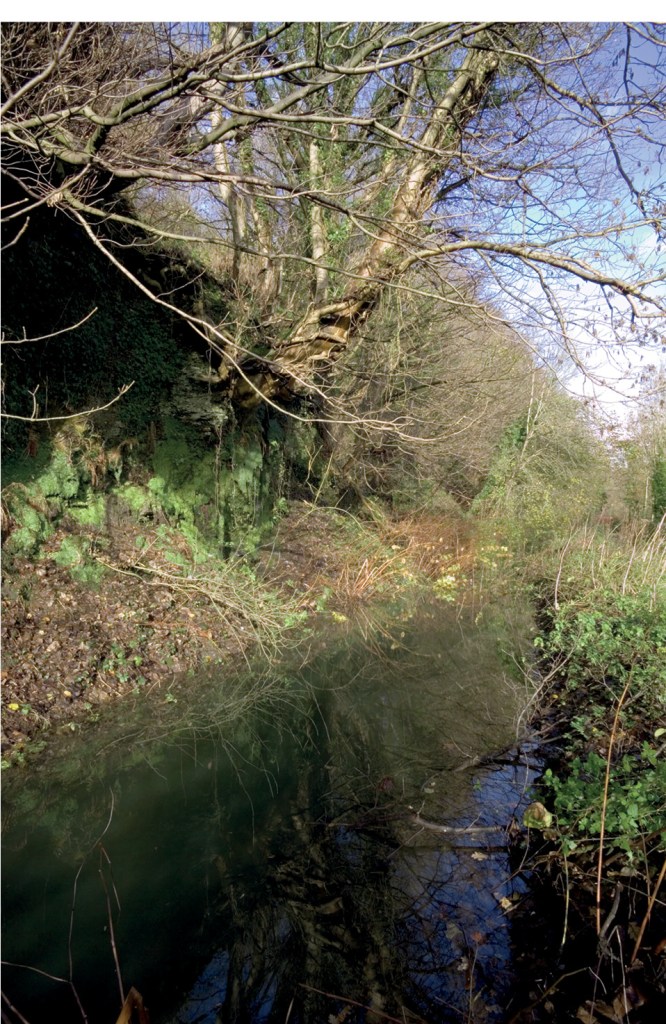
Archaeological recording work in the 1970s provided an insight into the canal’s construction. The water channel varied in depth from 4ft to 5ft, which was more than adequate to accommodate loaded boats with a depth of 2.5ft. Material dug to create the water channel was used to create an embankment, held back in places by masonry retaining walls. The towpath ran along the top of this bank; it was originally topped with cinders and later by gravel. The width of the canal varied greatly, depending on the topography. Rock-cut channels were a minimum of 10ft wide, but where there was space the canal extended to 120ft or even 150ft. These wider pool-like stretches effectively acted as reservoirs for feeding the locks. In addition, water was stored in various reservoirs along the route and river water was taken in from the adjacent rivers.

Much of the ground through which the canal passed was porous and the bed of the canal, as well as the lock pits and culverts, were waterproofed in the orthodox way using masses of puddled clay, some of which was obtained from the mudflats at Blackpill Beach in Swansea Bay. Archaeological excavation shows that the clay was repaired many times, and the last canal foreman recalled that flocks of sheep were let loose on to the canal bed to compress the material during these maintenance works.
For bonding the canal’s masonry and brickwork, innovative use was made of a form of hydraulic mortar made from lime, silica, and alumina, similar to that used by the ancient Romans for aqueducts and marine works. The formula for making this ‘pozzolana’ mortar had been rediscovered by Dutch engineers and refined by John Smeaton for the construction of the Eddystone Lighthouse, which was completed in 1759. Stephen Hughes points out that its extensive use on the Swansea Canal and Trewyddfa Canal pre-dates Telford’s ‘pioneering’ use of that material for the Chirk Aqueduct (begun in 1796) by at least two years – another example of the Swansea Canal challenging the accepted industrial history narrative.
Above all, though, the exceptional significance of the Swansea Canal as a waterway lies in the way that it enabled numerous entrepreneurs to develop the world’s first integrated global enterprises. The Swansea Canal was not just a transport route: it provided the artery linking multiple industrial sites by means of subsidiary railways and feeder canals. In addition, surplus water from the canal was used to provide power for canalside works. The canal did not just enable raw materials to be brought to the valley by sea and finished goods to be taken away for export, it enabled coal and metal ores sourced within 20 or so miles of Swansea to be transported easily from site to site for processing. As a result, within 22 years of the canal’s opening, the Tawe Valley had become a world centre for the production of iron, brass, lead, tinplate, and high-grade anthracite.
Even before that, though, the Tawe Valley had come to dominate the international trade in copper: seven years from the canal’s completion, Swansea was exporting 90 per cent of all the manufactured copper produced in Britain (6,644 tons) and more than two-thirds of the world’s total production (9,100 tons). Historians are now used to acknowledging the darker side to such industrial developments, and a substantial amount (some 600 tons a year) was used either to make the currency used by the Royal African Company to buy enslaved people in west Africa, or as a component of the brass vessels used in slave-dependent sugar refineries and rum distilleries in the Caribbean. Other major uses for copper at that time included jewellery-making and cladding to protect the hulls of ships from being attacked by marine growths that damaged the timbers and slowed the ships down.
An example of the way that the canal underpinned the copper industry is provided by the Forest Copperworks, to which copper ore was brought up from the coast from Devon, Cornwall, and Ireland. An underground feeder canal – the Clyn-du Canal – linked into the Swansea Canal to bring locally mined coal to a row of smelters built up against the canal basin. In an almost continuous operation, coal and ore was fed from the canal into a row of side-by-side copper-smelting works.
Additional industries
Copper dominated the growth of the Swansea Valley, but it was far from being the only product enabled by the canal. The combined transport and waterpower facilities encouraged the foundation of canalside tinplate works (coating iron or steel with a thin layer of molten tin to prevent rusting) with hammer forges and rolling mills powered by the large volumes of water that were released from the emptying of locks as boats passed through.
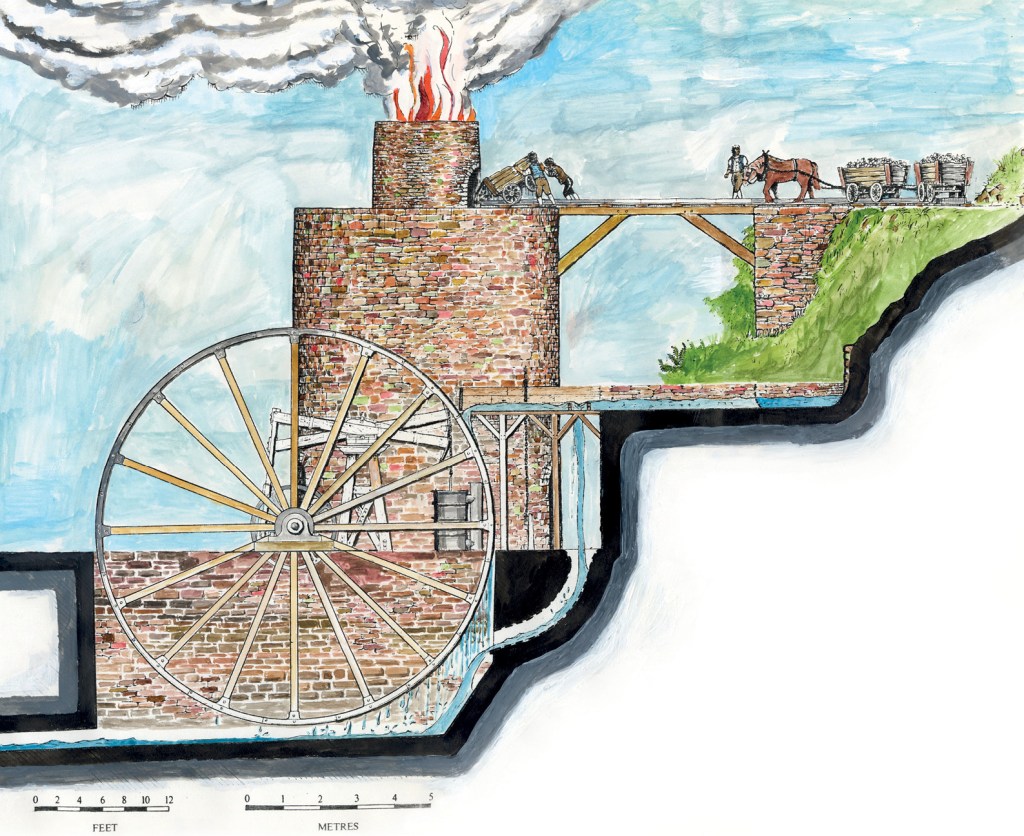
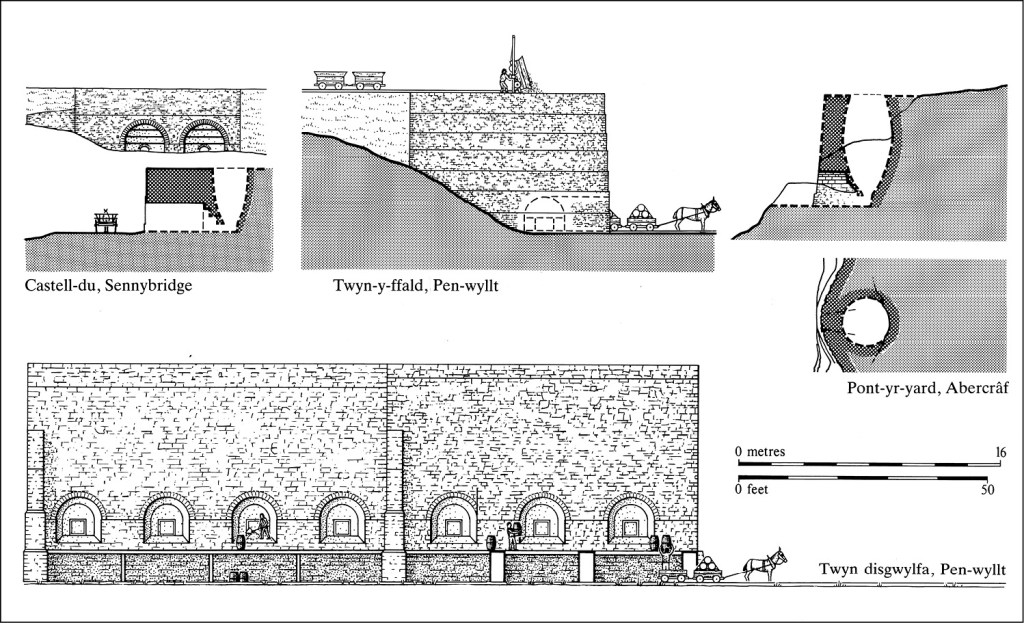
Some 60 canalside limekilns were constructed during the early years of the canal, partly for use in the construction of the canal itself, but subsequently for liming fields, construction work, and for use as a flux in smelting copper. Potteries and brickworks – both needing coal – were established along the line of the canal, using clays dug from pits at Graig Trewyddfa, between Morriston and Landore. One of these was established by an American – George Haynes – who studied Wedgwood’s methods of mixing powdered flint into clay to produce the then highly fashionable creamware.
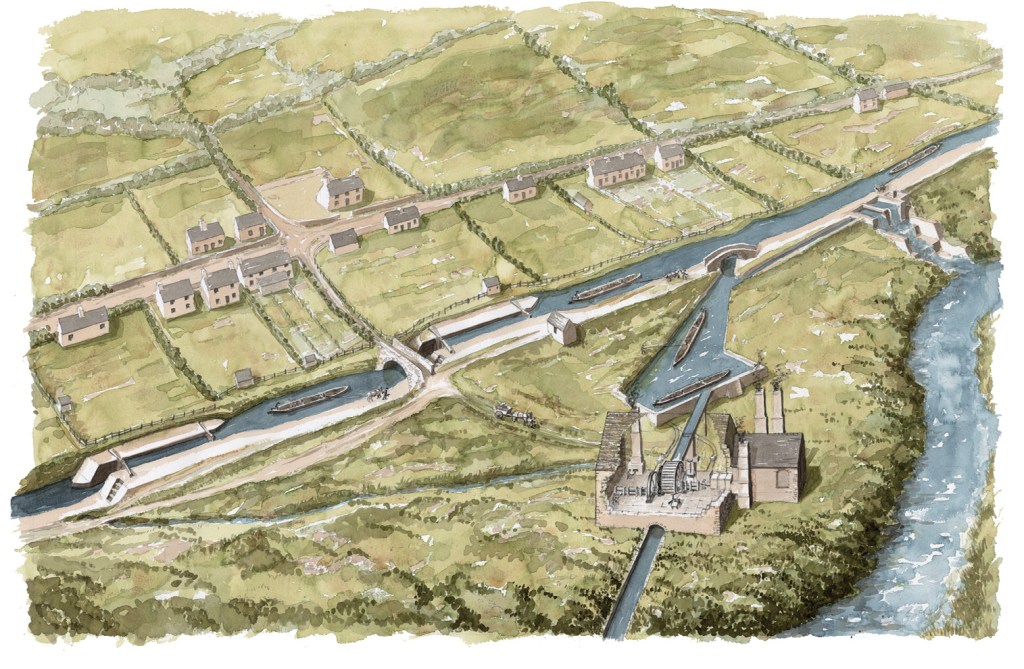
Again, it was not just the transport benefit of the canal that enabled this industry to grow to a peak of 13 bottle kilns producing 140,000 pieces of pottery a year: canal water supplied the steam engines that drove the clay-mixing and flint-grinding mills. Recycled profits from copperworks were also used to establish brickworks and to manufacture architectural ceramics, decorative chimney pots, and high-temperature-resistant fireclay products for lining furnaces.
Not all the materials to fuel this canal-induced industrial development were available locally: large quantities of timber were conveyed along the canal, for use as pit props and railway sleepers or in construction work, that had been felled in the Baltic – especially Lithuania – and timber was among the last of the commodities still being transported along the canal in its latter years.
The many people who worked in all these enterprises needed feeding, and as the population grew so did the demand for bread and beer. Once again the canal served as the means of transporting hops and barley, and for distributing barrels of beer to the many pubs sited along the route of the canal and for driving mill waterwheels.
Summarising the significance of the canal, Stephen Hughes says that it was the key to unlocking the mineral wealth of the Upper Swansea Valley, supplemented as it was by a complex network of short railways and feeder canals – both above and below ground – integrating this part of south Wales into the rapidly growing global economy of the 19th century. Just as rapidly, as production shifted to other parts of the world, the valley suffered decline and the abandonment of previously profitable enterprises.
By 1960, the valley could claim a less enviable record: the lowermost lengths of the canal now ran through one of the largest areas of derelict land in Europe, the site of empty and roofless buildings and 7 million tons of slag and waste piled in heaps up to 60ft in height, spread over 285 hectares, poisoning land over an area twice as large.
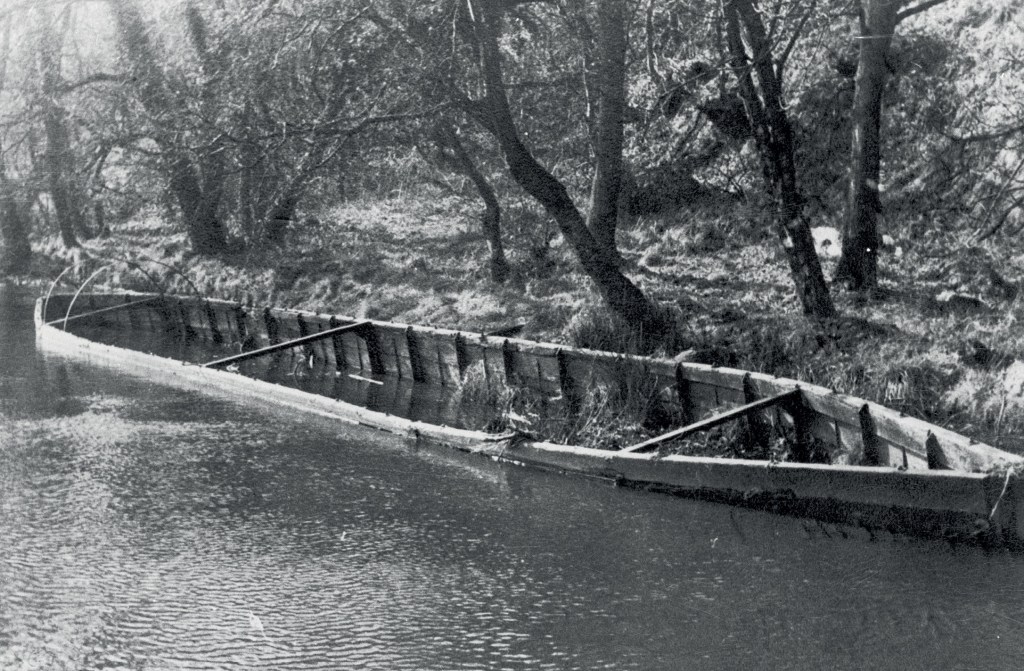
The 1967 Swansea Valley Project was devised to rehabilitate the site, but substantial parts of the canal were infilled with copper slag; bridges were removed, and in some places the canal terraces were used for new roads. The potential for industrial heritage to aid regeneration was not then recognised, but the discipline of industrial archaeology was already being developed and Fred Davies, of the newly formed South West Wales Industrial Archaeology Society, undertook a photographic survey of the canal in the late 1950s and early 1960s. More recently, the Welsh Royal Commission’s survey of surviving structures resulted in a programme of listing and scheduling.
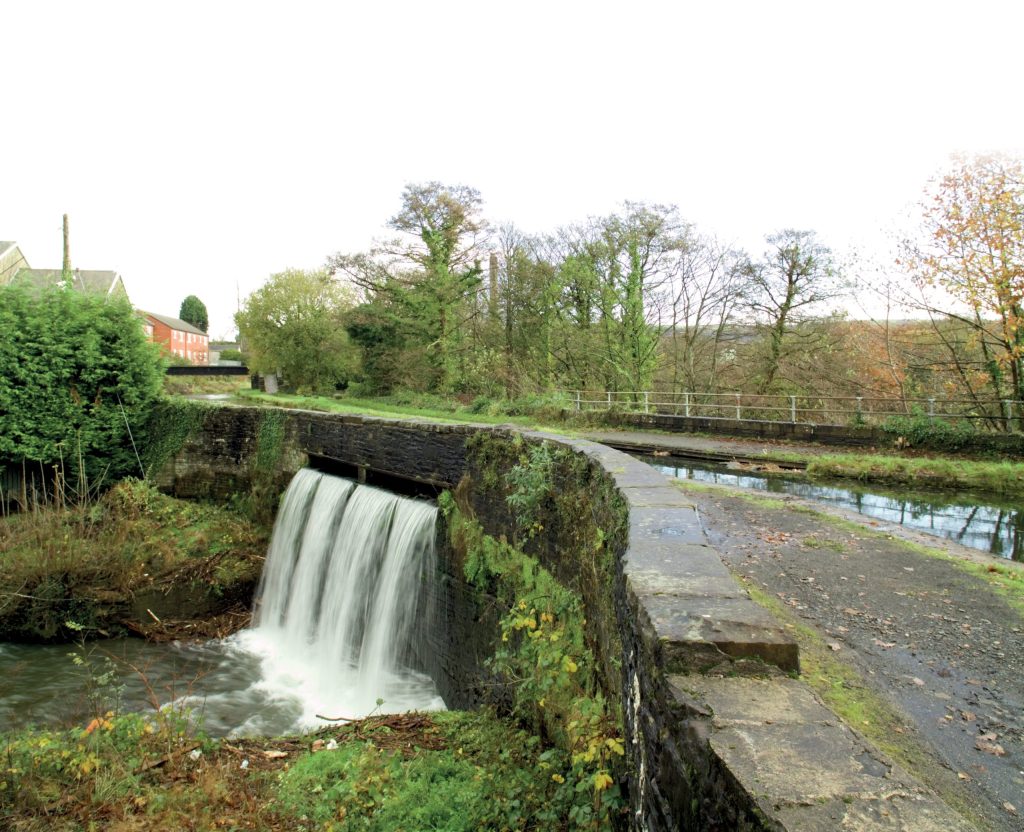
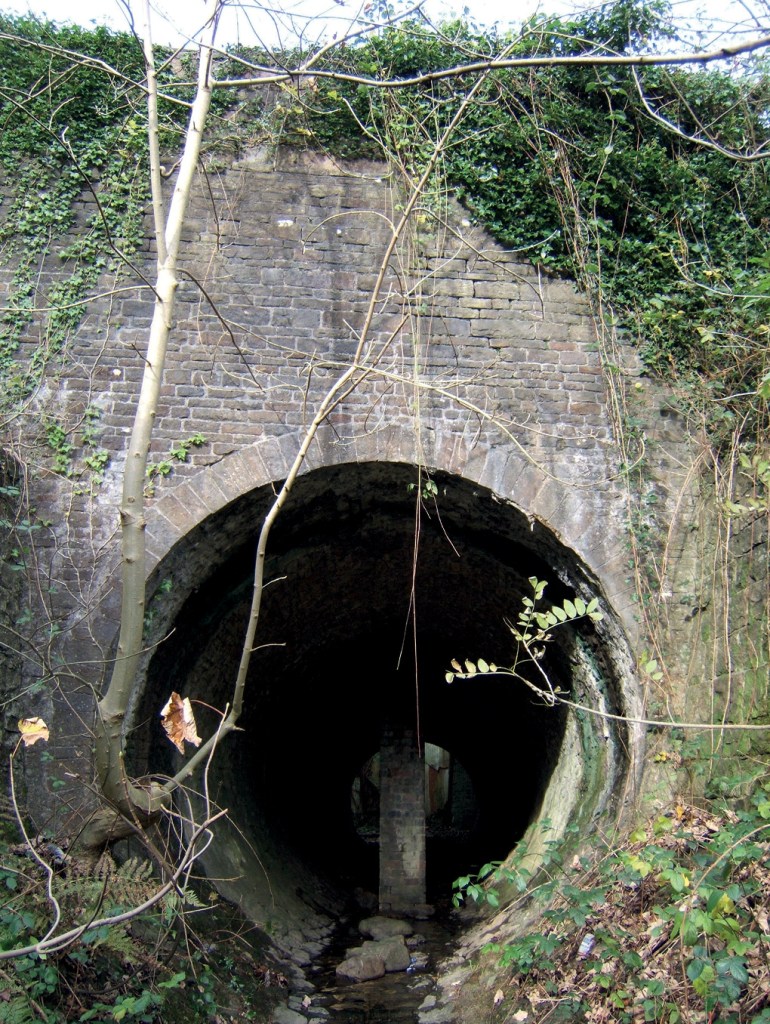
The founding of the Swansea Canal Society in 1981 led to further safeguarding of the remains and the establishment of a towpath walk and nature reserve. A five-mile (8km) length of the canal currently remains in use, from Pontardawe Aqueduct to Clydach, where canoes and kayaks can be hired on summer weekends from the Swansea Canal Society’s heritage centre in Coed Gwilym Park. The aqueduct at Clydach is one of the canal’s most impressive sights, where the canal is joined by the Lower Clydach River and the River Tawe, marked by a series of weirs and waterfalls made all the more attractive by the occasional sight of leaping salmon coming upriver to breed.
Stephen’s book draws attention to the great potential the canal has for further use as a cultural tourism resource, and he provides a detailed guide to a 12-mile stretch of what was once a noisy, polluted engine of the global economy, and is now a quiet and scenic landscape combining natural and cultural heritage.

Further reading:
Stephen Hughes (2023) The Swansea Canal and its Early Railways (The Royal Commission on the Ancient and Historical Monuments of Wales and the Swansea Canal Society, ISBN 978-1871184655).
The book is available for £45 from the Royal Commission’s online bookshop (https://shop.rcahmw.gov.uk/collections/books), with free postage and 10% discount for Friends of the Commission.
All images: Stephen Hughes, unless otherwise stated