
Subscribe now for full access and no adverts
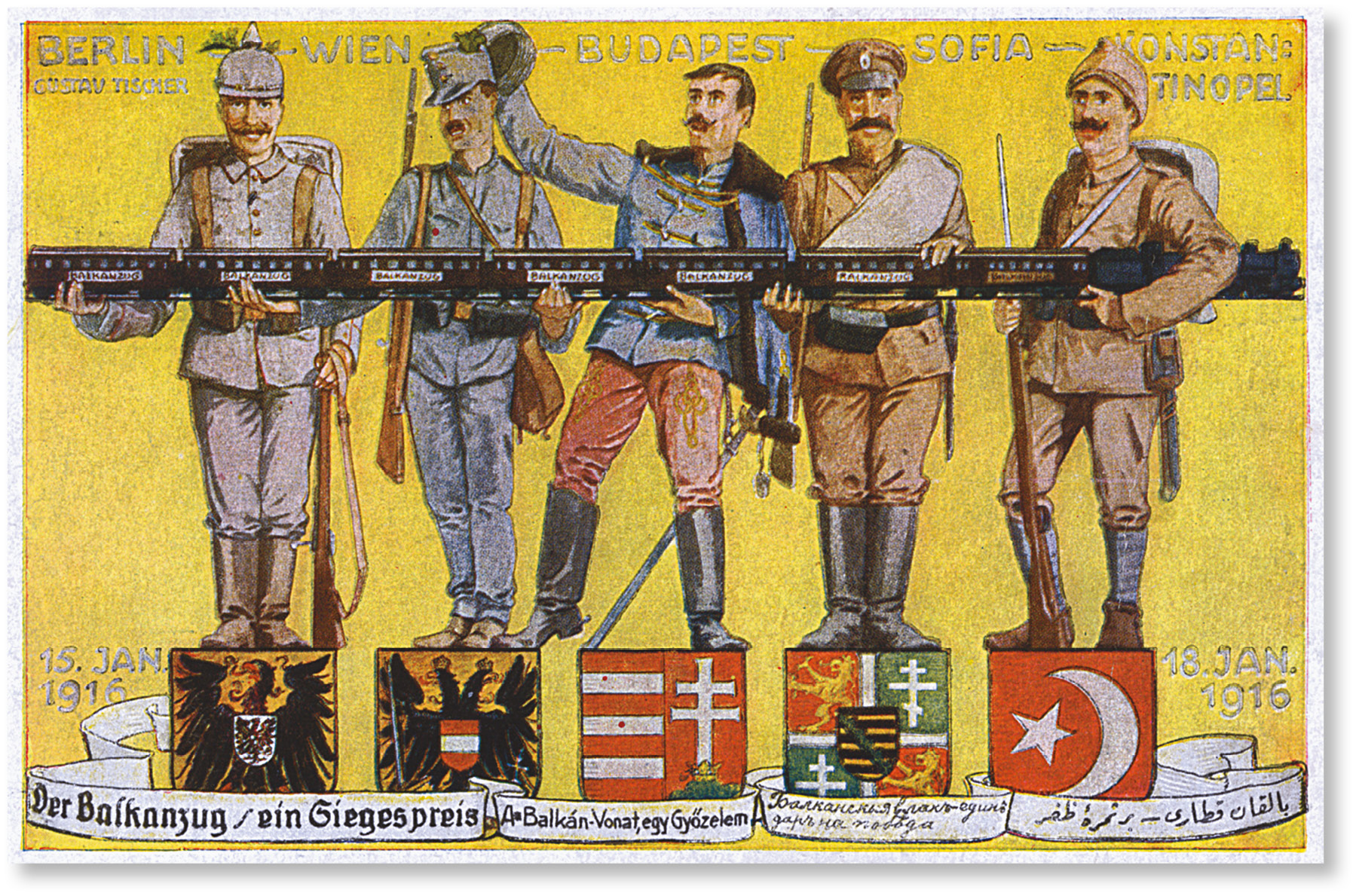
It is not surprising that, of the Central Powers who took part in the First World War, Imperial Germany has received the lion’s share of historical attention. Its armies fought from beginning to end of the conflict on both the Western and Eastern Fronts. Germany dwarfed its allies – the Austro-Hungarian and Ottoman Empires and the Kingdom of Bulgaria – in terms of economic and military might. The three lesser powers suffered from major weaknesses in their high command and in industrial production, transport and communications.
These were not natural allies. Bulgaria gained autonomy from Ottoman rule in 1878, becoming formally independent in 1908. Austria-Hungary annexed the Ottoman provinces of Bosnia-Herzegovina in the same year. Then, in the First Balkan War of 1912-1913 (see MHM 141, August/September 2024), a coalition of Bulgaria, Greece, Serbia, and Montenegro defeated the Ottoman Empire and seized most of its remaining territory in south-east Europe. A dispute between Bulgaria and a combination of Greece, Serbia, and Romania over the distribution of spoils led to the Second Balkan War in 1913. This ended with Bulgaria losing the land it had gained to its former allies.
The Central Powers joined the First World War at different times, following their individual national interests. Austria-Hungary, Germany’s oldest and closest ally, was involved from the beginning of the war. It was supported by Germany in the dispute with Serbia that precipitated the July 1914 crisis. The Ottoman Empire sided with Germany after initial hesitation, declaring hostilities in November 1914. Bulgaria entered the conflict 11 months later, when it decided that this was its best route to recover territory lost to its Balkan neighbours.
Given this staggered descent into war, it was predictable that the Central Powers would fail to work out a coherent joint plan of attack. What occurred was a series of operations across different theatres, marked by limited cooperation. Even the German and Austrian general staffs failed to organise a common strategy at the outbreak of war. Austria-Hungary, Ottoman Turkey, and Bulgaria all depended on Germany for economic and military aid, and were subject to pressure from Berlin to follow its dictates.
Scholarly neglect of the war efforts of the smaller Central Powers has been redressed to some extent over the last two decades. Historians have begun to look past the weaknesses of the alliance, and the shortcomings of the Austrian, Ottoman, and Bulgarian industrial bases, to appreciate the resilience of their armies. Given the material difficulties they faced, and the limitations of their military leadership, it is remarkable that they endured for as long as they did.
In this mini-series, we examine the wartime record of all three states. We begin with a ‘special’ centred on Austria-Hungary’s army, which struggled to make an impression against its Russian, Serbian, and Italian foes. The first of our pair of articles surveys the strengths and weaknesses of the imperial forces. We then take an in-depth look at the Italian front, a challenging arena where the Austrians held the line for three years before finally succumbing to total defeat.
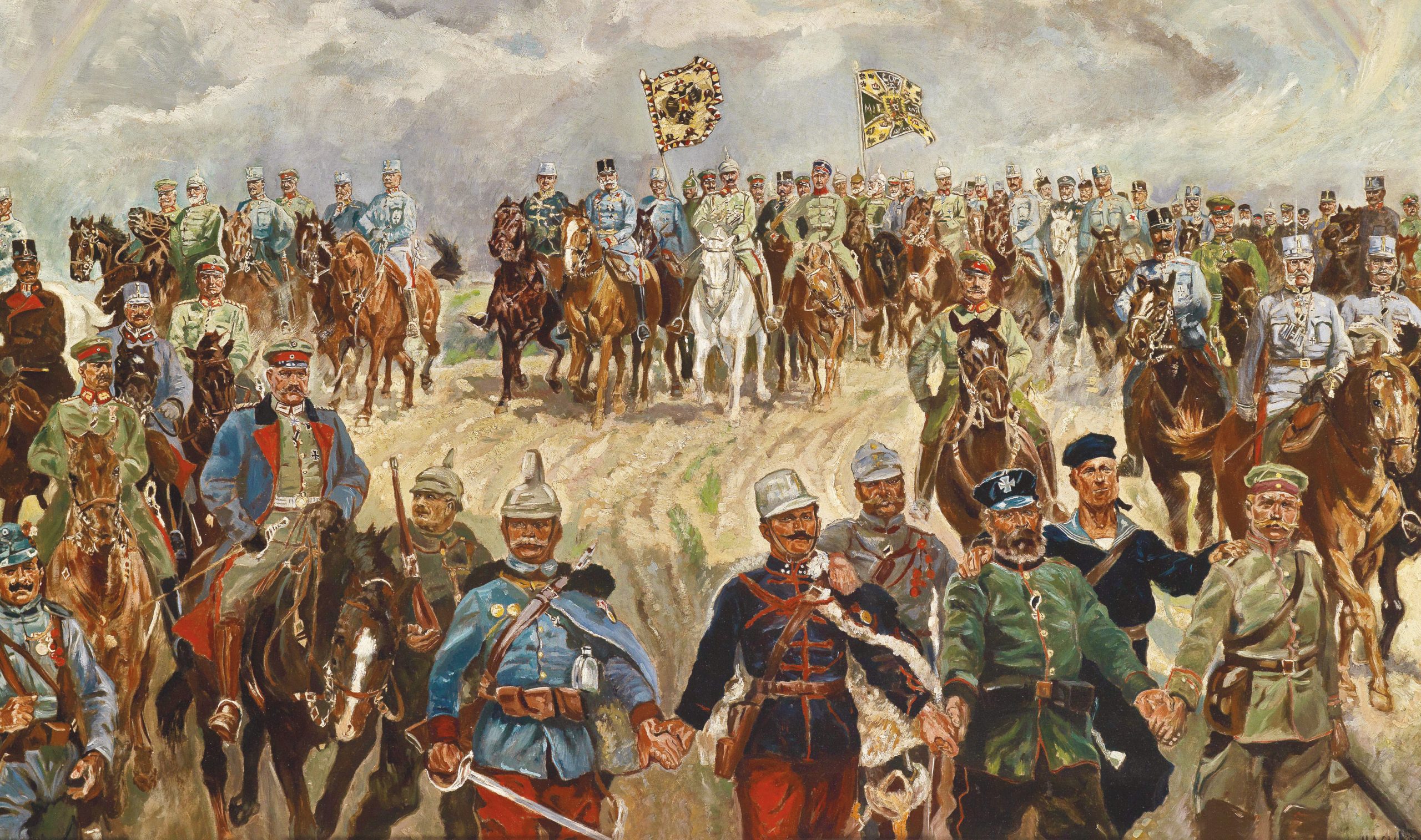
The weakest link: Austria-Hungary’s army in the Great War
If the Austro-Hungarian army is remembered today, it is probably thanks to Czech writer Jaroslav Hašek’s 1920s novel The Good Soldier Švejk, the richly comic story of a hapless infantryman caught up in a mindless bureaucratic machine. The reality of World War I was infinitely worse for its soldiers, who bore the brunt of a brutal four-year conflict brought on by the blundering aggression of their Habsburg rulers.
The imperial army of 1914 was poorly led and chronically under-resourced. In spite of some modest improvements during the conflict, it remained backwards in terms of tactics and technology, while its ethnic diversity posed challenges for the maintenance of military cohesion. The army’s failure to achieve rapid victory on the Eastern Front doomed the Habsburg empire to a war of attrition that ended in its disintegration.

Unfit for combat
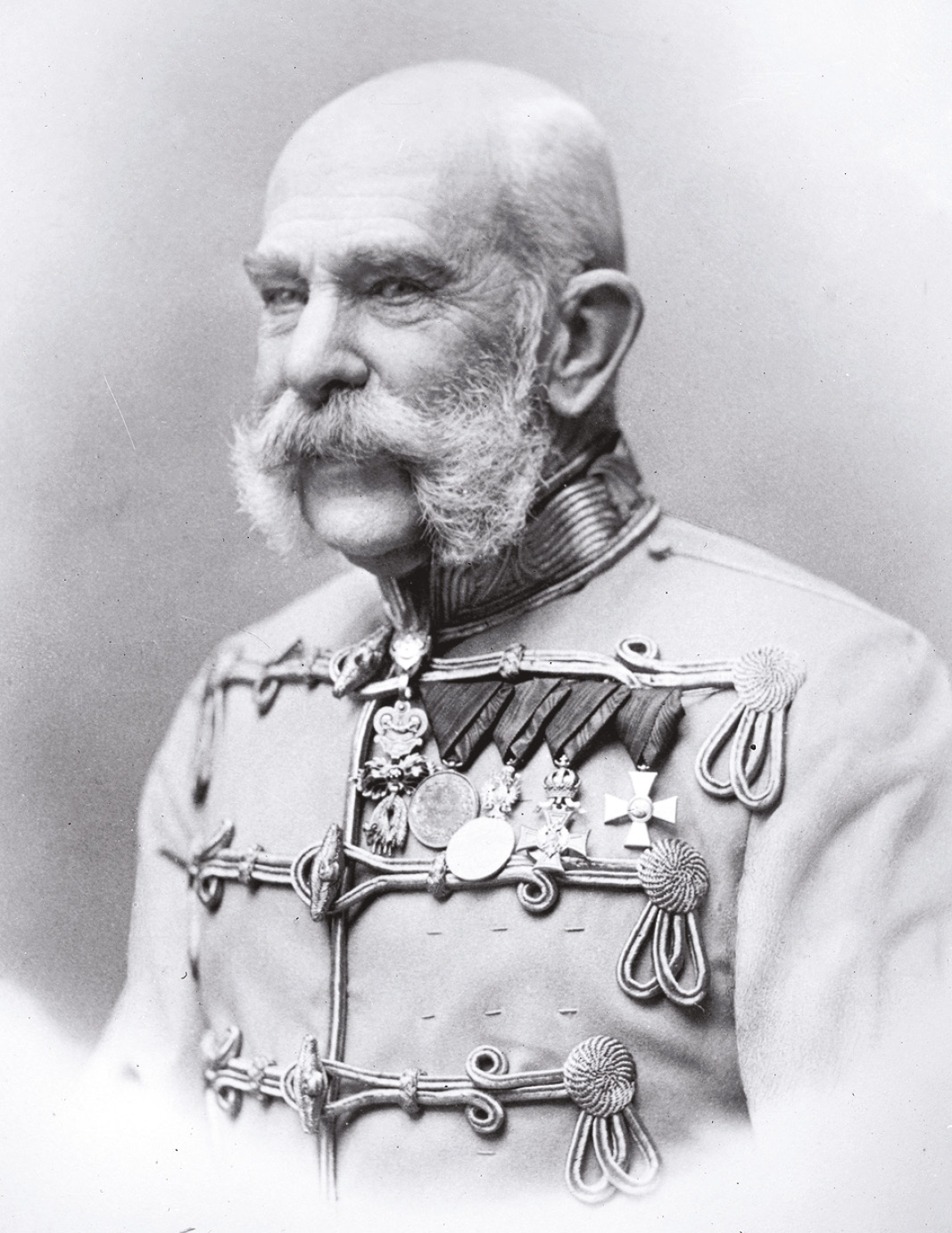
Austria-Hungary’s army was the personal instrument of the ‘Dual Monarchy’ – a unique constitutional structure in which one person served as both Austrian emperor and king of Hungary and Croatia. This was Franz Joseph, ruler since 1848, who celebrated his 84th birthday in August 1914. The empire’s armed forces were divided into three components – the Common Army, which contained two-thirds of Austria-Hungary’s infantry and most of its cavalry and artillery; the Honvéd, based in the empire’s Hungarian lands; and the Landwehr in Austria.
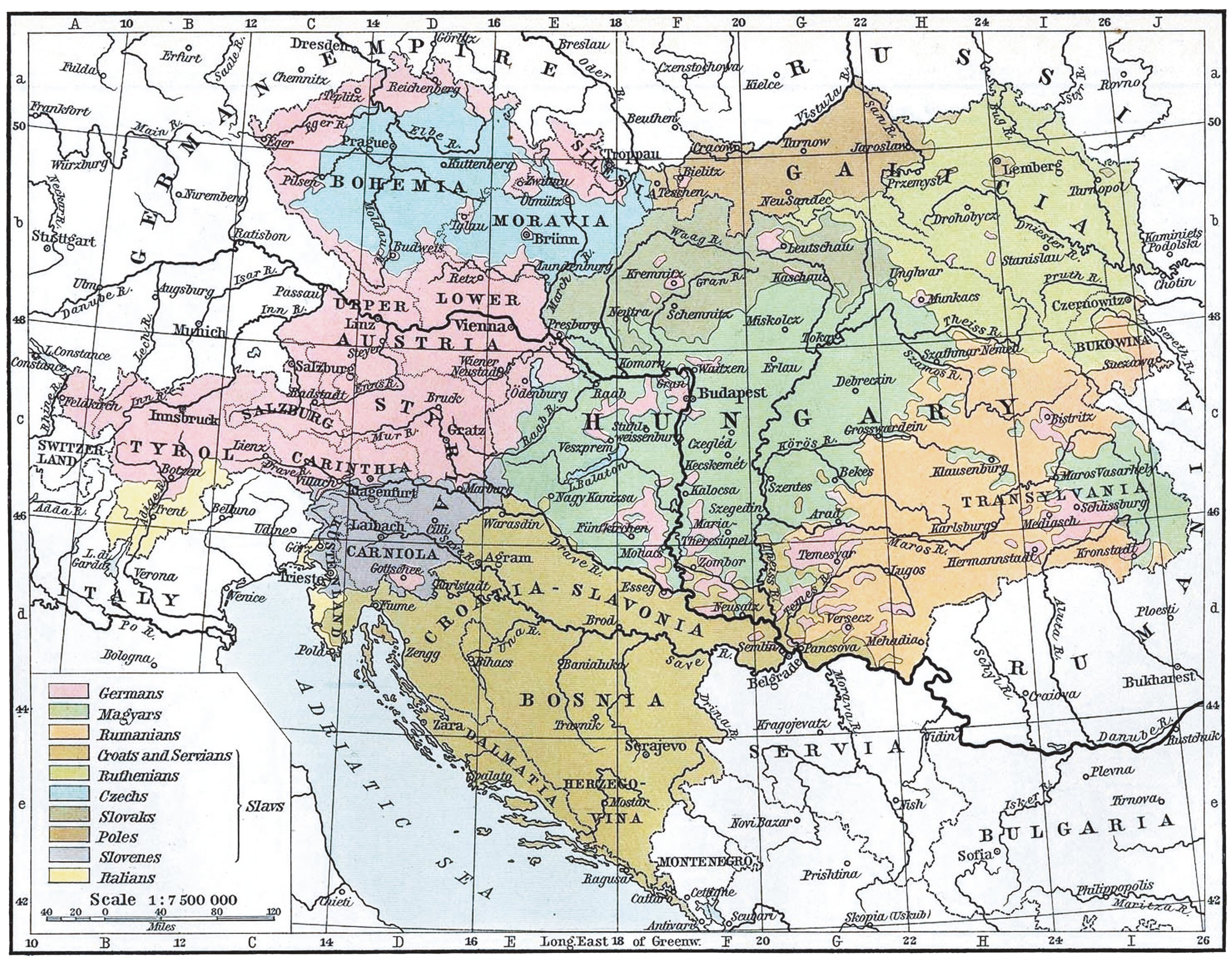
The Common Army comprised soldiers drawn from the many nationalities that made up the empire. Germans and Magyars (Hungary’s dominant ethnic group) together comprised almost half of its strength, with the former accounting for more than three-quarters of the officer corps. The army contained smaller groups of Czechs, Slovaks, Ruthenes, Poles, Slovenes, Serbo-Croats, Romanians, and Italians.
Until the last year of the war, separatist nationalism was not a critical problem for Austria-Hungary’s armed forces. The multinational character of the army did, however, present significant difficulties. Communication issues were overcome by having each soldier learn 80 words in the designated ‘language of command’ – German in the Common Army and Landwehr, Hungarian in the Honvéd – together with about a thousand technical terms.
Numbers were a key weakness. Less than 30% of the Habsburg empire’s young men complied with the peacetime draft, compared with an enlistment rate of 37% in its main antagonist, Russia, and 40% in Germany. As a result, at the outbreak of war Austria-Hungary fielded fewer than 1.8 million troops, whereas Russia had 3.4 million men available. The Honvéd and Landwehr were originally intended as a reserve force, but now counted as first-line troops, so that the army lacked a trained reserve that could step up if losses proved heavy.
The empire’s means were unequal to the plan to which it had signed up.
Austro-Hungarian soldiers had some assets. Infantrymen were issued with a serviceable weapon, the Mannlicher M1895, a quick-loading, clip-fed, bolt-action rifle. The empire’s mountain troops were highly regarded and provided training for the Japanese army. Austria-Hungary also possessed some superb heavy artillery – its Škoda 30.5cm siege howitzers were supplied to Germany to destroy the Belgian border forts at the start of the war. But the field artillery needed for a war of movement was in short supply. Each Common Army division had just 42 field pieces, only two-thirds of which were the latest 80mm M5/8 Feldkanone, whereas a Russian division had 60 guns. The Austrian barrels were of hardened bronze, which made the guns heavier and limited their range and reliability. The lack of modern weaponry reflected a combination of institutional sluggishness and budgetary constraints – the Hungarian parliament was notoriously unwilling to provide the necessary revenue.
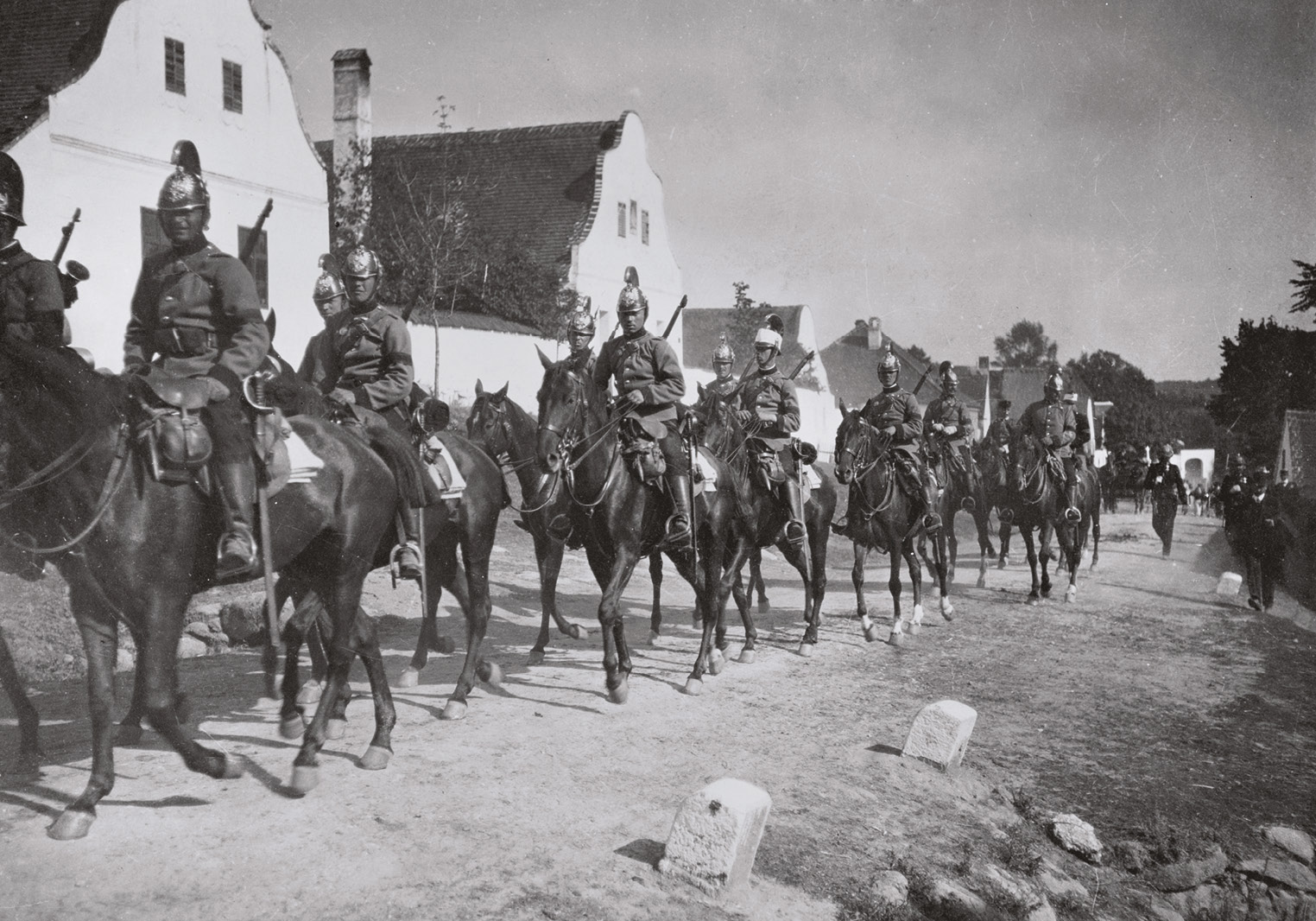
Lack of preparation manifested itself in other areas. The Habsburg cavalry – once the pride of the empire – was disabled in the opening stages of the war, thanks to an untested saddle that rubbed the skin off the horses’ backs. The army leadership put its faith in the infantry, although most recruits lacked proper training. Pre-war manoeuvres had featured slow-moving troops in close formation, with little attempt to promote cooperation with other arms. As the war progressed, high casualty rates forced the authorities to fill gaps by reducing the minimum age requirement from 19 to 18, and extending it at the other end of the scale from 42 to 50. This meant the entry of poorer quality soldiers, who were ill-equipped to cope with the rigours of campaigning.
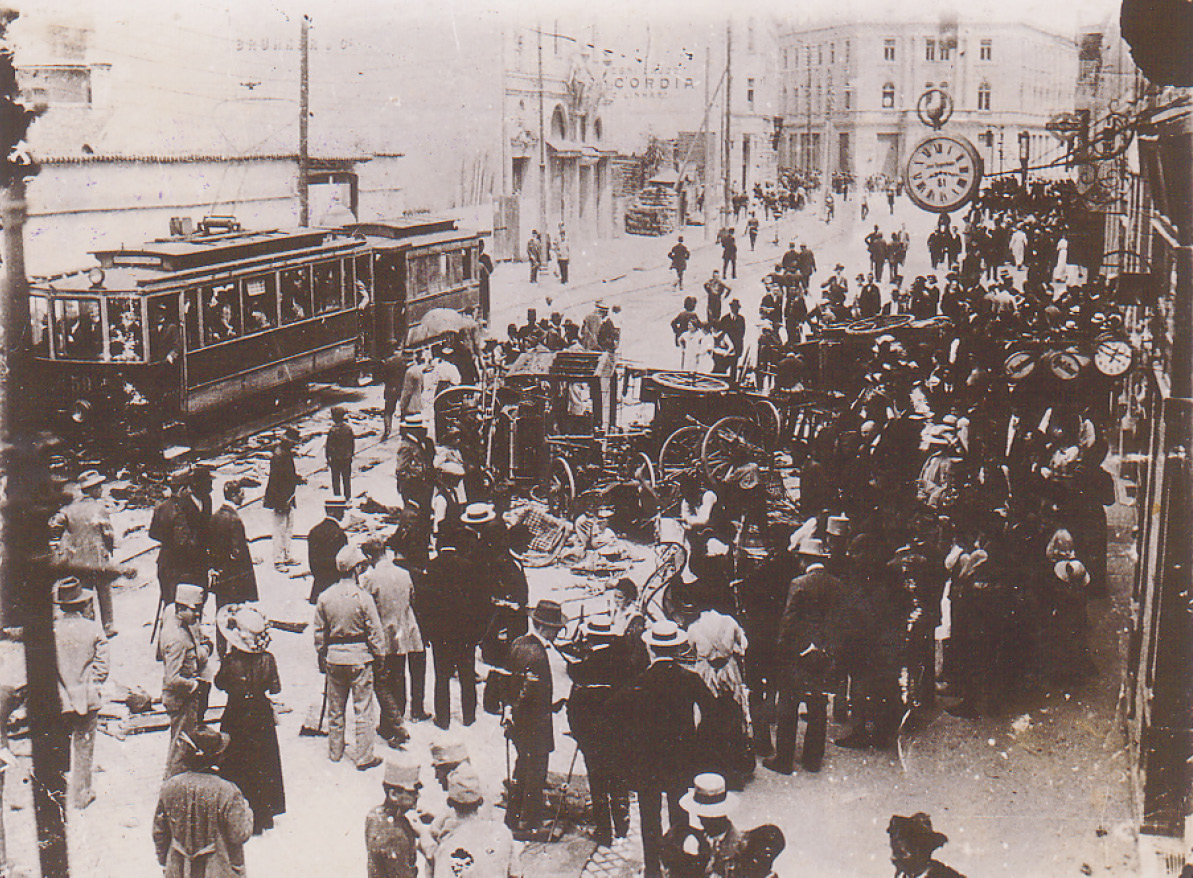
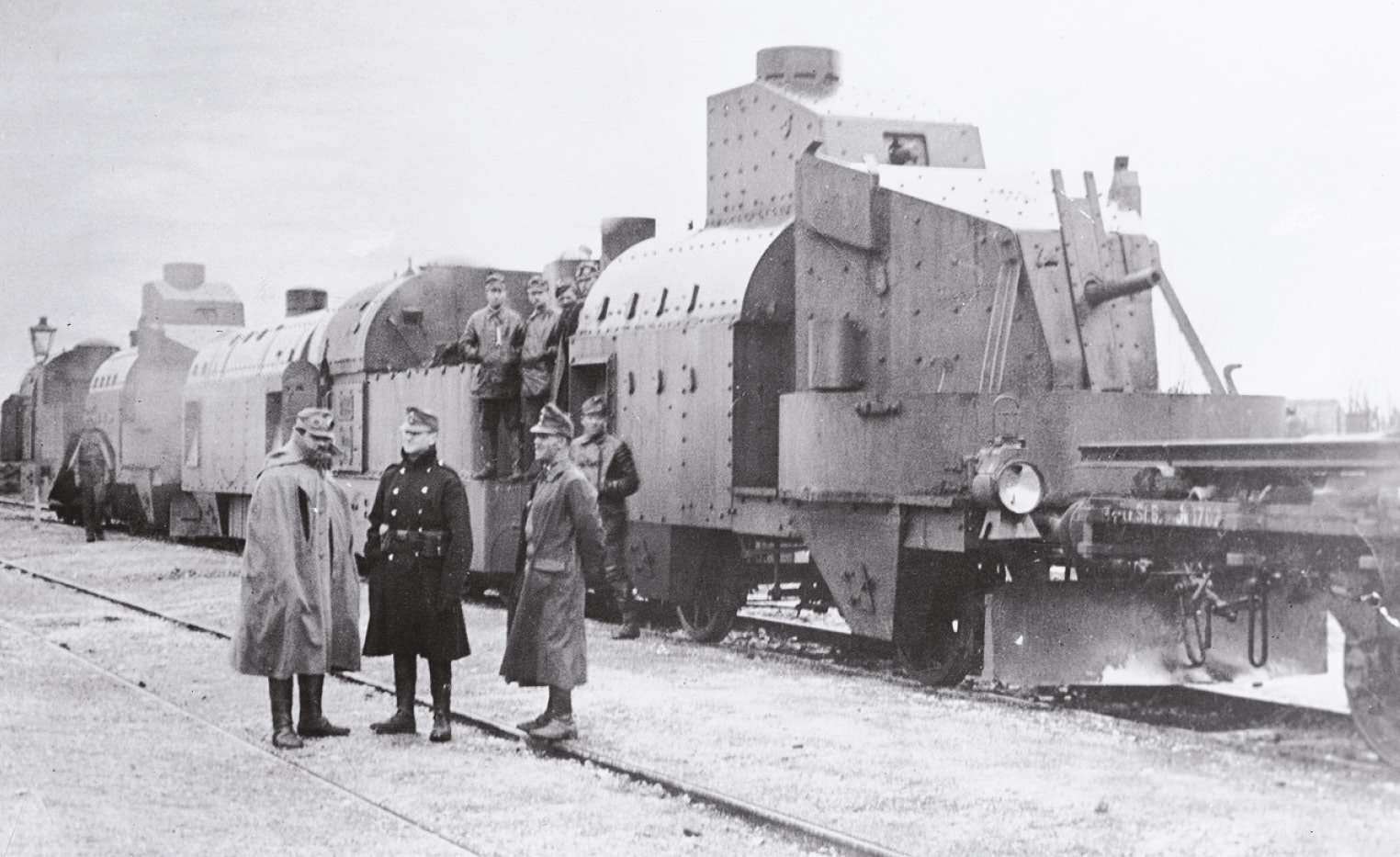
Nor did the high command show much interest in developing technology to compensate for these weaknesses. As early as 1911, Austrian engineer Gunther Burstyn designed a viable armoured fighting vehicle with a swivelling turret, known as the Motorgeschütz (‘motor gun’), but the army declined to place any orders. By 1915, Austria-Hungary had two armoured cars, the Junovicz and the Romfell, but production figures remained in single figures. In the summer of 1914, the empire had no armoured trains, even though these had been known since the American Civil War, and tsarist Russia would make considerable use of them in World War I. It took until midway through the war before Austria-Hungary had a viable model at its disposal, the Panzerzug II, of which nine units entered service.
Opening shots
Behind these organisational and technical weaknesses lay a more fundamental flaw. The empire’s means were simply unequal to the war plan to which it had signed up. At the outbreak of war, Austro-Hungarian forces were expected to hold the Russian ‘steam-roller’ at bay long enough to allow its German ally to defeat France in the west, before switching its attention to the Eastern Front. Instead, by 1915 Austria-Hungary’s inability to play its designated role left it dependent on German support for its survival.
In readiness for coping with a range of possible external threats, the empire’s forces had been divided into three sections of unequal size. ‘A’ Echelon, consisting of 28 infantry and 10 cavalry divisions, was to face Russia in Galicia, Austria’s most northerly province – the borderlands of modern Poland and Ukraine. The Balkan Minimal Group, comprising eight infantry divisions, would be deployed against Serbia. Finally, the 12 infantry divisions and single cavalry division of ‘B’ Echelon stood ready to move either north or south as required.
In the summer of 1914, a combination of slow railway mobilisation and faulty strategic thinking meant that none of this went to plan. Russia possessed four new single-track rail lines and five double-track lines, compared to Austria-Hungary’s seven single-track railways. This meant that Russia could deliver 260 trains a day into the Galician theatre, while Austria-Hungary could send just 153.
The Habsburg army’s chief of staff, Franz Conrad von Hötzendorf, was a strange mixture of brilliant insight and practical incompetence, with an obsessive desire to take the offensive against Serbia. Despite mounting evidence of Russian mobilisation, he insisted on concentrating against Serbia right up to the end of July. When Conrad belatedly tried to divert some of his forces from the Balkans to the Galician front, the general staff’s railways section justifiably complained that this caused ‘endless complications’.
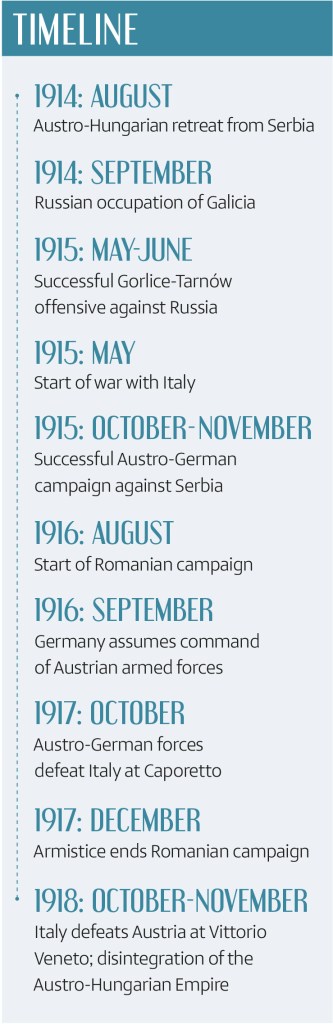
The invasion of Serbia was an unmitigated disaster. Although they were short of modern equipment, the Serbs mobilised efficiently and were capable of enduring the harshest conditions. Habsburg troops under General Oskar Potiorek were slow to cross the fast-flowing Drina River and made limited progress in the stony, wooded hills on the other side. Rushing forward in poorly organised clusters and shooting inaccurately, they were vulnerable to the deadly fire of their dug-in Serbian opponents. With their morale undermined by alternate scorching heat and torrential rain, the Austrians soon retreated, following a determined Serbian counter-attack on Mount Cer.
Two further Austrian invasions of Serbia ensued before the end of 1914. In the third offensive, they briefly took the capital, Belgrade, only to buckle within days under a determined Serbian counter-offensive. The invaders had extended themselves along too wide a front and failed to construct adequate defensive positions. By mid-December, they had abandoned Belgrade and were retreating with a loss of 225,000 casualties. Austria-Hungary had also appalled world opinion by the atrocities its forces committed against Serbian civilians – a paranoid reaction to guerrilla activity, reinforced by an ugly element of ethnic cleansing.
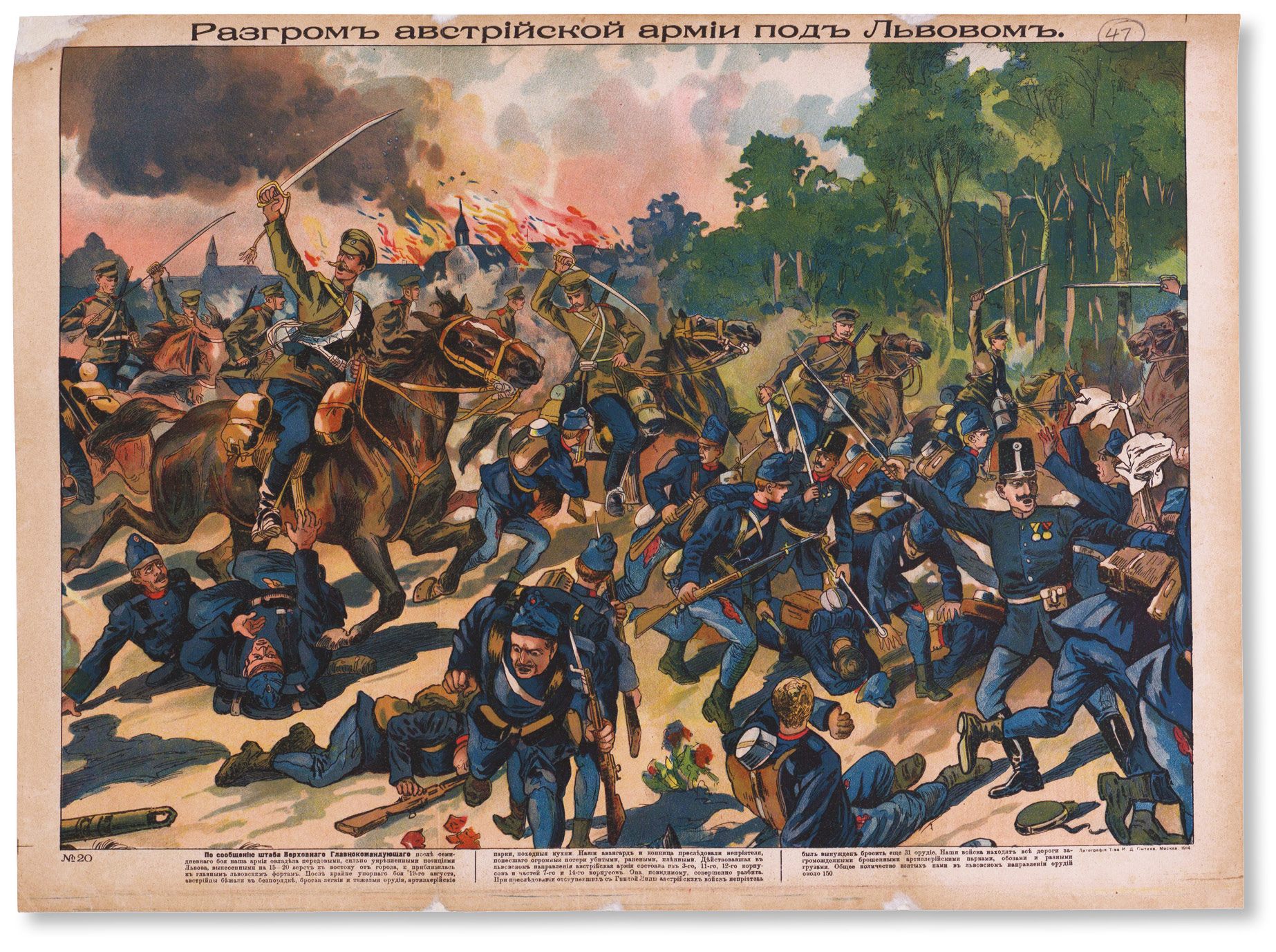
Habsburg forces were no more successful 600 miles to the north in Galicia, where they faced the main Russian thrust. The tsarist army had learned lessons from its defeat in the Russo-Japanese War of 1904-1905. Russian artillery was capable of longer-range indirect fire, while the infantry used their rifles to deliver devastating volleys. The capital of Galicia, Lemberg (modern Lviv), fell to the Russians in September amid chaotic scenes of evacuation.
Worse followed in March 1915 with the capture of Przemyśl, an elaborate ring fortress in southern Galicia. It occupied a strategically important position north of the Carpathian Mountains, at the centre of several major rail routes. A 30-mile perimeter of forts of different sizes was supplemented by cupola-mounted 7.5cm and 15cm guns. This symbol of Habsburg power withstood a Russian siege of 133 days – the longest of the whole war. Icy roads in the Carpathians, which turned to mud with the arrival of spring, hampered Austro-Hungarian relief operations. Despite its advantage in heavy artillery, Przemyśl’s garrison eventually succumbed to exhaustion and hunger. In slaughtering horses to feed his men, the governor sacrificed the only means of moving his guns forward to mount an assault on the enemy lines.
Before surrendering, the defenders fired off their remaining ammunition in a pyrotechnic display likened by a Russian observer to the Last Judgement, and detonated explosives under the fortifications; 117,000 troops were taken into captivity. Historian Alexander Watson, author of the definitive study of the siege, has described it as ‘World War I’s Stalingrad’.
From ally to client
Both the Serbian and Galician campaigns proved disastrous for Austria-Hungary. The empire’s strategy had spectacularly failed, leaving it dependent on its German ally. The high command in Berlin was initially reluctant to comply with Habsburg requests for assistance. At a meeting in December 1914, Conrad’s opposite number, General Erich von Falkenhayn, rebuffed his proposal of a major joint offensive on the Eastern Front: ‘What about the west in the meantime?’, he asked. ‘If the German front were broken through there, all the victories against Russia would be no use.’
By April 1915, however, with Italy about to enter the war on the allied side, German leaders feared the imminent collapse of the Habsburg empire. To save the alliance, they had no choice but to commit significant numbers to the east. The outcome was the Gorlice-Tarnów offensive, a determined attempt to break Russia’s control of Galicia. A combined force of eight Habsburg divisions and ten German divisions brought some 220,000 troops and 900 guns to bear, slightly outnumbering and definitely outclassing the tsarist 3rd Army. The joint force commander, General August von Mackensen, was German.
In marked contrast to Austria-Hungary’s solo efforts the previous year, the campaign was a stunning success. An intense, well-targeted artillery bombardment at the start of May paved the way for a relentless Austro-German infantry advance, while the Russians struggled to bring up reinforcements and suffered from a crippling shell shortage. By late June, they were withdrawing from Galicia, having taken 100,000 casualties and with a further 250,000 troops in captivity. The Russians had also lost a large quantity of weapons and equipment, which their limited industrial capacity could not easily replace.
Gorlice-Tarnów relieved the pressure on Austria-Hungary at a critical time, as it now faced the challenge of a new front with Italy (see accompanying feature on p.26). The threat of a Russian breakthrough in the Carpathians, which would potentially have opened the way to the occupation of the empire’s Hungarian lands, was lifted. But success on this scale would not have been possible had the Austro-Hungarian forces been left to their own devices. Mackensen pointedly remarked on how well they fought alongside their German allies: ‘It is strange how the proximity of the pickelhaube [the spiked helmet worn by German soldiers up to 1916] affects their attitude in battle,’ he said. He tactfully allowed the Austrians to be first to enter Lemberg after it was retaken.
For the rest of the war, Austria-Hungary had no significant successes without the involvement of its more powerful partner. Conrad’s pride was hurt by having to accept Mackensen as the overall commander for the final push against Serbia – but it was a combined force of German, Austrian, and Bulgarian troops that eventually overran the kingdom in the autumn of 1915. A year later the three powers, supported by an Ottoman contingent, defeated Romania, which had belatedly entered the war on the allied side. Italy’s defeat at Caporetto in October-November 1917 was achieved only through the stiffening of Austro-Hungarian forces with German troops.
The Austro-Hungarian invasion of Serbia was an unmitigated disaster.
By then, the Germans had compelled Austria-Hungary to accept their reorganisation of its army. Habsburg troops were retrained and supplied with German artillery and machine-guns. Even the Austrian ‘pike grey’ uniform was replaced by German field grey. From September 1916, Germany’s Emperor Kaiser Wilhelm II was formally recognised as exercising ‘supreme command’ of the armed forces of Austria-Hungary and the other Central Powers. After Emperor Karl I, who succeeded Franz Joseph in November 1916, was discovered seeking a separate peace, the Germans insisted on binding Austria-Hungary even more tightly to the alliance.
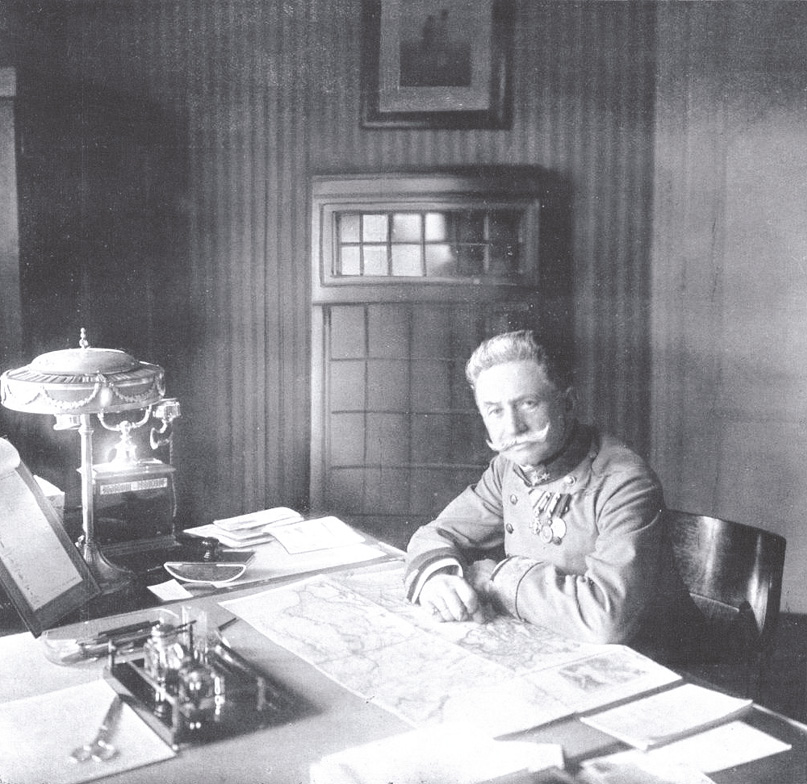
Franz Conrad von Hötzendorf (1852-1925)
Conrad was Austria-Hungary’s Chief of General Staff from 1906 to 1917, apart from a brief interval, and its key military planner. He had persistently advocated preventive war against Serbia, whose expansionist aims he mistrusted. In the summer of 1914, he was distracted from his responsibilities by his pursuit of a married woman who was undergoing a complicated divorce. Conrad underestimated the challenges of fighting both Russia and Serbia, and failed to match Austro-Hungarian capabilities to the realities of war. Based in his distant headquarters at Teschen (modern Cieszyn in southern Poland), he reportedly visited the battlefront just three times. After the accession of Karl I as emperor in November 1916, Conrad was removed from command. He blamed others – politicians, the court, the Germans – rather than himself for the army’s failure.
Towards collapse
Had the Central Powers won the war, Austria-Hungary would have been reduced to the status of a German satellite. Instead, in 1917-1918 the empire began to split at the seams. Poles, Czechs, and South Slavs (Slovenes, Croats, and Serbs) all pushed for greater self-determination. The semi-autonomous Hungarian kingdom called for an independent army of its own – a demand that the government in Vienna refused to contemplate until after the war. In October-November 1918, the empire finally broke down into its component parts, with new nation-states emerging from the ruins.
Nationalist tensions were compounded by a worsening economic situation. Austria-Hungary’s dependence on loans and central bank credits to finance the war had an inflationary effect worse than in other combatant states. By 1917, the country’s industrial base, which initially performed reasonably well, was suffering from a lack of fuel and raw materials, exacerbated by a near-collapse of the rail system. The more urbanised Austrian part of the empire in particular was also facing chronic food shortages.
Limited rations and a failure to provide basic equipment – uniforms were now made of inferior recycled materials – undermined the morale of the army. Its strength fell by 550,000 in 1917-1918, largely through mounting desertions and the diversion of troops to maintain order on the home front. Prisoners of war who returned from captivity in Russia, following the November 1917 Bolshevik revolution, were quarantined in an abortive bid to stop the spread of subversive ideas in the ranks. Exhausted by the continuation of the war, the Austro-Hungarian army had reached the limits of its endurance. In the autumn of 1918, as it fragmented along ethnic lines, its units returned to their homes for the last time across the collapsing empire.
All images: Wikimedia Commons, unless otherwise stated
You can read the second part by Graham Goodlad on Austria-Hungary’s failure to achieve victory against Italy here and find Calum Henderson's infographics here