Subscribe now for full access and no adverts
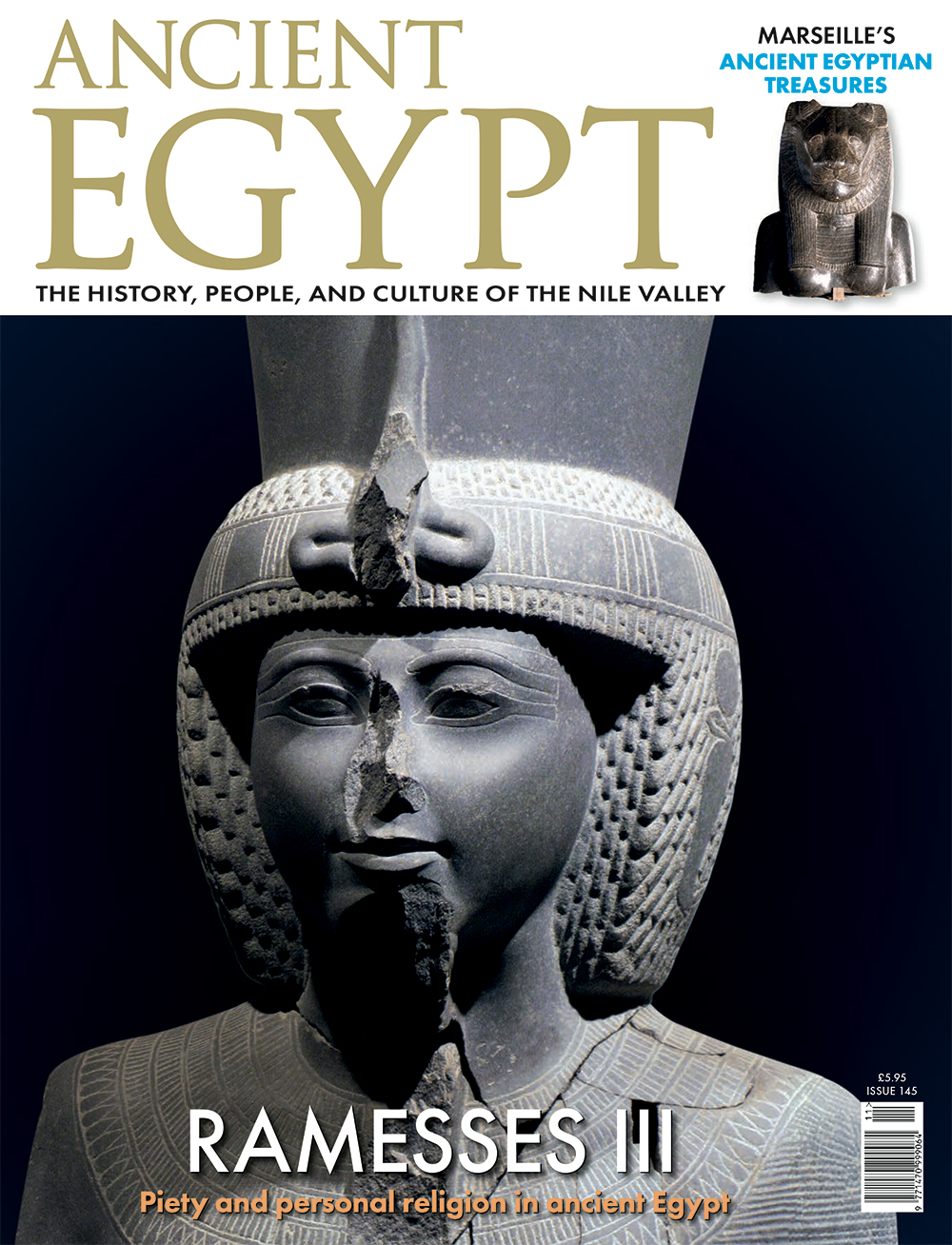
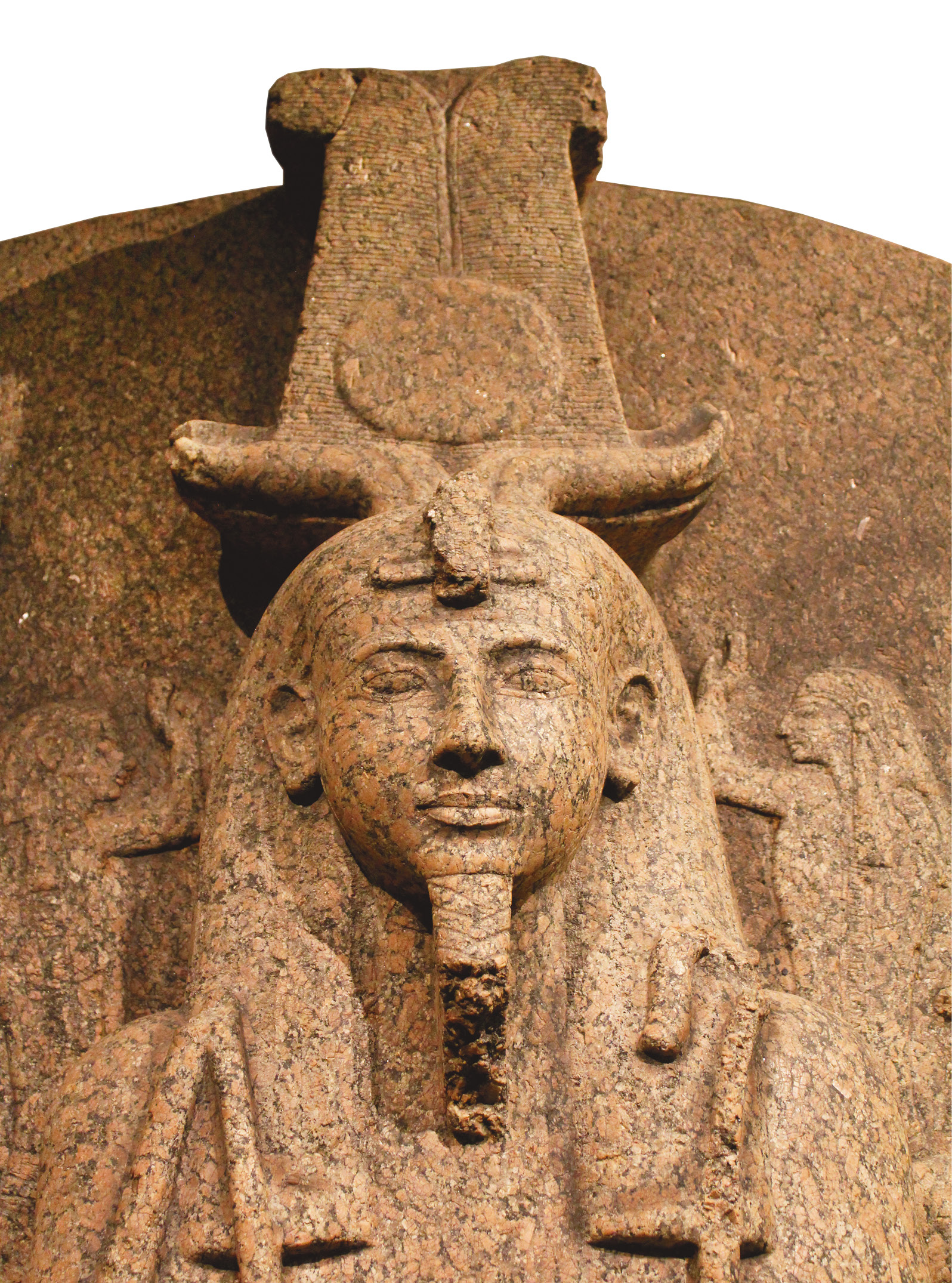
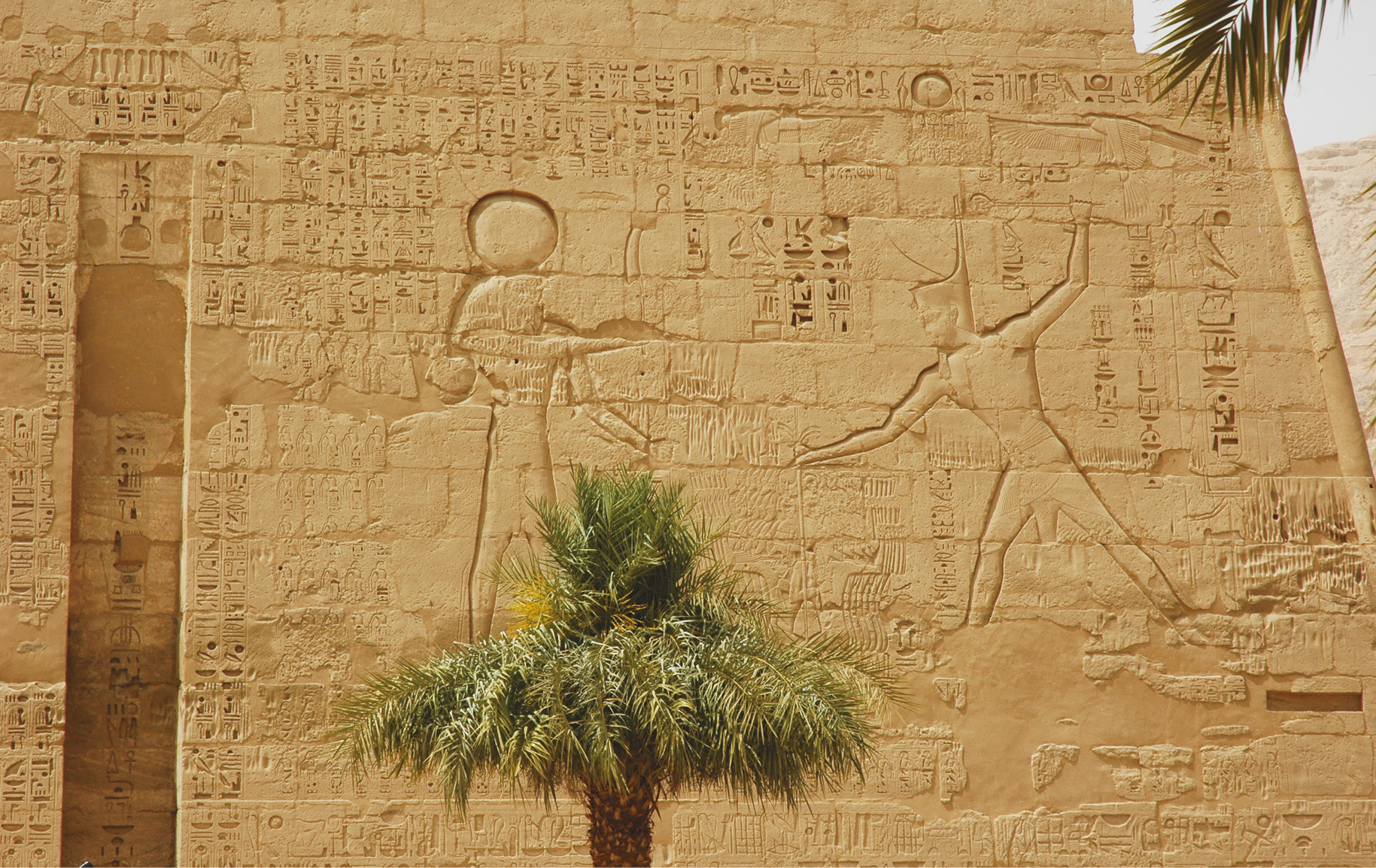
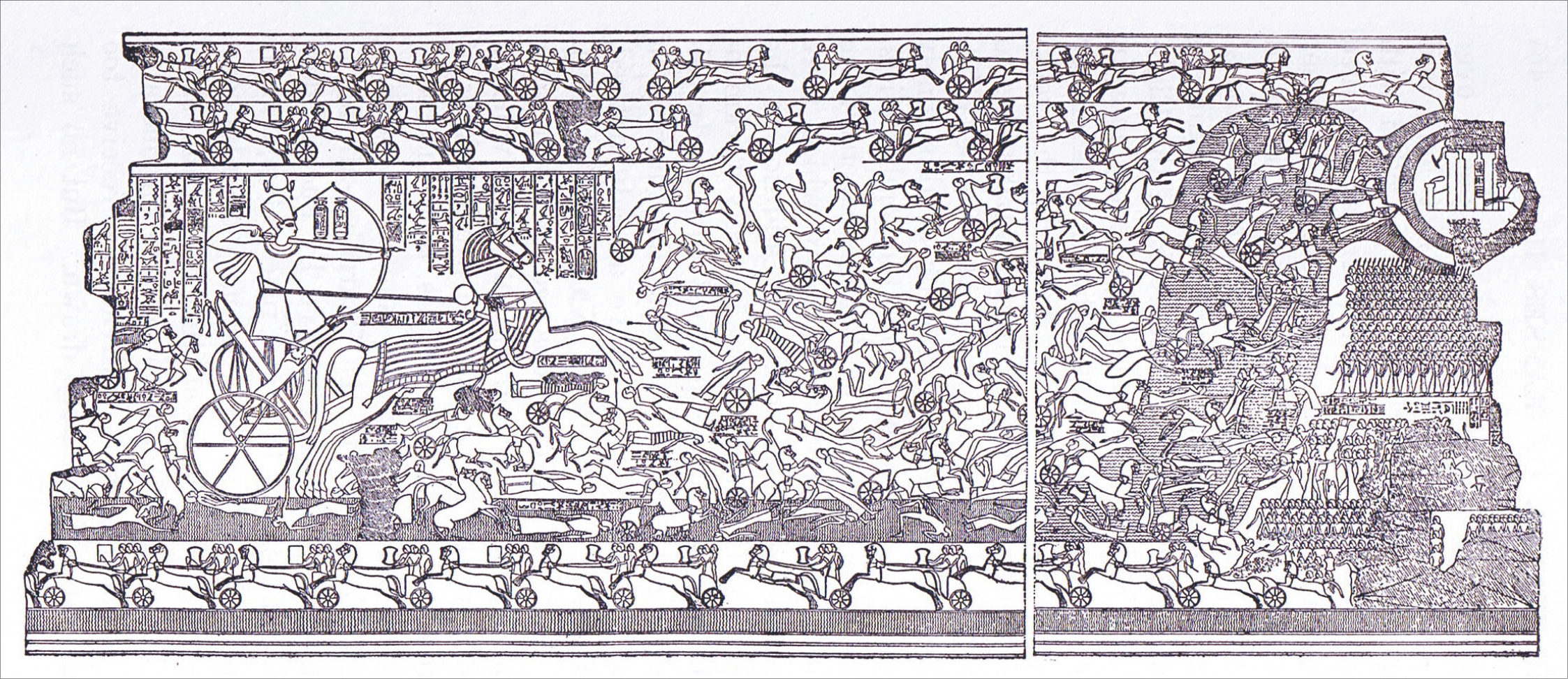
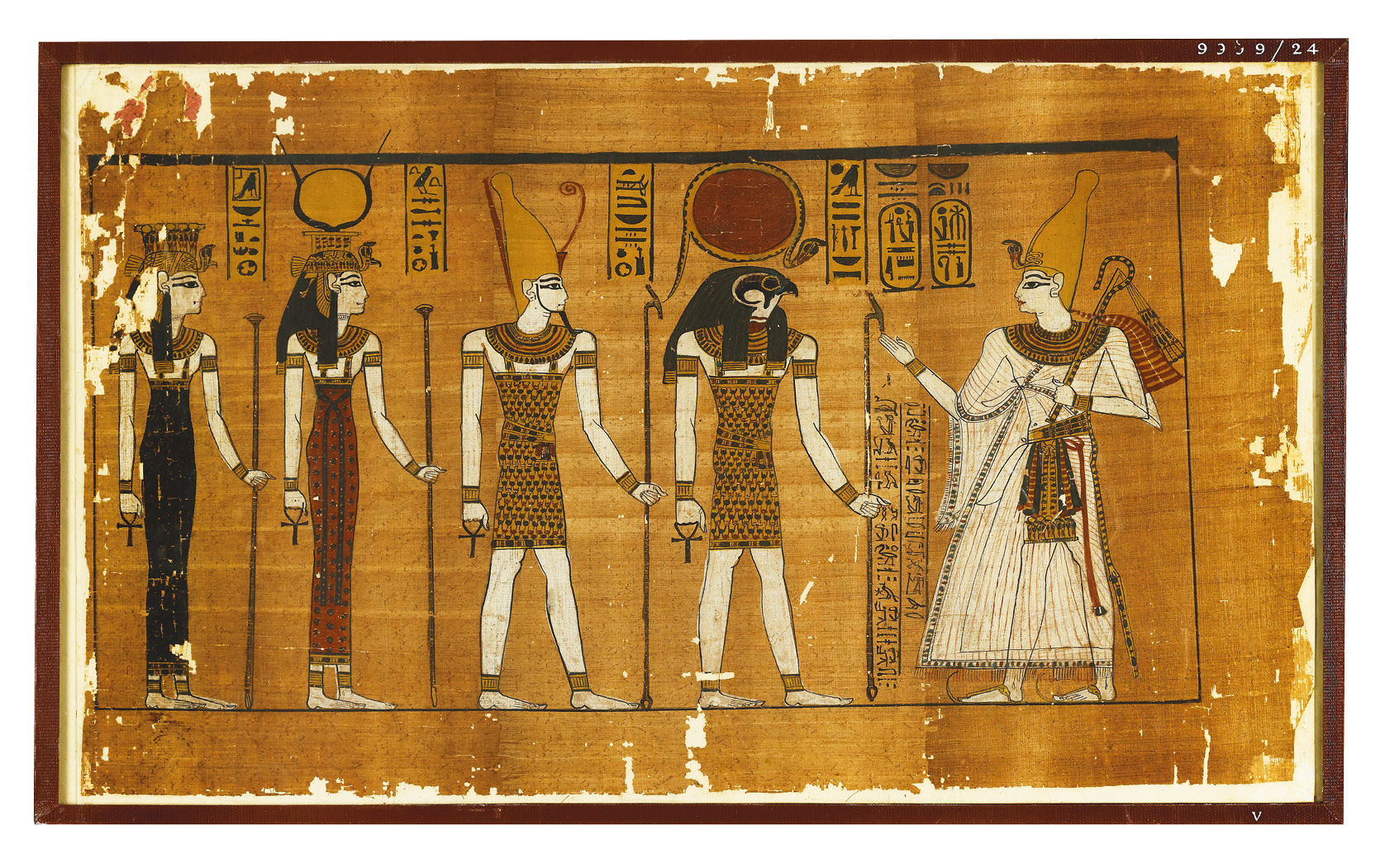
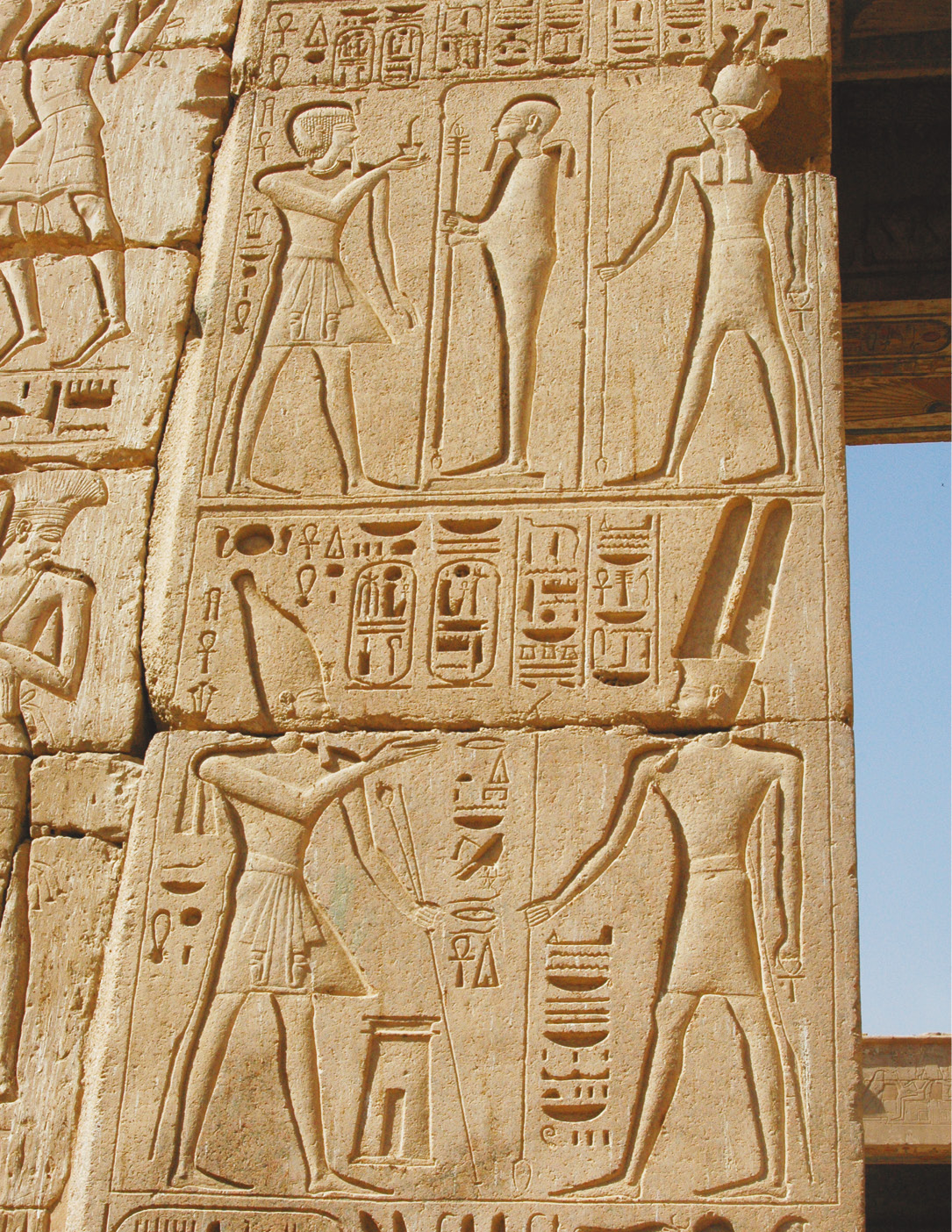
Ramesses III (c.1184-1153 BC), second king of the Twentieth Dynasty, is considered the last great ruler of ancient Egypt. Modelling himself on the great pharaohs of the past – in particular, his namesake Ramesses II – he presented himself as a successful warrior- king, marking his military prowess in reliefs at Karnak and his ‘mortuary temple’ at Medinet Habu.
In reality, he had inherited an empire with serious socio-economic problems, under threat from the great political changes that were sweeping across the ancient Near East. Yet his reign is remarkable because of the socio-cultural changes happening in Egyptian society at this time – notably the significant religious development in the area of the people’s relationship with the gods, and the relationship between the gods and the Egyptian king. While the picture of Ramesses as the all-conquering king has dominated historical thought, there is another equally important image of the king: that of a pious ruler who bends to the will of the gods.
Personal religion
‘Personal religion’ is one of the most interesting and influential historico-religious phenomena in ancient Egypt. The concept of a personal relationship between the individual and divinity, regardless of the status or power of that individual, was extraordinary. It stemmed from a tradition rooted in teachings from the Old and Middle Kingdom, but it was during the New Kingdom that a novel religious dimension emerged, with significant impact on all levels of Egyptian society.

In the early Eighteenth Dynasty, there was a reimagining of the nature of the contact between the gods and the people, with changes to cultic life and the roles of the religious participants. Individuals were expected to follow the will of the divinity by acting in a good and righteous way. The divinity was seen as a generous father caring for his children, or as a shepherd caring for his flock. The idea of the ‘good shepherd’ creator god is one of the essential motifs in the concept of the personal religion, and is seen in Middle Kingdom texts such as the Teaching of Merykara. The god is presented as a generous creator of all things in nature and the cosmic world, and he cares about his people in a very positive and personal way:
Serve God, that he may do the like for you, with offerings for replenishing the altars and with carving; it is that which will show forth your name, and God is aware of whoever serves him. Provide for men, the cattle of God, for he made heaven and earth at their desire.
The Papyrus Boulaq 17 (P.Kairo CG 58038), from the time Amenhotep II (c.1427-1400 BC), is the earliest written testimony for the idea of a creator-god who is distinguished by his uniqueness as the ‘one and only’ source of life, the creator of all things, who guides the fate of the world – another essential aspect of the phenomenon of personal religion. The god always listens to the prayers of the common people, and acts as an impartial judge, incorruptible and fair:
Amun-Ra, the first, who was king,
the god of earliest, the vizier of the poor!
He does not take bribes from the guilty,
he does not speak to the witness,
he does not look at him who promises,
Amun judges the country with his fingers,
he speaks to the heart,
he judges the guilty,
he assigned him to the East,
the righteous to the West.
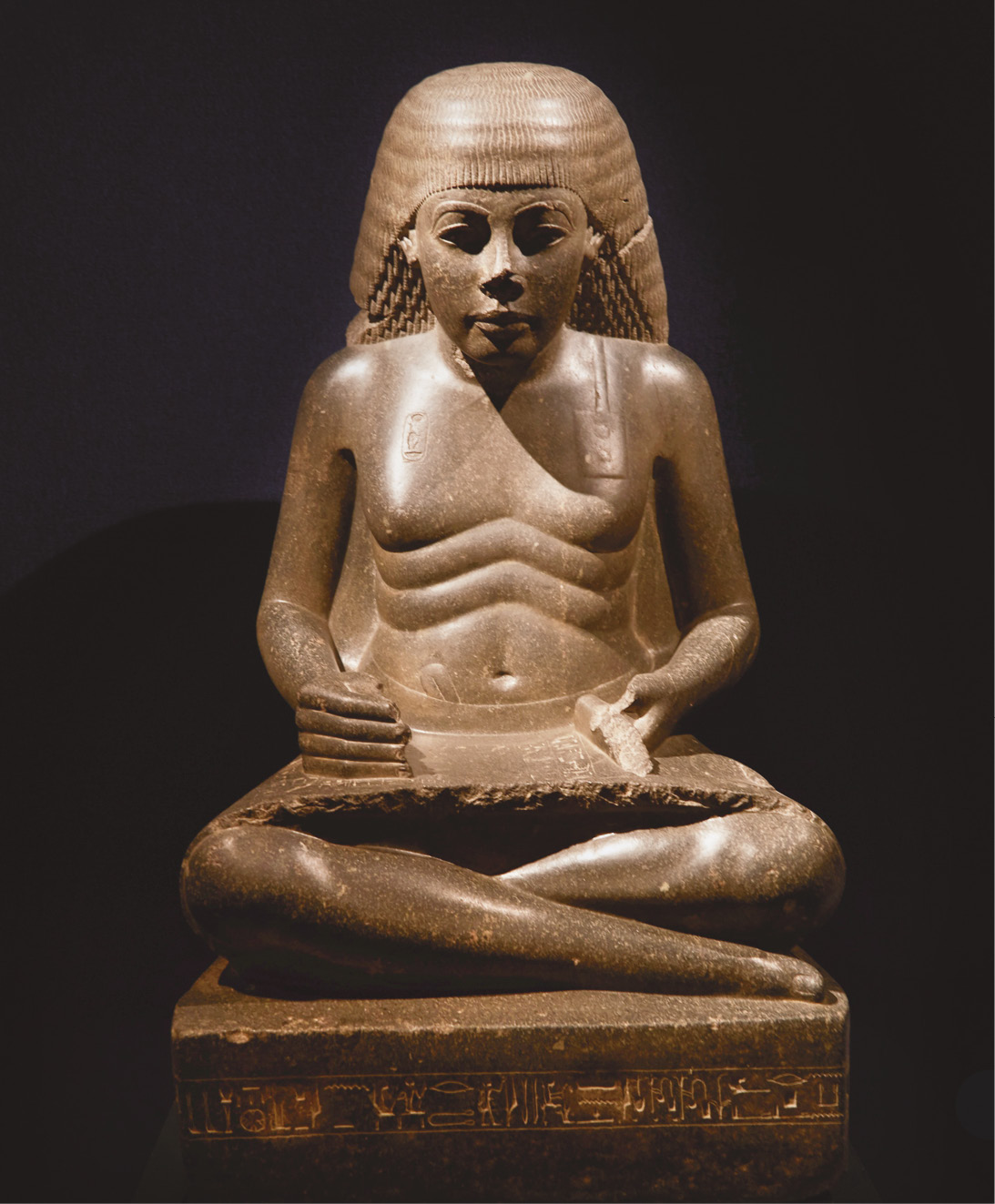
There is no one special form for this god – which was usually Amun-Ra, the most powerful god of the Egyptian pantheon at the beginning of the New Kingdom. One of his most important characteristics was his secret, hidden nature, which was partially revealed to the populace through the media of light, air, and the River Nile. This special kind of personal trust, with direct and open contact between the people and the deities, was independent of any religious support or control by the priests acting as representatives and cultic messengers of the king. As no third person was needed as a mediator to establish the spiritual exchange between the divine and the human world, the position of the pharaoh as chief priest and mediator changed. Now a common person could play this special role, acting as a speaker of the gods. For example, a statue of Amenhotep Son of Hapu, the famous official of Amenhotep III, possesses an inscription inviting the people to tell him their affairs so he can present them to the gods:
You people of Karnak, who wanted to see Amun, come to me!
I sign your petitions. I am the intercessor of this god.
This approachability of the god for the common people signifies a loss of status for the king, who is no longer the only contact between the realms of the living and the divine.
The early Eighteenth Dynasty also saw significant changes to cultic practices that regulated the spiritual exchange between men and deities. There emerged a special form of manifestation of the divine element in the contact between the divinity and the king in the form of omens, dreams, and oracles through which the deity could impart his or her intentions. The oracles of Amun-Ra for Thutmose III and Hatshepsut are excellent examples, demonstrating divine desire and serving as tools for the legitimisation and election of these rulers.
The Ramesside Period
Personal piety developed further during the Nineteenth Dynasty, a period of immense political, religious, and cultural change. The relationship between the king and the gods changed too, as reflected in the Poem of Pentaur.
The Poem, part of Ramesses II’s monumental iconographical programme for temples across Egypt, describes the confrontation between Egypt and the Hittite king Muwatalli II in the year 1274 BC. Ramesses II tells us how bravely he fought against a mighty enemy. In a moment of great danger on the battlefield, he offered a prayer to Amun-Ra, calling for salvation, and reminding the god that a father never ignores his son. The sudden arrival of relief troops was a sign that Amun-Ra had heard the king’s call. This again highlights one of the main aspects of personal religion: the ability to call for help from a generous and merciful god who cares for his people. Ramesses II emphasises this with the use of gmi as the word for ‘find’, a special expression used to reflect his unique experience – realising and understanding the might of the divinity at this special moment:
I found Amun more useful than millions of infantry, than thousands of chariotry, and than ten thousand of brothers and children united with one heart. There is no work of many men but Amun is useful to them.
This passage, where the king openly confesses to finding himself in a situation of danger, fear, and loneliness, compelling him to call for divine help, is an extraordinary admission for an official royal text, and a unique example of the motifs of personal religion in a royal inscription.
The piety of Ramesses III
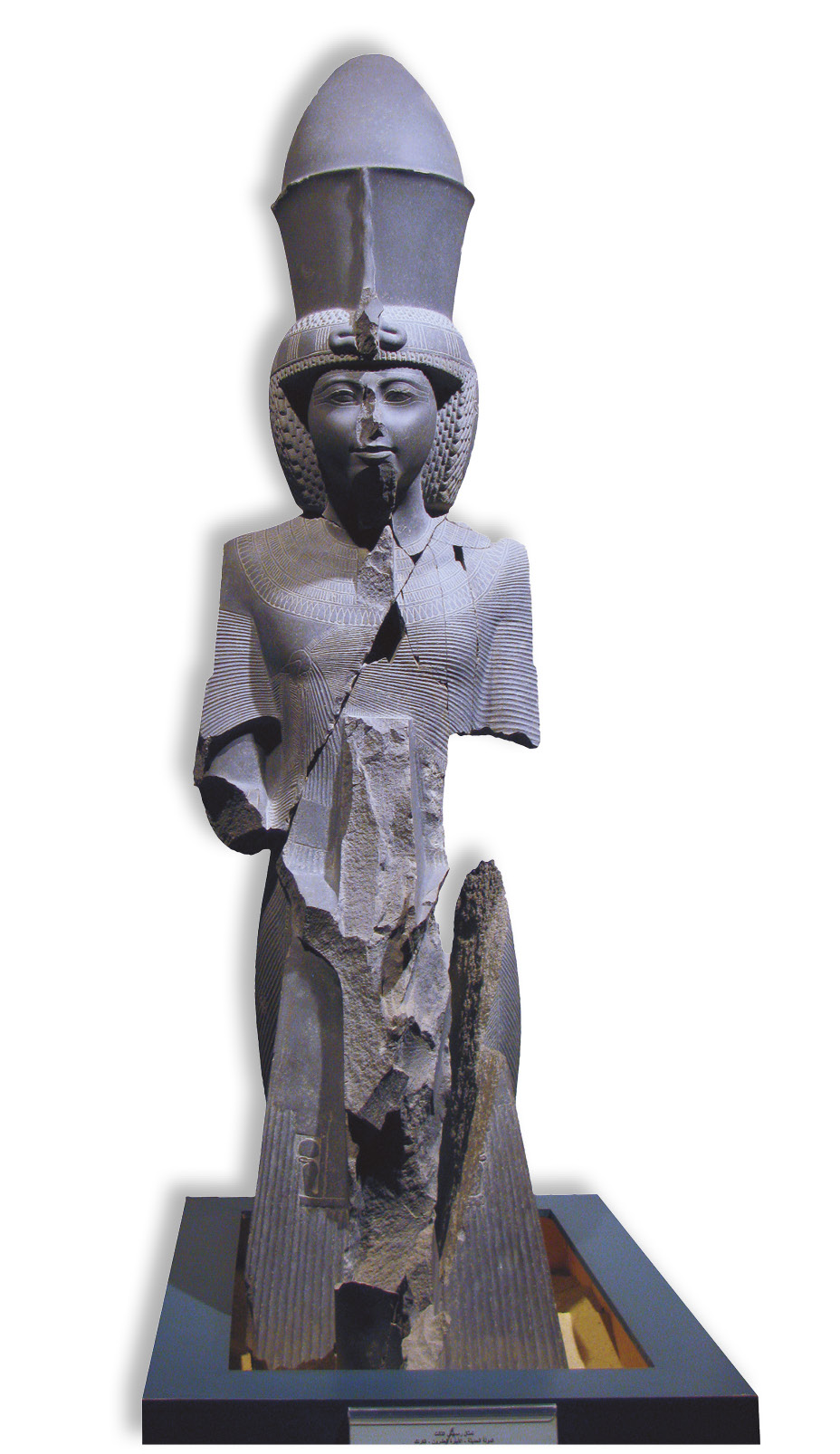
Ramesses III was highly influenced by his namesake and role model, copying Ramesses II’s style in his own self- presentation programme in literature, art, and architecture. But he was also an extraordinarily pious king who used the language of personal religion in his texts and inscriptions.
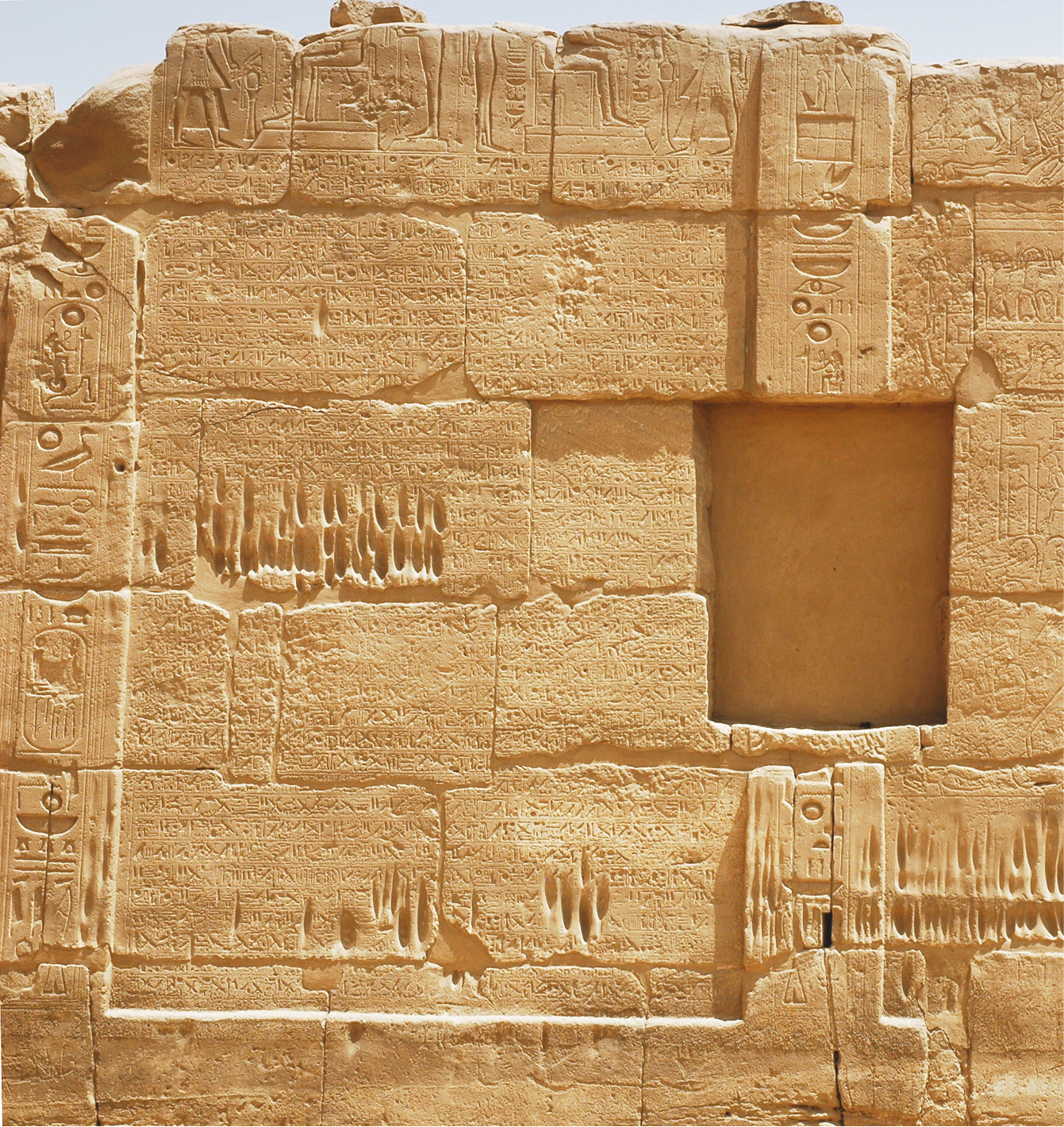
He was the first king since Akhenaten to write a hymn, inscribed in the Amun-Temple of Ramesses III at Karnak. The text is an appreciation of the greatness of the god, but in terms of personal piety:
Mighty are You, as Lord of the Gods,
as the Ram mysterious of faces, greatly renowned.
Hidden of Name, whose image is concealed,
whose nature is unknown since the beginning [first occasion]
you appearing from the Deep [Nun],
you rising with sunbeams,
O that You give light to every eye that was in darkness.
Your complexion is the sunlight and your warmth is vital heat[?],
all noble precious stones mingle [with/in] your body.
Your limbs are breath to every nostril,
people breathe by you, to live,
the taste of you is the Nile-flood,
people are anointed with [your] radiance,
beneficial are you[…], Lord/ all […], […] love.
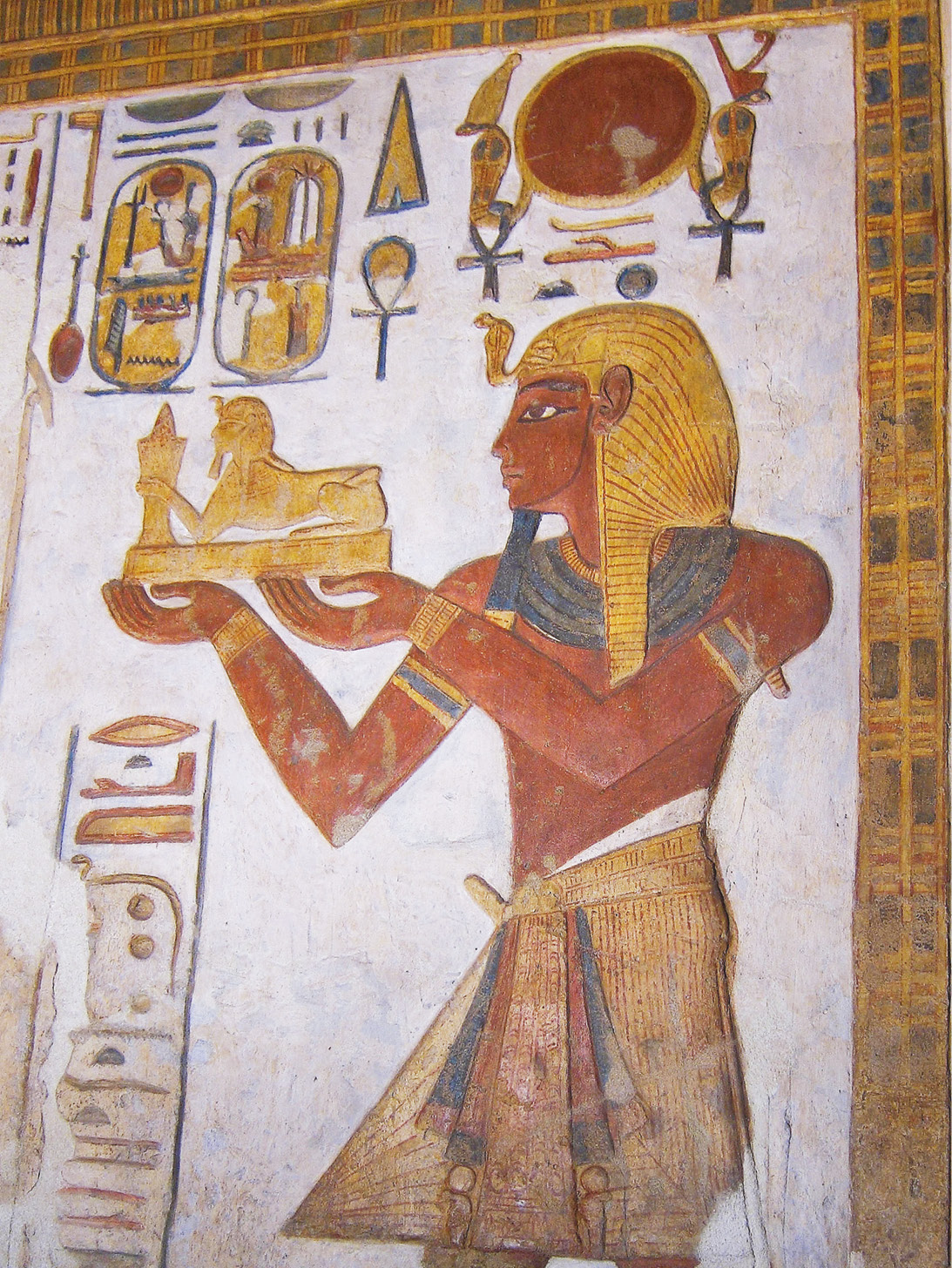
Here Ramesses III speaks directly to the divinity and emphasises the important hidden aspect of Amun-Ra, manifested through the media of light, water, and air.
Many previous kings emphasised their nearness to the god, highlighting how they constructed temples and made donations to honour him. The royal literature of Ramesses III, however, goes further, using the motifs of personal religion in a special way to promote him as a pious king who submits to the will and decisions of the gods. A good example of this is in the Great Harris Papyrus, which lists an enormous number of donations and gifts given to the Temple of Amun-Ra (and other temples) by the king to show loyalty and gratitude through piety.
Alongside, Ramesses III records his speeches, made directly to Amun-Ra, which emphasise the god’s absolute power:
I am your son. I came forth from you; you assigned me to be King while I was [yet] in the egg, while no other hand was with me except your[s]. I rely on your mighty utterance, and I am filled with your counsels, in performing for you with a loving heart.
Ramesses III shows himself as the son of Amun-Ra, who was king since his formation in the womb – a well-used topic of royal self-presentation for every pharaoh, and part of their legitimisation. But what is special about this statement is that the king relies on the decisions and will of the deity. He tries to fulfil the expectations of the god with a loving heart – another expression of personal religion, reflecting a worshipper’s intense feeling of gratitude to the divinity, and one that can be found in the prayers of the common people as well. For millennia, the Egyptian pharaoh was a powerful ruler, making his own decisions. Now it is the will of the gods that dominates the course of history:
You set a lifespan, You fix Destiny,
Fate and Fortune are governed by Your decree.
There is no god who is your equal,
but You alone are the Maker, of whatever exist[s]
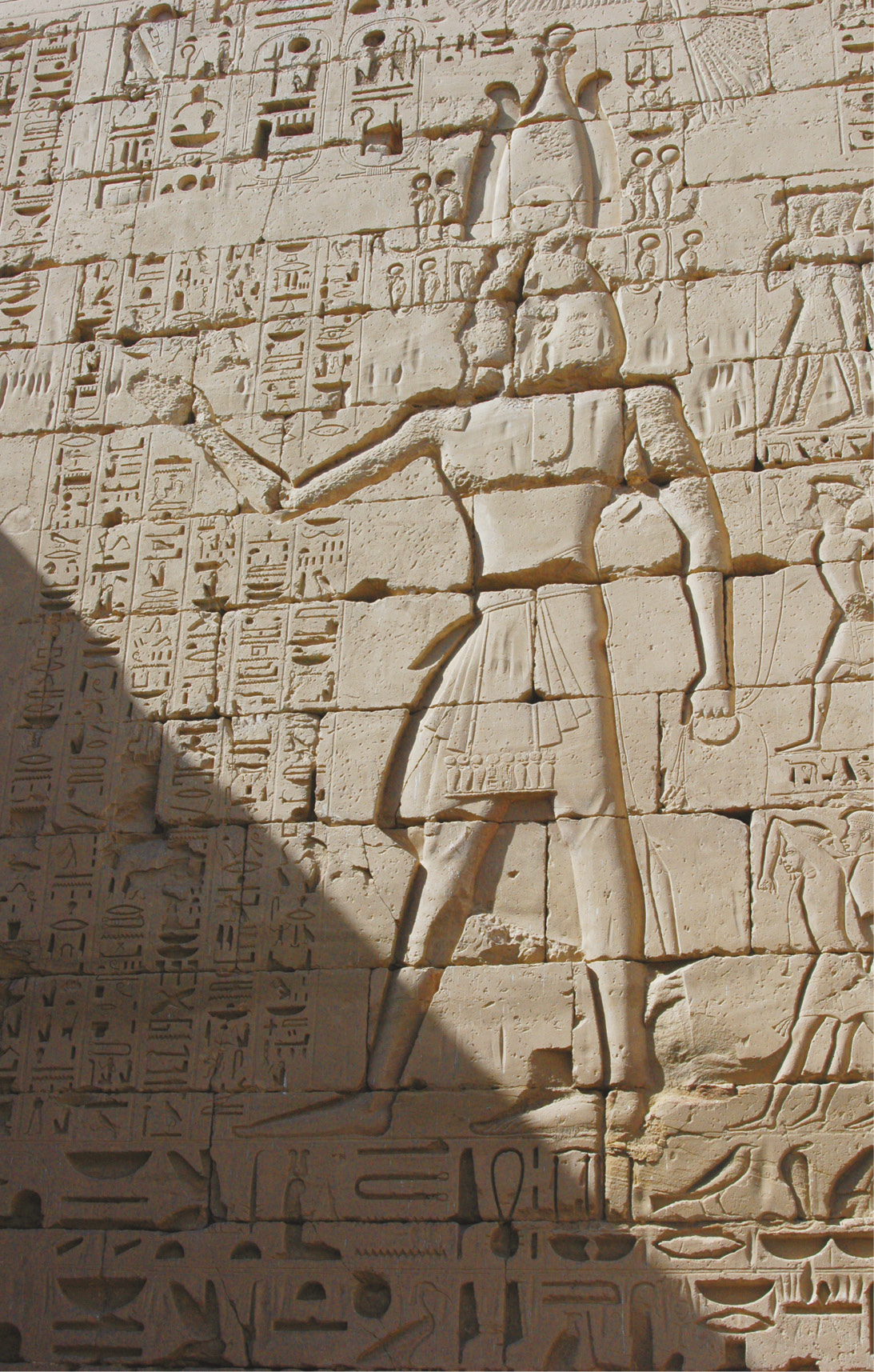
Ramesses III still presented himself as a powerful warrior king in his reliefs and inscriptions, with monumental reliefs of the pharaoh smiting the enemy and bringing sacrifices to the deities in the accepted royal tradition. By contrast, his religious texts portray the idea of a pious sovereign, who is the son of the gods and their first worshipper. He is modest and inspired by the wish to serve the god and submit himself to their divine will. This reflects a new intensive religious presence that is extraordinary in the royal literature of ancient Egypt.
The rise of the priesthood
The reign of Ramesses III was therefore marked by religious and cultural changes that led to a new relationship between Egyptians and their gods – a development that influenced the way the king presented himself and his contact with the divine world. The idea of personal religion allowed direct contact between worshippers and the gods with no other mediator. The pharaoh was still the son of the god, but now he was on the same level as the common people – no longer chief-priest and sole mediator. His actions were increasingly dependent on the divine will of the gods, who often spoke through oracles. However, this new method of divine communication required interpretation by the priesthood, giving them greater powers, while making the king less mighty within the religious arena. The king could no longer use religion as a tool to control the masses, while the Amun-Ra priesthood grew in power, political influence, and wealth throughout the late Ramesside Period, eventually leading to the new state of theocracy that would characterise the Third Intermediate Period.
Diana Liesegang holds an MA from the University of Heidelberg. You can read her article on the diplomatic correspondence of Nefertari and the Hittite queen Puduhepa in AE 119.
Further reading:
• D Liesegang (2017) ‘The reign of Ramesses III – under the influence of personal religion’, in Studies in Ancient Art and Civilization 21: 53-66.
• E Teeter (2011) Religion and Ritual in Ancient Egypt (Cambridge University Press).