Subscribe now for full access and no adverts
Marseille, the oldest city in France was founded under its ancient name Massalia around 600 BC by Greek colonists from Phocaea, one of the northernmost Ionian cities, located in present-day Turkey. Its large and strategically located port played a significant role in antiquity and continues to do so today, serving as a vital gateway for trade and transportation between Europe, Africa, and the Middle East. It served as a hub for colonial activities, particularly for missions abroad, such as expeditions to Egypt, which have been financed by the state and private benefactors since the 19th century. Before the advent of air travel, Marseille was the departure point for private journeys to the ‘Land of the Pharaohs’ via Alexandria, and served as a storage site for antiquities in transit to state museums and private collections.
The first museum
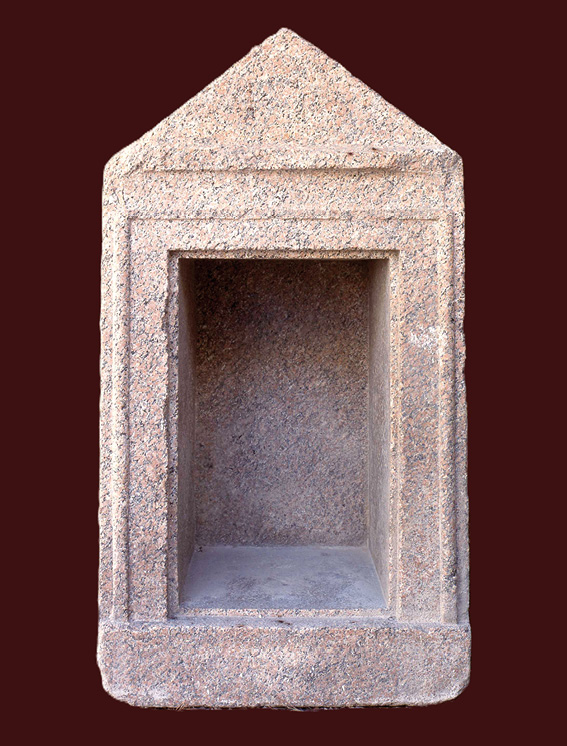
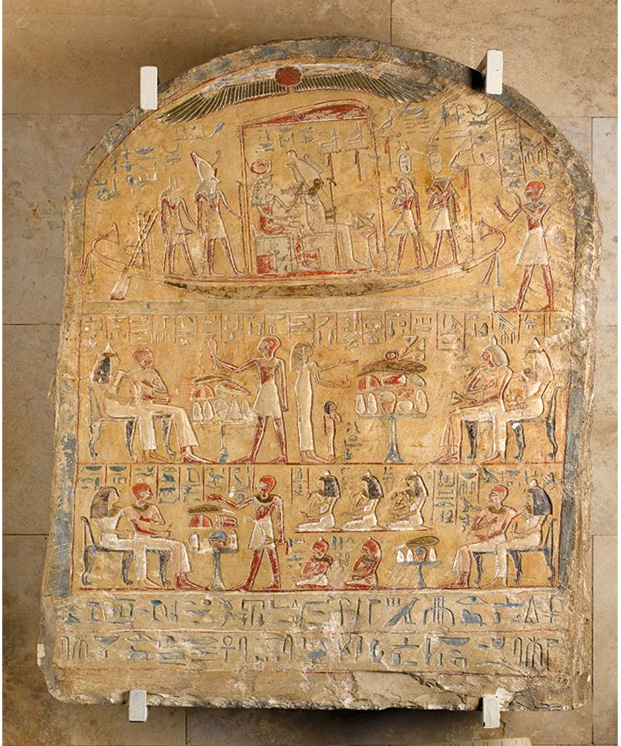
In 1802, the city set up a museum housing various archaeological finds, including Nebmesu’s polychrome stone stela (dating to the Eighteenth Dynasty) from Abydos, and a Middle Kingdom naos in red granite from Lower Egypt, both acquired as gifts from Bernardino Drovetti, Consul General for France in Egypt. The museum was housed in the city centre in the Bernardines’ convent, which had been expropriated from the Church during the French Revolution.
Borély Castle
In 1861, Marseille acquired its own museum of pharaonic items, thanks to the legacy of Antoine Clot (1793-1868; known as Clot-Bey), who sold part of his antiquities collection for 50,000 francs after a long period spent in Egypt.
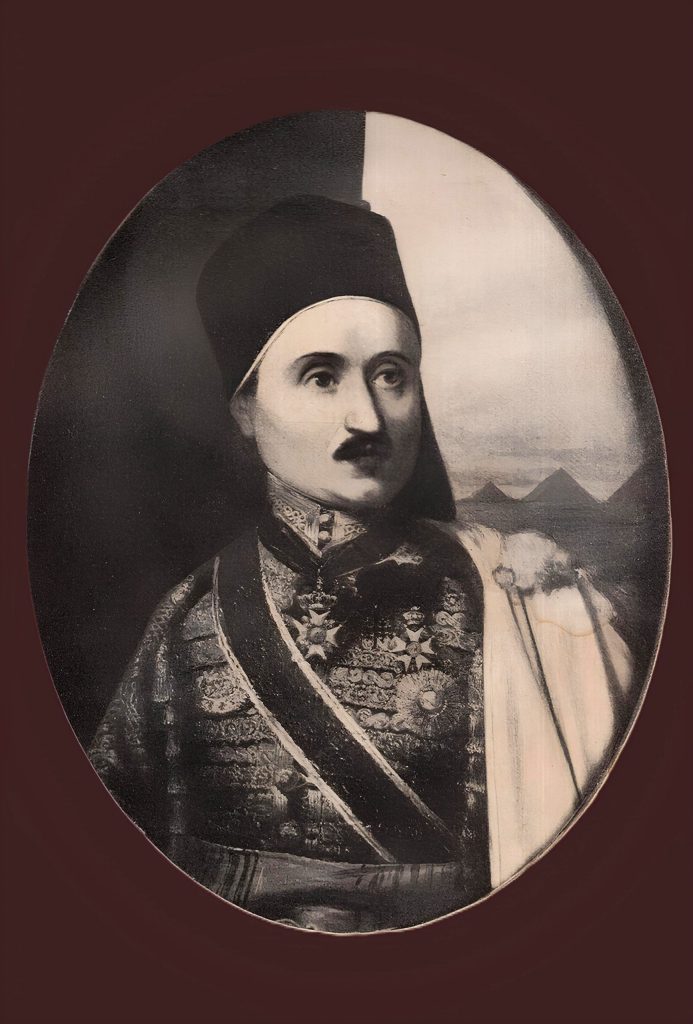
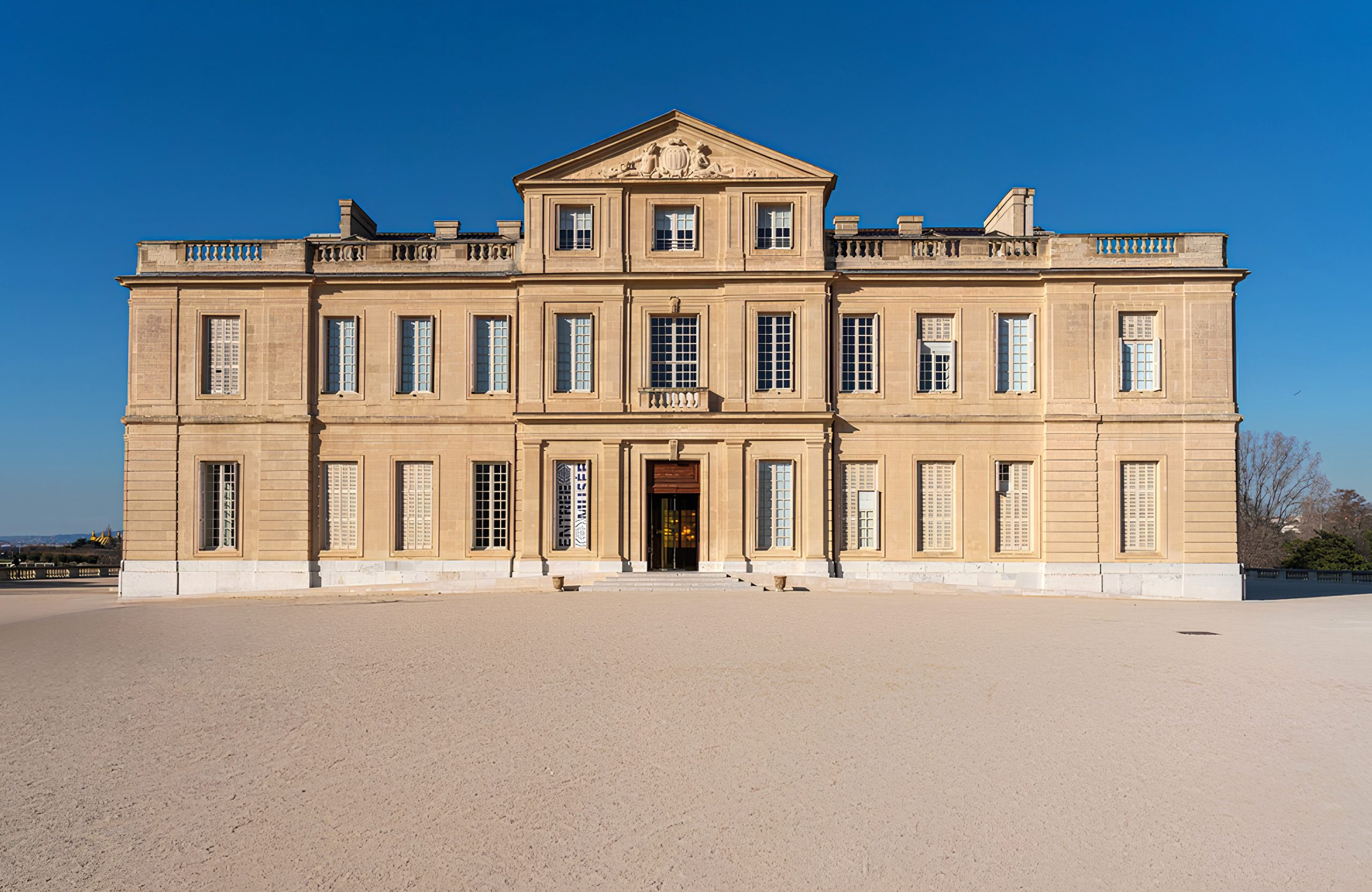
Because of the purchase of Clot-Bey’s collection, more space was required. Most of the museum’s items were transferred to the ground and first floors of the Borély mansion (later Borély Castle) in the south-western part of the town. However, the galleries of the convent continued to serve as a museum for the holdings of local antiques and ethnographic artefacts.
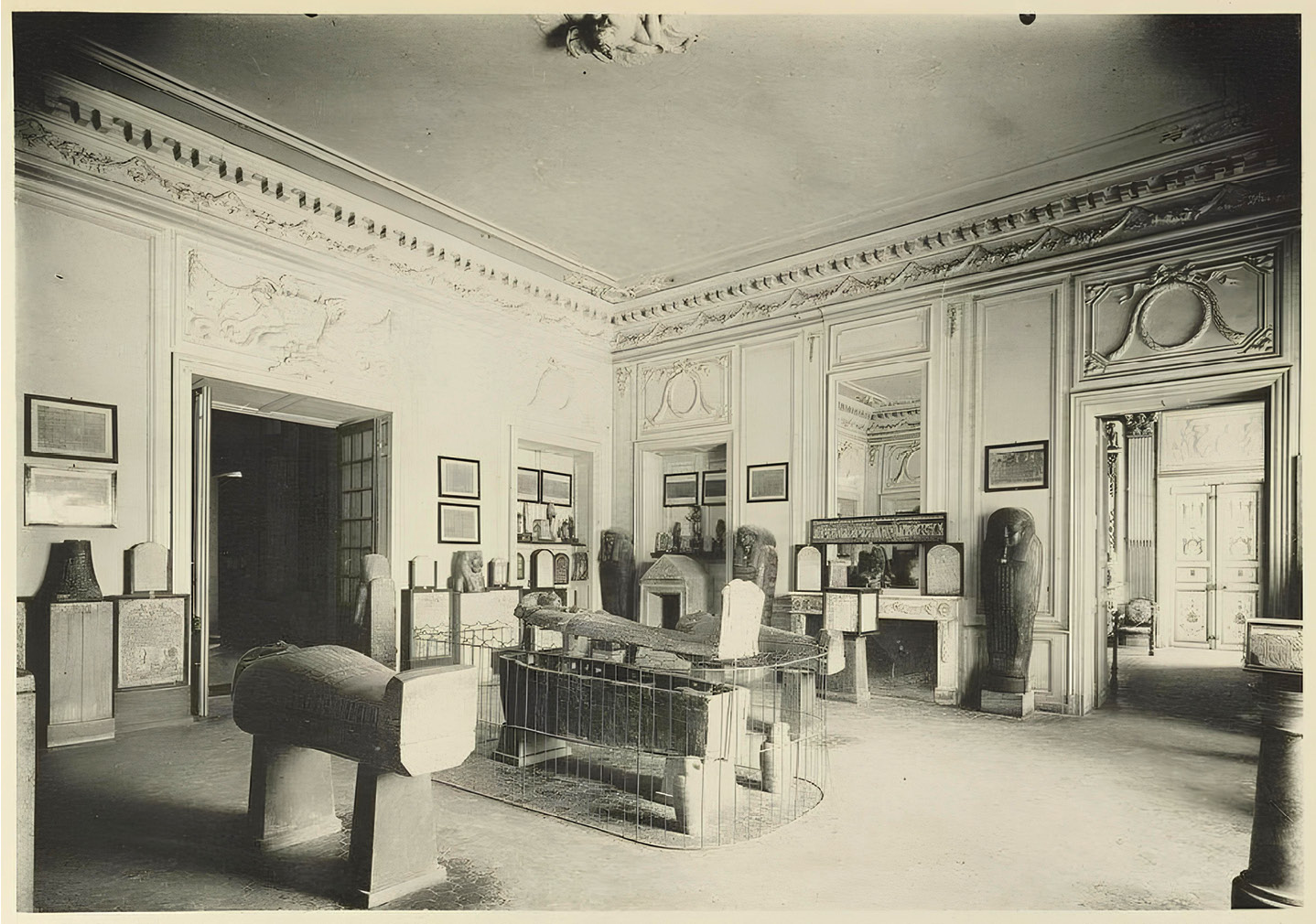
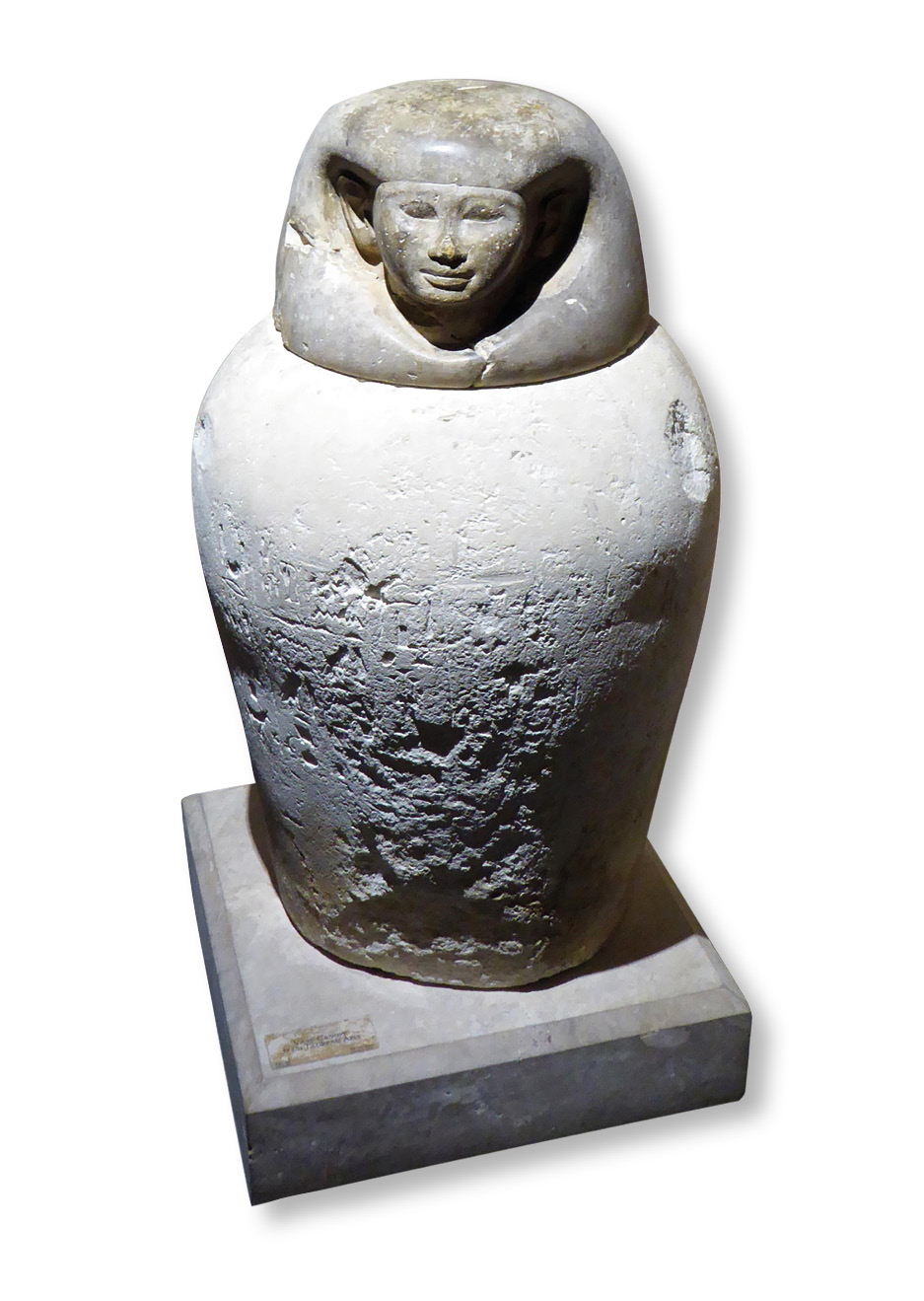
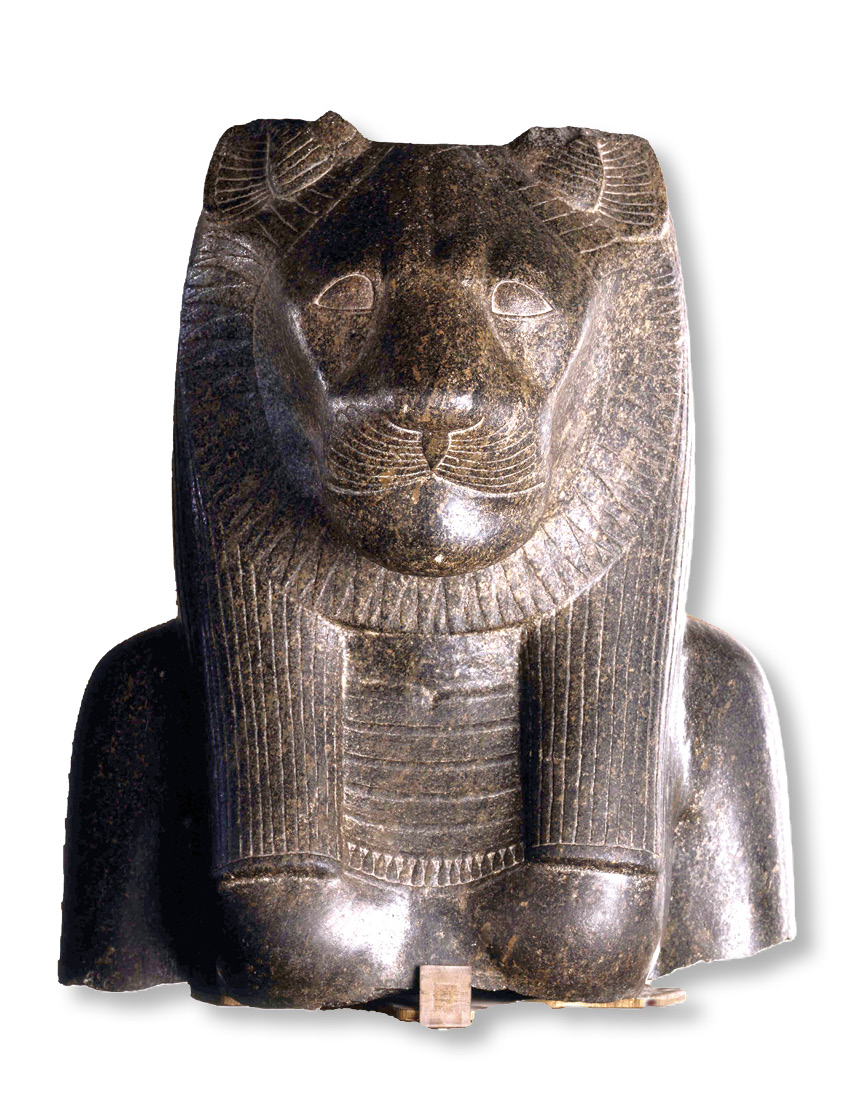
Borély Castle had been left to the city of Marseille by Gaston de Mark-Tripoli, Marquis of Panisse-Passis (1807-1891), whose mother, Louise J M Van Borély, was the sole descendant of a family of rich merchants working in Egypt. Gaston de Panisse-Passis left to the city not only the baroque mansion with its 17 hectares, but also his art collections, which included four Pharaonic items: three stone canopic jars belonging to an Apis bull from the Serapeum; and the granodiorite bust of a seated monumental statue of Sekhmet, originally erected by Amenhotep III either in the Temple of Mut at Karnak or the Malqata Palace in western Thebes.
Additional donations, including some from the Louvre, were integrated into the city’s pharaonic and Classical collections between the late 19th and the 20th centuries. However, the constraints of space posed a challenge, leaving many artefacts hidden from public view.
The Old Charity Hospital
A solution came with the restoration of the Old Charity Hospital and its chapel. Originally commissioned by King Louis XIV’s favoured architect Pierre Puget in the late 17th century to provide refuge for the impoverished, elderly, and infirm, these historic structures were repurposed between 1989 and 1993 to house Marseille’s departments of Classical Archaeology and Egyptology. A further comprehensive renovation in 2013 coincided with Marseille’s designation as the European Capital of Culture. The Egyptian Museum, which now holds 2,508 objects, occupies five rooms across the first floor of the complex.
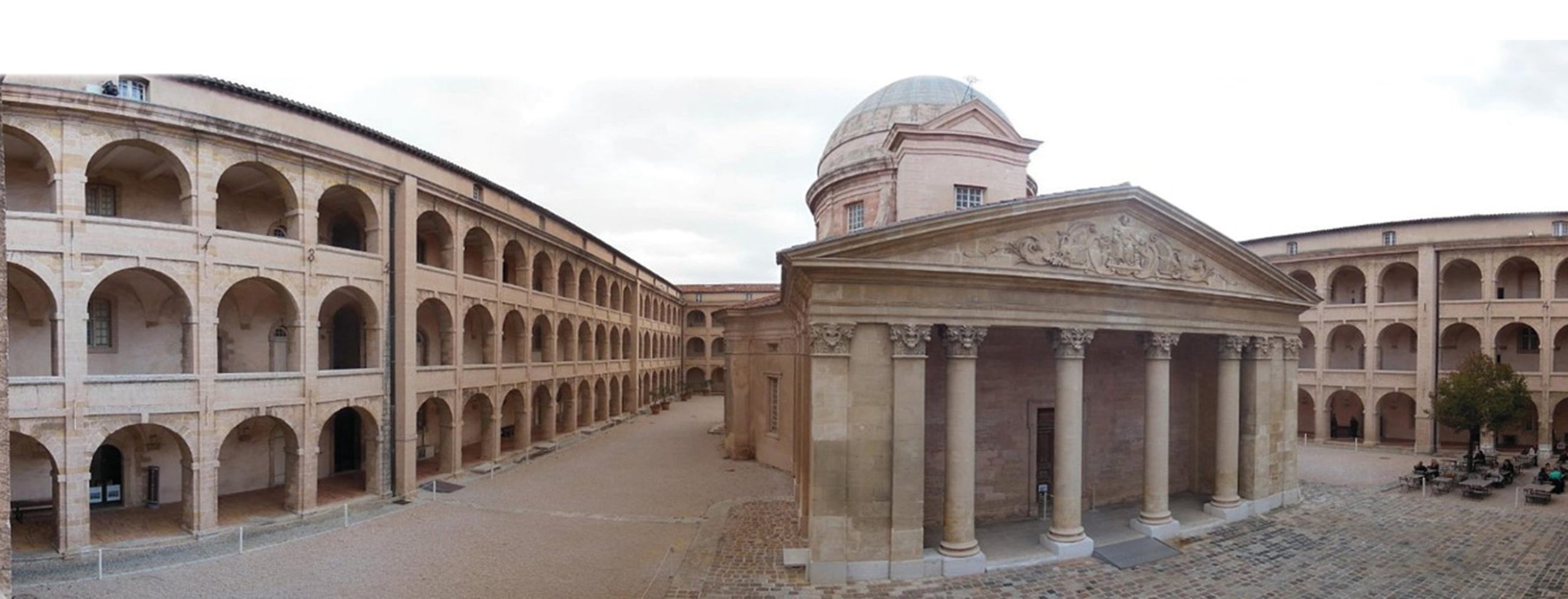
The first room
In the recently refurbished first room are displayed ancient catalogues, a Middle Kingdom wooden statuette, and several pieces of stone statuary and temple architecture. Among these is the top part of a limestone temple wall with a cavetto cornice alternating with cartouches of Ramesses II; below the cornice the standing king is depicted wearing the khepresh crown and offering two nu-vases to Ra-Horakhty. Also displayed here is the bust of Sekhmet.
The second room
The second room has three large display cases. One contains mainly Predynastic zoomorphic and geometric slate palettes, Naqada red and black-topped beakers, jars with geometric lines and animals painted in red, ivory hairpins, and human/zoomorphic figurines.
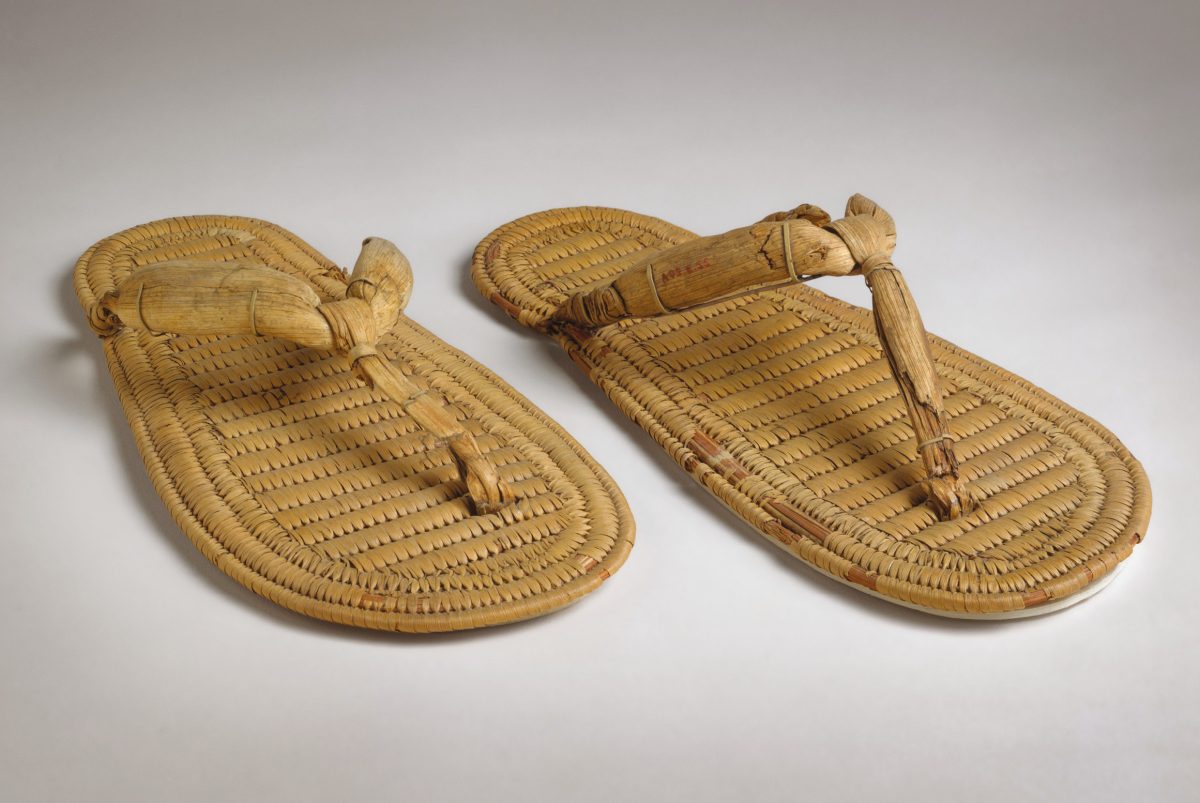
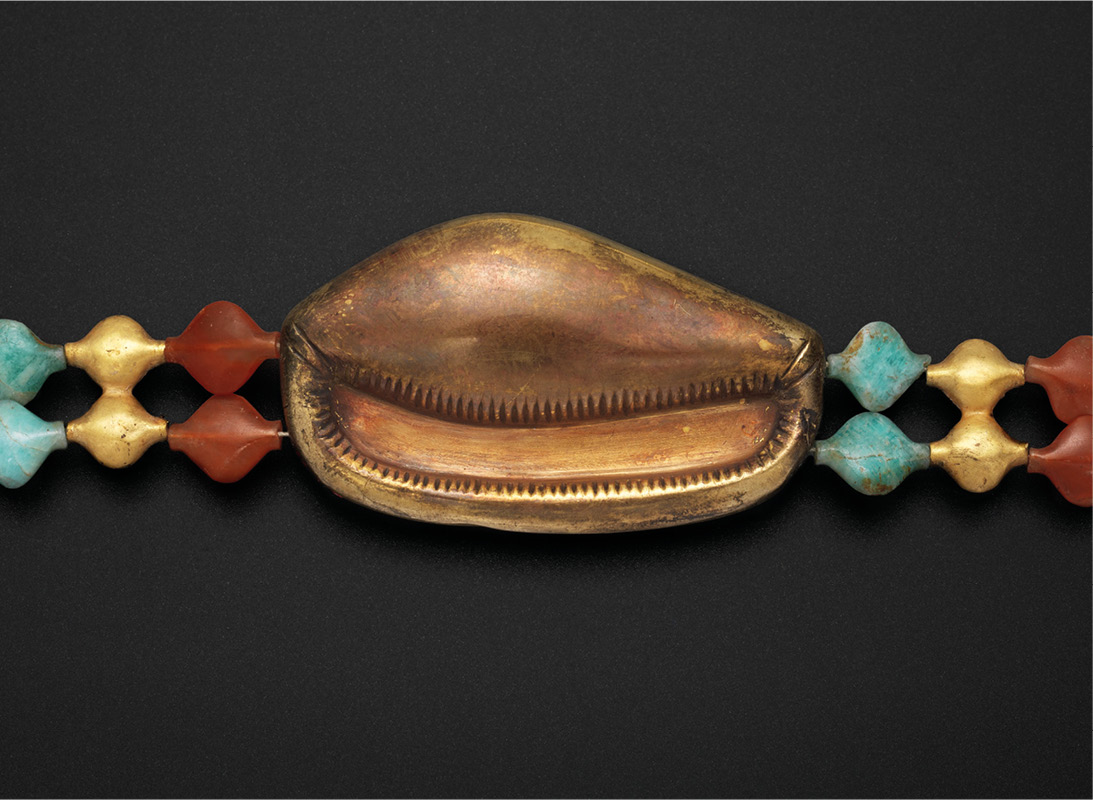
There are items, too, of tomb furniture, Old Kingdom calcite vessels, kohl spoons and jars, a wooden chair and stools, headrests, wicker baskets, wooden boxes, clothing and jewellery, boxes, and footwear, as well as objects from daily life such as artisans’ tools.
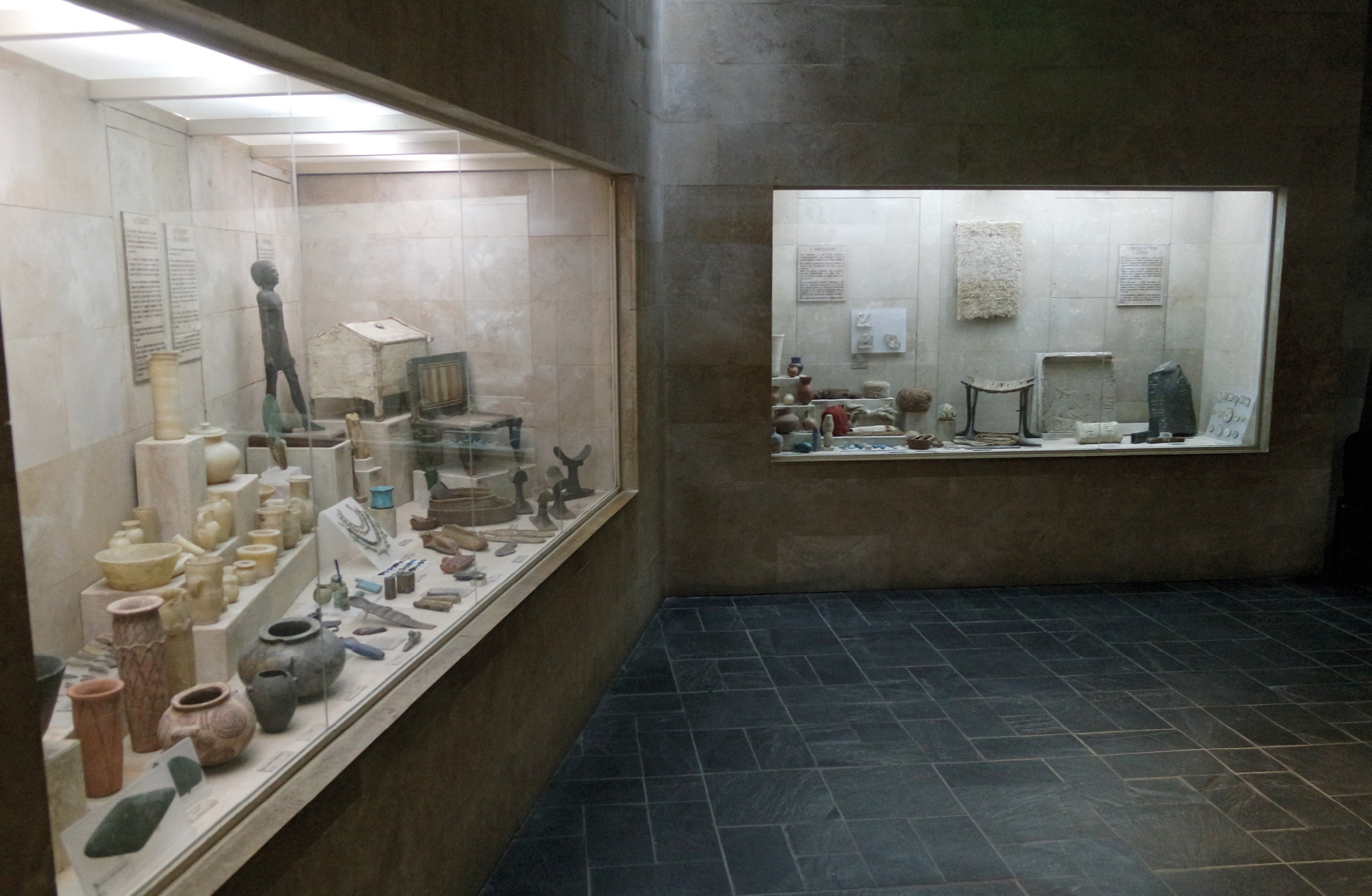
A second display case deals with the daily pursuits of artists including sculpture, models, and tools. There is an example of private architecture, in the form of a small fragmentary diorite New Kingdom obelisk. A recent addition from 1990, a limestone block from a temple, depicts a kneeling vizier paying homage to the cartouche of Ramesses XI.
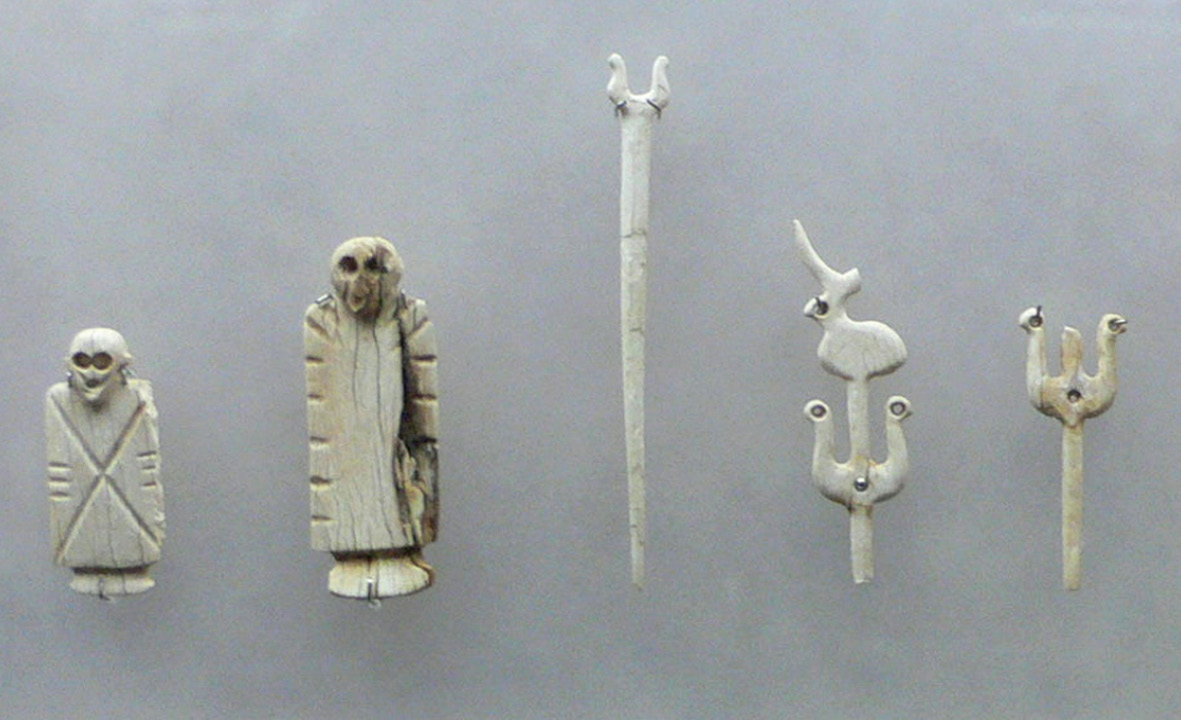
In the third display case is an array of votive objects, together with scribal palettes.
Between the second and third rooms is a striking granodiorite cube-statue. It belongs to the Eighteenth Dynasty ‘Prefect of the Fayum’ Sobekhotep. Adorned with a meticulously crafted short wig composed of intricate braids, the statue bears a hieroglyphic text providing a comprehensive bibliography alongside a funerary formula invoking Sobek, the revered Lord of Shedit (ancient Crocodilopolis).

The third room
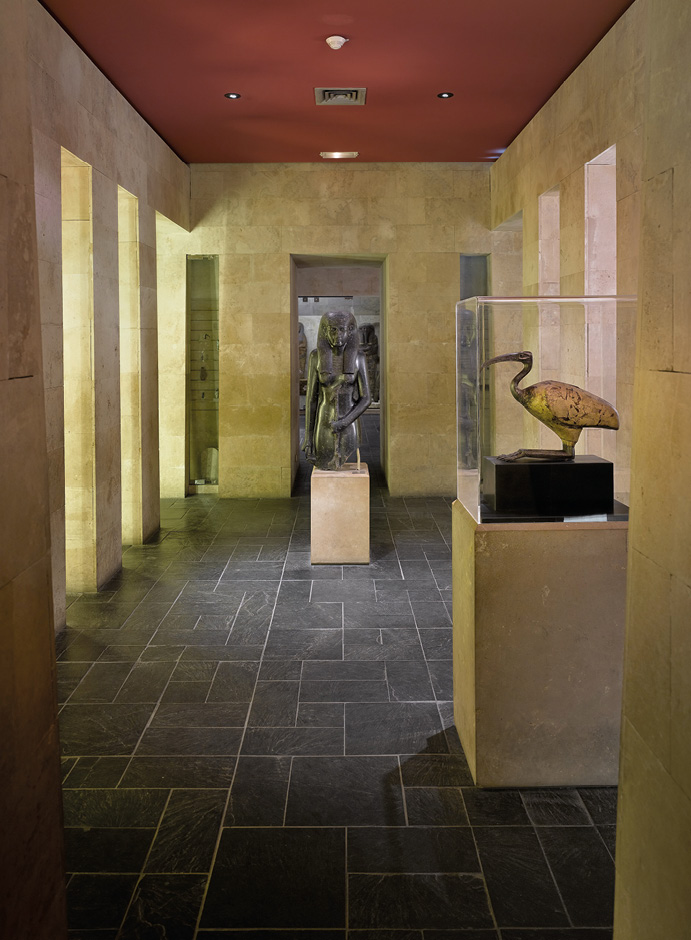
Flanked by pillars fashioned from luminous yellow limestone slabs, the third room is reminiscent of the sacred precincts of a pharaonic funerary temple. On display here is a collection of bronze statuettes depicting gods, goddesses, animals, and protective charms in animal form, as well as situlae from various epochs, alongside an array of amulets in various materials and colours. Within this room, one particular item stands out: the sarcophagus of Thoth in the form of an ibis – a magnificent masterpiece of Egyptian metallurgy. Crafted in silver (head, beak, feet) and gilded wood (body), with realistic stone inlays for the eyes, it is thought to originate from the ibis necropolis of Tuna el Gebel, as does the very similar artefact in the Brooklyn Museum of Art.
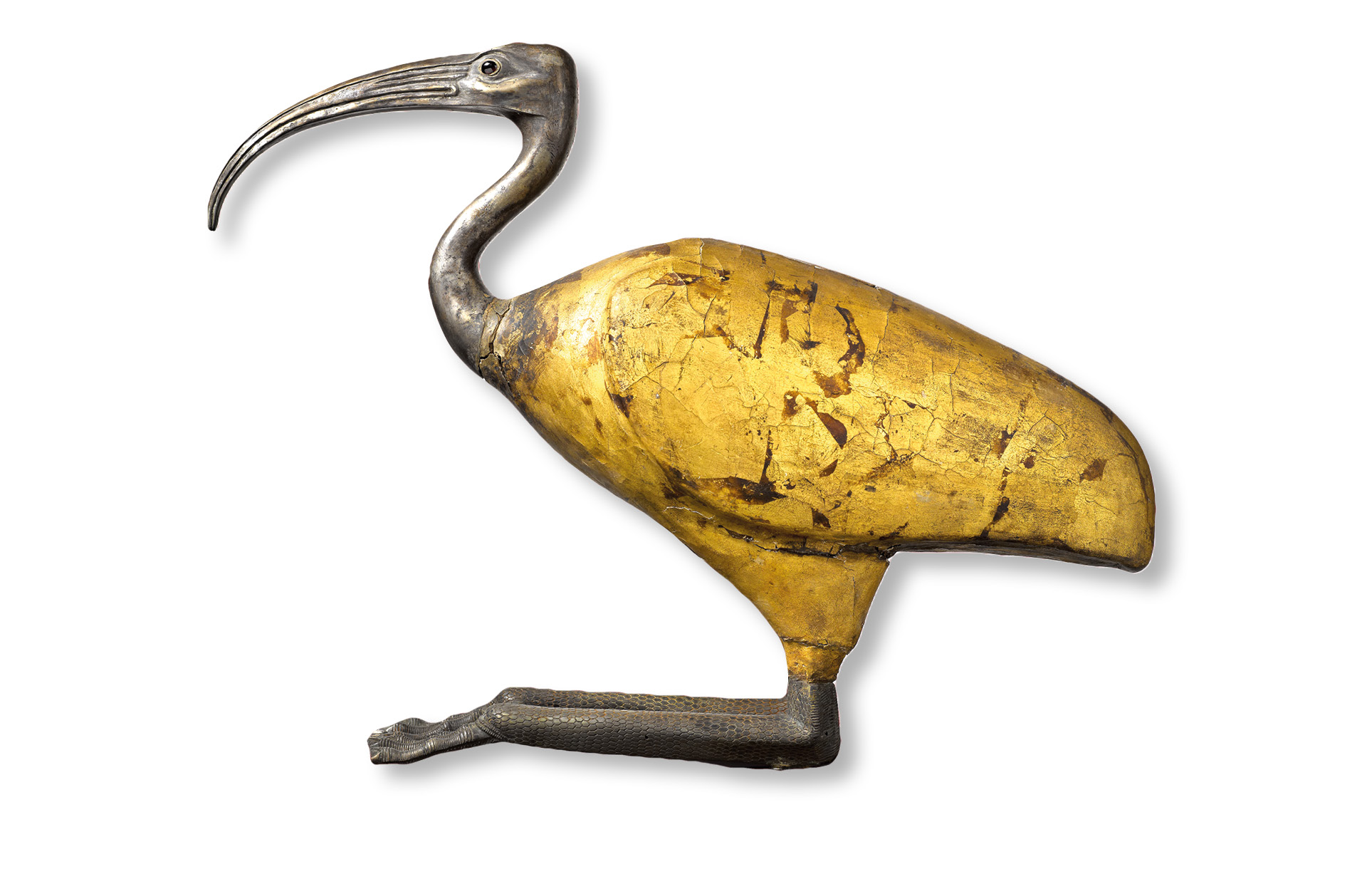
The sarcophagus of Thoth in the form of an ibis – a magnificent masterpiece of Egyptian metallurgy. Image: courtesy of the Ville de Marseille; photo by David Giancatarina
The fourth room
The last two rooms are fully dedicated to the funerary world and the religious beliefs of the ancient Egyptians.
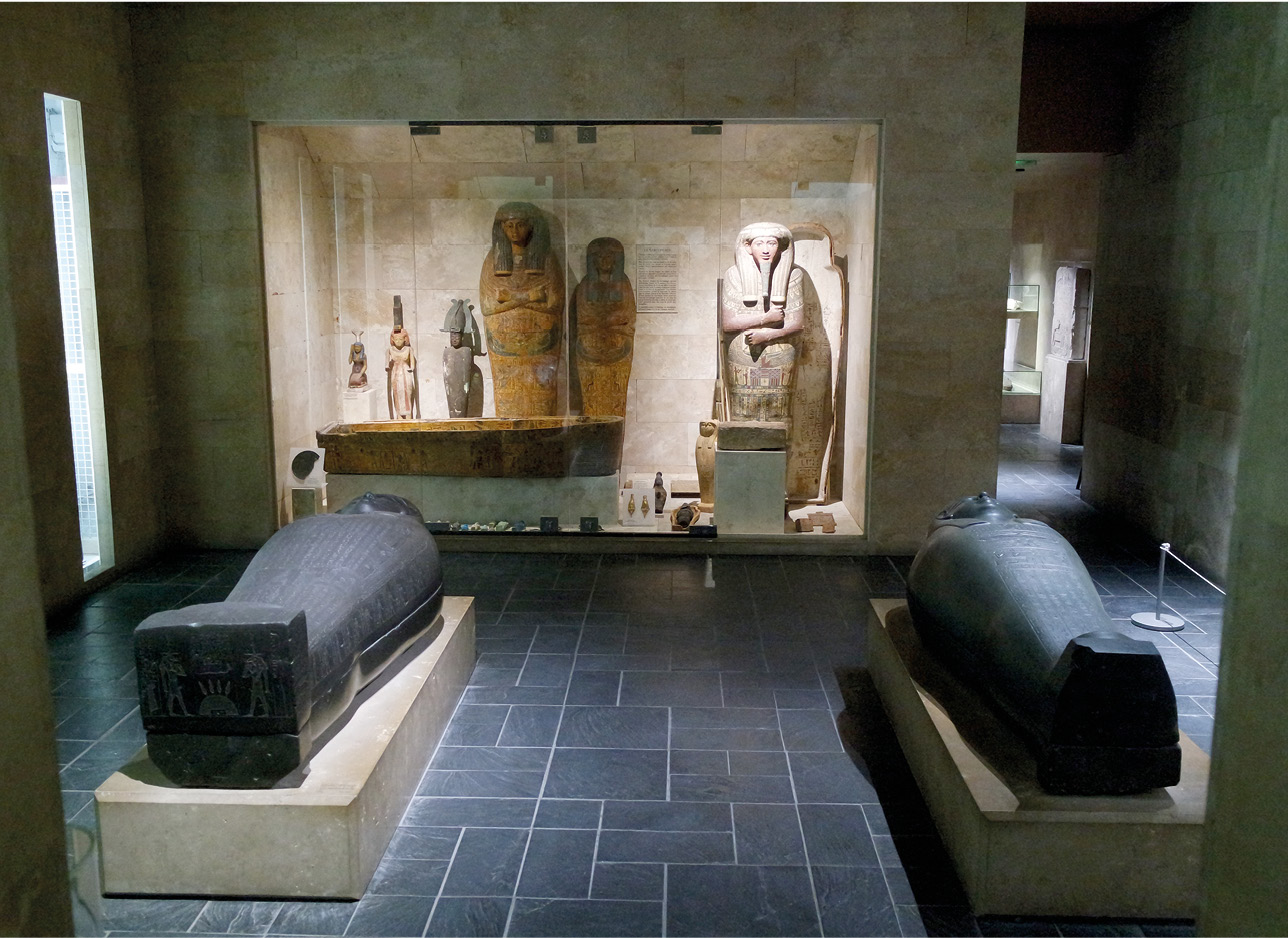
On a stone plinth at the centre of the fourth room stand two imposing Ptolemaic sarcophagi, crafted from basalt and greywacke. One belonged to Ankhapi and came from the Saqqara necropolis. The inscriptions on the other sarcophagus show that it belonged to Padiusir, but its origin is unknown. Small display cases contain amulets, bronze statuettes, canopic jars, and wooden Ptah-Sokar-Osiris polychrome statuettes, all associated with ancient Egyptian belief and ritual.

The central display case contains two anthropoid, yellow-varnished coffins from the Twenty-first Dynasty. One belonged to Tentamun, the ‘Chantress of Amun’, the other to Khonsumes, known as the ‘chief of the archivists of the Amun-Ra treasury’. In the same case are an archaising anthropoid coffin of Ankh-Khonsu, who served as the ‘chief of artists’ during the early Twenty-sixth Dynasty; two polychrome wooden funerary statues; and a fragmentary hypocephalus. These small apotropaic disc-shaped items are typically crafted from plastered linen, but this rare example is made of copper alloy. It was created for Takherheb, ‘singer of the Temple of Amun’. In addition, the display case contains the wooden lid and case of a corn mummy, still containing germinated corn seeds inside a wrapped bundle of linen bands in the shape of Osiris, as well as two rare miniature masks in gold leaf.
The room also contains a series of funerary stelae dating from the Middle Kingdom to the New Kingdom. They originate from Abydos, Deir el-Medina, and Thebes.
The fifth room
The fifth and final room features a display case containing the exterior wooden anthropoid coffin of another man who lived under the Twenty-first Dynasty. The coffin resembles the varnished yellow ones seen in the previous room, but this one still contains a human mummy, probably from Saqqara. His name was Pedeharnutef, but his titles are missing. The reconstruction of the funerary assemblage of the tomb is disrupted by other non-contemporaneous items (aside from some funerary statuettes in faience), including beadworks, openwork mummy boards, canopic jars, pottery, and wooden boxes for shabtis and canopic jars. Positioned at each corner of the room stand four imposing limestone polychrome stelae, dedicated to a general of Sety I named Kasa. Carved in relief and adorned with magical amulets, these stelae were believed to invoke the protective powers of the divine, as detailed in Chapters 137A, 137B, and 151 of the Book of the Dead. At the rear of the room, the only inscribed papyrus displayed in the museum is part of a hieratic Book of the Dead without vignettes, 5.64 metres in length. It belonged to Nespasefy III, a priest of Montu from Thebes and a member of the Besenmut family, who lived between the end of the Twenty-fifth and the beginning of the Twenty-sixth Dynasty. His beautiful anthropoid coffin is in the collection of the Stibbert Museum in Florence (to be published by this author soon).

A mummified crocodile and two stuccoed heads of the same reptile are displayed in the fifth room as examples of the devotional cult for the animals performed by the inhabitants of the Nile Valley. These exhibits are very popular with visitors, especially the younger ones.
The final display case is dedicated to Graeco-Roman Egypt. Examples of grotesque and erotic terracottas are displayed beside elegant stucco funerary masks of Roman matrons who lived along the Nile at the twilight of the ancient Egyptian civilisation.

Future plans
One of the ambitious projects on the horizon for the MAM is the expansion of its Egyptian Museum into the nearby halls. This expansion will allow many of the treasures hidden within its storerooms to be displayed, including fine and rare copper-alloy statuettes, other animal mummies, and Egyptian and Coptic textiles.
Simone Petacchi is currently a scientific collaborator with the Museum of Mediterranean Archaeology in Marseille, a consultant curator for Egyptian antiquities at the Stibbert Museum (Florence), and a member of the Nuri Archaeological Expedition, Sudan. He is the author of three books and numerous academic papers.
All images: the author, unless otherwise stated