
Subscribe now for full access and no adverts
Tattooing has a long history in the Nile Valley. It was practised by the ancient cultures inhabiting Egypt and Nubia, each in their own way. Evidence for this is found not only in artistic representations, but more importantly in the actual tattoos that have survived on mummified skin. To date, 32 tattooed individuals are known from the Nile Valley, many of whom have only been identified in recent years. Their tattoos demonstrate that this form of permanent body modification was used in Egypt from at least the Predynastic Period (c.3500 BC) to the late New Kingdom (1100 BC). In Nubia, where tattooing probably began even earlier, it appears to have been practised much longer, with preserved tattoos on mummies belonging to the C-Group and the so-called ‘Pan Grave’ cultures (c.2200-1600 BC), and the Meroitic to Christian periods (350 BC-750 AD).
Some of these tattoos are visible to the naked eye, but a growing majority have only been detected using infrared photography. This method works well because the carbon black (soot or ashes) commonly used in tattoo ink absorbs infrared light, whereas the surrounding skin reflects it, creating a clear image in the infrared spectrum. However, this technique has its limitations: certain resins applied to the skin during the mummification process absorb infrared light too, and thus may obscure any underlying tattoos, restricting our view of what is already a rarely surviving resource.
Despite these constraints, the new discoveries made thanks to infrared imagery are significantly changing our understanding of tattooing in ancient times. While previously considered adornments applied only to women to enhance beauty, sexual allure or fertility, the recent detection of tattoos on both men and women serves to expand the range of possible motivations. What these might have been is not always clear, and to understand them one must consider the information provided by both the preserved physical remains and the artistic record.
A review of all the evidence so far suggests that tattoos have experienced periods of greater and lesser popularity over their 4,000-year history, during which their meaning and purpose may have changed, along with the motifs and the people who used them. Nevertheless, certain themes and useful patterns can be discerned.
One distinct aspect is the style and method of application. In ancient Egypt, tattoos are predominantly figural and were applied with a thick, continuous line. Many are images that also appear in contemporary iconography, giving us clues as to their meaning. In Nubia, on the other hand, tattoos were applied as a series of small dots or dashes creating various patterns. These undoubtedly conveyed specific messages, even if we cannot yet read them. Today, the two techniques seem to mark general cultural or ethnic associations, and may have done so in the past, while, to a lesser extent, differences in dot designs may reflect regional or tribal origins, among other things.
Function of tattoos
Another aspect useful for understanding tattoos relates to their presumed function. Here, a distinction can be made between those tattoos that seem linked to the performance of certain roles by selected (generally female) members of society, and those that were applied as desired for a variety of personal reasons.
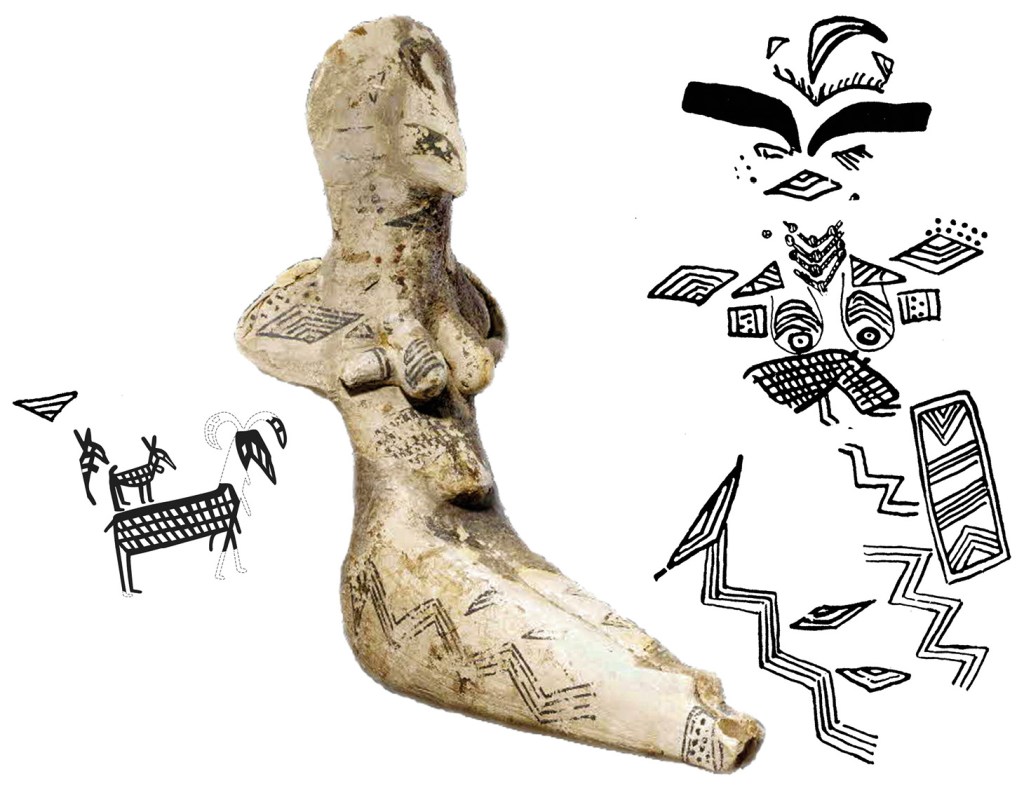
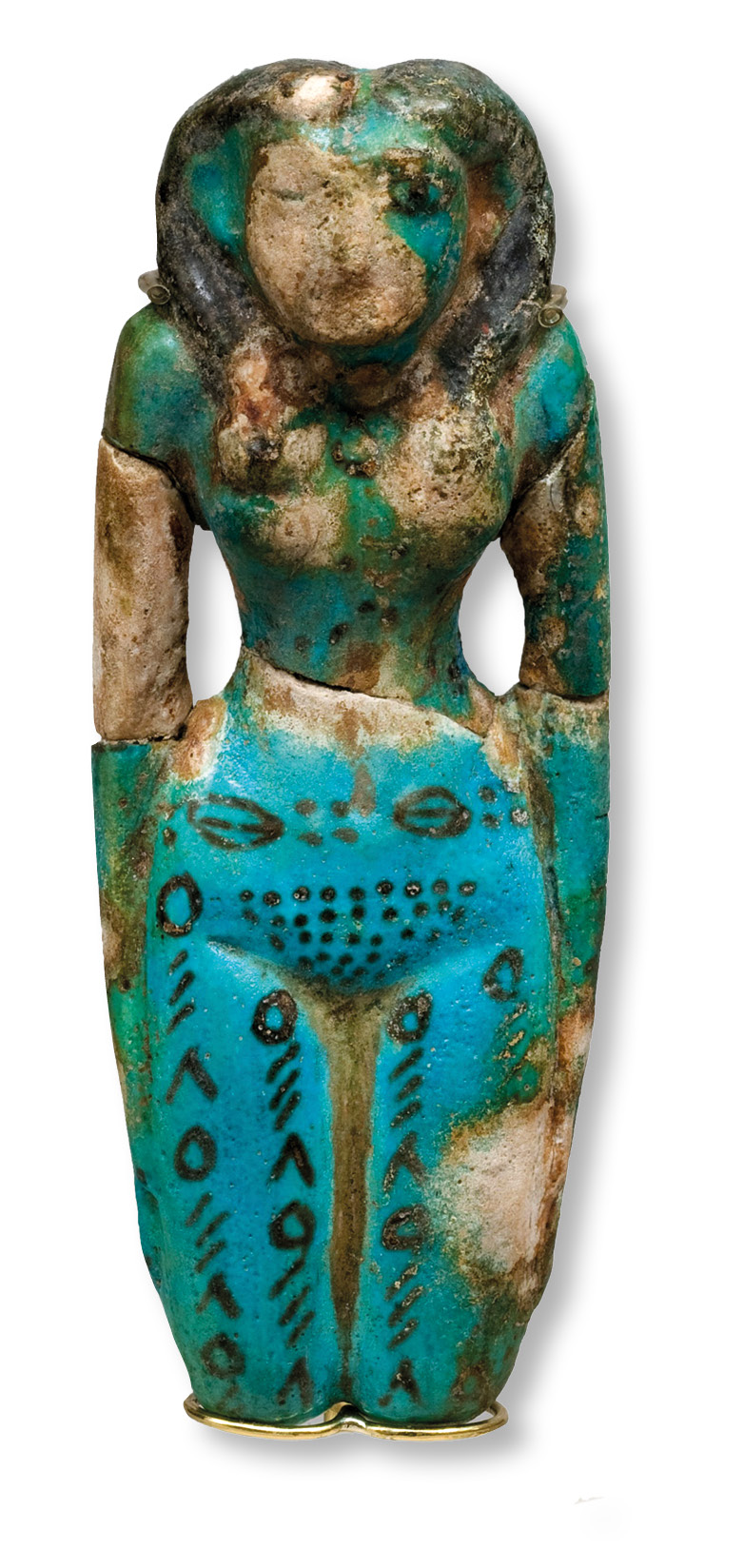
A connection between tattoos and female activities can be made based primarily on the numerous figurines of nude or partly clad women decorated with body markings, present in both Egypt and Nubia in many periods. Previously considered, at best, as general fertility figures and, at worst, as dolls or virtual sex partners, new evidence for the use of these figurines suggests a more specific reference pertaining to the role of certain female actors in society: in particular, women with the knowledge and skills to perform ritual dances and actions useful for successful birth in life and rebirth in death, on both a human and a cosmic level. The artistic evidence, as well as the preserved human bodies, indicate that these women were heavily tattooed with a range of period-specific, but recurring motifs that not only marked them out as special, but also perhaps enabled them to channel the divine. Nevertheless, this proposed function did not preclude the tattooing of some of the same motifs by the general public for personal reasons, such as to provide protection, promote health, or signal religious beliefs, although such usage is more rarely depicted.
While certain themes and motifs can be traced across time, tattoos were not static and changed to reflect the styles and needs of the age. The following is a brief historical overview of current thinking on the subject, touching on what we know so far, what we think we know, and (more often) what we do not know. The pace of current research is such that there can be little doubt that new discoveries will soon add more pieces to the puzzle, challenging us to revise our ideas once again.
Tattoos in early Egypt: Predynastic Period to Old Kingdom
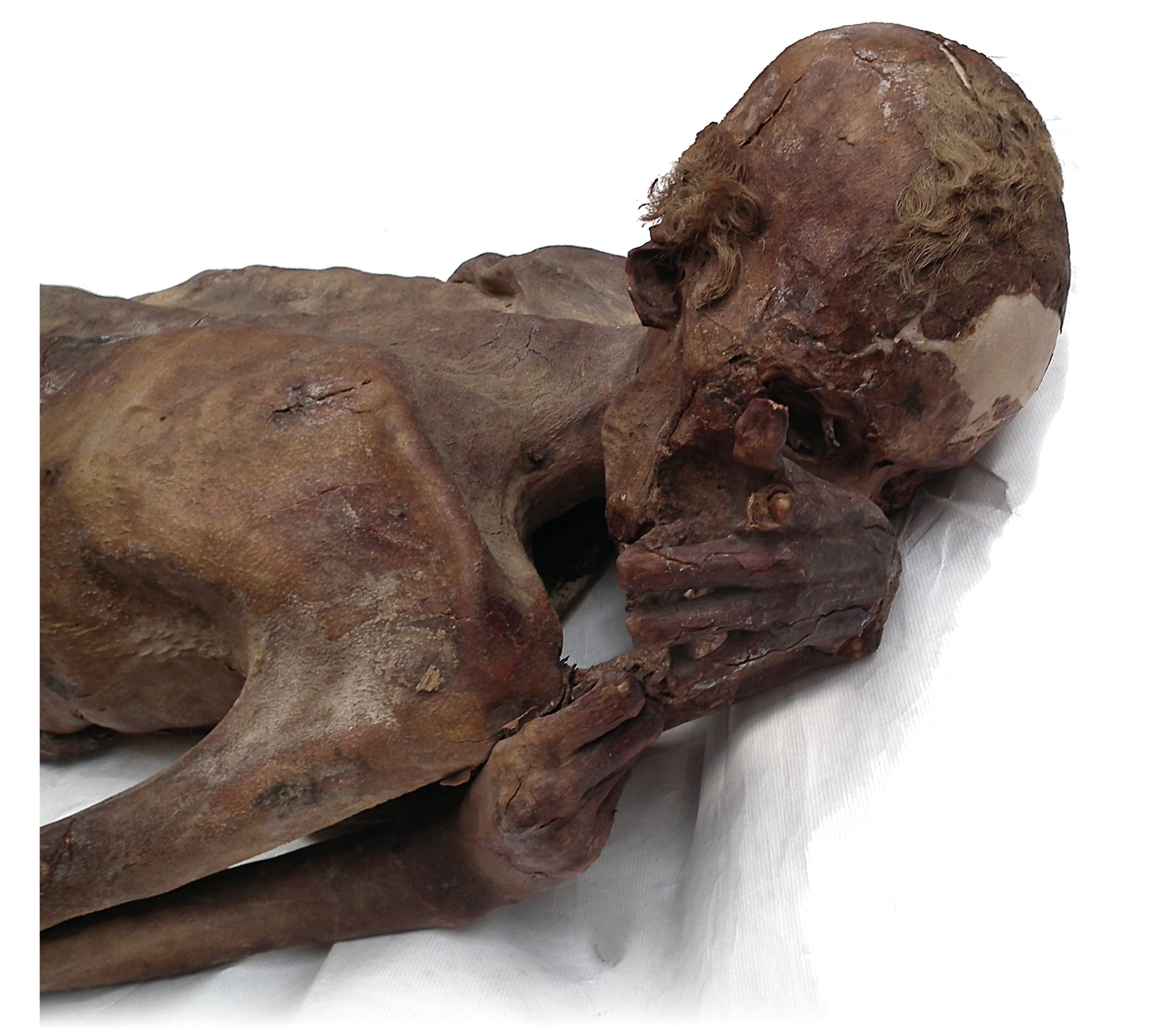
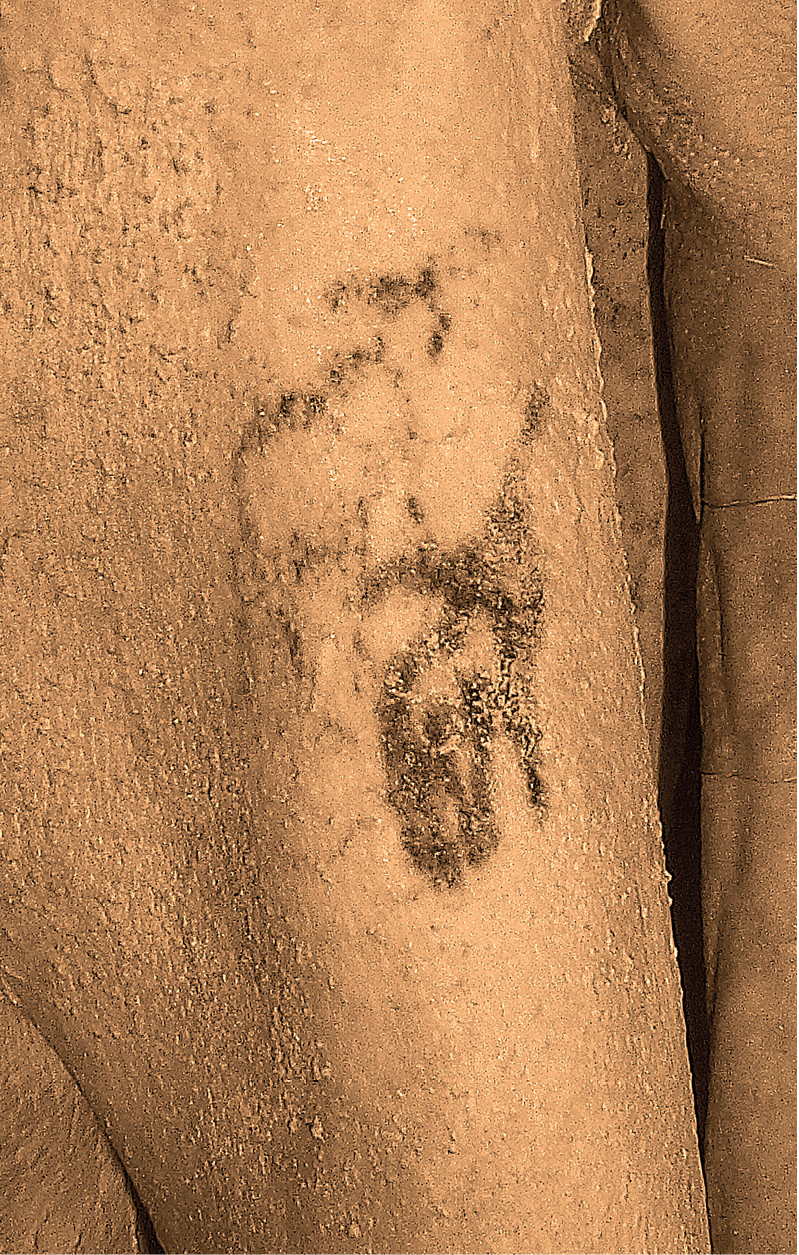
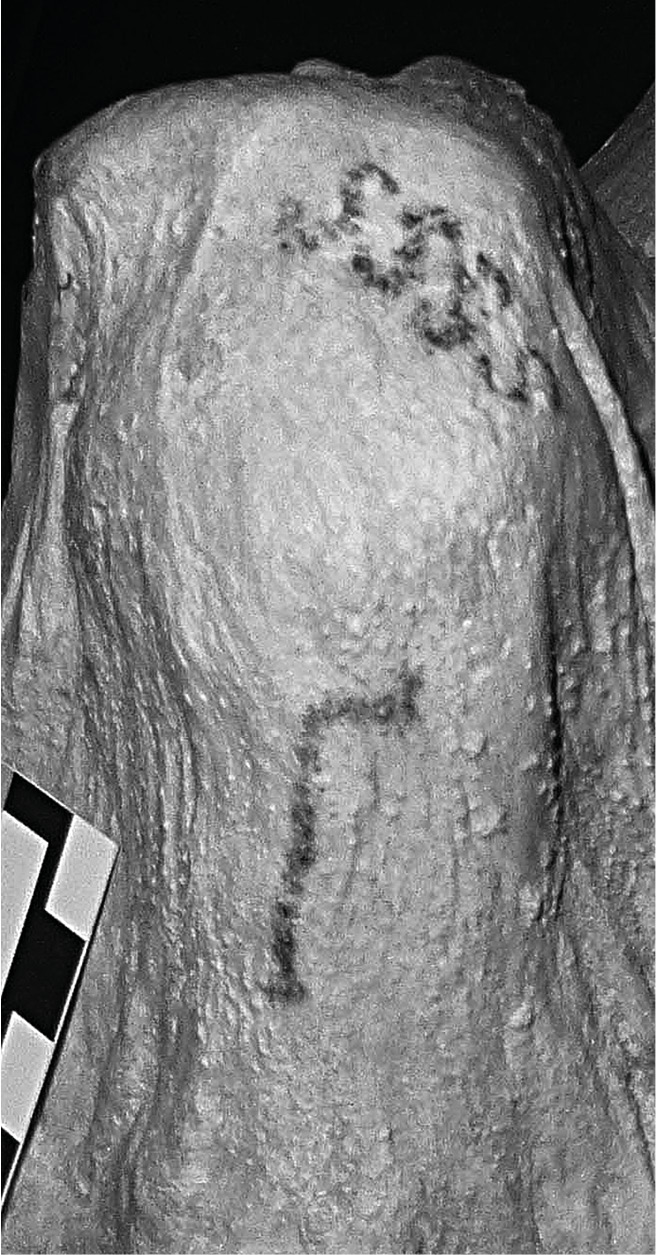
It was as recently as 2016 that Egypt’s earliest tattoos were found on the naturally mummified bodies of two individuals from the Predynastic site of Gebelein (Upper Egypt). Although the bodies had been in the British Museum for over a century, it took a hand-held infrared camera to reveal that a grey smudge on the upper arm of the well-known and perfectly preserved Gebelein Man A was tattoos of a Barbary sheep and long-horned cattle. Further tattoos were found on the Gebelein Woman: a series of S-shaped symbols on the right shoulder and a curved motif on the arm, possibly representing a curved staff or a clapper.
Radiocarbon dating indicates that these two individuals lived around the same time as Ötzi, the Tyrolean Iceman (c.3350-3105 BC), making their tattoos among the oldest surviving examples in the world. But they are not alone. Examination of the five other Predynastic mummies from Gebelein in the British Museum uncovered tattoos on three of them: two men and a woman. That tattoos were found on five of these seven bodies (which were probably chosen for the museum only because of their good state of preservation) is quite remarkable and suggests that tattooing was widespread among both men and women at this time, at least at Gebelein.

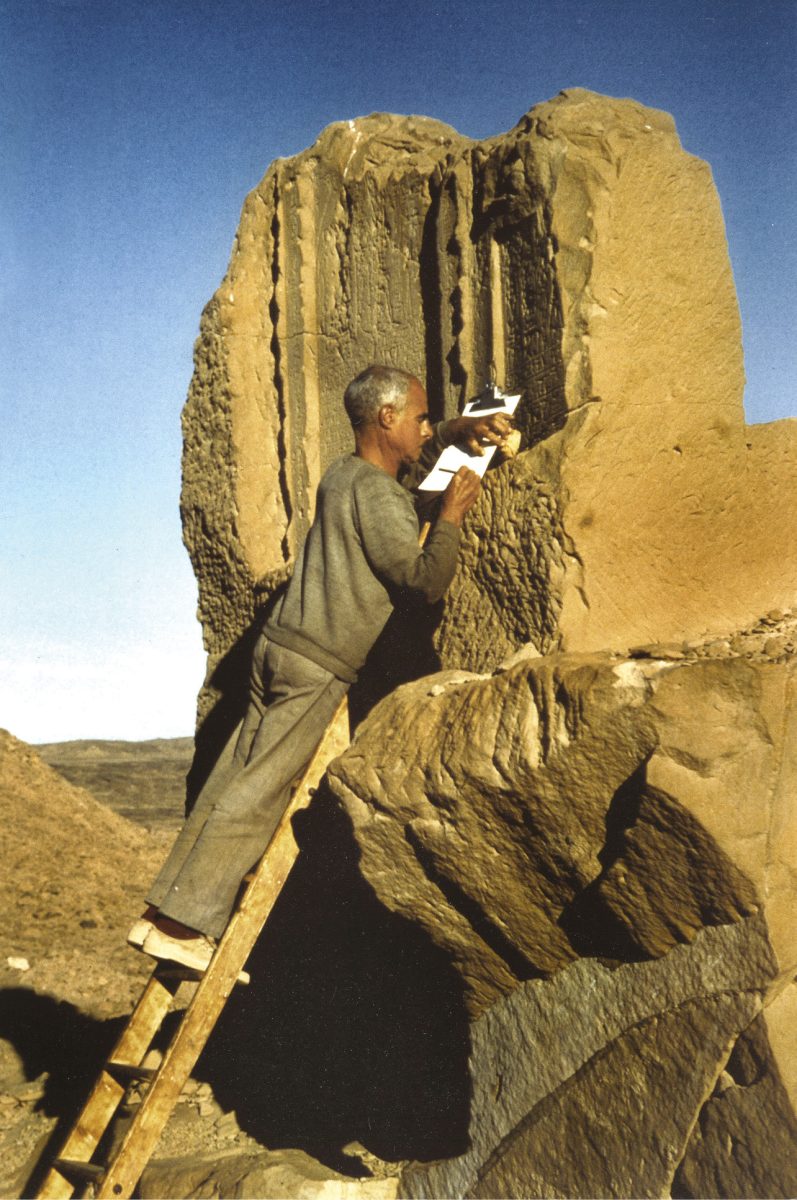
Petroglyphs found on rock faces in the Theban desert that may represent hunters with tattoos of hippopotami on their chests.
Overall, these early tattoos are relatively small: between 2cm and 5cm in size, with only one or two per person. They were applied as a thick, continuous line to the wrist, arms, shoulder, back or abdomen, but not on the legs, and would have been publicly visible. Each one is different, and, while some are similar to motifs found on the contemporary, highly decorated, ritually charged figurines, their limited application suggests these tattoos had personal meaning.

The messages they were intended to convey are unclear to us today, but they were unlikely to have been chosen at random. Unfortunately, we have no reliable information about the contexts in which the Gebelein mummies were found that could tell us more about these individuals and their reasons for tattooing. In the case of Gebelein Man A, the stab wound in the back of his shoulder that killed him suggests he was a warrior or hunter, and that his animal tattoos represented badges of bravery or sources of power. The general lack of evidence for tattooed men in the artistic record hinders further discussion, but two petroglyphs in the Theban desert show hooded hunters with small hippopotami incised on their chests. These could well be tattoos intended to confer power in the hunt or apotropaic protection.
A protective function can also be attributed to the tattoo on another male body, this time from the Old Kingdom. On his rear right shoulder are tattooed two eyes of Horus – well-known symbols of protection and health that were often worn as amulets. By figuratively ‘watching his back’, these tattooed eyes offered constant security and should perhaps be considered permanent amulets. Currently, this is the only tattoo known from the Old Kingdom, a period when the artistic tradition is silent on the subject. Its discovery is particularly important because it shows that male tattooing continued into the Dynastic age, and that the iconographic record alone is not a reliable source. Whether tattooing really fell out of favour at this time or was simply a personal practice considered unsuitable or unnecessary for artistic representation remains to be determined.


Tattooing in Nubia
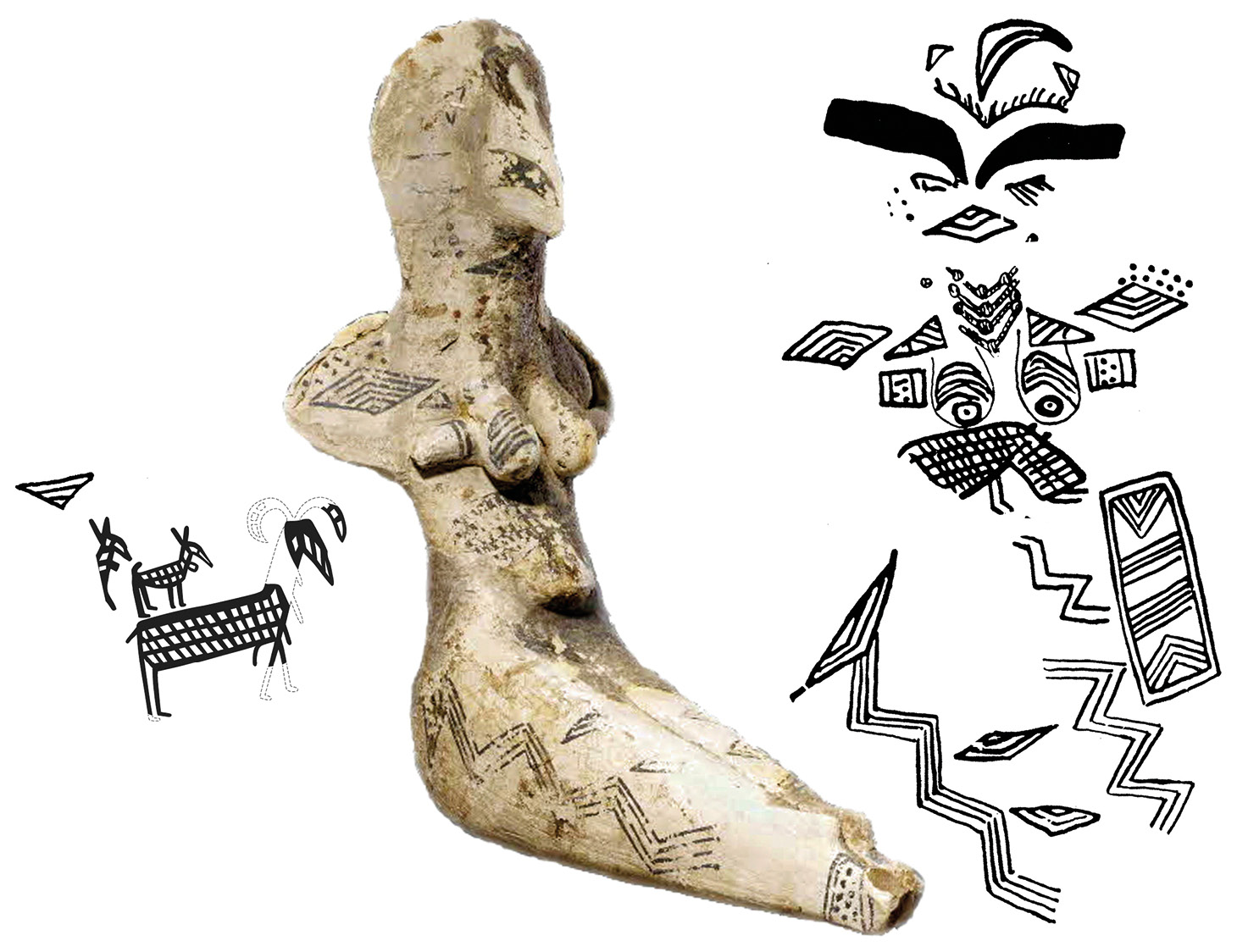
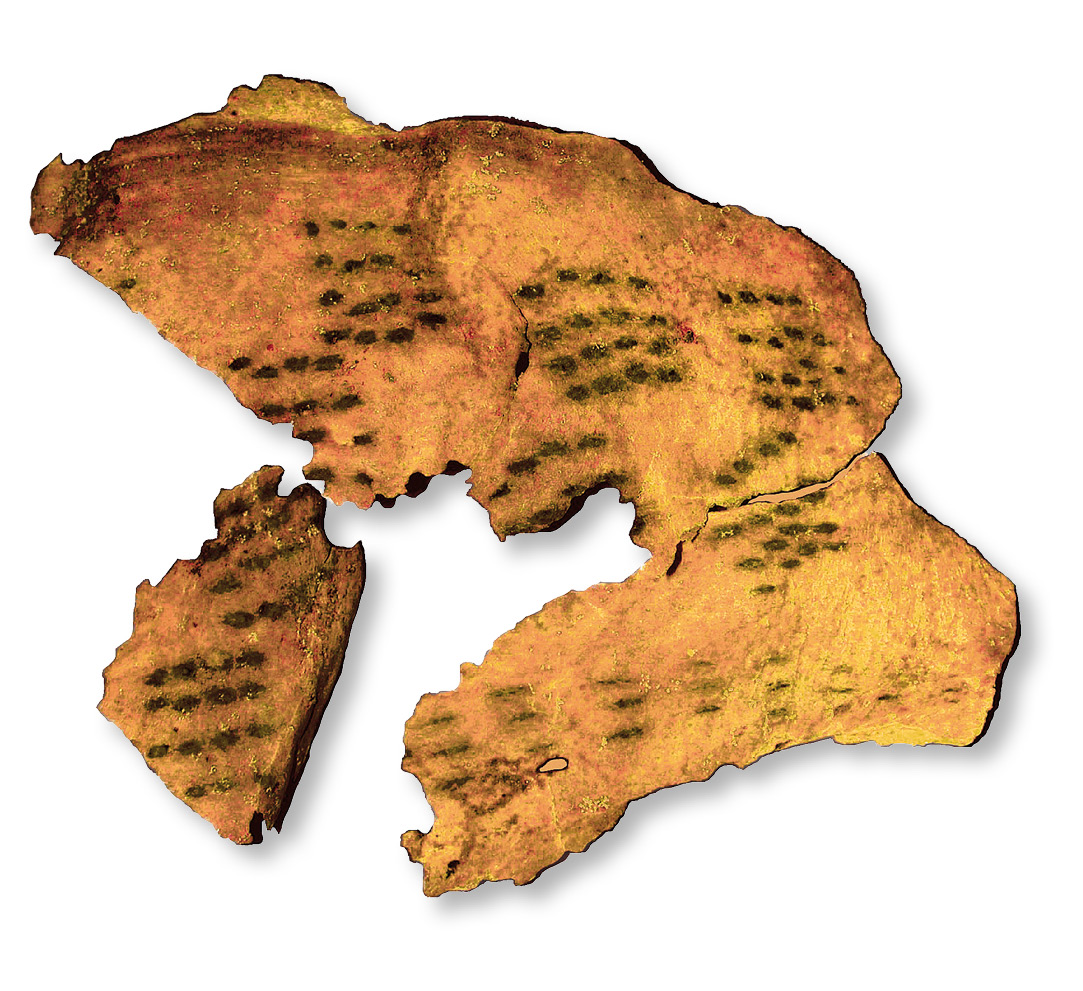
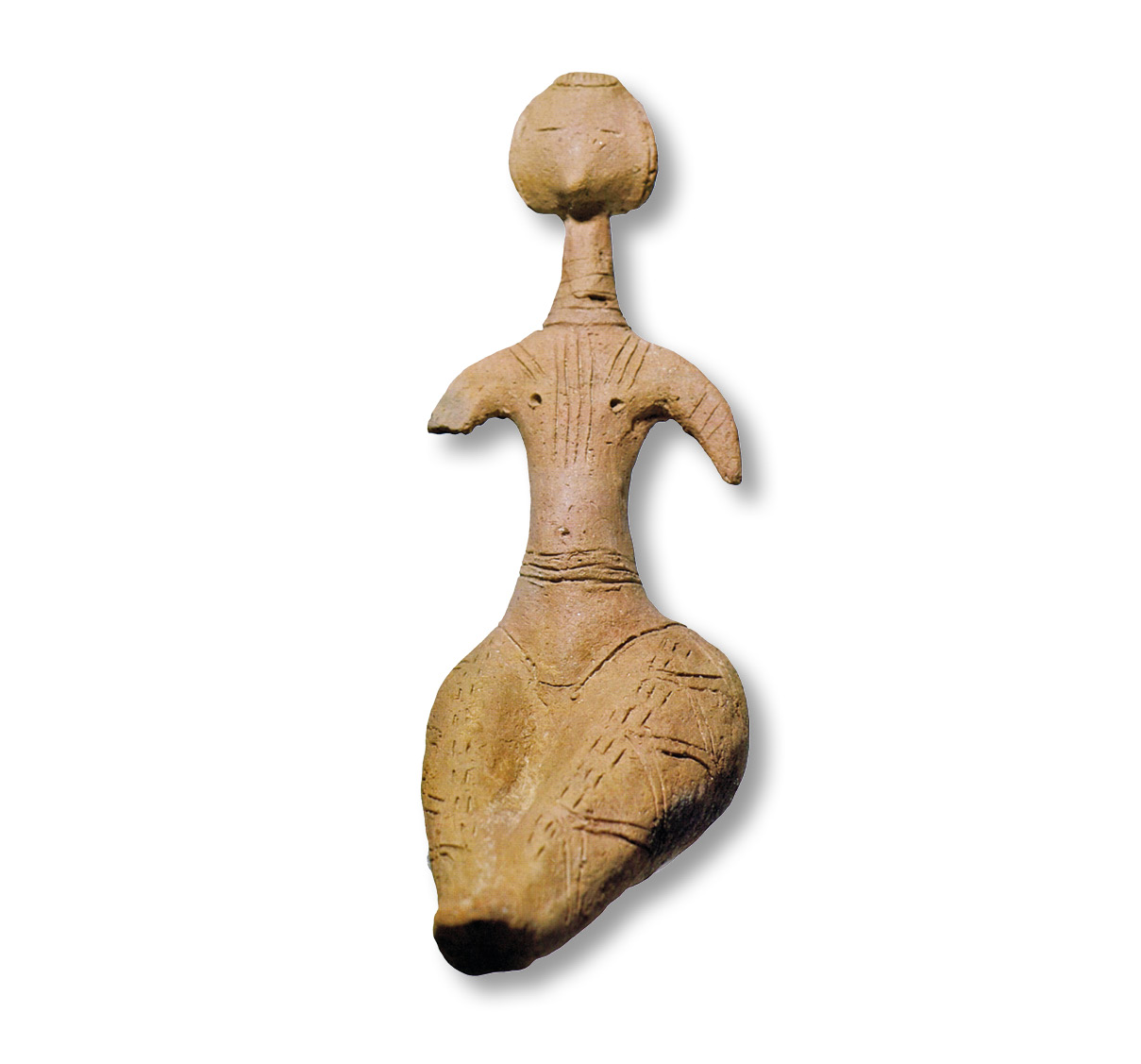
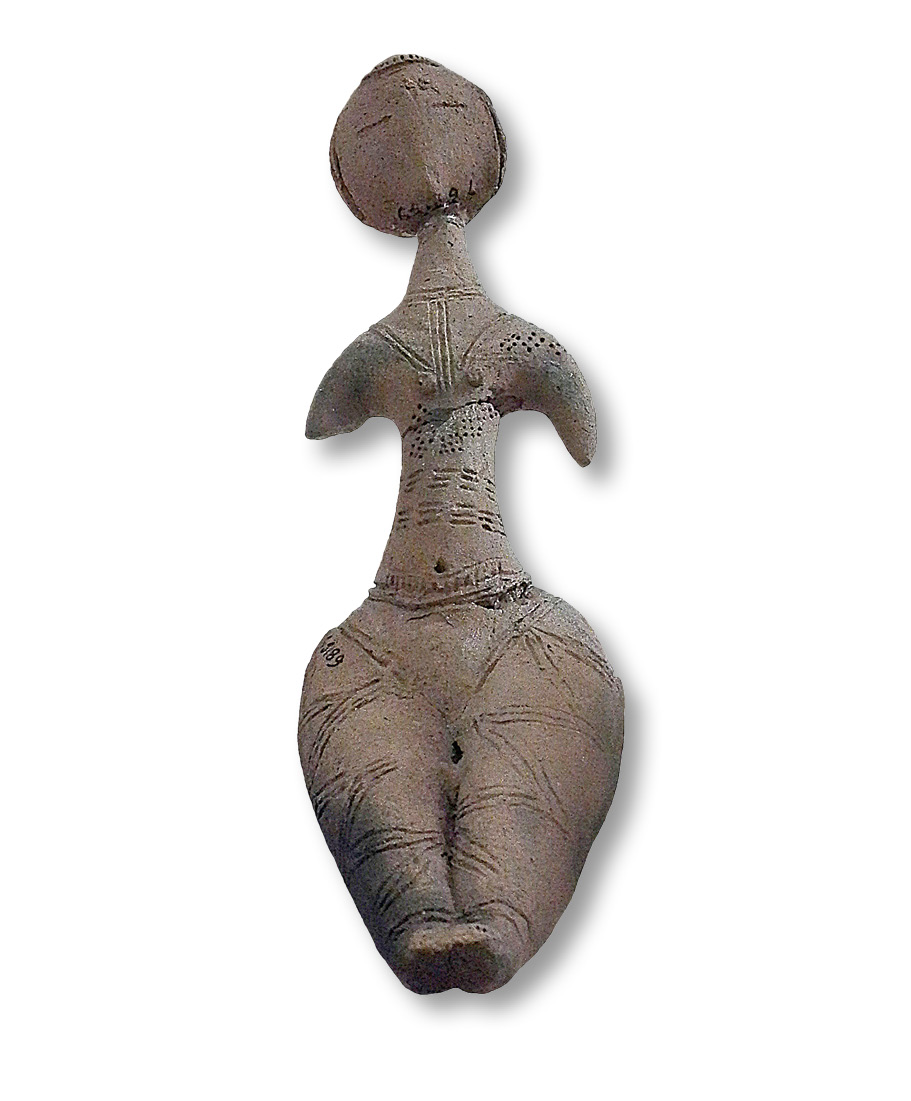
There is as yet no physical evidence for tattoos in the earliest periods of Nubia, but a small number of female figurines dating back to c.4500 BC, decorated with incisions, suggest that body modification may be of even greater antiquity here than in Egypt. The patterns of dots and dashes on their torsos show that from the beginning the technique and language of tattooing was distinct from the figural style favoured in Egypt. Further development of this dot-and-dash style is especially clear within the Nubian C- Group culture, which flourished in Lower Nubia from c.2250-1800 BC, roughly contemporary with Egypt’s Middle Kingdom. The preserved tattoos on the remains of three women buried in the C-Group cemetery at Hierakonpolis (HK27C), and numerous female figurines incised with similar patterns, provide a rich source of information.
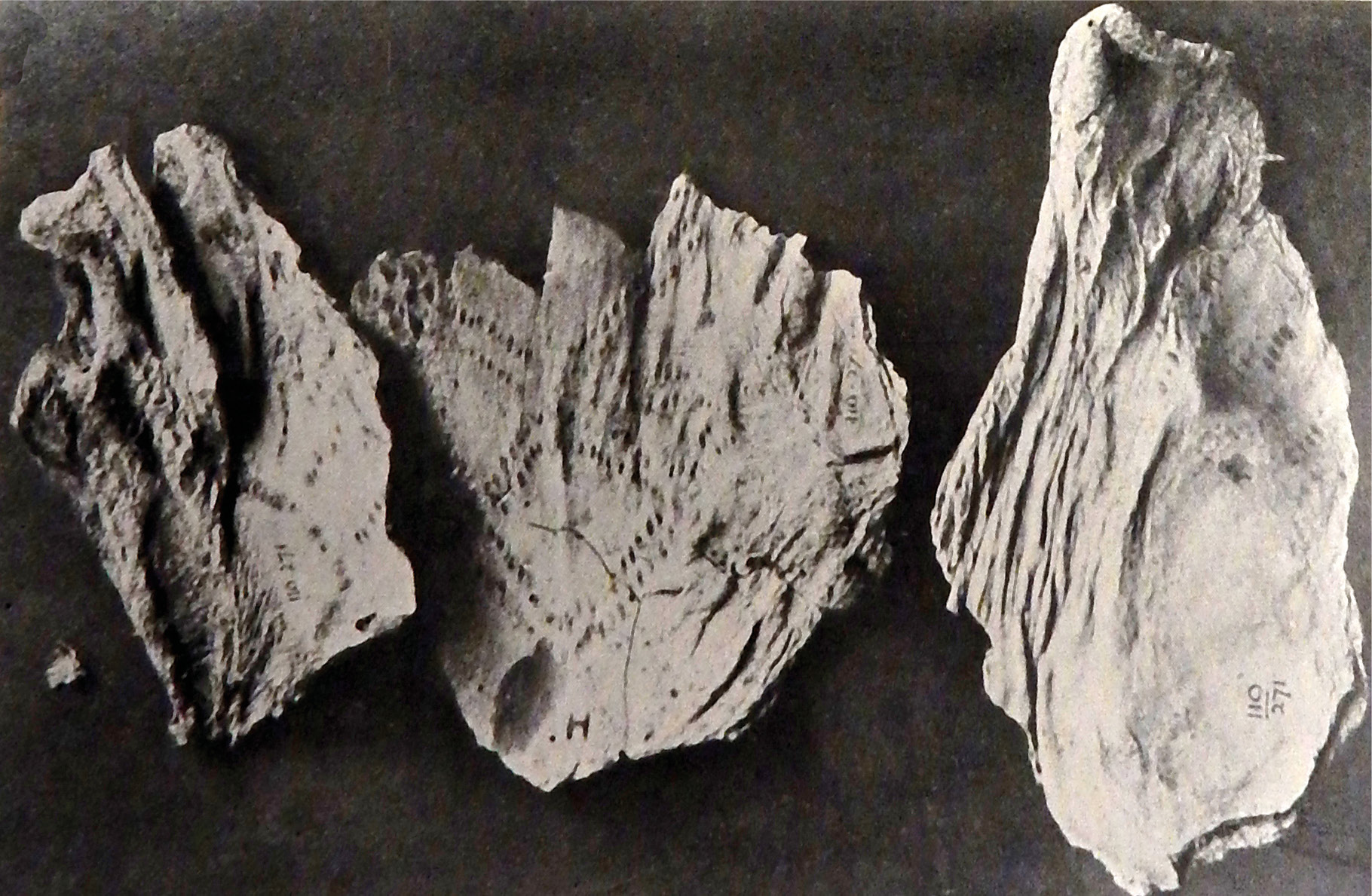
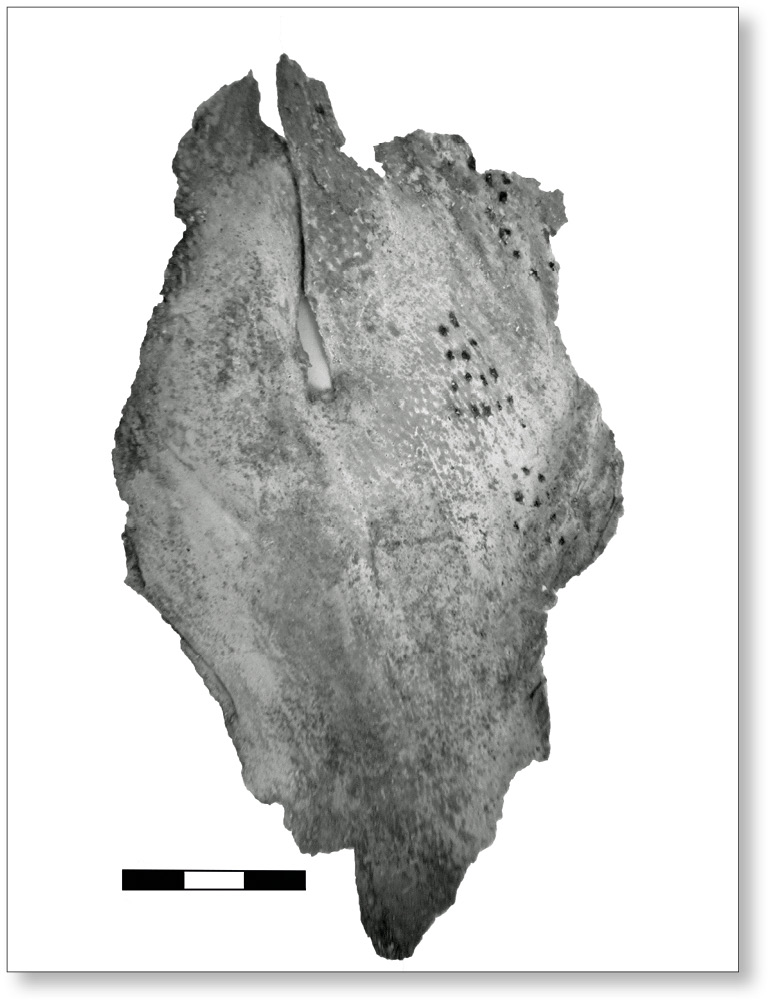
Although located in Egypt, cemetery HK27C at Hierakonpolis belonged to a small enclave of C-Group Nubians who probably formed part of the entourage of the local governors near whom they were buried. The dry conditions favoured the natural mummification of the bodies, allowing the tattoos to be observed on three of the 70 people buried there. All were on older women (45 to 50 or more years of age), whose physical remains were fragmentary, but in many cases it was possible to distinguish the parts of the body from which the tattooed skin originated and reconstruct partial patterns. These were composed exclusively of dotted or dashed lines arranged in various ways. A recurrent design element is a dotted diamond that could be combined to form a chain or lattice. Lines of dots applied in zigzags or in staggered groupings were also observed. Dashed lines were less frequent, but on one individual were used to create an extensive design along her hip and across her lower abdomen. The abdomen tended to be the area with the most-extensive application, but tattoos occurred on the hands, arms, shoulder, and chest, too.
These women were exceptional and must have held a special position within their community.
A certain amount of skin was found in most of the tomb at HK27C, yet thorough examination under infrared of all the remains revealed no other tattooed individuals, suggesting that not everyone, and specifically not every woman, was tattooed. But their tattoos were not the only thing that set these three women apart. At least two of them had distinctive garments made of fine leather intricately cut with tiny perforations, one worn as a head scarf and the other as a loincloth, both probably associated with ritual dance. Such garments were not found in any other graves in this cemetery. This, along with other features including their tattoos, indicates these women were exceptional and must have held a special position within their community.
To what extent tattooing was more generally practised at this time is unclear. Only one other tattoo, from the abdomen of a woman from Kubban, is documented in Nubia for this period, but how many went undetected cannot be known. While it suggests that tattooing was restricted to women in the C-Group, this was not the case among the Pan Grave culture, another distinct southern group, who took up residence in Nubia and Egypt slightly later. Further discoveries at Hierakonpolis have revealed tattoos on the skin of a young man of this culture. The tattoos on his shoulder and chest again consist of dots, but in patterns far different from the C-Group examples. Thus, within the Nubian tradition, the arrangement, patterning, and placement of the dots may have conveyed a variety of other messages, including ethnic, cultural or tribal affiliations.
EES Project Amunet
Led by Angela Tooley and Maarten Praet
In February 1891, Eugène Grébaut stumbled across the intact tomb of the Priestess of Hathor, Amunet, at Deir el-Bahri, within the vicinity of the funerary complex of Mentuhotep II (c.2055-2004 BC). This important Eleventh Dynasty tomb group remains to this day largely unpublished. When unwrapped, Amunet was found to be tattooed, but discussion of her important position in the development of body modification in Egyptian culture is based on old, and often misunderstood, 19th- and early 20th century publications. Correcting and updating this information is one of the goals of Project Amunet. As part of the Egypt Exploration Society’s Affiliate Programme, the project was awarded a small grant to undertake a research trip to Egypt, which took place in May 2025.
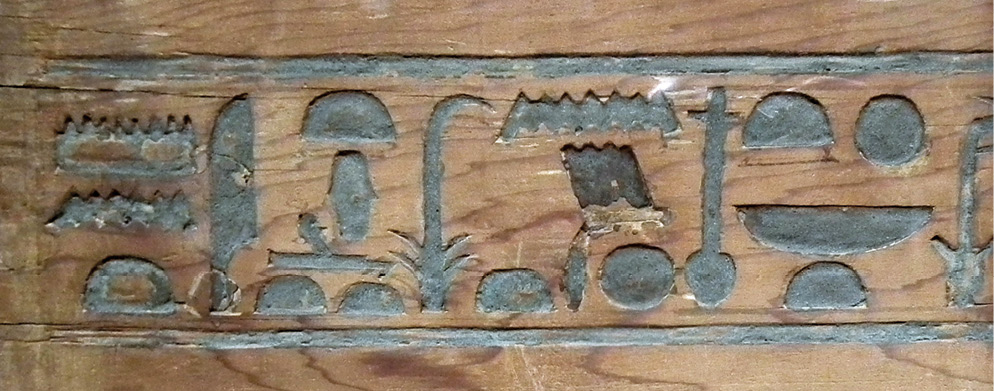
The project aims to study Amunet’s funerary equipment – stone vessels, mirrors, linen sheets, carrying nets, coffins, jewellery – as well as make drawings, measurements, and, importantly, new photography of the tomb group now spread across the three major museums in Cairo. A comprehensive publication of Amunet’s tomb group aims to place this intriguing woman as an important case-study at the centre of ongoing discussions about early Middle Kingdom funerary practices at the royal court and to improve our understanding of the role of the Hathor priestesses at Mentuhotep’s court.
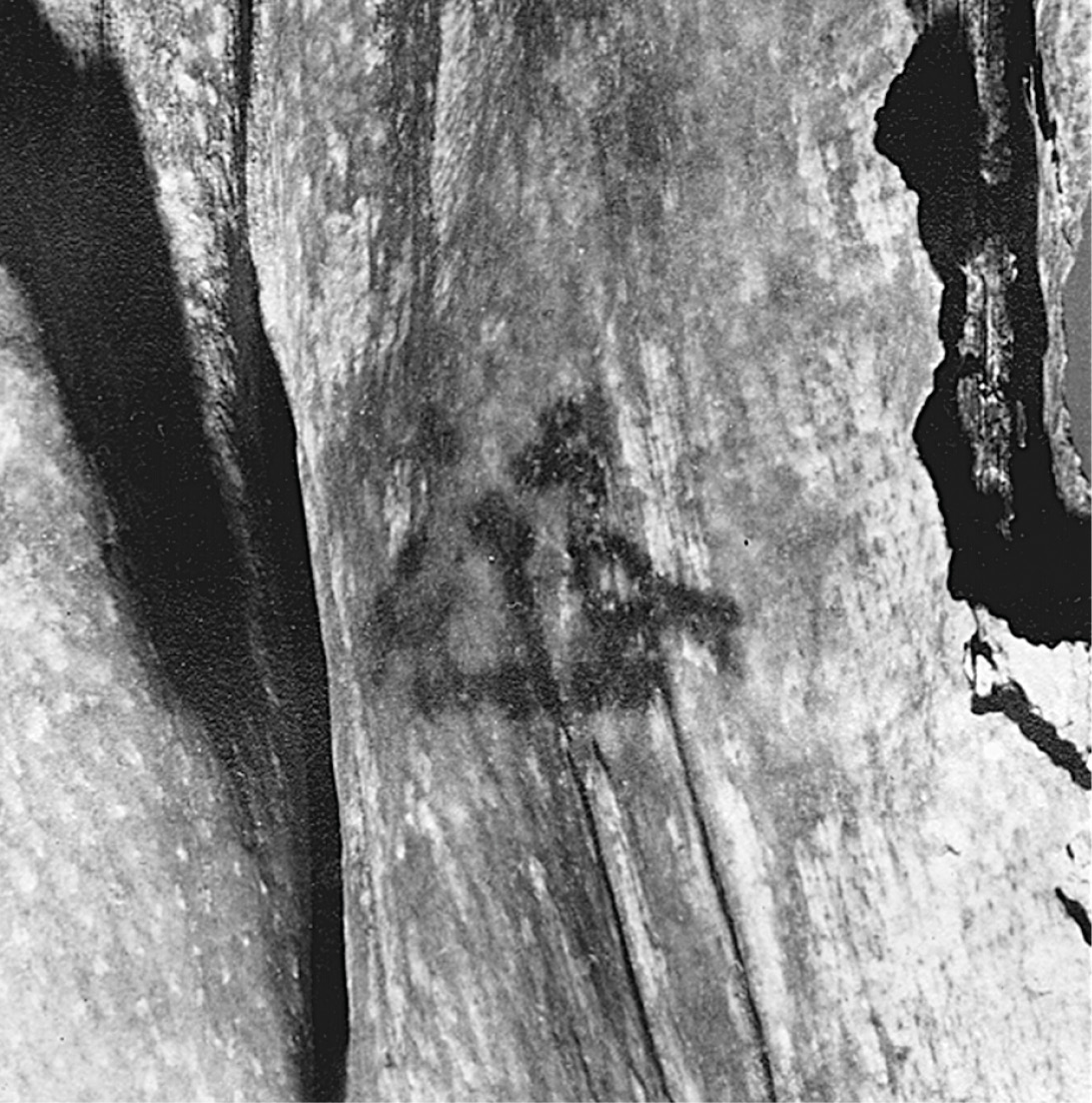
Re-examination of Amunet’s mummified remains by the project will be limited to a visual examination of the skin, hair, and jewellery left on the mummy. A reassessment of the composition and significance of one of Amunet’s tattoos is already under way, but modern photographic techniques such as infrared photography of the tattooed skin will, it is anticipated, allow a better understanding of their nature and distribution, which until now has relied solely on black-and-white photography made in 1938 by Louis Keimer.
Tattooing in Egypt in the Middle Kingdom
The first tattoos ever found in Egypt, and for about a century the oldest known in the world, are on the bodies of three women buried in the tomb complex of King Mentuhotep II at Deir el-Bahri in Thebes. Much discussed, they are in many ways central to the perceptions surrounding tattooing in ancient Egypt.
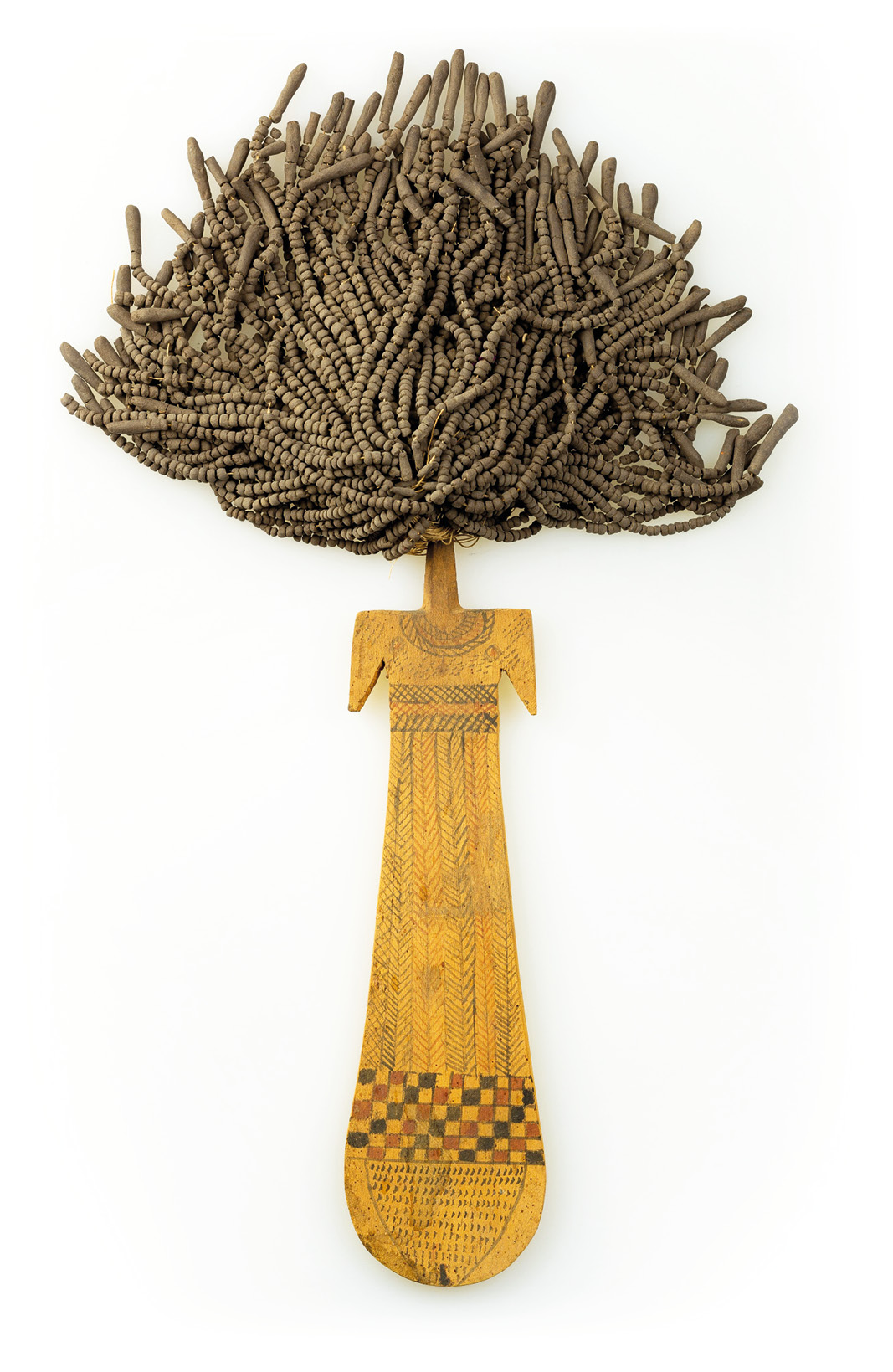
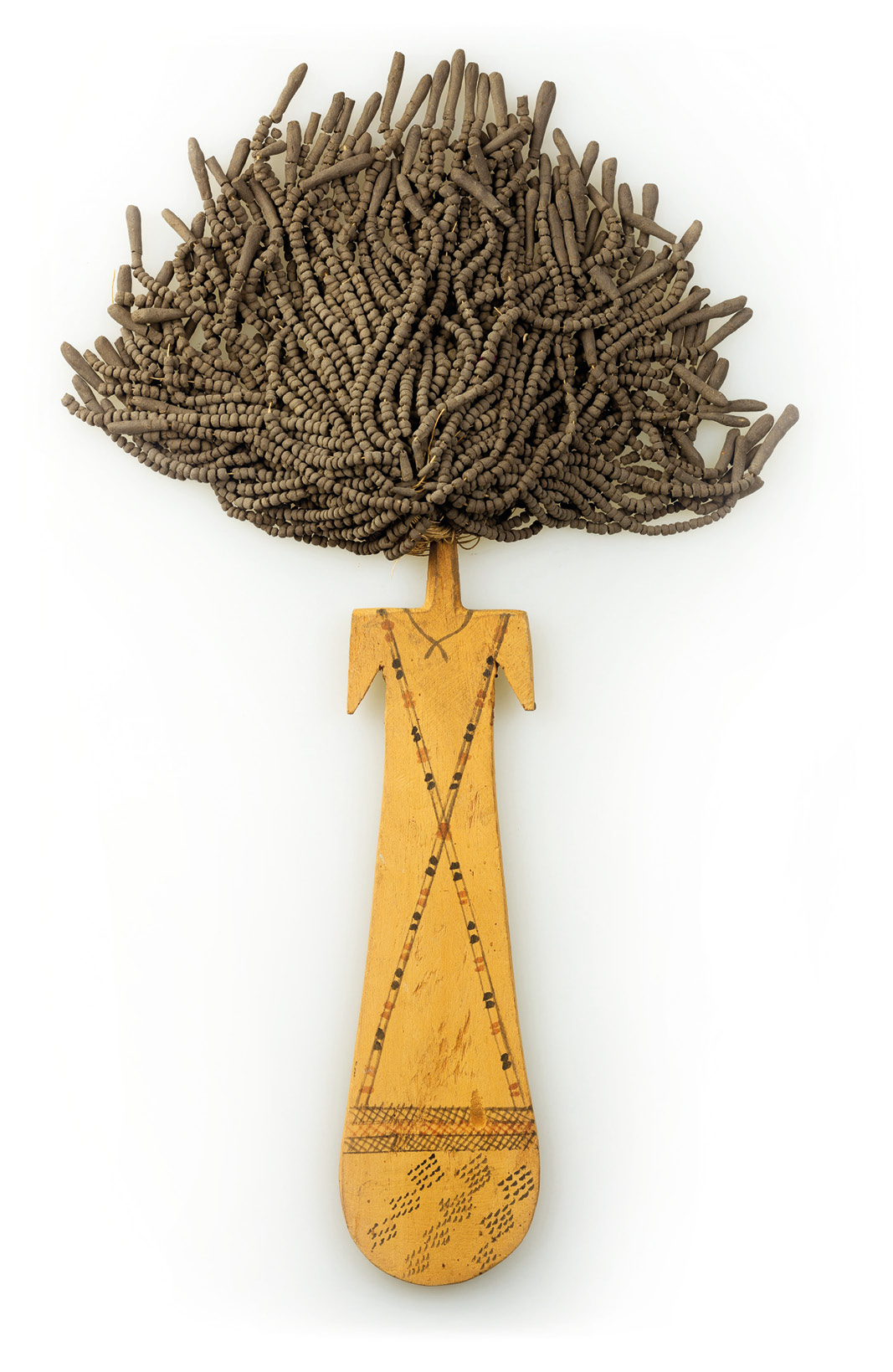
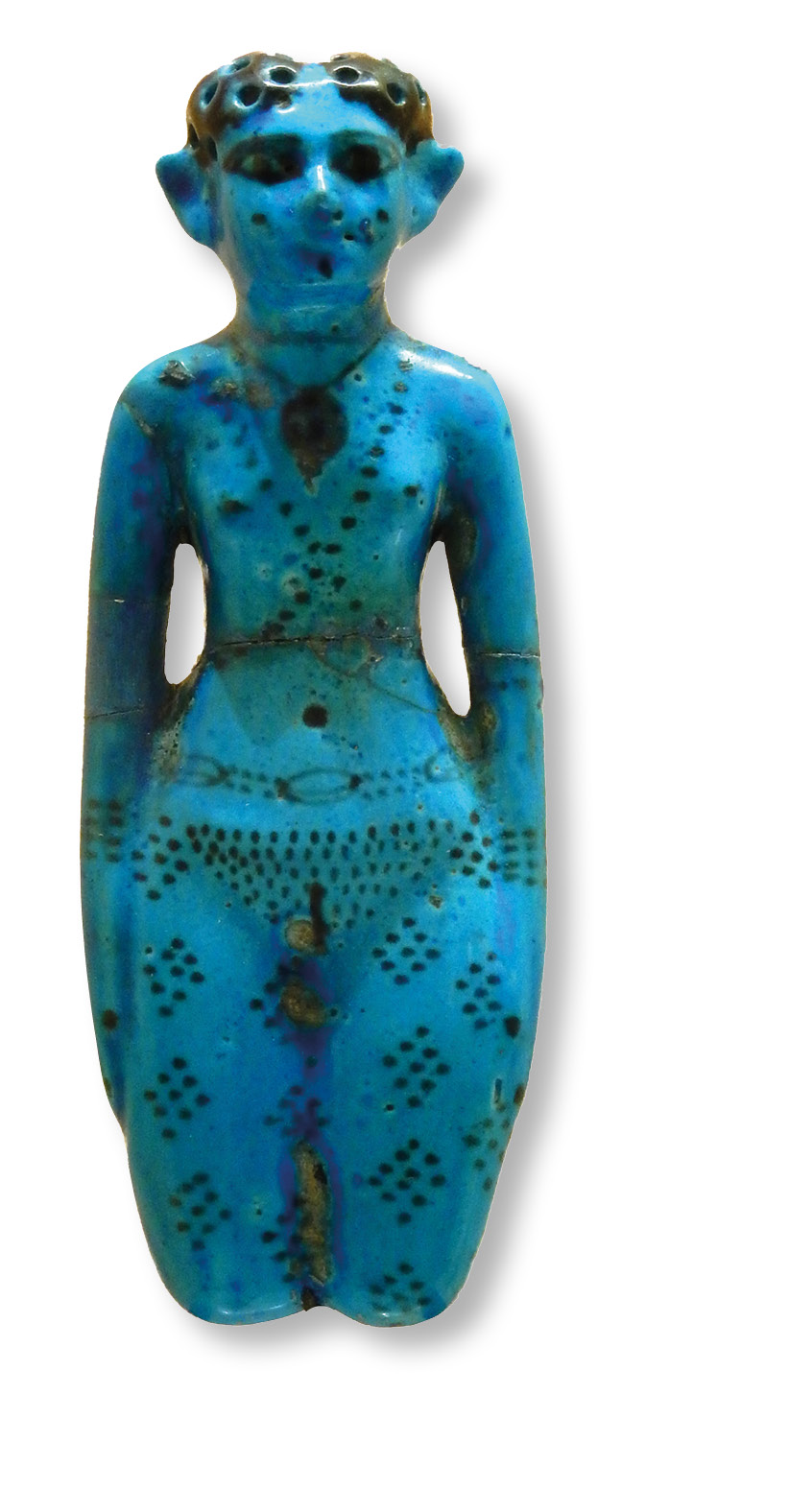
Top & above: Front and back views of a paddle doll with dotted diamond tattoos on her chest and lower back, and (below) the front view
The very first tattooed individual, found in a richly endowed intact grave in 1891, was named Amunet and bore the title ‘Priestess of Hathor’. Tattoos composed of lines and blocks of dots were observed on her shoulder and chest, while a dense array of dashes covered her lower abdomen. Dotted patterns were also applied to her arms and upper legs, but the ongoing examination of the body using new techniques will no doubt reveal much more. The two other tattooed people were found in the same royal burial complex in 1923, but their graves were highly disturbed, and their names lost. Both were tattooed with various combinations of dotted diamonds on the arms, shoulders, chest, and across the lower abdomen. Further combinations of dots were applied to the legs, as well as the feet in one case, and the hands in the other.
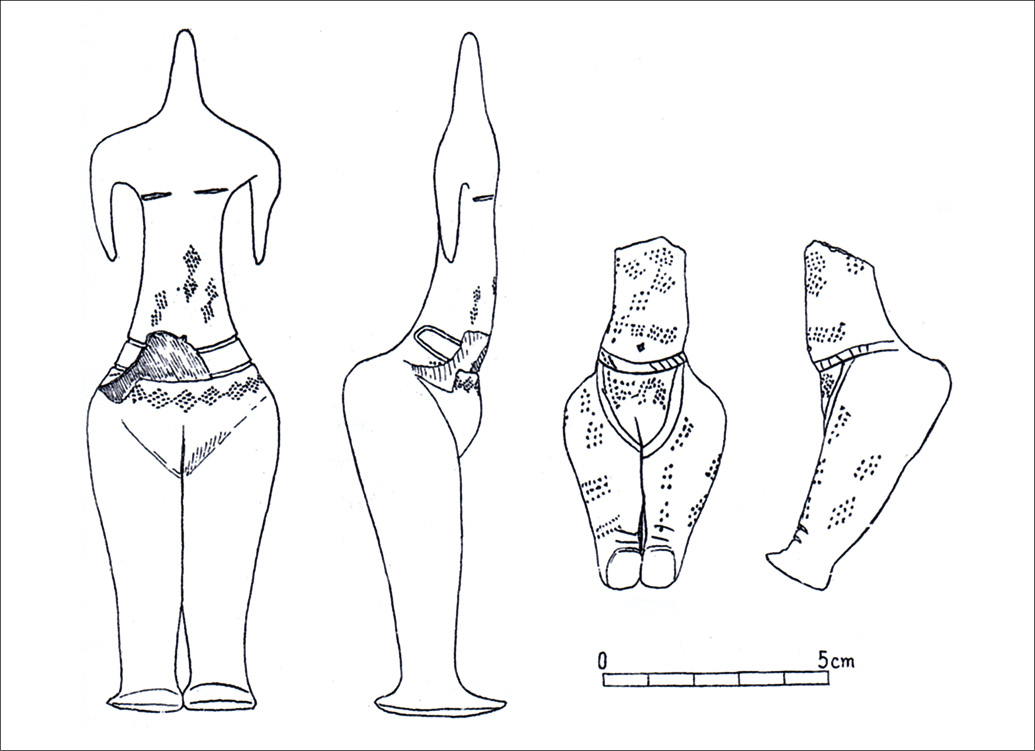
The resemblance of their tattoos to those on the C-Group women at Hierakonpolis is striking; yet attributing a Nubian identity to them remains a matter of debate, as is their status. Despite Amunet’s titles, the two unnamed women were originally considered merely dancing girls or concubines, even though they were buried in a royal precinct. This assessment was based largely on their tattoos, and their resemblance to contemporary faience figurines of often nude women with markings in the dot-and-dash style on their truncated legs. Formerly called ‘Brides of the Dead’, these figurines were believed to provide sexual gratification in the afterlife, with the tattoos advertising their availability (see W Benson Harer’s article in AE 139).
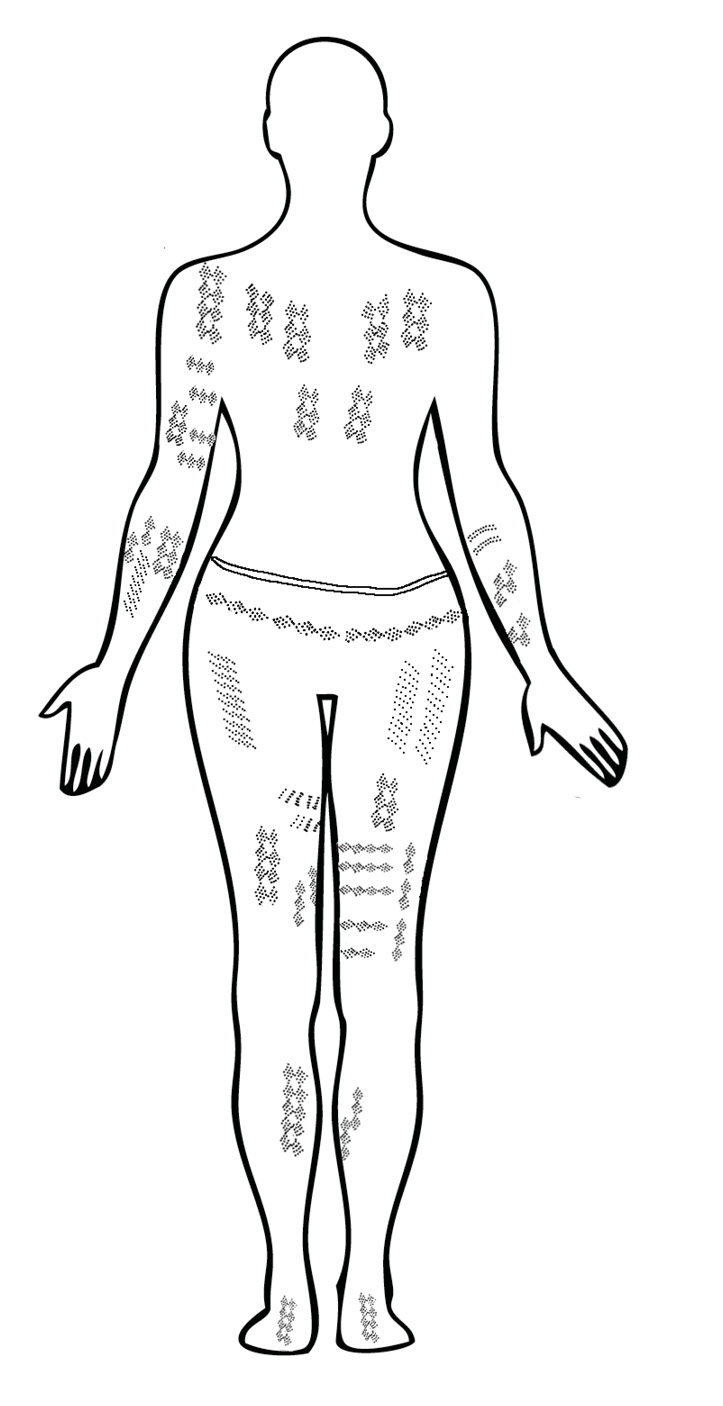
Position of tattoos on a Middle Kingdom woman found at Deir el-Bahri.
More recently, the role of these tattooed women and the figurines has been re-evaluated. They are now widely considered to be ritual performers, here specifically associated with the cult of Hathor, the goddess of beauty, sexuality, and its attendant fertility. As members of her priesthood, they performed to promote birth and rebirth by re-enacting a mythic episode in which Hathor rejuvenated the aging sun god, and thus the cosmos, with an enticing dance.
These finds are also making it clear that one answer does not fit all.
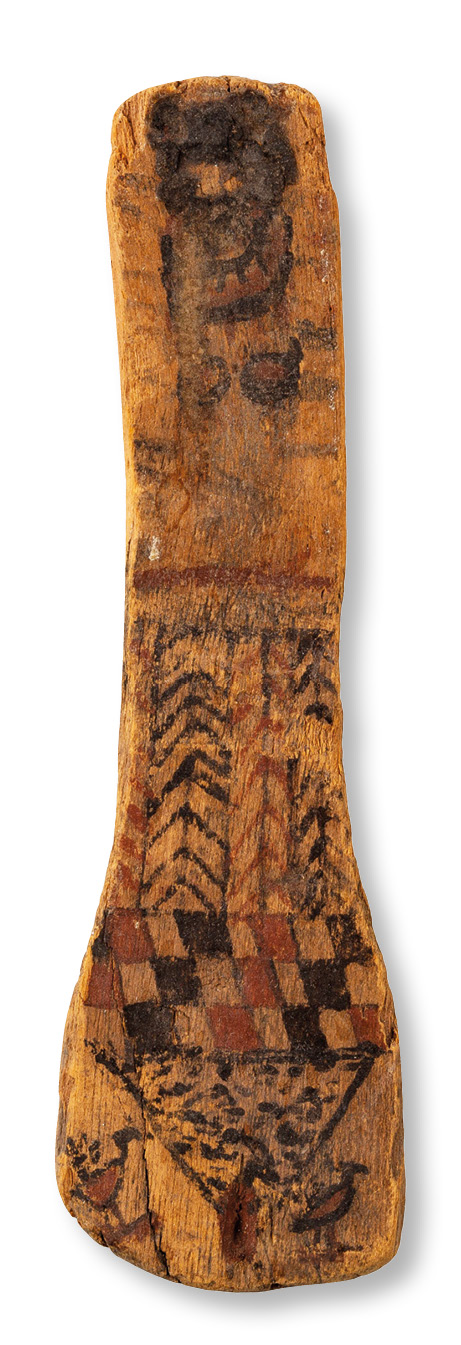
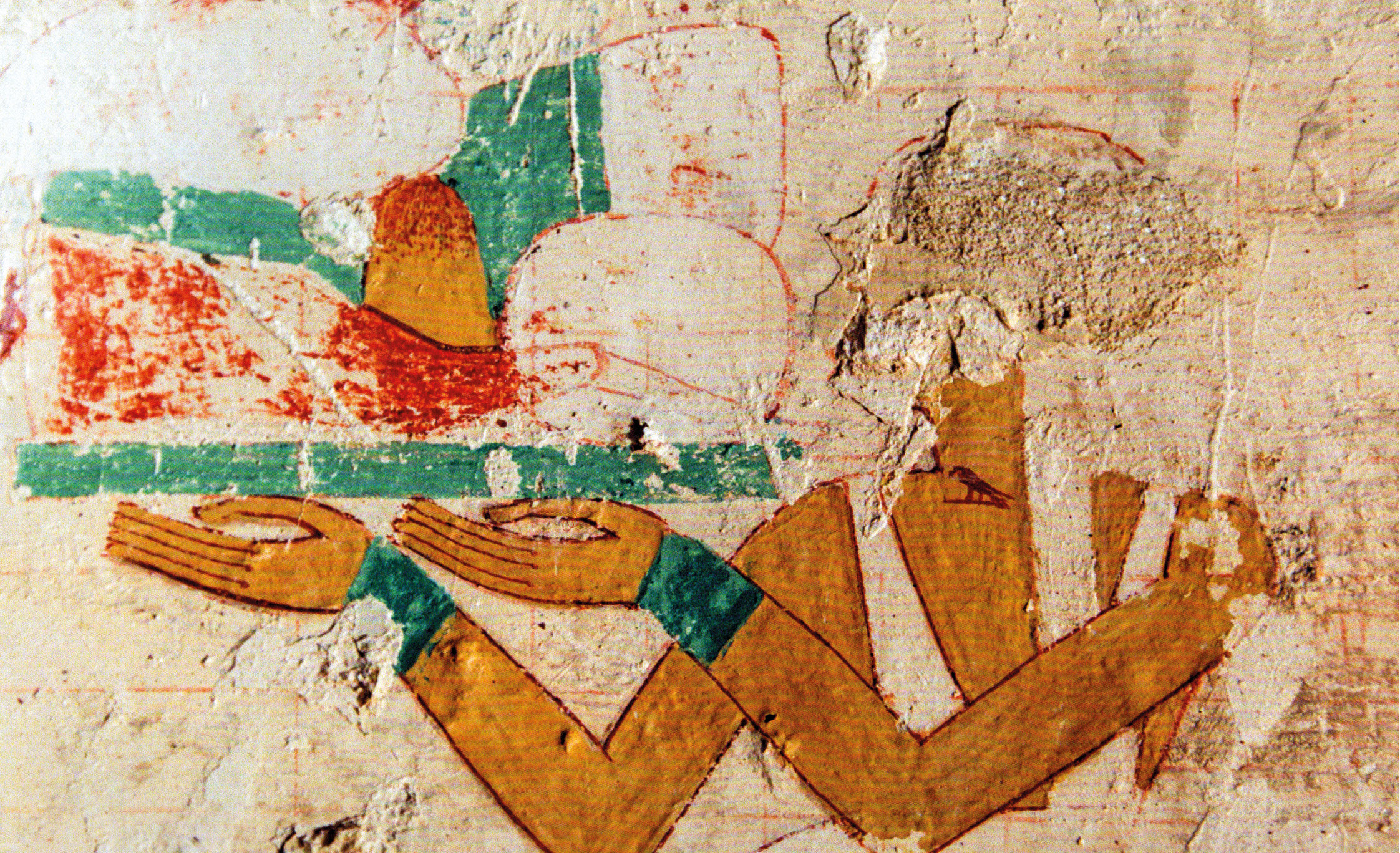
However, these are not the only tattoos known from Middle Kingdom Egypt. A tattoo on the upper arm of a woman buried in Thebes, in the form of two facing birds applied as a continuous line, shows the persistence of the figural tradition of tattooing known from the Predynastic Period. Similar figural motifs, present on the highly schematic paddle dolls, another class of Egyptian figurine, also considered to represent performers, might be tattoos as well (see Megan Clark’s article on paddle dolls in AE 122). Yet tattoos of this type may not have been only restricted to ritual dancers. A painted scene in the Middle Kingdom tomb of Wekhhotep II at Meir includes a row of female offering bearers, some of whom have a discrete motif added to the bare skin of their upper chest which appears to represent a tattoo. In one case, it is a falcon, in another, possibly a bee. As each woman is differentiated by clothing or hairstyle, suggesting they depict real people, such tattoos may have been personal markers or charms, which in this context conveyed individual identity.
New discoveries and new ways of thinking about tattooing in the ancient Nile valley are shifting old perceptions about who tattooed and why. But these finds are also making it clear that one answer does not fit all. Protective devices, badges of bravery or profession, enablers of abilities, markers of identity, and beauty enhancements are just some of the possible motivations. Furthermore, their uses and users were not static over time, and in the next part we will explore the wealth of information on tattooing from the New Kingdom and later.
Dr Renée Friedman is a graduate of the University of California, Berkeley, and has been Director of the Hierakonpolis Expedition since 2002. Formerly the Heagy Research Curator in the Department of Ancient Egypt and Sudan of the British Museum, she is the author of many scholarly and popular articles, particularly about Hierakonpolis.
Further reading:
• A Austin (2022) ‘Shifting perceptions of tattooed women in ancient Egypt’, in M F Ayad (ed.) Women in Ancient Egypt: revisiting power, agency, and autonomy (AUC Press).
• R Friedman (2017) ‘New tattoos from ancient Egypt: defining marks of culture’, in L Krutak and A Deter-Wolf (eds) Ancient Ink: the archaeology of tattooing (University of Washington Press), pp.11-36.
• E F Morris (2017) ‘Paddle dolls and performance’, Journal of the American Research Center in Egypt 46: 71-103.
All images: Renée Friedman (RF), unless otherwise stated