
Subscribe now for full access and no adverts
Amenemhat II (c.1922-1878 BC), the third king of the Twelfth Dynasty, is one of the more enigmatic of Egypt’s Middle Kingdom kings. He ruled for at least 35 years, but until recently we knew little about his reign. There are no large temples dedicated to the king, and few of his monuments have survived. The remains of his large royal pyramid are barely visible and not yet systematically explored.
However, two fragments of an annal stone were found at Memphis, which record events during two years of his reign. Their analysis has shed new light on Amenemhat II, and on kingship in Middle Kingdom Egypt. While the rest of the reign remains obscure, it appears that Egypt flourished under his rule. There are many private monuments dating to his reign, and the quality of Middle Kingdom artwork reached a new high point.
Royal family
Amenemhat II was the son of Senusret I and his sister-wife Neferu. Two sisters are known: a lady called Sebat, and another Itakayet, who was buried at Lisht near her father’s pyramid.
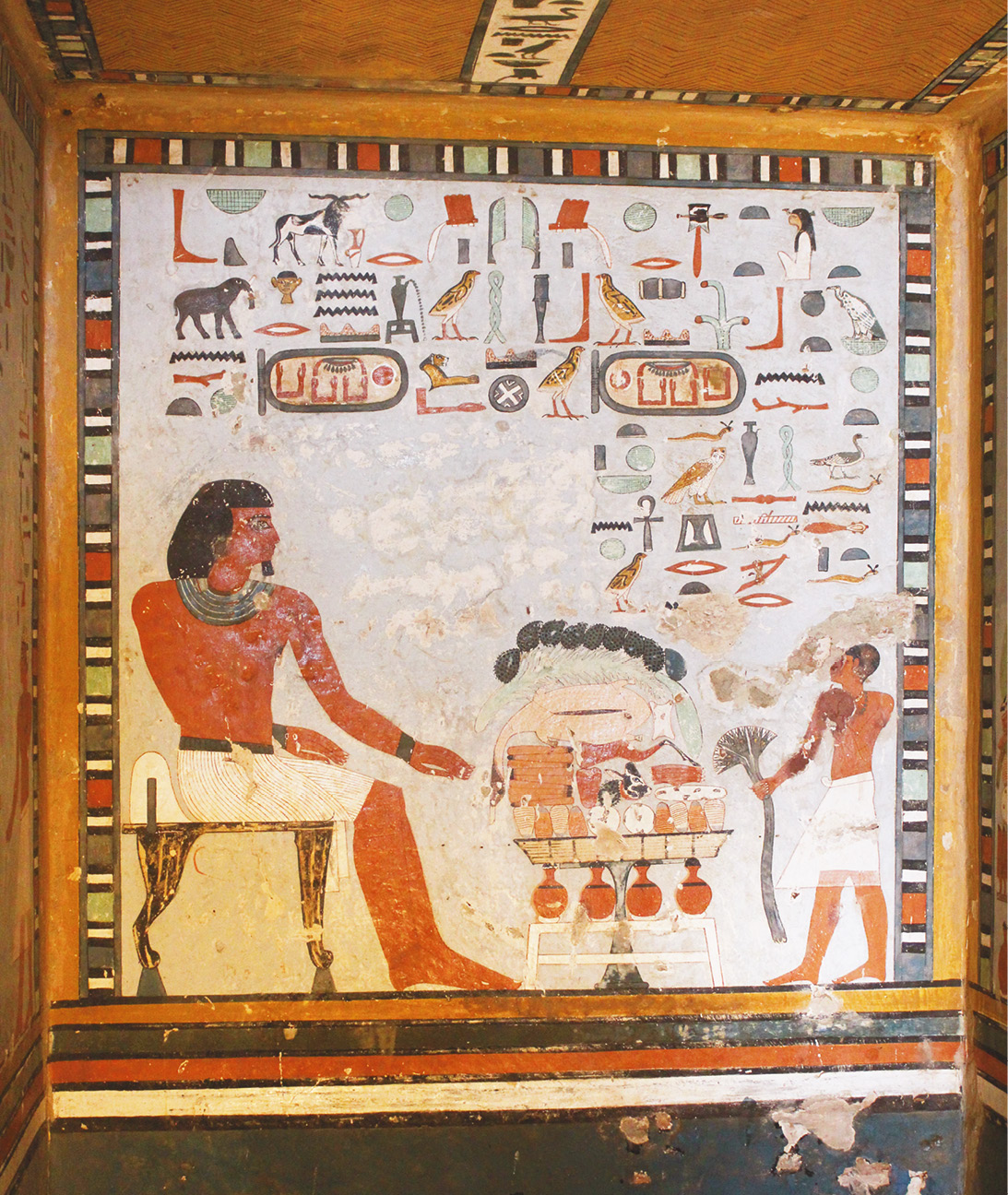
Unlike most kings before the New Kingdom, Amenemhat II is known from an inscription dating to a time before he became king. In the tomb of the local governor Amenemhat at Beni Hasan, there is a long biographical inscription reporting events of the governor’s life. Here he mentions travelling to Coptos with the ‘king’s son’ Ameny to bring back gold. ‘Ameny’ is a common nickname for Amenemhat. The inscription is dated to Year 43 of Senusret I, shortly before his death. So it seems likely that Ameny was the future king Amenemhat II, and that he was already involved in missions before becoming king.

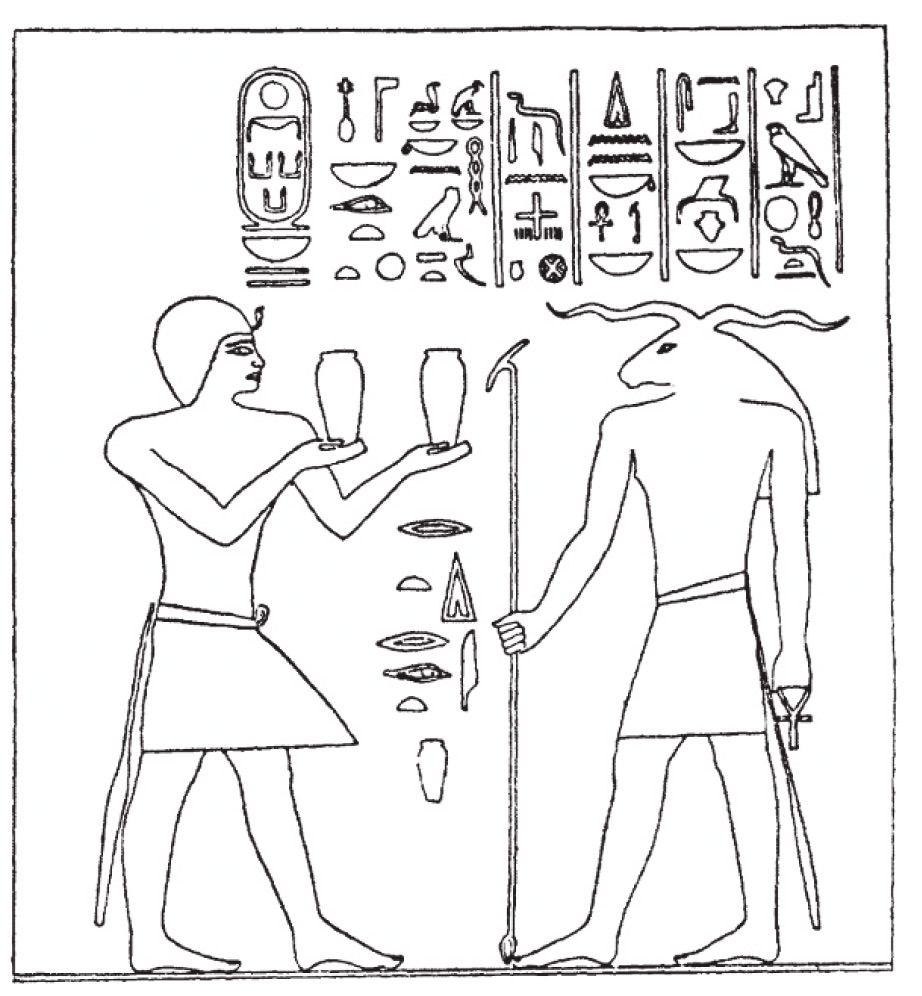
Amenemhat II most likely became king while his father was still alive, father and son ruling together for a few years before Senusret I died. As king, Amenemhat II took the throne name Nubkaura (‘golden are the kas [souls] of Ra’). His Horus name was Hekenuemmaat (‘He who delights in Maat’), but it is Nubkaura that is most often mentioned on private monuments.
Amenemhat II’s immediate family is rather obscure. His queen is not known for sure, and neither do we have the name of the mother of his heir, Senusret II. Next to his pyramid at Dahshur, several royal burials were excavated: three king’s daughters, and a ‘king’s wife’, Keminub, once regarded as the wife of Amenemhat II. However, later research suggests her burial is typical for the end of the Twelfth Dynasty or later, so she was more likely wife of a Thirteenth Dynasty king, and buried here decades later.
Another contender for the queen of Amenemhat II is a lady called Senet. Three statues bear her name and titles (‘king’s wife’ and ‘king’s mother’), but none of them mention her husband or son. However, as the queens of most Twelfth Dynasty kings are known, it is likely she was indeed consort to Amenemhat II. Only one of her statues preserves her head, but that was heavily reworked in the 19th century, so a stylistic analysis of her sculpture does not help very much in dating her.

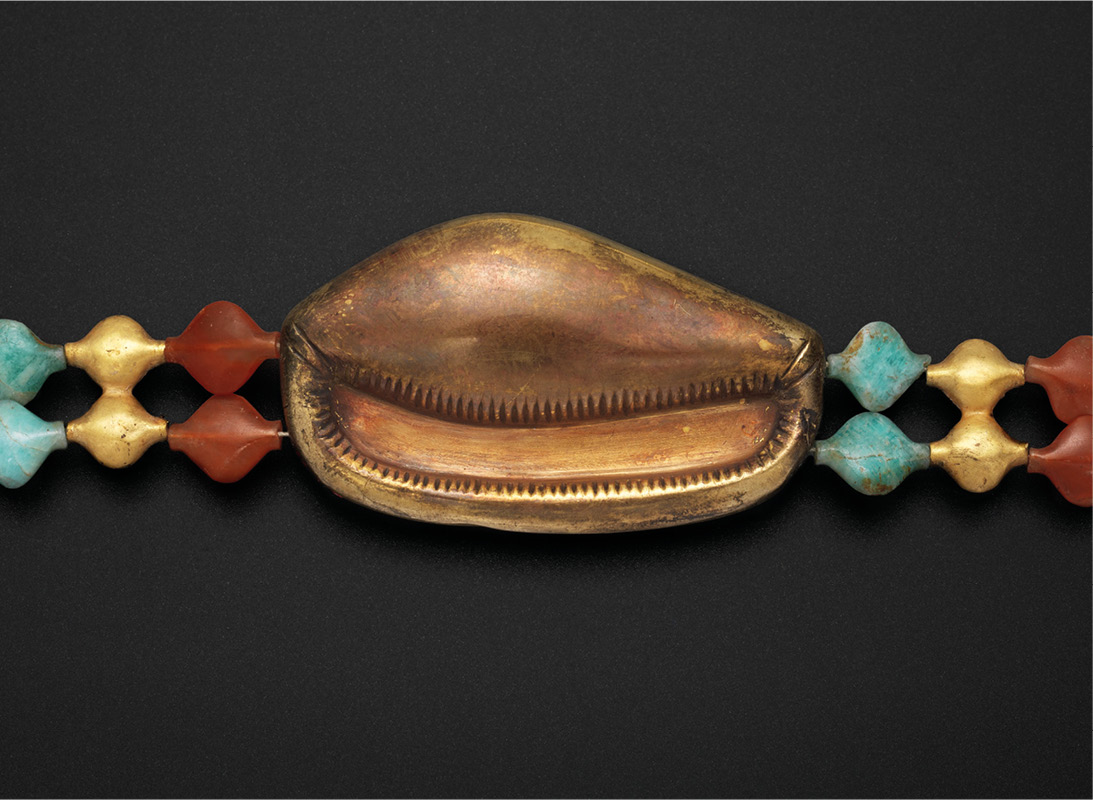
Amenemhat II’s daughters were possibly Ita, Itaweret, Khenmet, and Khenmet-nefer-hedjet. The first three are known from their burials next to the king’s pyramid, while the latter is known from an inscribed bead.
The head of a sphinx, now in the Brooklyn Museum in New York, must belong to one of the female family members of the king. The head is an outstanding work of art – one of the finest of Egyptian sculptures – and can be assigned with some certainty on stylistic grounds to the reign of the king. Two possible sons are known: Senusret II, the successor; and Amenemhat-ankh, who is known from a substantial number of objects. Amenemhat-ankh fulfilled some religious functions in life, and was buried at Dahshur.

Early reign
Amenemhat II may have faced problems early in his reign. A door lintel found at Heliopolis mentions a king Seankhibra. Seankhibra is a throne name; the birth name of the king is not mentioned. Previously scholars dated the monument and the king to the Thirteenth Dynasty; however, a closer look at the style of the relief shows that it most likely dates to the reign of Amenemhat II. So is this an otherwise unattested king from the middle of the Twelfth Dynasty? Could this mean there was a rebel king in Heliopolis, ruling for a short time and challenging the power of the Twelfth Dynasty king? Or did Amenemhat II change his throne name at the beginning of his reign from Seankhibra to Nubkaura? At the moment, we have no evidence to confirm any of these theories.
The annals of Amenemhat II
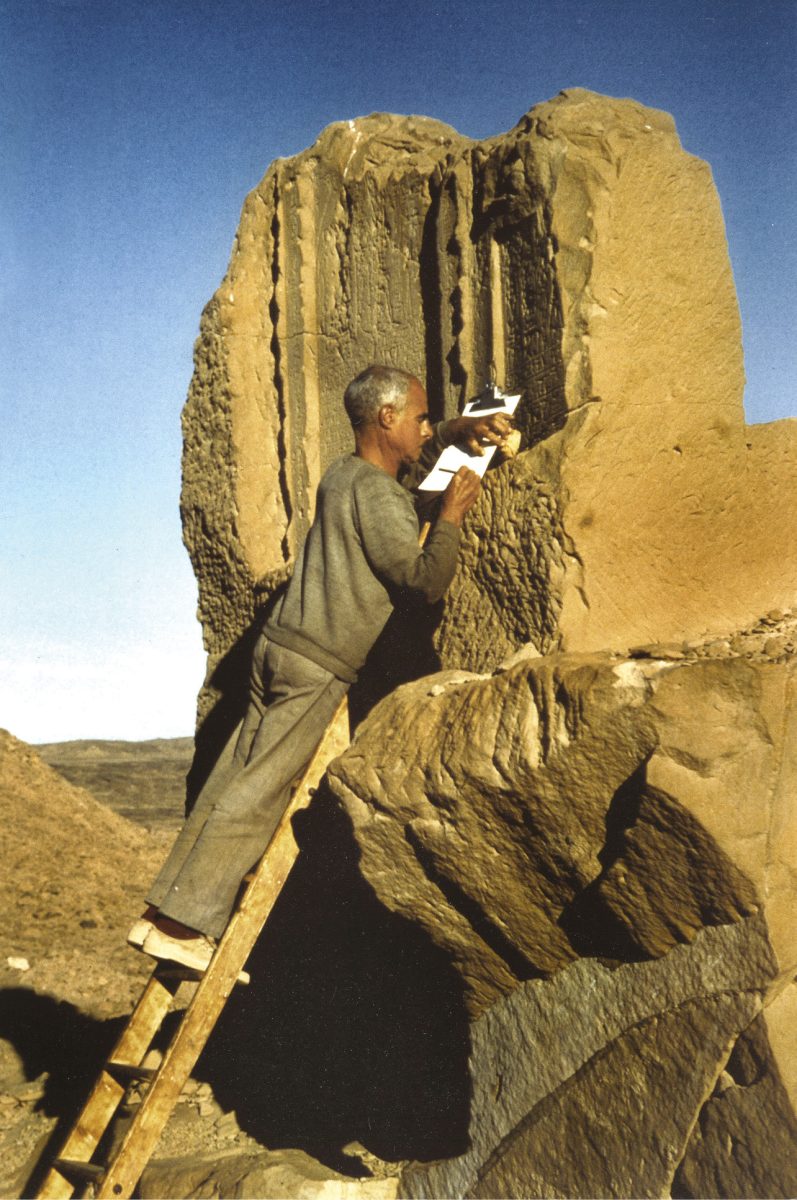
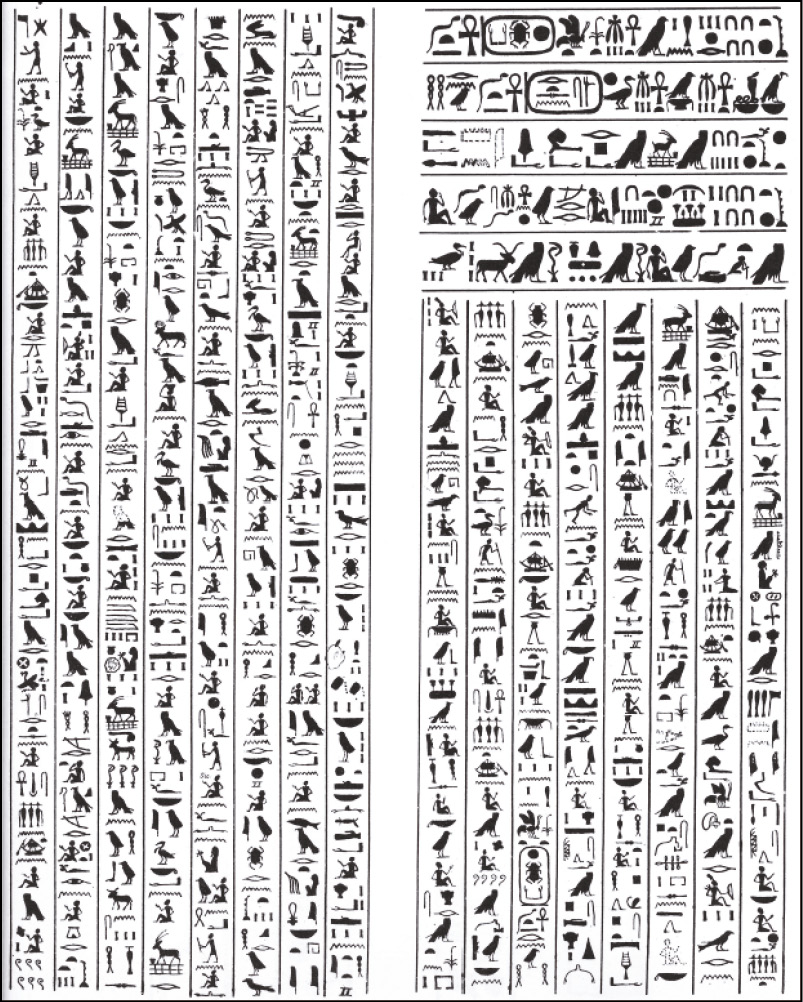
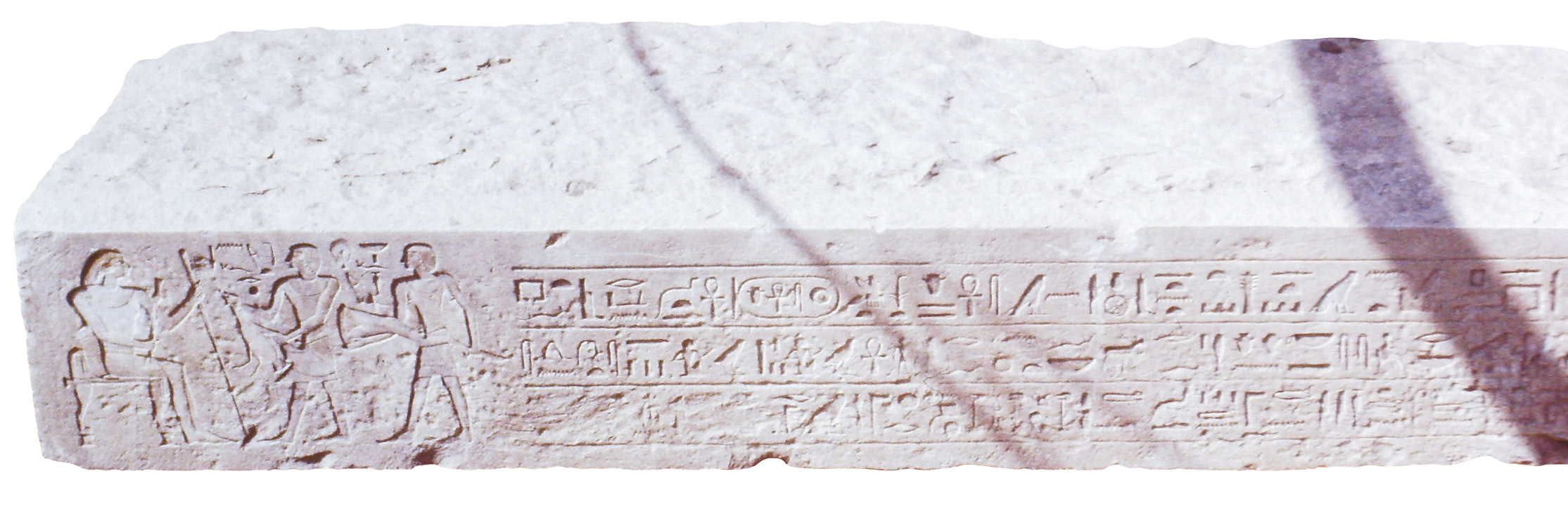
For a long time, little was known about the king’s reign. In 1908, Flinders Petrie discovered a fragment of inscription on a stone at Memphis, but it was not until 1974 with the discovery of a second, larger fragment of the text on the underside of a Ramesses II statue-base, that its importance was recognised. The inscriptions form part of the annals recording events in the reign of Amenemhat II that were carved on granite blocks. Evidently builders under Ramesses II destroyed old temples and reused that stone material for the monuments of the New Kingdom king.
The main inscription found in 1974 was published as a handwritten copy with some photographs in 1980 by Sami Farag (then director of Egyptian antiquities in Memphis and Saqqara). However, the text is written in Old Kingdom language in a clipped ‘telegram’ style (nowadays we might call it ‘Twitter-’ or ‘X-style’). Egyptian hieroglyphs and Egyptian language are well known, but, while we can read many inscriptions, some texts remain difficult to interpret, and the annals belong to the latter category. The text contains many unknown words and strange writings, and sentences are often short, so that it is sometimes impossible to decide where a sentence starts or ends. However, German Egyptologist Hartwig Altenmüller published a first translation in 1991, followed by a more-comprehensive version in 2015. The annals are only partly preserved, with only two years of the king’s reign surviving, but they provide amazing insights into the Middle Kingdom.
The annals mention a military campaign against the Levant towns Iuai and Iasy, with 1,554 prisoners of war captured and brought to Egypt. The number 1,554 is highly symbolic. This is two times 777. If we believe this number, it seems 777 people were chosen in each town to be deported to Egypt, where they were taken to work on the king’s pyramid complex. The text also mentions a Levant mission to Egypt where the ‘children of the rulers’ paid tribute, bringing a further 1,002 people, as well as a trade mission bringing 62 people, and a report of an expedition to Sinai where turquoise was collected and taken to Egypt. Another part of the text records the king going to the Fayum Oasis to catch birds. While this event may sound like some kind of ‘joy ride’, it is more likely that this was a religious ritual to demonstrate that the king was lord over nature. The text also mentions many donations to temples. The number of objects given is often small, but it shows the importance of such activity.

Building programme
There is very little in the way of building work attested for Amenemhat II. His name is preserved on the remains of a temple gateway at Hermopolis Magna (el-Ashmunein), and it is possible that Amenemhat II built at Abydos, as indicated by inscriptions on private stelae, although nothing has survived. Two stelae (BM 576 and BM 256) belonging to the chamberlains Senitef and Snefru mention that they built the ‘the first temple’ for king Nubkaura.
There may have been more building work at Heliopolis (near modern Cairo). Although again little has survived there, evidence comes from the discovery of a colossal sphinx that is now in the Louvre.

The Amenemhat II sphinx
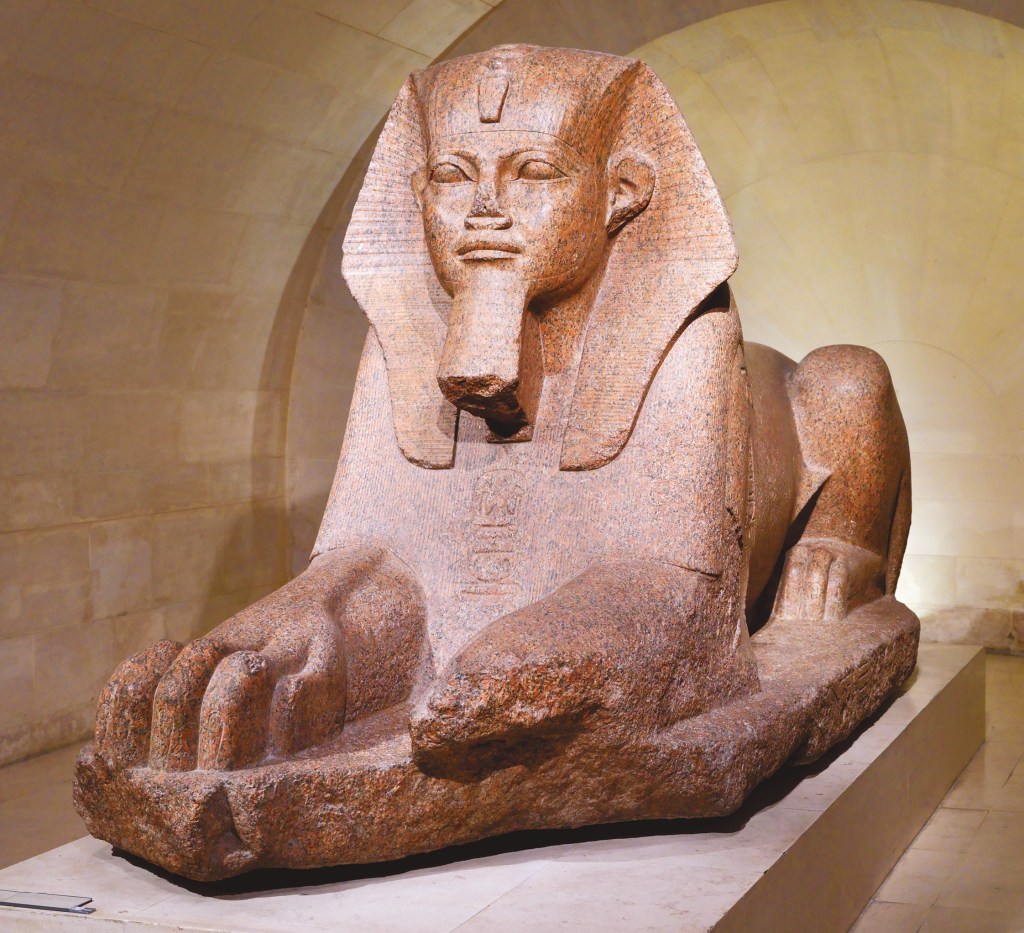
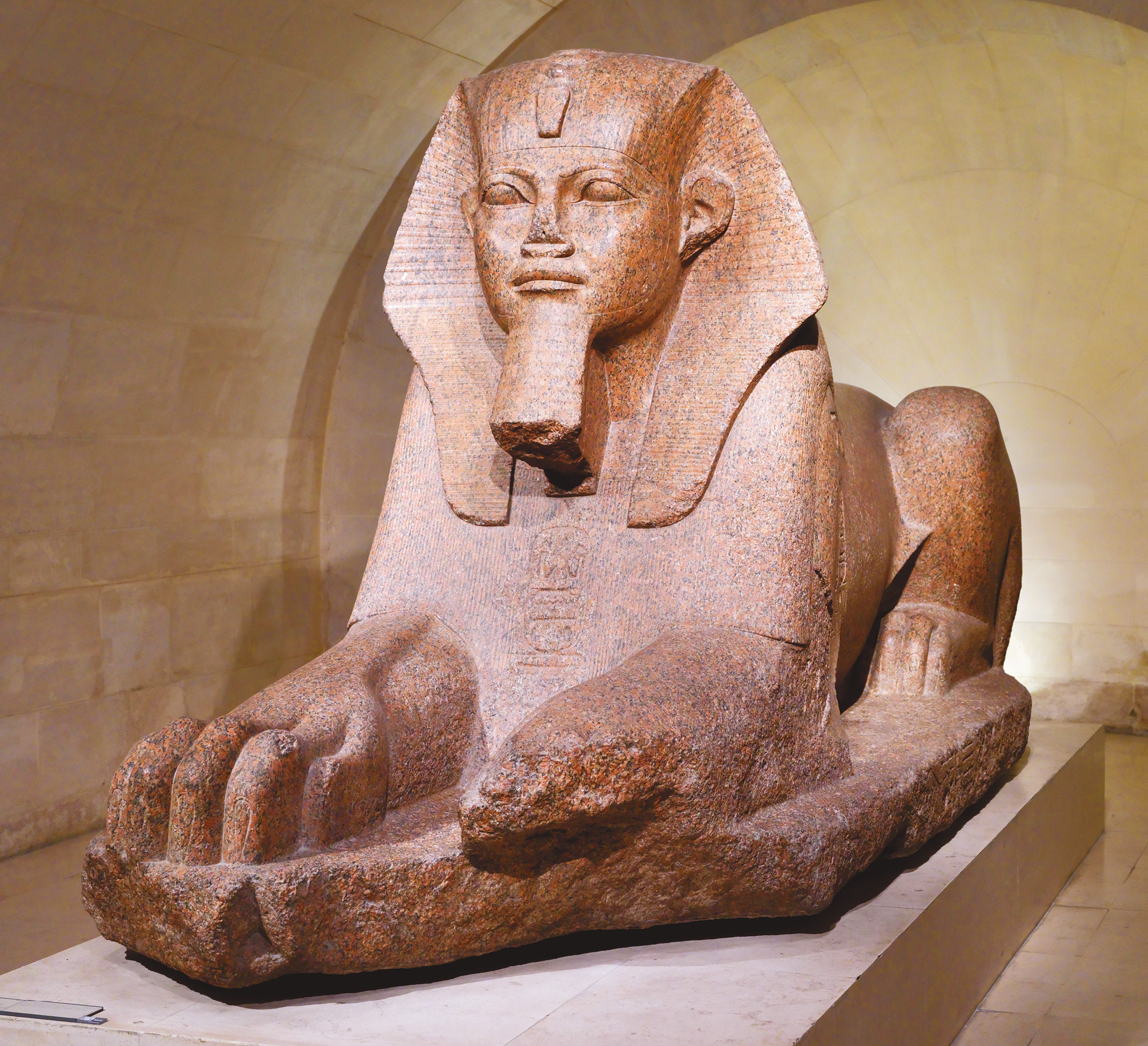
The sphinx was found at Tanis, the capital of Egypt in the Twenty-first Dynasty. Statues and stone for building new temples at Tanis were brought from all around the country, but evidently mostly from places nearby – especially from Ramesses II’s city of Pi-Ramesses, which had been abandoned at the end of the New Kingdom. Much of Pi-Ramesses had itself been built using material from other places – much of it from Heliopolis. So this sphinx already had a long history when it was discovered in the 19th century by the English diplomat and traveller William Hamilton. It is shown on a sketch map made in 1825 by French excavator Jean-Jacques Rifaud. The British Consul General Henry Salt removed the sphinx, with the intention of selling it with other objects to the British Museum. The museum, however, refused to buy the collection, which went instead to the Louvre in Paris in 1828, following a recommendation by Jean-François Champollion.
The statue is an impressive monument. It is 4.8m long and 2.0m high. There are several inscriptions on the statue belonging to different kings. The oldest mentions ‘Amenemhat II: King of Upper and Lower Egypt, the two ladies, Hekehnuemmaat, Nubkaura’ (the short text is not well preserved). Later kings (the Hyksos king Apepi, Merenptah from the Nineteenth Dynasty, and Seshonq I from the Twenty-second Dynasty) added their names, and most likely used it to adorn their own temples or palaces. As a ‘fun fact’, 12 copies of the sphinx were made for the Crystal Palace in London. The glass-and-steel structure built to house the Great Exhibition of 1851 is no longer standing, but six of the sphinxes still line the Italian Terraces at Crystal Palace Park.

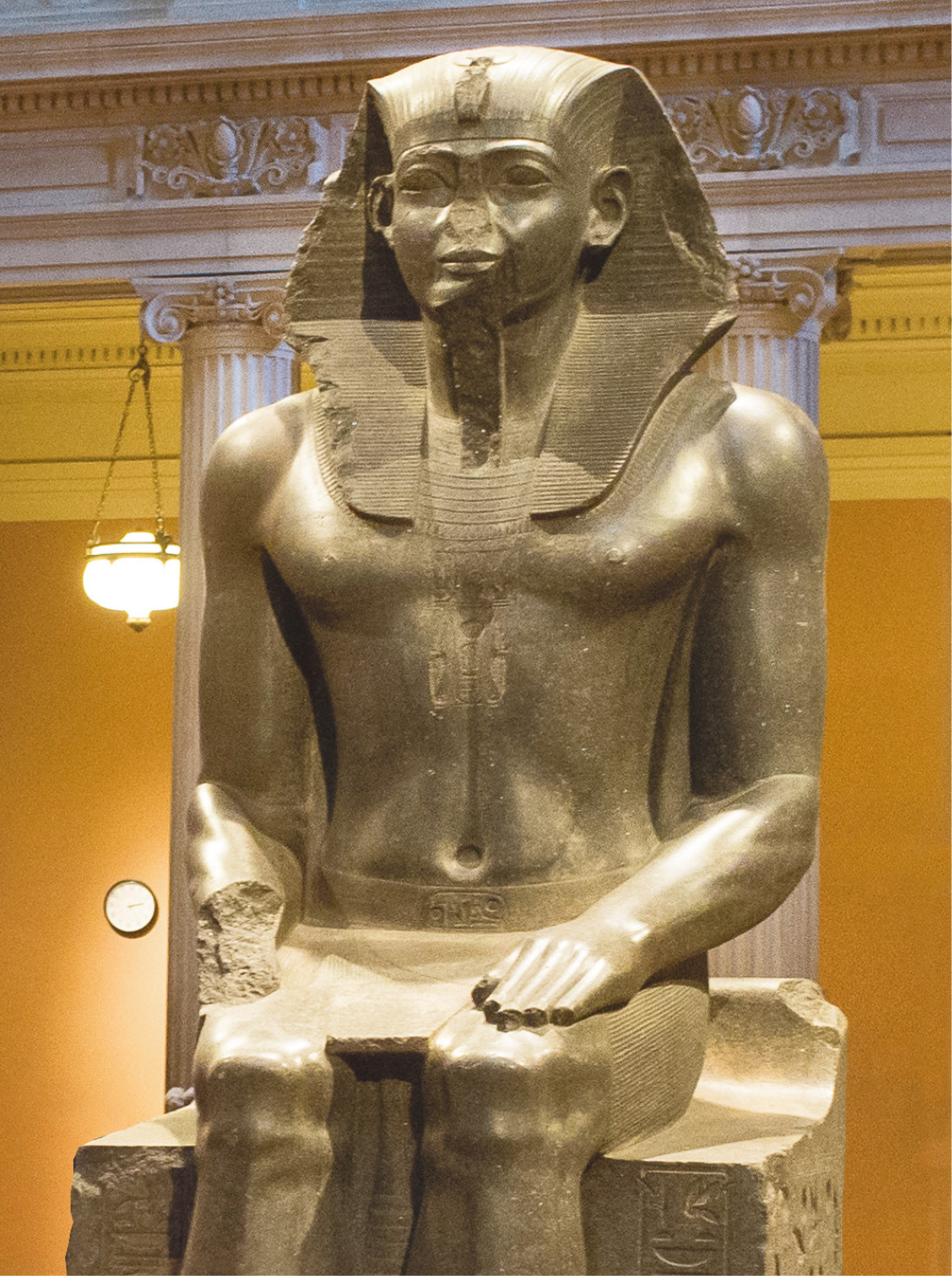
A possible second statue of the king belongs to the Egyptian Museum in Berlin (Berlin 7264 – currently on loan to the Metropolitan Museum of Art). It is a colossal seated statue that does not bear the name of the king, but can be stylistically dated to around the time of his reign. However, the identity of the king is far from certain, and the statue was also attributed to Senusret I and Senusret II.
Apart from these, and a small granite statue held by the Museum of Fine Arts, Boston, there are few royal sculptures that can be dated to the reign of the king. This is again remarkable, as other Middle Kingdom kings have many more preserved statues.
The White Pyramid
The main building project of the king’s reign was certainly his pyramid at Dahshur. While his father Senusret I and grandfather Amenemhat I were buried at Lisht, Amenemhat II chose Dahshur, the site of the two pyramids of the Old Kingdom king Snefru. His new pyramid was placed very close to the cultivation, while the Old Kingdom pyramids were much further into the desert.
The complex was partly excavated by Jacques de Morgan in 1894/1895, although he did not spend much time on the pyramid structure itself. Next to the pyramid, he found the intact burials of Ita-weret, Ita, and Khenmet, probably daughters of the king, although they may have been buried during the reigns of Senusret II or even Amenemhat III. The burial of Khenmet in particular contained an amazing set of personal adornments, some of them made in the Aegean.
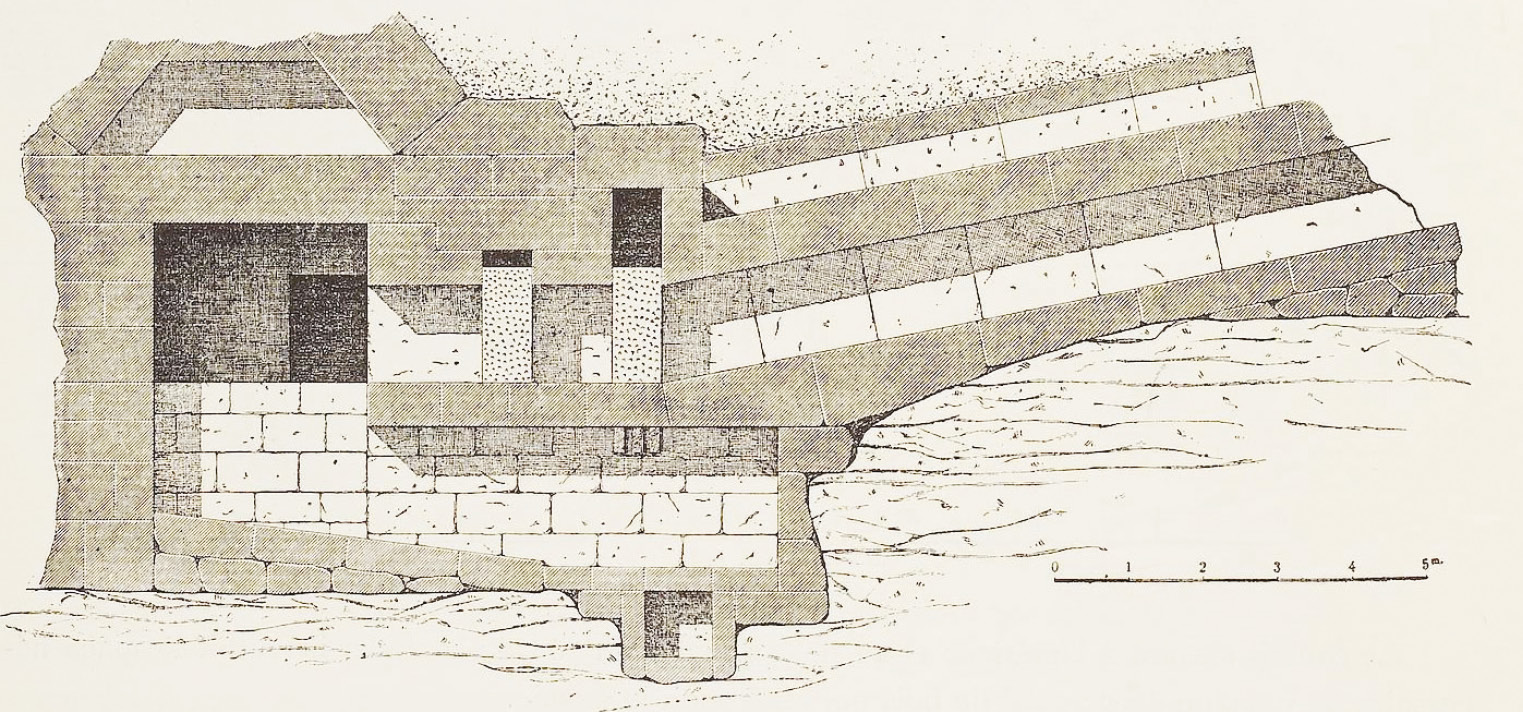
The pyramid was built of white limestone, nearly all of which was later quarried away. The site today is just a heap of white rubble, hence the name: the White Pyramid. The pyramid was placed within a rectangular enclosure. At the rear of the enclosure, on the west side, there were three gallery tombs (each with two burials) for members of the royal court. The funerary temple was on the east side, but has never been fully researched. De Morgan was able to enter the pyramid from the entrance on the north side.
The burial chambers are in the middle of the structure and display a quite complex arrangement of rooms. The king’s sarcophagus was placed under the floor, to make sure that potential looters would overlook it. Under the main burial chamber, there was a corridor leading to another smaller chamber, perhaps for a second burial, or a canopic chest.
From the detailed drawings published by de Morgan, it seems clear that the masonry work was superb. We can only hope that a new mission will return to the pyramid for further, more-modern investigations.

Inscriptions and stelae
Several private stelae dating to Amenemhat II’s reign offer a glimpse of daily life and administration under the king. Inscriptions have been found in the Sinai, where expeditions were sent to mine turquoise – one dating to Year 24. The stela of the ‘overseer of the gateway’ Khenty-khety-wer from the Red Sea coast reports an expedition in the same year to Punt. Khenty-khety-wer is also known from a stone fragment found at Dahshur, where he most likely had his tomb.
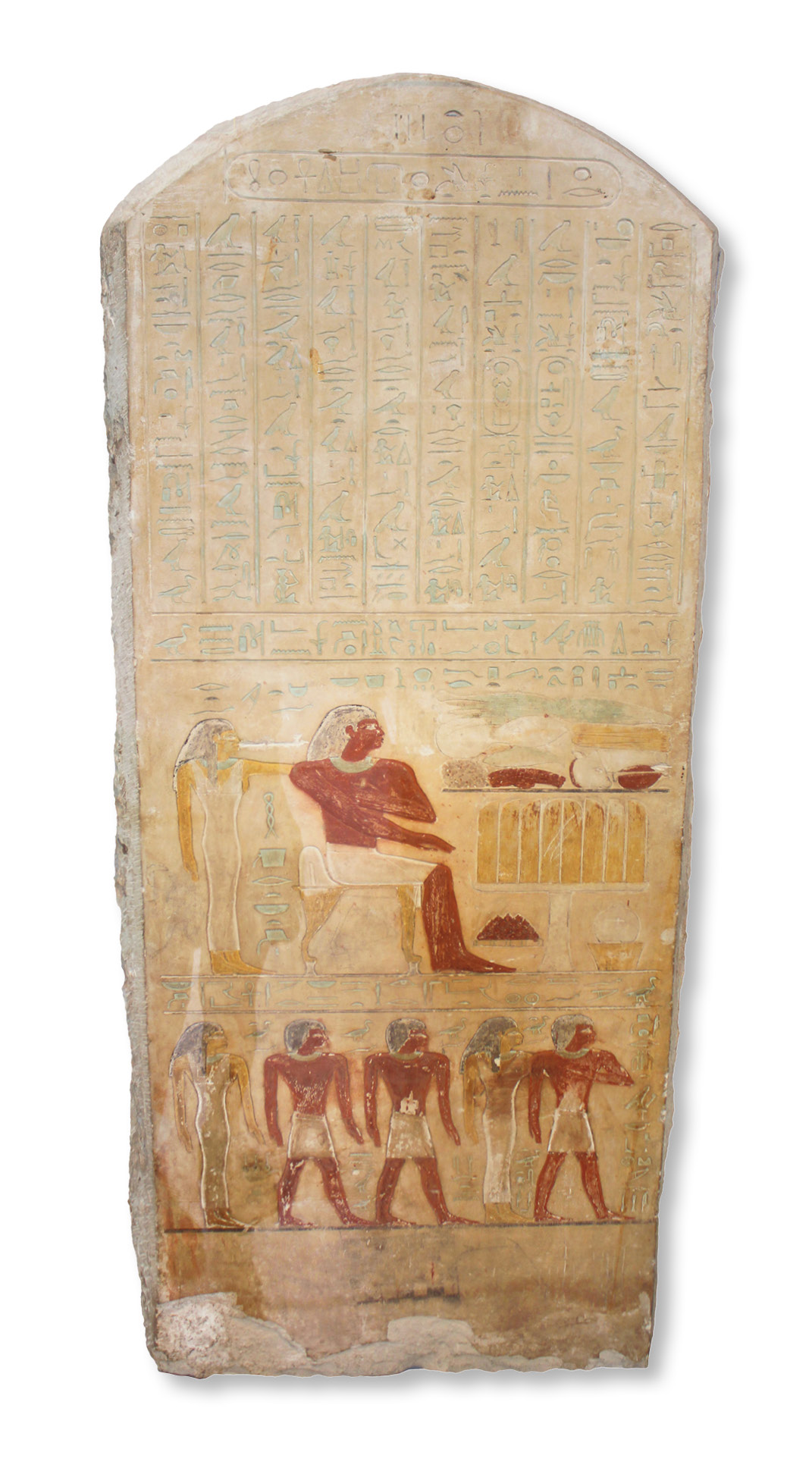
One of the longest inscriptions belongs to the ‘king’s scribes of documents’ Samontu, perhaps the writer of private letters for the king. On his stela, Samontu – ‘member of the elite, foremost of action, royal sealer, sole friend, favourite of Horus, lord of the palace, who does that which his lord praises four every day, royal scribe, Samontu, the revered’ – presents us with a full account of his long career that began under Senusret I but reached its height under Amenemhat II.
He said:
I was born in the time of the majesty of the King of Upper and Lower Egypt, Sehetepibra [Amenemhat I] true of voice. I was a child who fastened on the girdle under his majesty [Amenemhat I], when he departed in peace.
The King of Upper and Lower Egypt, Kheperkara [Senusret I], living forever; his majesty appointed me ‘scribe of the work camp of trial’. He praised me on account of it very greatly. His majesty appointed me ‘scribe of register’. His majesty praised me on account of it very greatly. His majesty made me ‘grain-registrar in south and north’; his majesty praised me on account of it very greatly. His majesty appointed me ‘scribe of the great work camp’. His majesty praised me on account of it very greatly. His majesty appointed me ‘scribe of the king’s document be’ and ‘chief of works in the entire land’; his majesty praised me because I was silent; He loved me because I could control my temper. The revered ‘scribe of the king’s document’ Samontu.
Samontu had a long scribal career, mainly at the work camp (or great enclosure) that organised the conscripted, unpaid work of the Egyptian population. This institution is better attested in the late Middle Kingdom after Senusret III, but this stela, together with some of the titles of other officials of the time, is evidence that the institution was already working in the early Middle Kingdom. The title ‘chief of works in the entire land’ indicated that Samontu must have been involved in royal building projects. We might assume that he was most often the scribe and architect at these projects.
There are other inscriptions mentioning events in the king’s reign. The chamberlain Kheperkara reports on his stela (Cairo CG 20531) that he built a canal in the Thinite province (near Abydos). Sahathor (BM EA 569 and BM 570) describes his trip to Nubia. Later, he was sent to the pyramid complex of the king and worked there on 16 statues.
Tombs of the Nomarchs
Provincial Egypt is also a source of information regarding the reign of Amenemhat II. Local governors were in charge of the provinces across the country, and many were able to build large rock-cut tomb complexes. Perhaps the most splendid ones are those at Qau el-Kebir. These are the largest private tombs ever erected in Egypt.
The line of tombs begins with that of Ibu, built in the reign of Amenemhat II. The large complex consists of a valley temple, a causeway, and cult chapels cut into the rocks. The cult chapels were adorned with reliefs and first-class sculptures – some of the finest works of art of the period. Ibu’s sarcophagus, found in his burial chamber, was decorated with the palace façade motif. It is an outstanding object, without parallel in the Middle Kingdom. Sadly, the tombs were heavily destroyed in ancient times. Many finds from there are now in the Egyptian Museum of Turin. Basically, we only have the names of the governors and little information about their lives. On Elephantine, in the south close to Aswan, the governors Khema and Sarenput II were in charge under Amenemhat II. When appointed governor, the latter took a second name Nubkaura-nakht (‘Nubkaura is strong’) in reference to the king who granted him his position.

Succession
The king seems to have had a short co-regency with his son Senusret II, who succeeded him as sole king c.1878 BC. After such a long reign, Amenemhat II must have been quite old when he died, and was most likely buried in his pyramid at Dahshur. We can only hope that future work at this pyramid and the cemeteries nearby will throw some more light on his reign.

Wolfram Grajetzki is Honorary Senior Research Associate at University College London, and a regular contributor to AE magazine. You can read about the earlier Twelfth Dynasty kings in AE 116 (Amenemhat I by Sarah Griffiths) and AE 147 (Senusret I by Wolfram). He turns his attention to Senusret II in the next issue.
Further reading:
• B Fay (1996) The Louvre Sphinx and Royal Sculpture from the Reign of Amenemhat II (Mainz: Philipp von Zabern).
• H Altenmüller (2015) Zwei Annalenfragmente aus dem frühen Mittleren Reich (Hamburg: Buske).
• W Grajetzki (2024) The Middle Kingdom of Ancient Egypt: history, archaeology and society (2nd revised edn, London: Bloomsbury Publishing).