Subscribe now for full access and no adverts
Archaeologists call on the widest possible range of evidence when trying to develop their ideas. While most studies include analysis of plans, maps, fieldwork notes, artefacts, and relevant written sources, the inclusion of pictures, particularly older, unpublished ones, may be overlooked. What if there were an easy-to-use, searchable, online resource that could provide access to this type of image covering the era from 1860 to the present day? As it happens, there is one: the HEIR Project digital image archive of the School of Archaeology, University of Oxford (https://heir.arch.ox.ac.uk).
What is HEIR?
HEIR stands for the Historic Environment Image Resource. Its core mission is to rescue neglected and endangered photographic archives, unlock their research potential, and make them available to the public. It is an expanding collection, currently including more than 45,000 images gleaned primarily from technologically obsolete visual teaching resources from several Oxford departments, along with images from the personal photo collections of academics from archaeology, history, and classics, blended with a small number of image donations from private sources. Most of the pictures have been scanned from lantern slides, glass plates, film negatives, photographs, and 35mm slides, or uploaded directly as digital files. While the images span the globe, because of the history of the collections, the Classical world and the countries of the former British Empire are most thoroughly represented in HEIR.
The initiative evolved from a campaign undertaken in 2012 by Dr Sally Crawford and Dr Katharina Ulmschneider to overhaul the archives at the School of Archaeology, Oxford, with a view to bringing forgotten historic resources back to light and into the academic debate. Having evaluated a treasure trove of images, many of which had been unseen for 70 years or more, scanning of the photographic archive began in 2013, with an initial grant from the Logan Foundation. In the same year, a scoping survey of other social science and humanities departments within the university revealed that the School of Archaeology was not the only department to house seemingly ‘obsolete’ historic photography collections. Soon the Ashmolean Museum, the departments of the History of Art, Geography, and Plant Science, Harris Manchester College, and St Hugh’s College added their collections to HEIR. When combined with several scholars’ personal photographic archives, the result is a resource of unusual scope and depth for archaeologists and historians, as well as a visual bedrock of British archaeological history.
Yet HEIR is far more than just a historic picture archive. It is an urgent rescue mission with serious academic underpinnings. Worldwide, most of these technologically obsolete images are under constant threat. Space-intensive and expensive to store, with their value often not easily discernible. The 35mm slides, still ubiquitous within living memory, are especially vulnerable to disposal, while at the same time decaying rapidly to the point of no return because of the unstable nature of their film dyes. Making a case for the value and importance of these images and collections takes a collaborative effort, far beyond the capabilities of single scholars or departments. From its inception, HEIR was planned as a collaborative, publicly accessible resource, with the aim of fostering just such conversations. Specialists, academics, societies, and members of the public around the globe continue to identify and alert us to the importance and unique nature of HEIR’s pictures. This collective expertise, depth, and breadth of knowledge adds crucial value to these images, and is displayed in the crowdsourced section of the database.
Why then are these collections so important? The images in HEIR provide a record of a world now lost. They show how sites have changed over time, too. This record of change is useful not only to archaeologists and historians, but also to reflect changing agricultural practices, landscape use, tourism, and fashion trends, as well as broader social changes. Even climate change is captured when our views are compared to recent ones. The idea of ‘then’ and ‘now’ can be further explored in another unique feature of HEIR: our rephotograph section. Once again, this part of HEIR has been born out of a collaborative effort with the public, where people worldwide can photograph and provide HEIR with modern images taken from the same viewpoint as any of our existing images, thus providing crucial information on the current state of sites and landscapes.
What are the contents of HEIR?
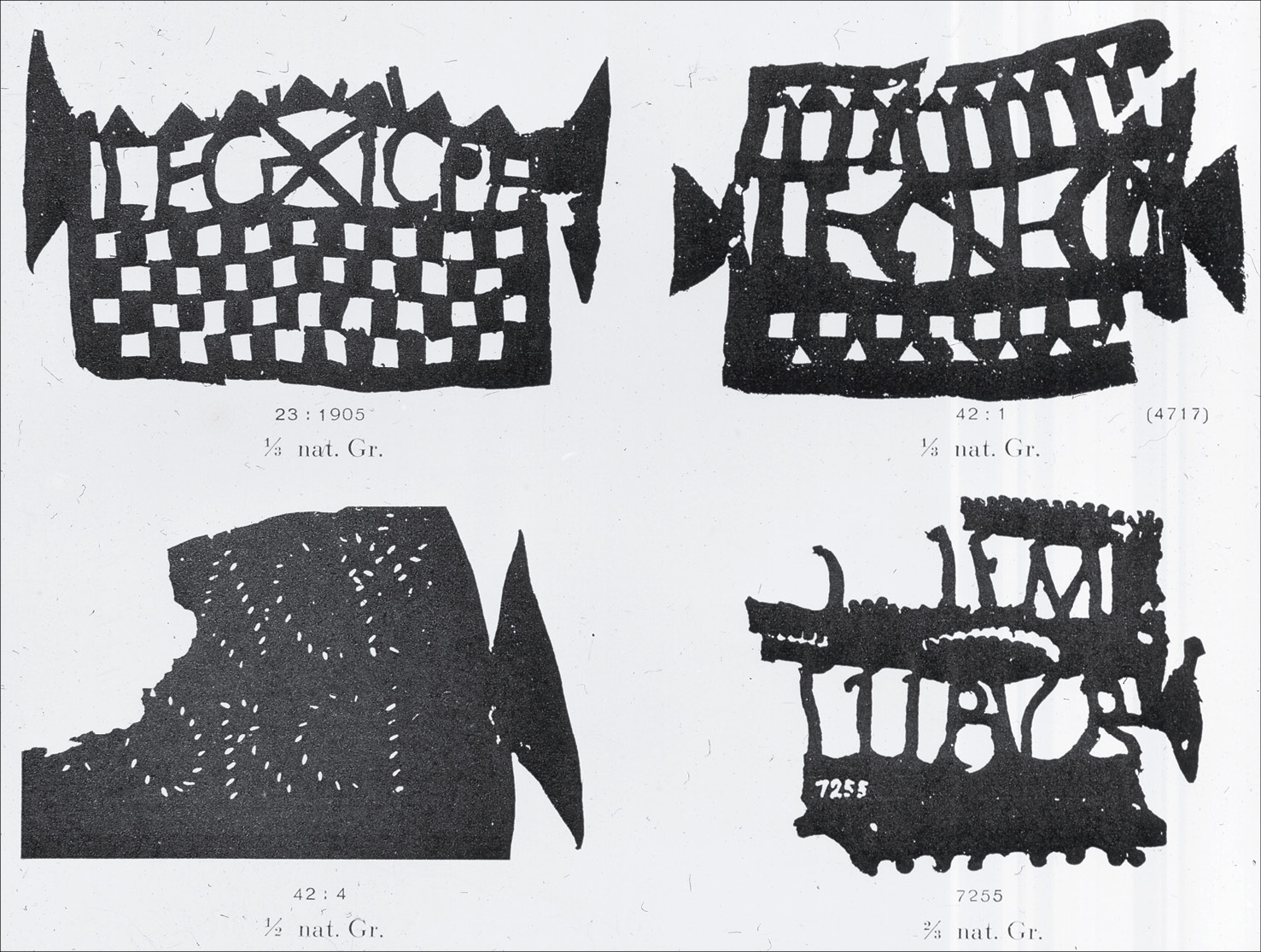
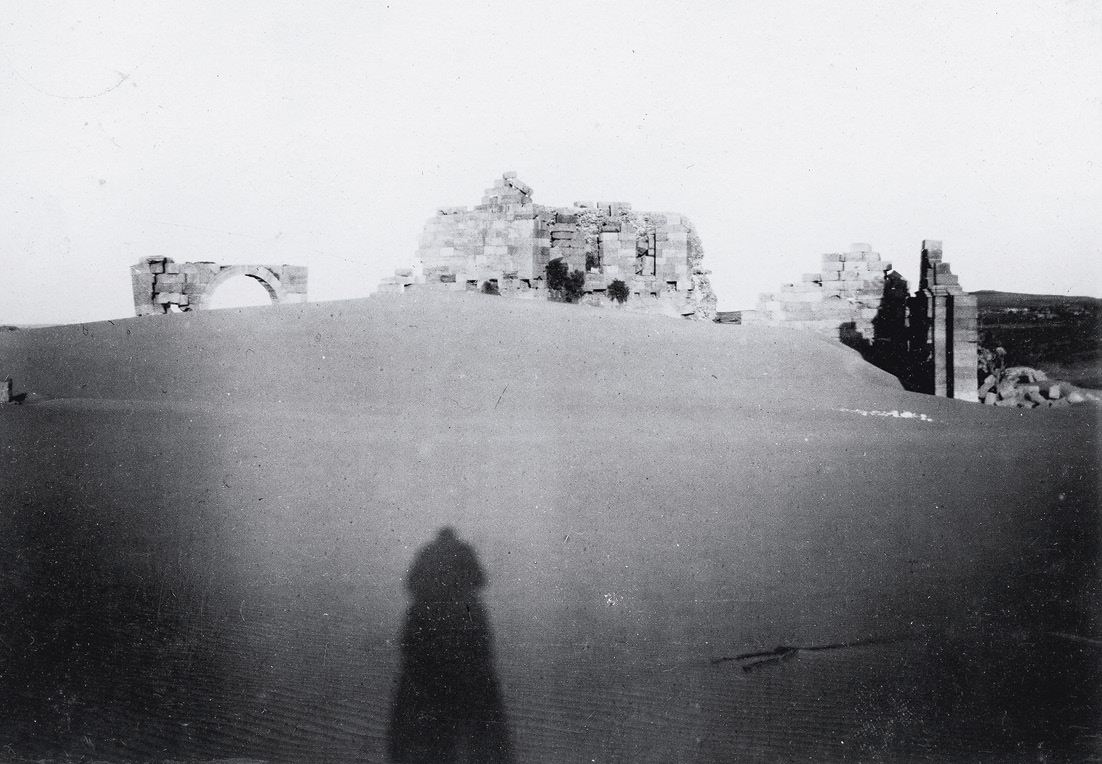
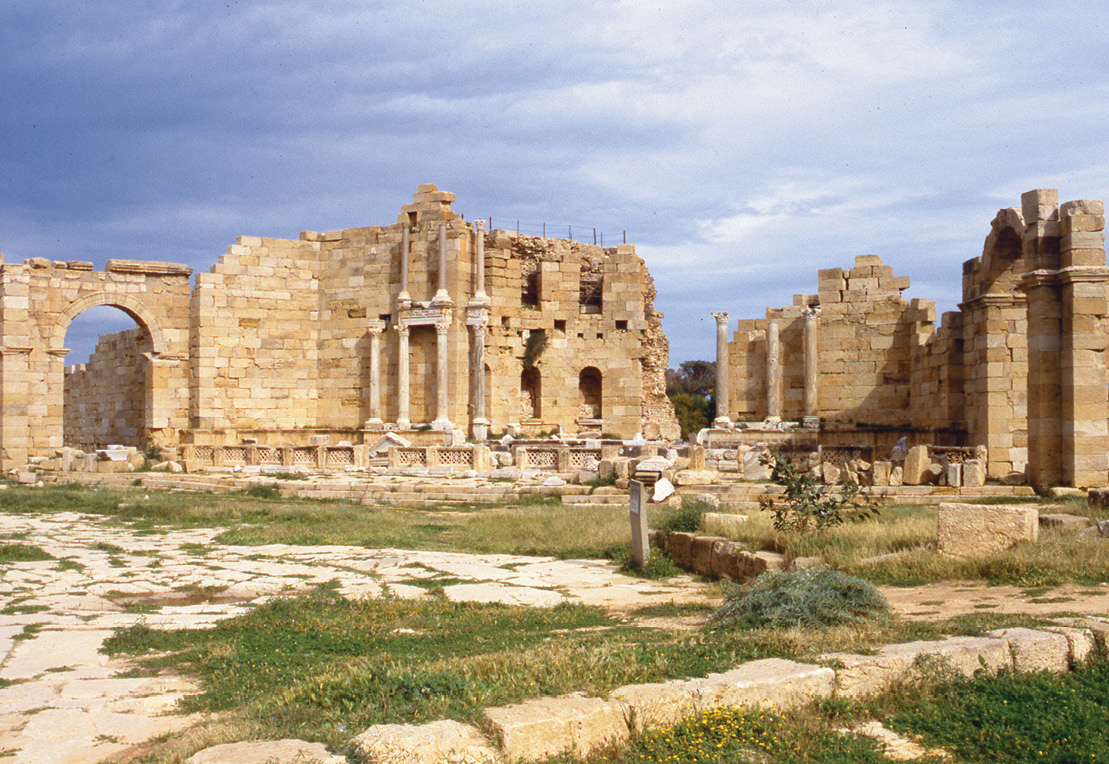
Given Oxford’s long history of teaching classics, it is not surprising that the Classical world is front and centre in the collection. There are more than 14,000 images that are found in a search for the word ‘Roman’, spanning the empire. Some of the unique images represented in that set include views of late 19th- and early 20th-century excavations, including sites such as Vindonissa in Switzerland. Finds there included an extensive collection of preserved leather artefacts as well as military leather tabulae ansatae with lettering. Was the leatherworker literate or did they merely copy a pattern carefully? Helping to pose modern questions with old images is one of HEIR’s goals. Roman North Africa is well-represented, with late 19th-century pictures of Libya taken by the archaeologist Professor John L Myres, and unintentionally replicated about a century later by the modern archaeologist Professor Andrew I Wilson. There are also images of Roman Algeria, as well as Roman and Punic Tunisia.
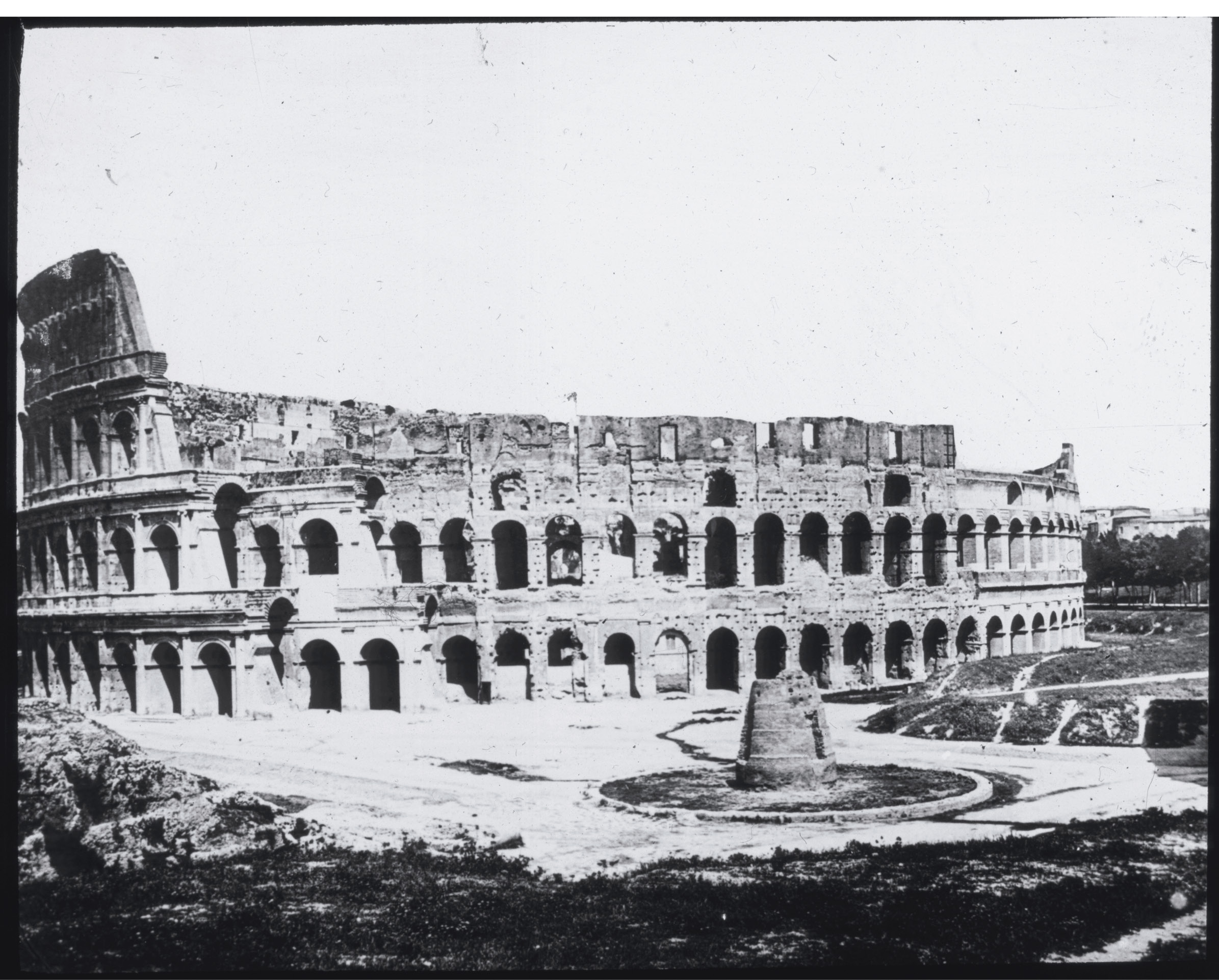
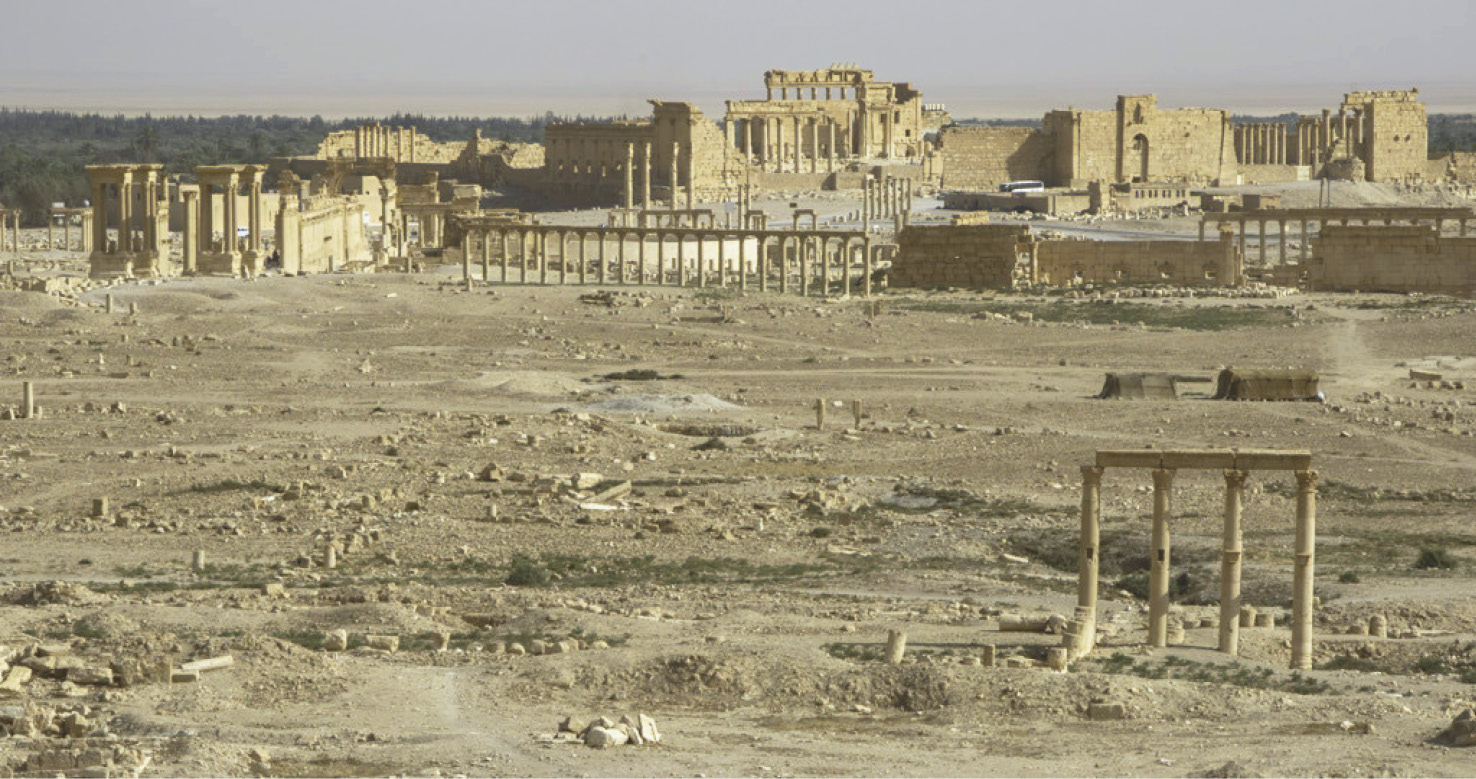
Sites lost to cultural vandalism live on in our pictures, such as the Roman Meta Sudans fountain, which once stood near the Colosseum in Rome, but was destroyed in 1936 at Mussolini’s command to make way for a new road. We have 17 views of this monument in HEIR. There are also almost 500 images of Palmyra, Syria, before the destruction caused by ISIS in 2015. The set includes images that pre-date the mid-20th-century Swiss reconstructions, modern site images, and views of artefacts held in museums. Other sites that have experienced loss due to weathering are found in HEIR, too. There are more than 350 images of Pompeii from the 19th century onwards, and 27 of Herculaneum. They include views of vanished features, such as lost frescoes, stolen artefacts in situ, and a lost staircase.
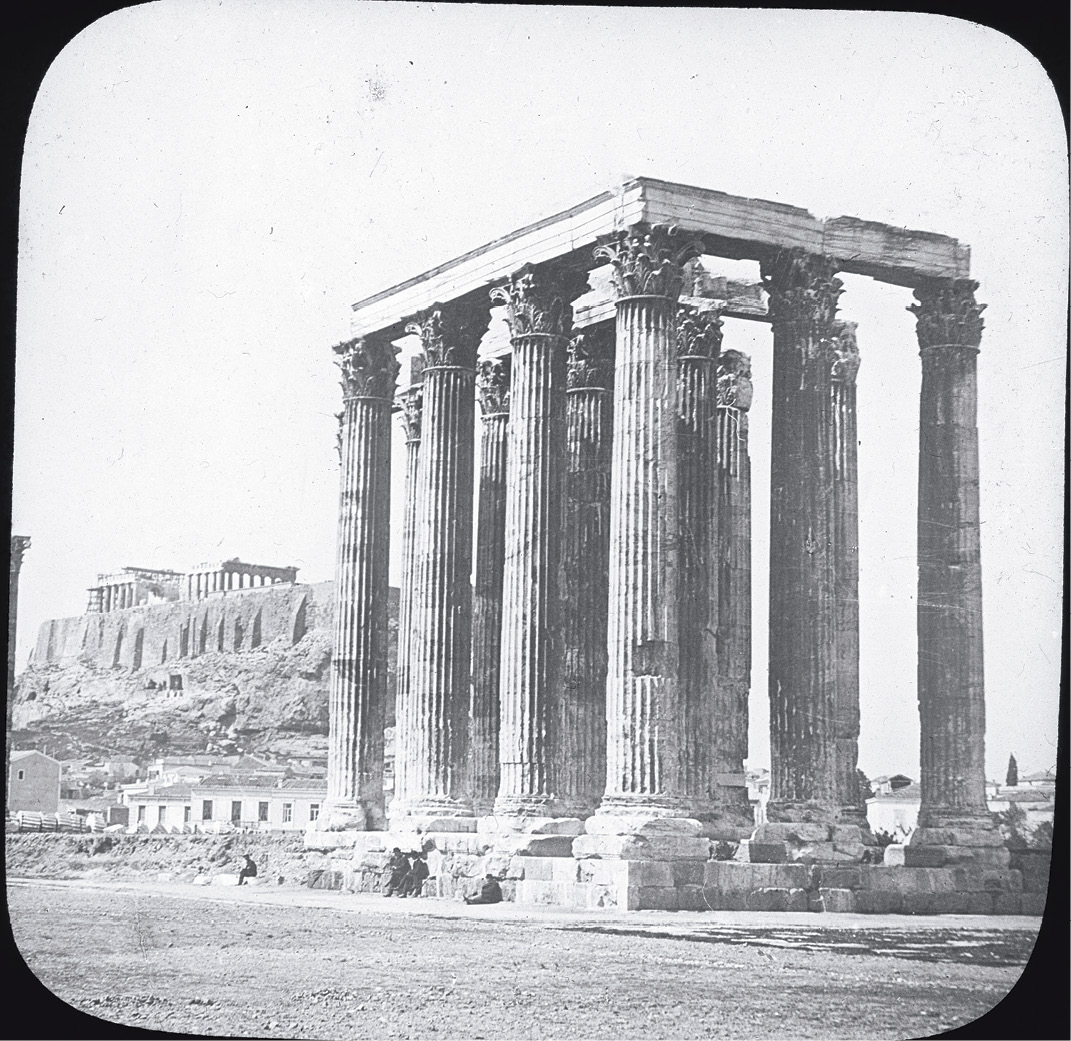
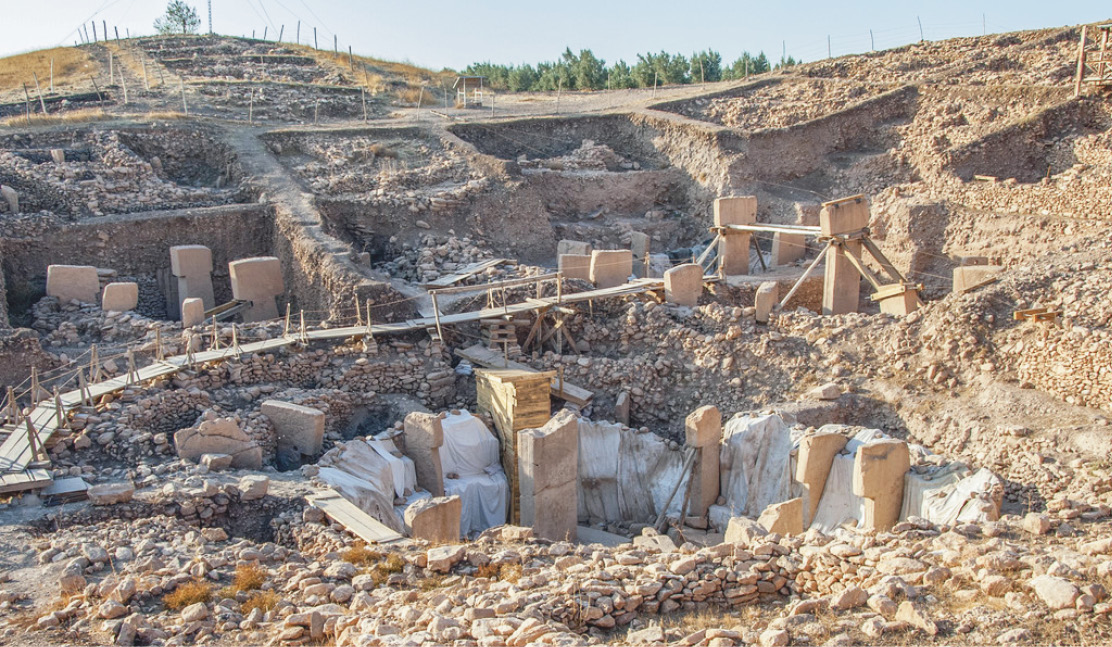
The Hellenic world features strongly with more than 2,300 views of Greece, including a large number from sites photographed in the late 19th or early 20th centuries. There are 205 images of Knossos, Crete, covering the time prior to the start of Arthur Evans’ excavation campaign in 1899, the excavation itself, Evans’ restoration, and more recent tourist images. Sites from Magna Graecia such as Paestum, or former Greek cities in modern Turkey including Smyrna and Miletus, are represented, along with pictures of sites like Constantinople/Istanbul and Ephesus, which were both Greek and Roman settlements. Turkey is another major part of the collection, with over 4,900 images capturing the long history of that area, ranging from the site of Neolithic Göbekli Tepe, Bronze Age Troy, Byzantine sites, Ottoman-era images, down to the present. Almost 500 views of mosque interiors and exteriors, including nearly 70 of Hagia Sophia, are available.
Many of the thousands of HEIR images from the former British Empire come from the archives of the Departments of Geography and Plant Science. Among these are ethnographic views that illustrate technologies familiar to archaeologists: manual grain-processing methods, manual processing of animal skins, hand- and wheel-made pottery being formed, and ploughs pulled by a variety of animals, even including a camel–bullock team. Although these technologies were being used in the 19th or 20th centuries, the lack of mechanisation make them useful analogies for past methods. They can also provide insight into possible ways space in and around domestic environments might be organised.

As regards search terms, the most comprehensive results are archived when using geographical search words, such as country or city names. Ethnographic images can be accessed, too, by using terms such as people, man, women, or child. Categories such as family, student, tourist, or worker can provide interesting image sets, as can clothing, using keywords such as costume, hat, or even umbrella. Almost 9,100 images are found in a keyword search for artefact. These cover the gamut of pottery and roof tiles, statues, relief sculptures, worked stone, paintings, frescoes, mosaics, gold, silver, coins, jewellery, gems, glass, carved rock crystal, weapons, shields, instruments, furniture, and other objects made of wood. Another category worth exploring is our set of over 2,200 illustrations. This includes maps, site plans, trench sections, artefact drawings, imagined reconstructions of buildings and cities, and historic engravings. Many are beautiful examples of drafting or engraving skills from the era before computers.
From its earliest planning phase, HEIR was always intended to be a publicly available scholarly resource. There is no charge for using the site and no need to create an account to access it. The amount of information provided with each image that has been scanned varies according to the original data available. While early glass plates contain little contemporary information, labels on lantern and 35mm slides, when available, have been directly transcribed in quotation marks in the caption box. The descriptions themselves provide an interesting commentary on how these images were valued and understood at the time the labels were created. Users of HEIR can download low-resolution copies of our images without charge and use them for any non-commercial purposes. We hope HEIR will provide users with a wealth of new perspectives on the past.

Further information and contributing to HEIR:
When using HEIR images, we do ask people to cite HEIR and include the resource ID number to help people find us. If possible, please indicate that the image is being used courtesy of the department or person listed on the image data screen in the data field called ‘Holder’. For high-resolution copies, please contact us at HEIR@arch.ox.ac.uk.
We love to hear from people who can provide more information about any of our pictures or suggest additional keywords for an image. Please send any questions or comments to the same HEIR email address. If you would like to provide rephotographs, please send them along with the photographer's name and a statement allowing HEIR to use them.
HEIR is regularly contacted as a last resort for image collections about to be discarded. Yet HEIR relies almost entirely on private sponsorship to keep it going. If you could help to support our vital rescue mission, please do contact us. We are very grateful to our group of volunteers from around the globe who donate their time to upload new images, edit them, revise entries, and undertake research. Our deepest thanks to all of you!