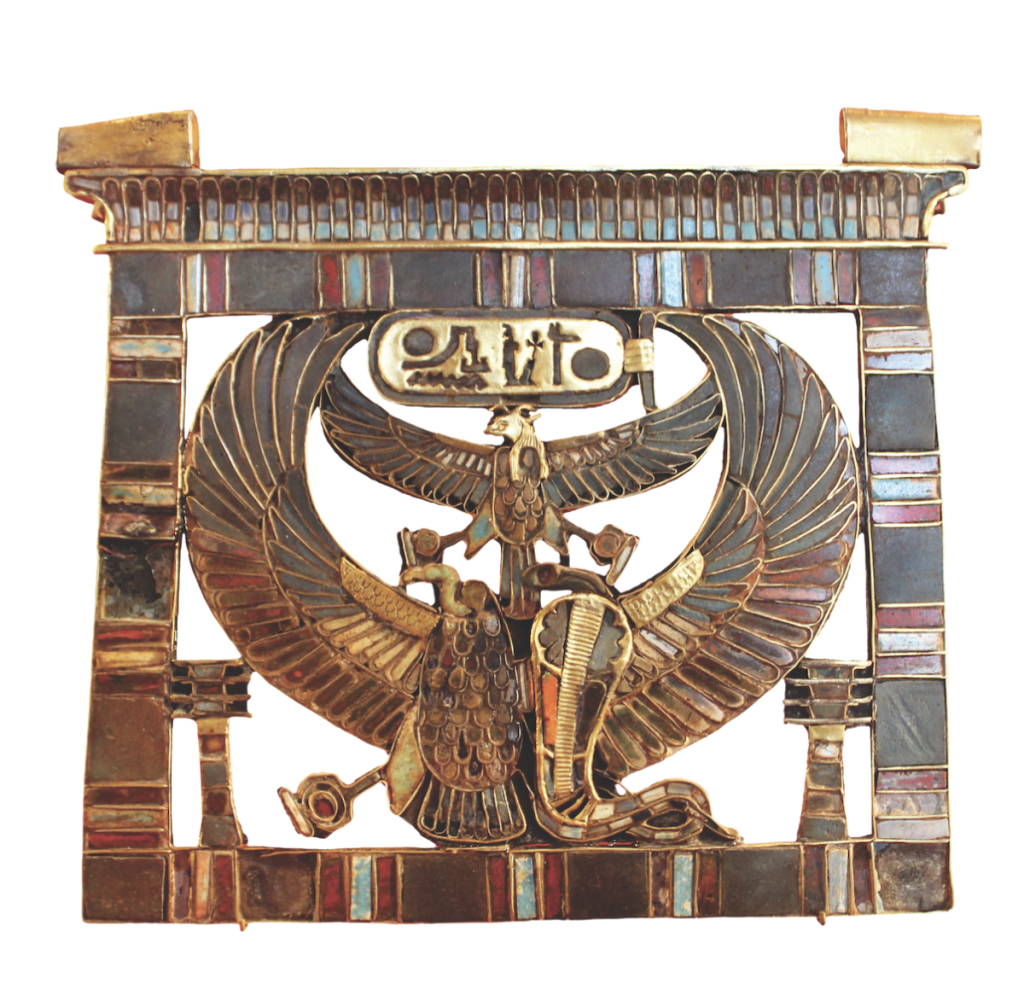
The pectoral of Ramesses II, Musée du Louvre

Campbell Price describes a New Kingdom pectoral made of electrum and glass.

Campbell Price describes a New Kingdom pectoral made of electrum and glass.


This Bronze Age button comes from a hoard of three copper-alloy items that also included two axe heads. One of the axe heads was noticed by a farm worker in 2021, while


We can see Latin, scratched into the book’s wax 700-800 years ago. What is it? This well-preserved medieval ‘notebook’ dates to the 13th or 14th century. Measuring 10cm by 7.5cm, the book
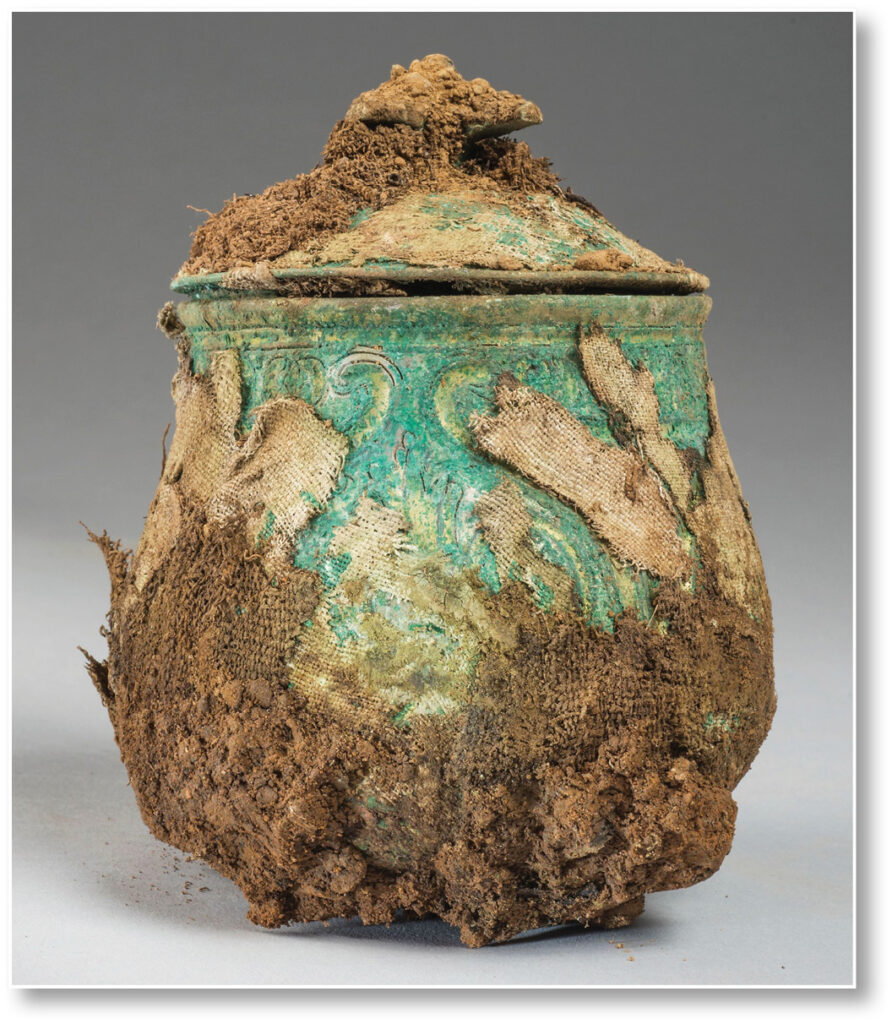
The image shown here represents a fire altar with a triple-pointed crown in the flames as a central motif, surrounded by plant scrolls containing stylised leopards and tigers.
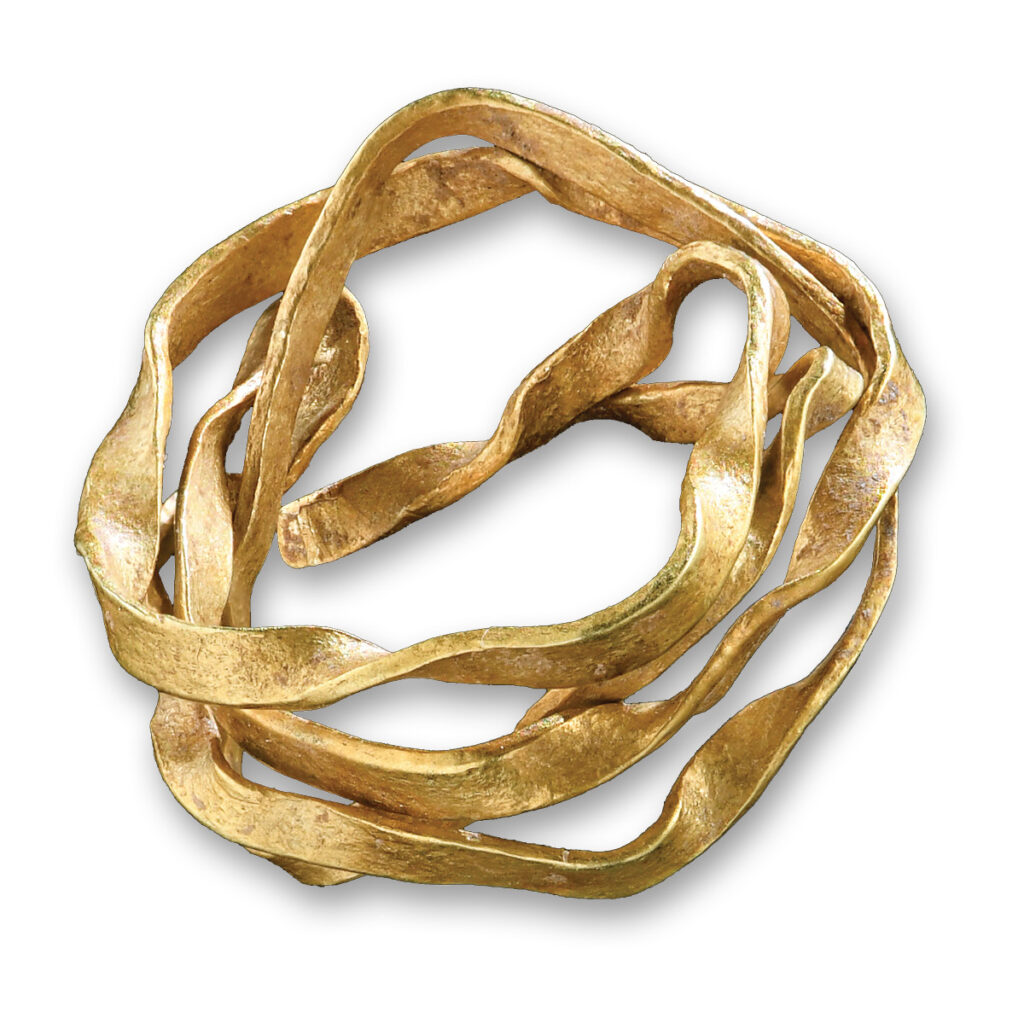
This ring is a significant discovery because it represents the earliest gold object from a clear and well-dated context discovered in this region so far.


This is a burnt silver seal matrix, dating to the 13th or 14th century, which was found last August by a metal-detectorist near King’s Lynn, Norfolk. Despite the damage, clearly seen in

While these types of brooch first appeared in Britain shortly after the Roman conquest in AD 43, they clearly include aspects of Celtic design, and this is reflected in the fact that many have been discovered near the northern frontier of the Roman Empire – the point where Roman and Celtic cultures converged.
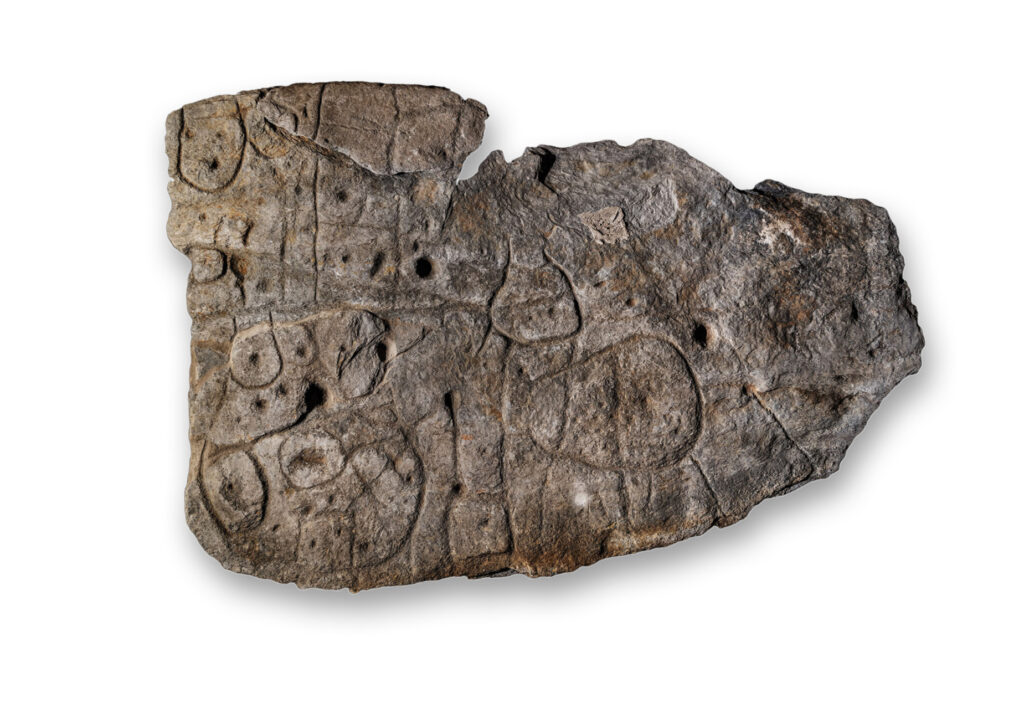
What is it? This engraved stone dating to the early Bronze Age (c.1900-1650 BC) is known as the Saint-Bélec Slab. Made of grey-blue coloured schist, the slab is c.2.2m long, 1.53m wide,
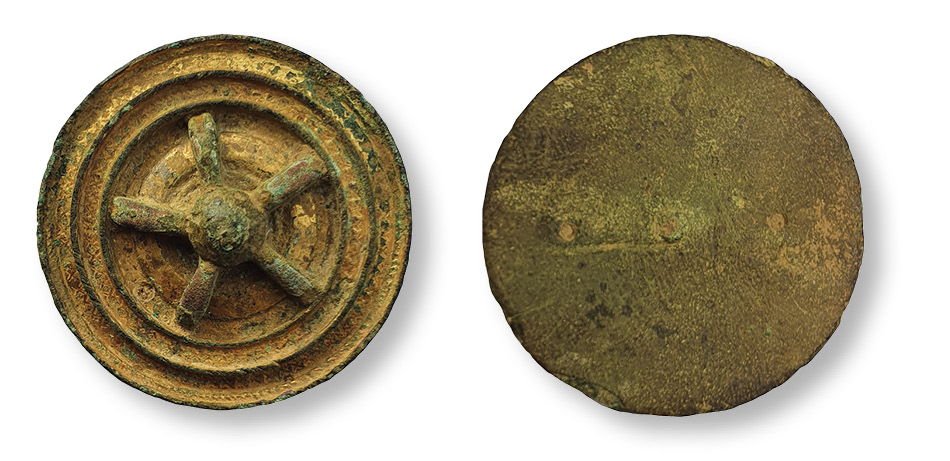
This is a Roman mount made of copper alloy and probably dating to between AD 200 and 300. It was discovered by a metal-detectorist near Doulting in Somerset and recently remotely recorded

This is a Roman ‘horse and rider’ figurine, made of copper alloy and probably dating to between the 2nd and 3rd centuries AD. It was found in 2015 near Penllyn, Wales. While

This cigar box, containing several wooden splinters that make up a piece of cedar discovered in the Great Pyramid of Giza, was recently found in the University of Aberdeen’s collections.

This is an Iron Age terminal mount in the shape of a bull’s head. It was found by a metal-detectorist near Scarning, Norfolk, back in 2015, but recent research has suggested it
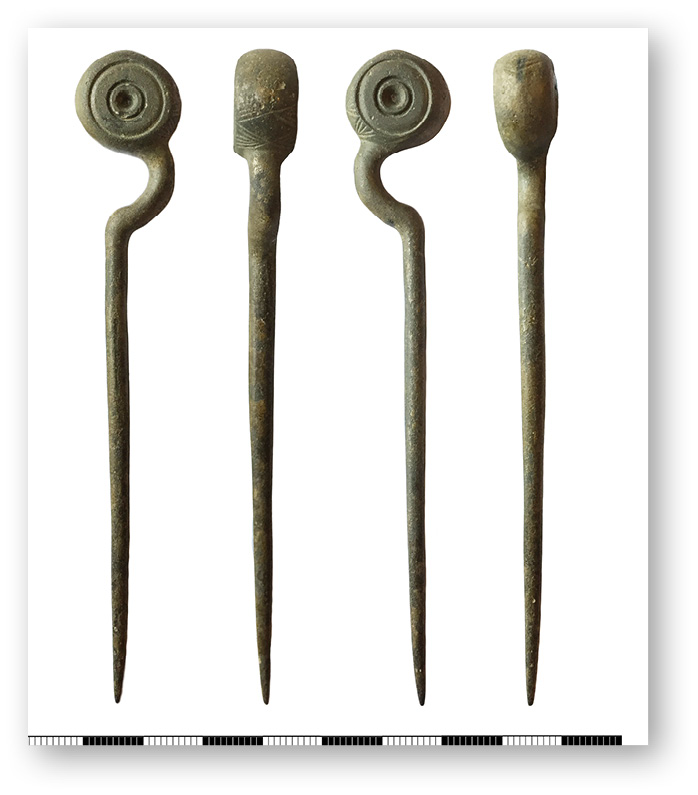
This is a complete copper-alloy ‘swan’s neck’ pin, a kind of artefact generally dated to the Iron Age. It comprises a circular flathead, which appears sub-rectangular in cross-section with rounded edges. Each

What is it? This granite statue depicts Pharaoh Ramesses VI, who reigned 1144-1137 BC. On the back is a hieroglyphic inscription that reads: ‘May [he] live, [the] good god, son of [the
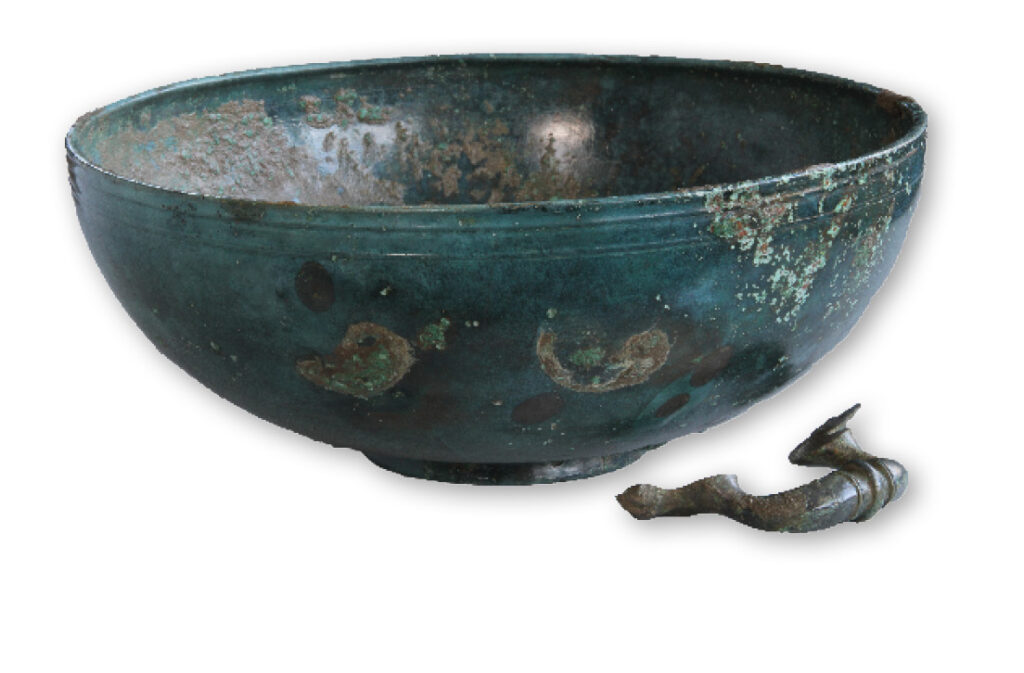
This is an imported Roman bowl, made of copper-alloy, found in Wingham, Kent. The metal-detectorist who discovered the bowl left it in situ and reported it to the local Finds Liaison Officer.
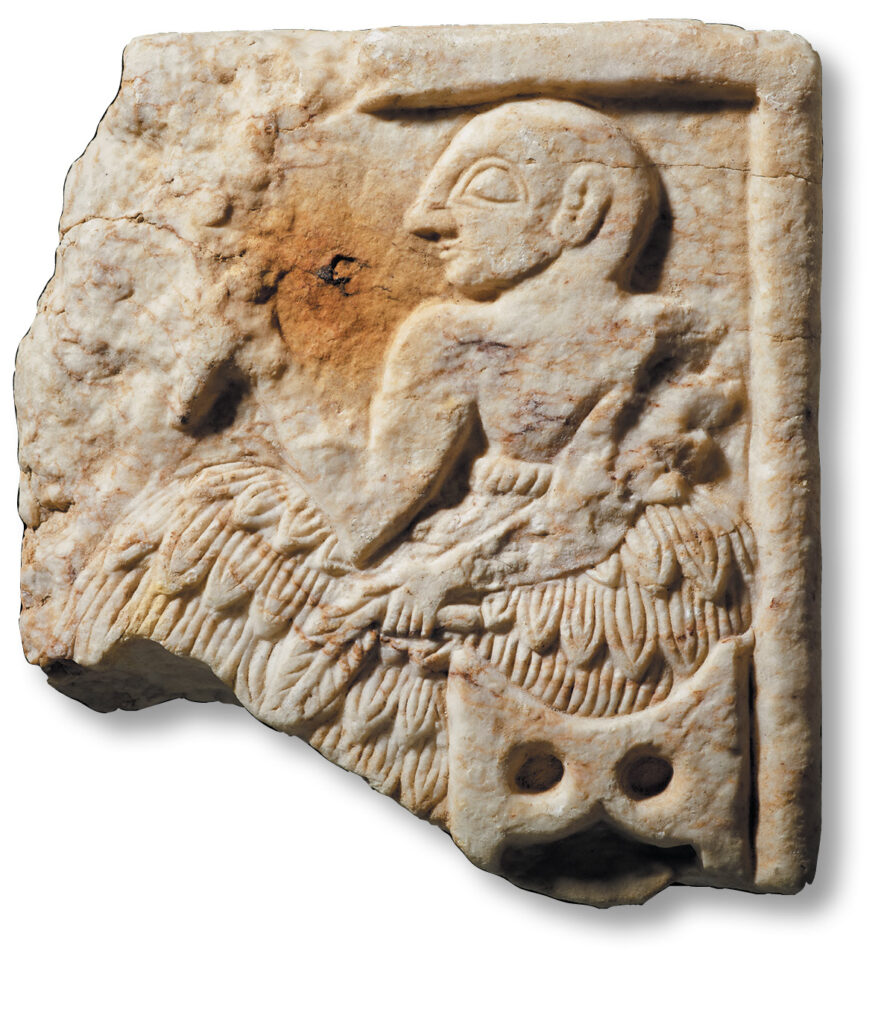
The carving depicts a clean-shaven, elite male figure, perhaps a high-priest or ruler, sitting on a decorated stool, wearing a kaunakes (a type of Sumerian long skirt).
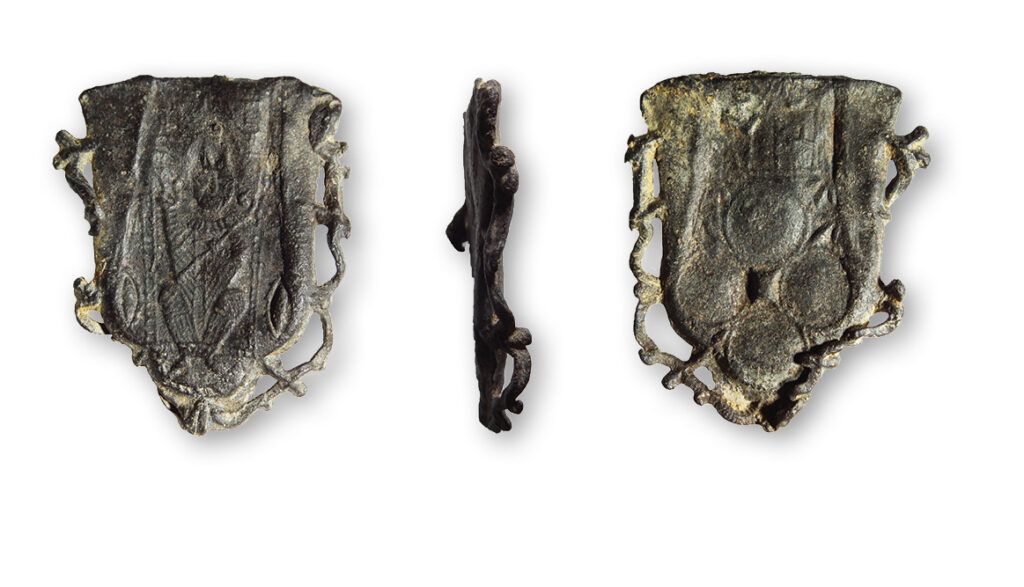
This is a medieval ampulla, made of lead alloy and probably dating to the late 12th or early 13th century. Discovered by a mudlarker along the Thames foreshore in London, it was
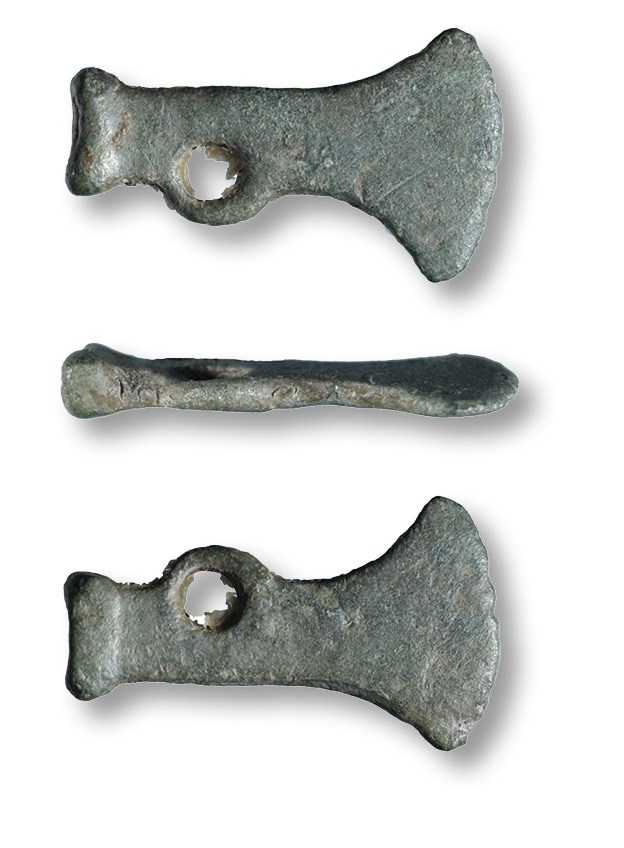
Last December, a metal-detectorist discovered this cast of a socketed axehead near Boynton in the East Riding of Yorkshire. Made of copper-alloy, it is perfectly complete but has been made in miniature,
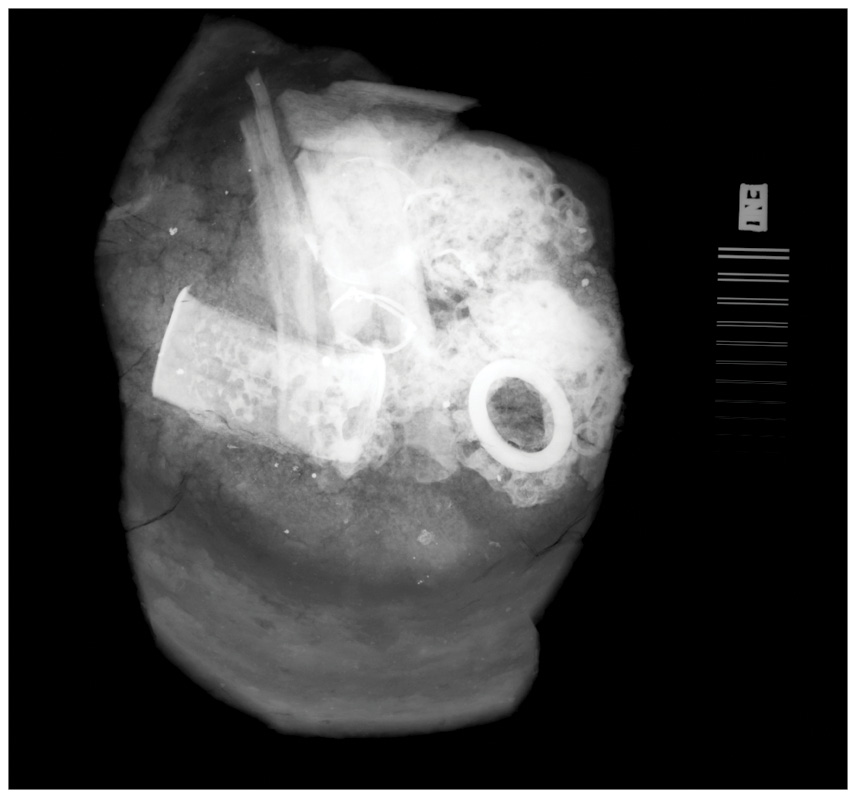
Analysis of one of the Birdoswald cremation vessels has revealed a wealth of new information – as well as some very unusual contents. Tony Wilmott tells all.

What is it? This glorious 18th-century Hawaiian cloak, measuring 175cm in length and c.223cm in width, is made of olona¯ fibre and black rooster feathers, with a border of yellow feathers from

This enigmatic fired-clay disc, dating to around 1700-1600 BC, was discovered in the palace of Phaistos on the Greek island of Crete.
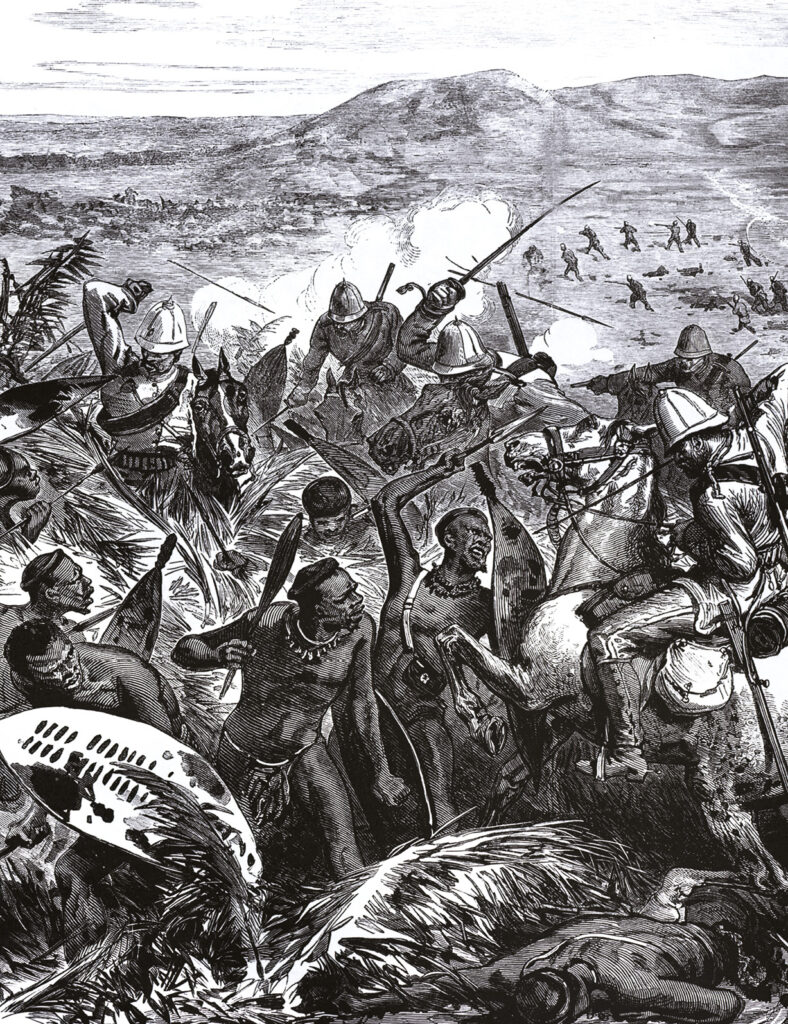

Weapon specifications Most African tribes use a form of assegai, a light throwing-spear used in both hunting and war, typically around 6-feet long with a 6-inch steel head. Some of the most

What is it? This unique Nordic bronze piece was discovered in Denmark and dates to the Early Bronze Age, c.1400 BC. It illustrates the eternal journey of the sun, as depicted by