Subscribe now for full access and no adverts
REVIEW BY ANDREW FULTON
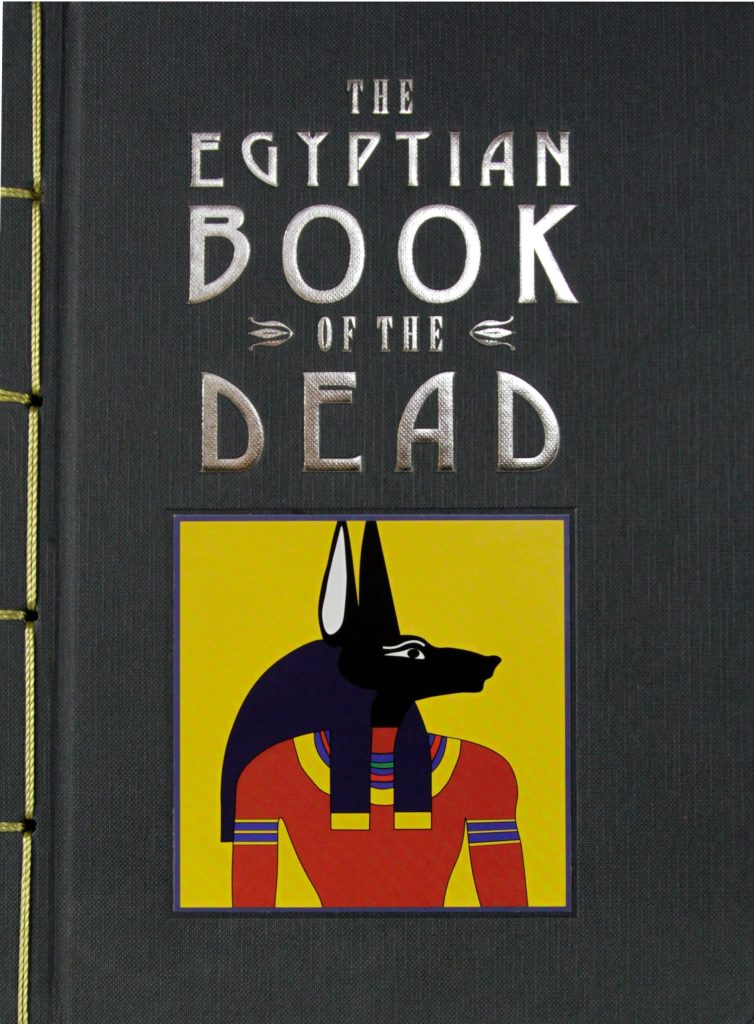
This volume is part of a series of books of ancient texts that Amber Books are publishing in hardback using traditional Chinese bookbinding methods that were first developed in the Ming Dynasty. The results are impressive but heavy!
The book is presented as written anonymously, but the text is that of the Papyrus of Ani as translated by Sir E A Wallis Budge (with an attribution on the copyright page). In the introduction, Nigel Fletcher-Jones (consultant editor) gives an excellent (if brief) summary of the concept of the ancient Egyptian ‘Coming Forth by Day’. At the end of the text, there is a useful glossary of some of the names used in the papyrus, including places and deities.
As highlighted in the introduction, the Book of the Dead is a complex document, but the ancient scribal commentaries (here called ‘Scribe’s Notes’) are helpful for understanding the text. Budge’s chapter division has also been retained when needed at the beginning of instructions to the priest or deceased, and each chapter begins with a capital letter. There are 15 chapters, including the ‘Hymns to Ra and Osiris’, the ‘Weighing of the Heart’, the ‘Gates and Pylons’, and the ‘Negative Confession’.
The book has 75 illustrations, but only a few are taken directly from Ani’s papyrus and with no attribution. Some images seem to have little connection to the Book of the Dead, so it is surprising that so many of the Ani vignettes have been left out. For instance, the section on the ‘Weighing of the Heart’ contains a number of illustrations but none show the crucial scene itself; instead, a similar scene is shown in the chapter on the Gates, but taken from another papyrus – that of the chantress Nauny. The book ends with the closing words of praise to Hathor, but it would have been useful to have shown here the vignette of Hathor peeping through the papyrus bushes in front of Ani’s tomb.
This is a beautifully presented book, but somewhat confusing in the use of the illustrations, and is lacking a number of important scenes. It will appeal to those who like this kind of presentation. Budge’s translation is, of course, very dated, and there are far better modern versions available. However, the value of Budge’s original book is that it also included the hieroglyphs and transliteration above the translation, which is a great aid in understanding hieroglyphs.
The Egyptian Book of the Dead
Amber Books, 2024
ISBN 978-I-83886-195-7
Chinese-bound Hardback, £29.99