Ancient Egypt 139

Description

Highlights:

From the Editor:
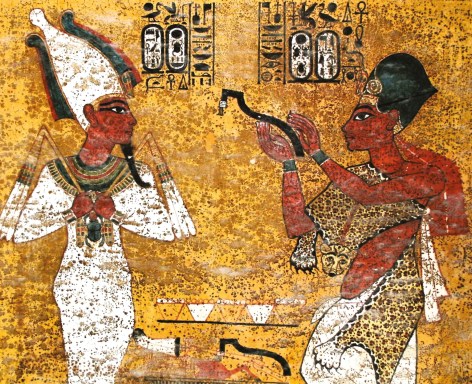
Ramesses the Great enjoyed a very long life and achieved the immortality so coveted by all Egyptians – the cartouche of his name can still be seen on monuments throughout the country. His success as pharaoh, at least in part, can be attributed to the care with which his father Sety I prepared him for the role, as Peter Brand explains.

Ironically, the most famous pharaoh of all, Tutankhamun, owes his immortality to the chance preservation of his small tomb. Had the tomb not been discovered, the boy king would have been largely forgotten. His successors erased his name from the records, and even his mortuary temple was demolished. But blocks from it were reused in other buildings, proving that it had existed. Dylan Bickerstaffe has some suggestions as to its original location, which is one of the many unsolved mysteries of Egyptology.

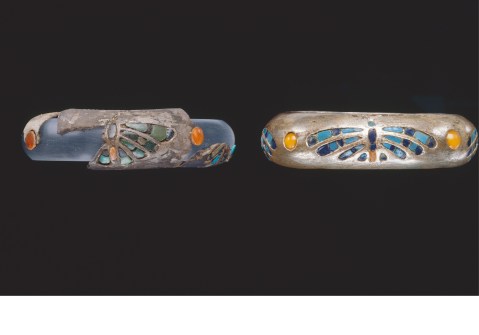
As our knowledge of the ancient Egyptian civilisation increases and modern scientific techniques are applied to existing artefacts, some long-standing beliefs are being overturned. Karin Sowada reports surprising conclusions from analysis of the silver from which Queen Hetepheres I’s bracelets were made. It originated in Greece, proving that trade routes existed much earlier than previously thought. In the past, some small faience statuettes of tattooed women were wrongly called ‘brides of the dead’. Using his medical knowledge, Dr W Benson Harer suggests that they are in fact healing talismans.

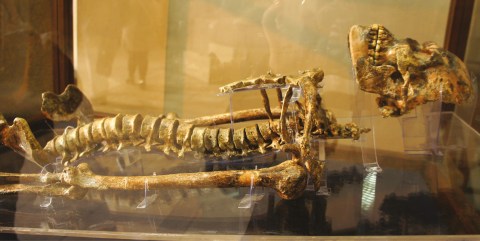
There is much of Egyptological interest to be seen in Sudan, as Karl Harris tells us in his ‘Out and About’ article in this issue. He was fortunate to be able to visit the country before the recent fighting, which has put it off limits. For much of history, Egypt had an uneasy relationship with its southern neighbour, leading sometimes to open warfare. And Julian Heath points out that modern re-examination of skeletal remains has shown that violent conflict was the norm within Predynastic Egypt itself.

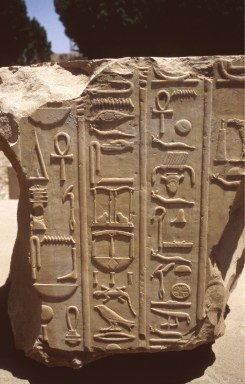
On a lighter note, Hilary Wilson chooses the familiar ankh hieroglyph for her article, pointing out that as well as ‘life’, it can also mean ‘mirror’ or even ‘sandal’!


Cover Date: Nov / Dec 2023, Volume 24 Issue 1

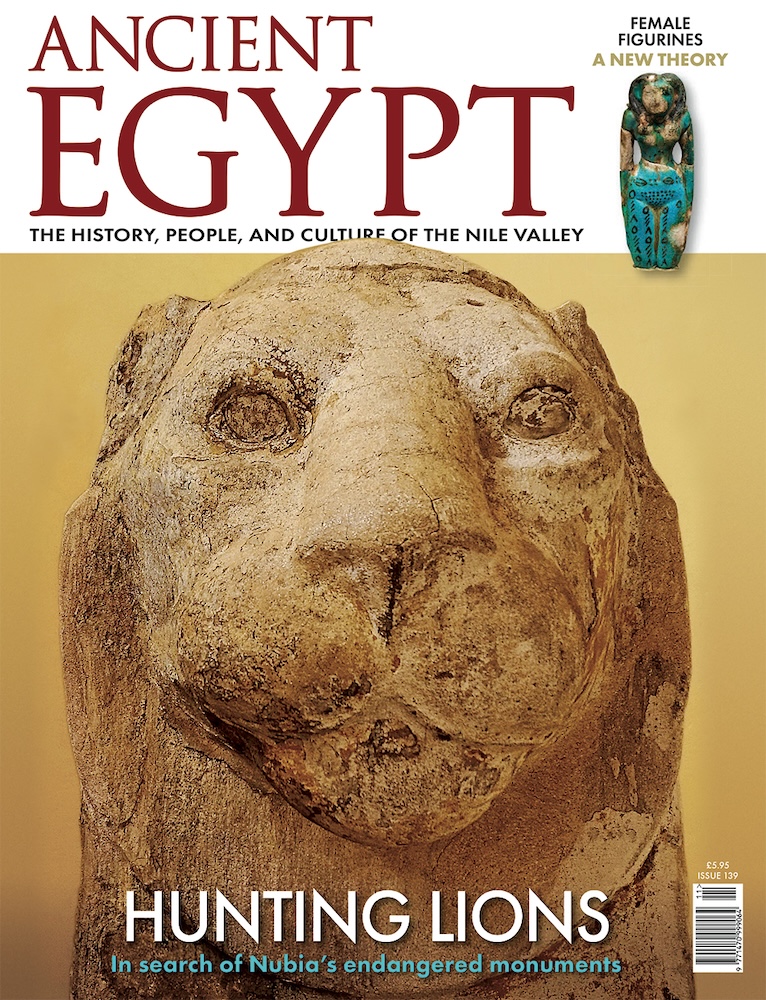
Cover Story

A tale of two lions Karl Harris travelled to Sudan on an expedition to identify the original locations and find-sites of objects now in museum collections.

Features

The lost mansion of the Golden Pharaoh Dylan Bickerstaffe investigates the evidence for Tutankhamun’s long-lost mortuary temple.
The origins of silver, and the bracelets of Queen Hetepheres I For the first time in nearly a century, these famous Old Kingdom bracelets were scientifically analysed by an international team…
Hilary Wilson on… The meaning of life What was the origin of the ankh hieroglyph and what did it mean to the ancient Egyptians?
Hathor’s healing talismans A series of elegant female figurines, the subject of ongoing research, had been wrongly identified in the past as ‘brides…
Predynastic warfare – No eden: violence and warfare in the Nile Valley Continuing his series of articles on Predynastic Egypt (see AE 127, 135, and 137), Julian Heath now looks at evidence…
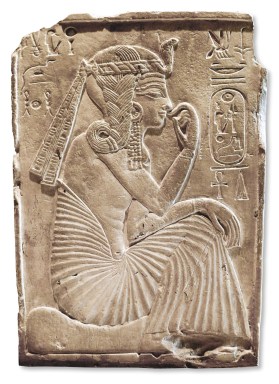
Crown Prince Ramesses: Pharaoh-in-waiting Peter J Brand looks at how Sety I ensured his son and heir became the most well-prepared of all Egypt’s…

Comment

News

Views

Ancient Egypt 139 Letters Your thoughts on issues raised by the magazine.
Ancient Egypt October listings AFRICA & BYZANTIUM An exhibition of nearly 180 works exploring the tradition of Byzantine art and culture in North Africa,…
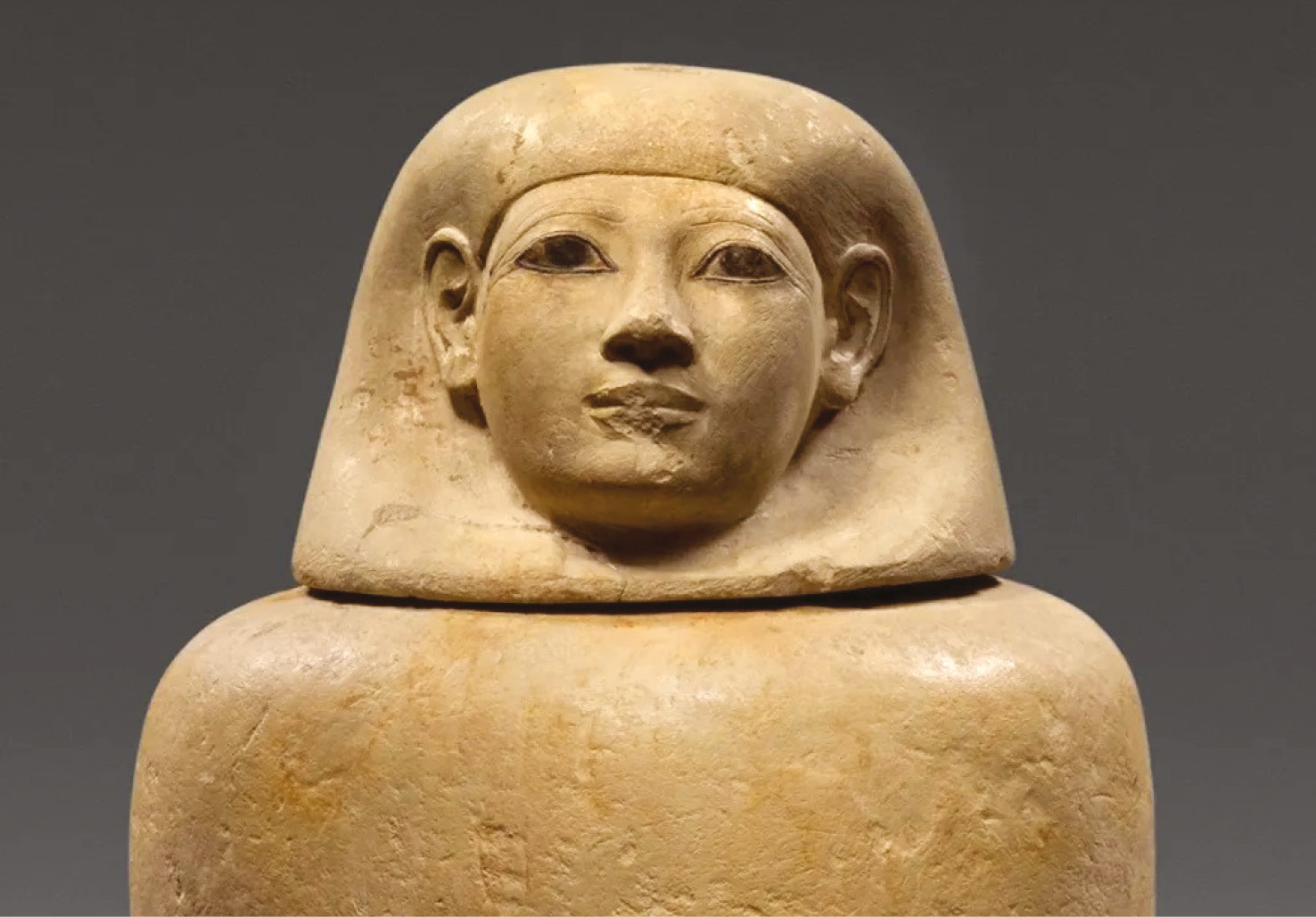
The bust of a Ptolemaic Pharaoh For this issue, Dr Campbell Price examines a sculpture in the Brooklyn Museum whose original purpose is unclear.
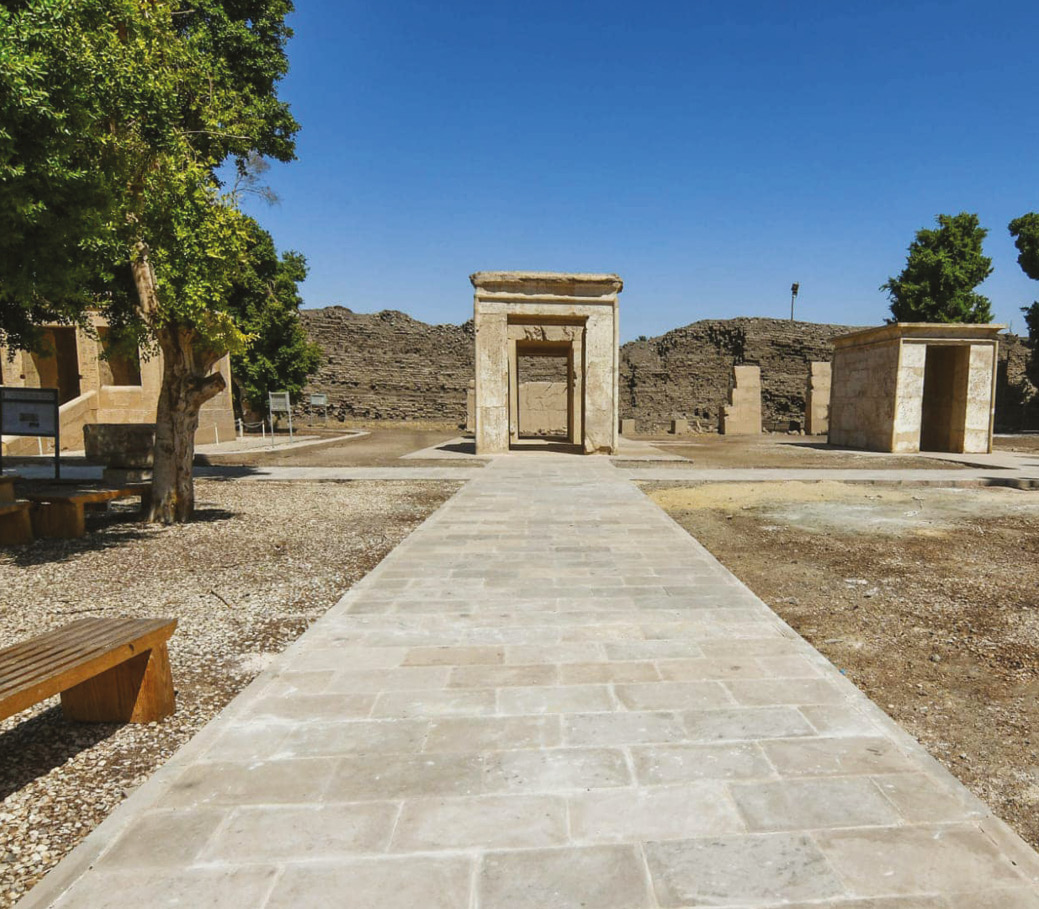
Mapping subsurface Saqqara Revealing the remains of a tightly packed complex of previously unknown temples and tombs.

Reviews

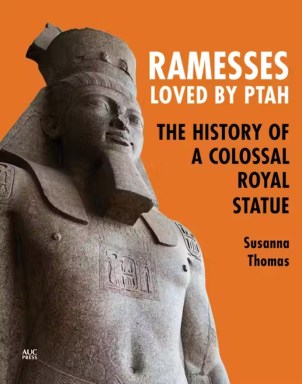
Ramesses loved by Ptah: The history of a colossal royal statue A selection of the latest publications on Egypt and Egyptology, assessed by AE’s team of experts.
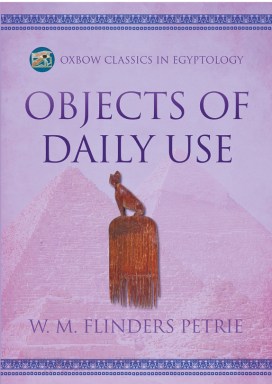
Objects of Daily Use (Oxbow Classics in Egyptology) REVIEW BY HILARY FORREST William Flinders Petrie, known to many as the ‘Father of Egyptology’, left a huge legacy of…
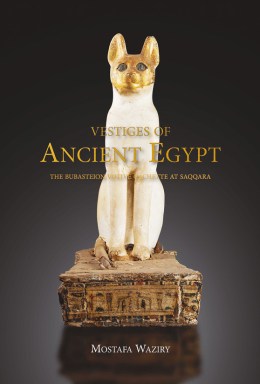
Vestiges of Ancient Egypt:  The Bubasteion Votive Cachette at Saqqara REVIEW BY CAMPBELL PRICE The book’s introduction sets the scene by briefly describing the find, with a chronological sketch of…

By Country

Popular
UK • Italy • Greece • Egypt • Turkey • France

Africa
Botswana • Egypt • Ethiopia • Ghana • Kenya • Libya • Madagascar • Mali • Morocco • Namibia • Somalia • South Africa • Sudan • Tanzania • Tunisia • Zimbabwe

Asia
Iran • Iraq • Israel • Japan • Java • Jordan • Kazakhstan • Kodiak Island • Korea • Kyrgyzstan •
Laos • Lebanon • Malaysia • Mongolia • Oman • Pakistan • Qatar • Russia • Papua New Guinea • Saudi Arabia • Singapore • South Korea • Sumatra • Syria • Thailand • Turkmenistan • UAE • Uzbekistan • Vanuatu • Vietnam • Yemen

Australasia
Australia • Fiji • Micronesia • Polynesia • Tasmania

Europe
Albania • Andorra • Austria • Bulgaria • Croatia • Cyprus • Czech Republic • Denmark • England • Estonia • Finland • France • Germany • Gibraltar • Greece • Holland • Hungary • Iceland • Ireland • Italy • Malta • Norway • Poland • Portugal • Romania • Scotland • Serbia • Slovakia • Slovenia • Spain • Sweden • Switzerland • Turkey • Sicily • UK

South America
Argentina • Belize • Brazil • Chile • Colombia • Easter Island • Mexico • Peru

North America
Canada • Caribbean • Carriacou • Dominican Republic • Greenland • Guatemala • Honduras • USA