Subscribe now for full access and no adverts
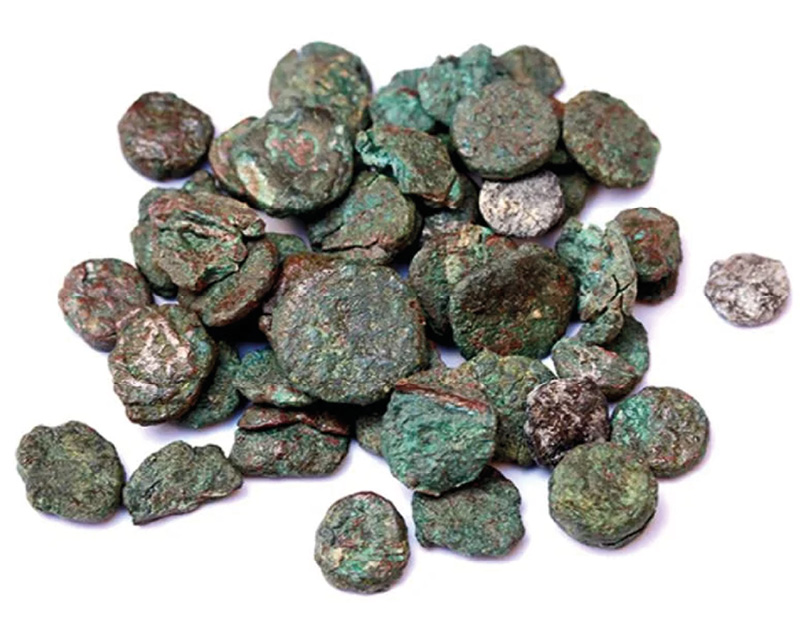
A study of ‘insignificant’ tiny coins known as nummi minimi has led to a re-evaluation of monetary circulation in Egypt during late antiquity. Researchers from the Polish National Science Centre examined thousands of previously ignored Byzantine and Umayyad coins found in the city of Marea (known as Philoxenite during the Byzantine period), near Alexandria. The coins, measuring only a few millimetres in diameter, included pieces minted in Carthage by Vandal kings, small Ostrogothic coins, and coins minted by the emperor Justinian. These finds show that Egypt during this period was part of a much wider economic zone than previously thought, in an area that covered large parts of the eastern Mediterranean. The collection also included blank copper or lead discs used as substitute coins, and local Egyptian imitations of coins from other areas.
Image: University of Warsaw