Severed hands at Avaris

June 8, 2023
This article is from Ancient Egypt issue 137


Subscribe now for full access and no adverts

German researchers analysing 12 severed hands that were discovered at Avaris (Tell el-Dab’a) in 2011 have published their findings, suggesting that the amputations were part of a ritual, rather than a punishment for crime.

The hands, dating to about 1500 BC, were found in shallow pits dug outside the walls of the Hyksos palace, but within sight of the throne room. The hands were cut cleanly and amputated after death, rather than being hacked from a living prisoner, and then placed carefully in the pits. At least 11 of the hands were from males aged between 14 and 21; the gender of the 12th hand could not be determined. This is the first physical evidence of a practice that has been depicted on temple walls, such as at Medinet Habu.
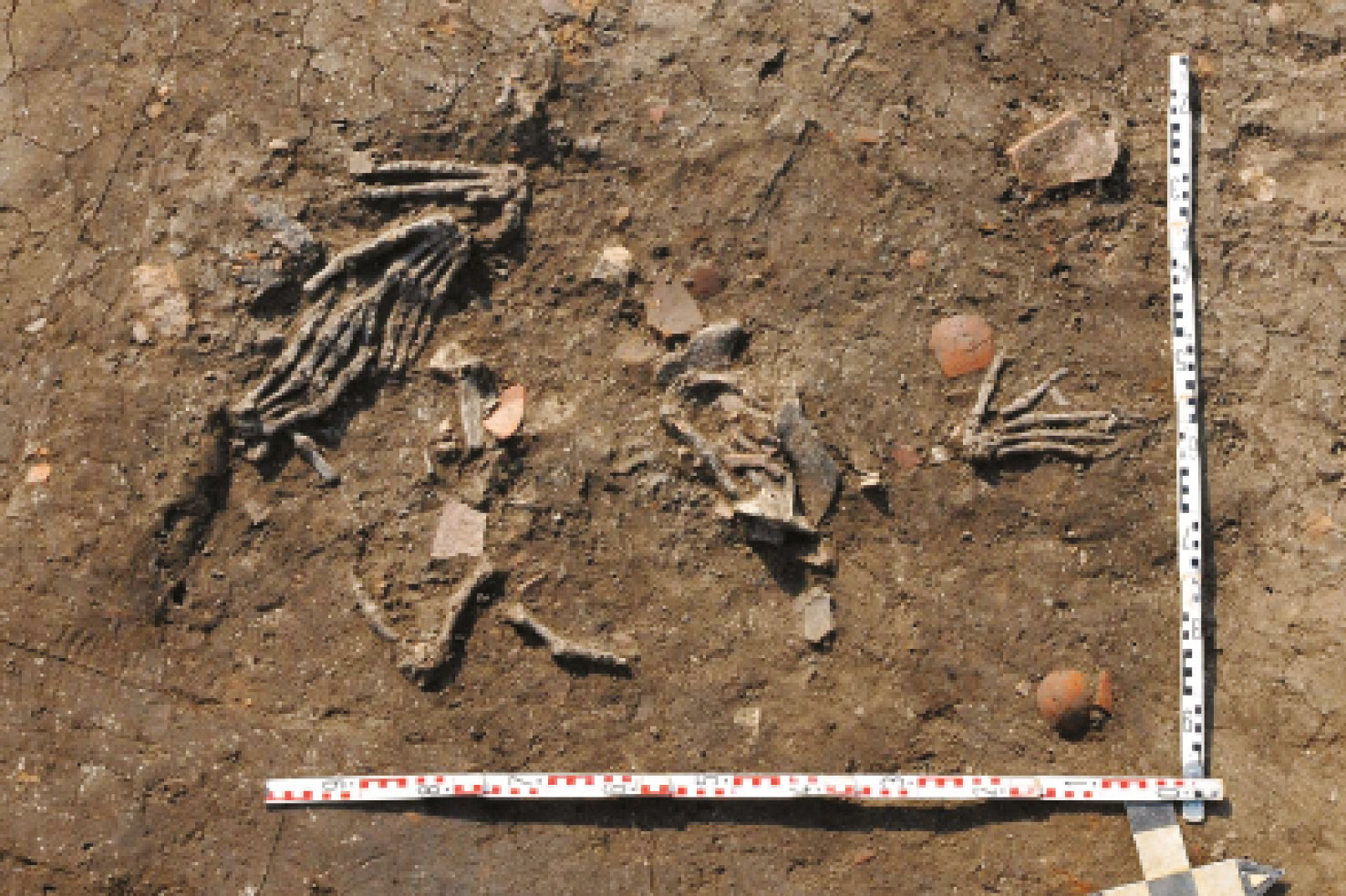
below One of the pits containing severed hands found at Tell el-Dab’a in 2011.
One of the pits containing severed hands found at Tell el-Dab’a in 2011.
Image Credit: M Bietak/ÖAI

By Country

Popular
UKItalyGreeceEgyptTurkeyFrance

Africa
BotswanaEgyptEthiopiaGhanaKenyaLibyaMadagascarMaliMoroccoNamibiaSomaliaSouth AfricaSudanTanzaniaTunisiaZimbabwe

Asia
IranIraqIsraelJapanJavaJordanKazakhstanKodiak IslandKoreaKyrgyzstan
LaosLebanonMalaysiaMongoliaOmanPakistanQatarRussiaPapua New GuineaSaudi ArabiaSingaporeSouth KoreaSumatraSyriaThailandTurkmenistanUAEUzbekistanVanuatuVietnamYemen

Australasia
AustraliaFijiMicronesiaPolynesiaTasmania

Europe
AlbaniaAndorraAustriaBulgariaCroatiaCyprusCzech RepublicDenmarkEnglandEstoniaFinlandFranceGermanyGibraltarGreeceHollandHungaryIcelandIrelandItalyMaltaNorwayPolandPortugalRomaniaScotlandSerbiaSlovakiaSloveniaSpainSwedenSwitzerlandTurkeySicilyUK

South America
ArgentinaBelizeBrazilChileColombiaEaster IslandMexicoPeru

North America
CanadaCaribbeanCarriacouDominican RepublicGreenlandGuatemalaHondurasUSA

Discover more from The Past

Subscribe now to keep reading and get access to the full archive.

Continue reading