New dating for Karanis

June 16, 2024
This article is from Ancient Egypt issue 143


Subscribe now for full access and no adverts

Radiocarbon dating of crop remains excavated at the Graeco-Roman site of Karanis (in the Fayum) shows that the town was inhabited at least into the middle of the 7th century AD – 200 years after it was thought to have been abandoned. The international team, which was led by the University of Michigan, analysed 13 plant samples from 10 different houses. The results ranged in age from the late 4th/early 5th century AD to the middle of the 7th century AD, although none could be dated to the earlier Graeco-Roman settlement. The findings suggest that Karanis survived as a settlement at least up to the period of the Islamic conquest.
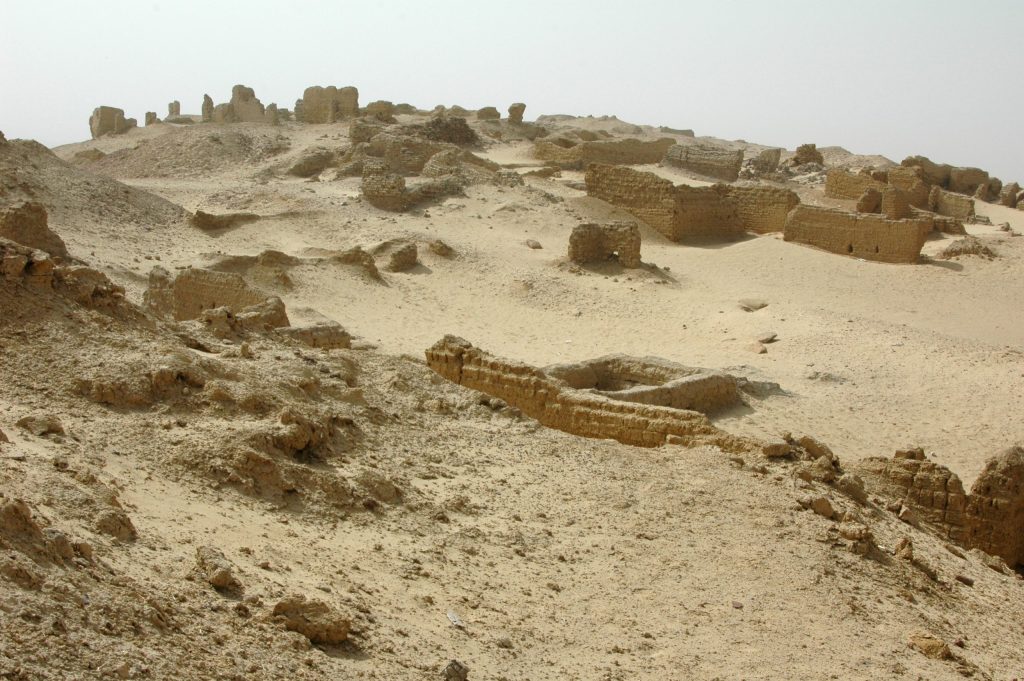
Remains of the Graeco-Roman town of Karanis, which is now thought to have survived into the 7th century AD.
Text: Sarah Griffiths / Image: Robert B Partridge

By Country

Popular
UKItalyGreeceEgyptTurkeyFrance

Africa
BotswanaEgyptEthiopiaGhanaKenyaLibyaMadagascarMaliMoroccoNamibiaSomaliaSouth AfricaSudanTanzaniaTunisiaZimbabwe

Asia
IranIraqIsraelJapanJavaJordanKazakhstanKodiak IslandKoreaKyrgyzstan
LaosLebanonMalaysiaMongoliaOmanPakistanQatarRussiaPapua New GuineaSaudi ArabiaSingaporeSouth KoreaSumatraSyriaThailandTurkmenistanUAEUzbekistanVanuatuVietnamYemen

Australasia
AustraliaFijiMicronesiaPolynesiaTasmania

Europe
AlbaniaAndorraAustriaBulgariaCroatiaCyprusCzech RepublicDenmarkEnglandEstoniaFinlandFranceGermanyGibraltarGreeceHollandHungaryIcelandIrelandItalyMaltaNorwayPolandPortugalRomaniaScotlandSerbiaSlovakiaSloveniaSpainSwedenSwitzerlandTurkeySicilyUK

South America
ArgentinaBelizeBrazilChileColombiaEaster IslandMexicoPeru

North America
CanadaCaribbeanCarriacouDominican RepublicGreenlandGuatemalaHondurasUSA

Discover more from The Past

Subscribe now to keep reading and get access to the full archive.

Continue reading