Subscribe now for full access and no adverts
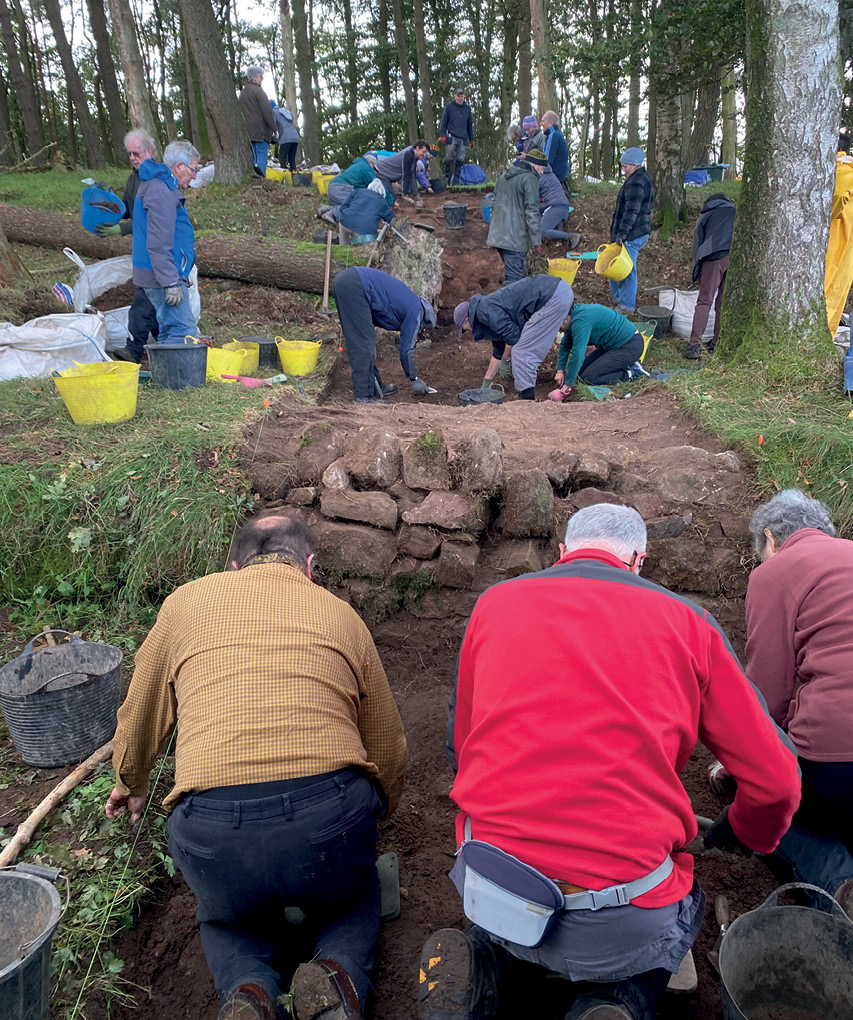
Aweek of excavations at Chapel Porth, near St Agnes, has revealed the walls of the original medieval building, among other interesting finds.
The work was carried out with the National Trust and local volunteers as part of Cornwall National Landscape’s ‘A Monumental Improvement’ project. Among the monuments and sites under the project’s umbrella is the chapel at Chapel Porth, where a geophysical survey carried out in spring 2023 revealed a high likelihood of the presence of archaeological remains.
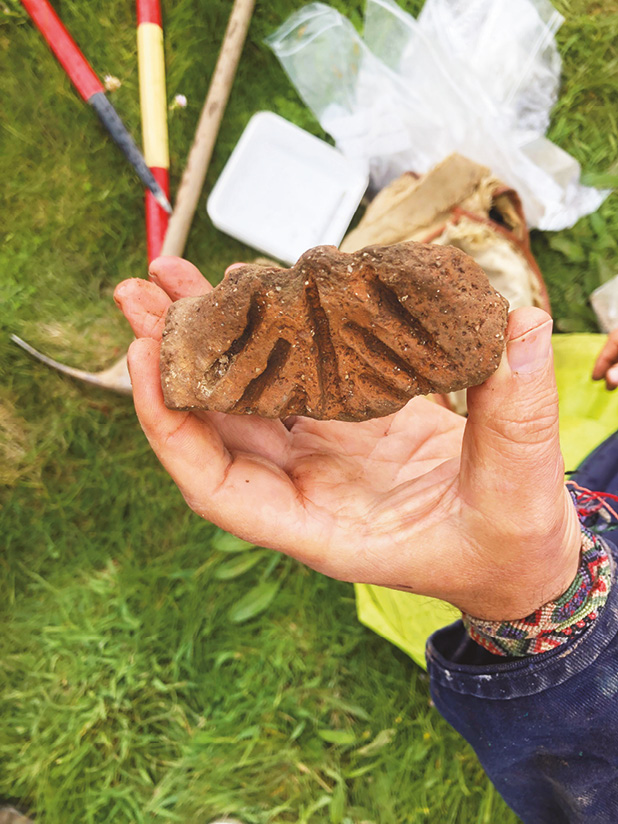
Among the expected features were the walls of the original chapel, which were successfully located during the excavations this May. A holy well near the chapel’s earthwork remains suggests a medieval date for the original building, and pottery found on site seems to support this, although specialist analysis has yet to take place. Other finds have helped archaeologists to understand the nature of the chapel building, which had been completely removed by 1780. ‘The highlight find appears to be medieval decorated ridge tiles from the chapel, which helps our understanding of its construction and use through time, as well as the status of the chapel’, Monumental Improvement project’s Assistant Archaeologist Linus Firth revealed.
The week of excavations was followed by a second week of conservation works at the site, which is hoped will protect the archaeological remains. Repairs focused on a footpath through the chapel walls, which was eroding at its eastern and western edges. By excavating the current footpath, archaeologists were able to record the surface beneath before building the footpath back up with a new, hard-wearing surface. The workers made sure to leave a message for future archaeologists in the form of a layer of white sand intended to mark the end of the repair work and the start of the archaeological level.
The findings from the excavation are being compiled into a report, which will be used alongside specialist analysis of the finds in new interpretation of the site. This will be instrumental in informing visitors about the chapel’s importance as a scheduled monument. ‘The site suffers from a lack of understanding currently, and we hope that with improved signage and understanding of the site, the public will be more sensitive to the site when walking through it.’ Linus said.
Text: Rebecca Preedy / Image: Cornwall National Landscapes