Subscribe now for full access and no adverts
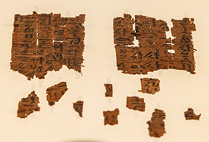
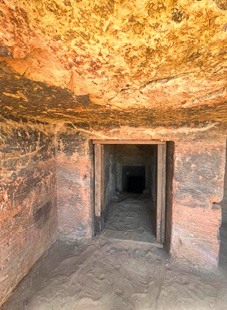
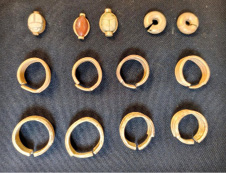
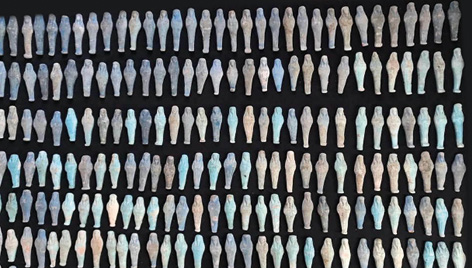
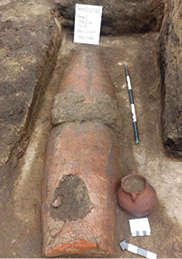
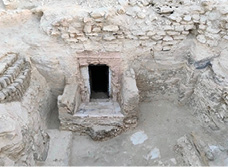
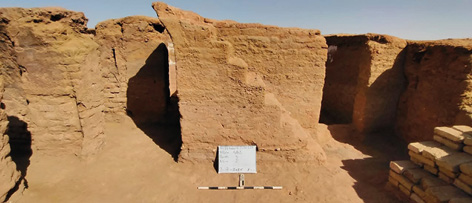
A joint Egyptian-Italian (University of Milan) archaeological mission at Aswan has discovered a further 33 tombs in the area near the Aga Khan Mausoleum. The new discoveries were made in a Graeco-Roman necropolis that is spread across ten levels on the hillside, and contains burials from several different social classes. Of the mummified remains found, over a third were new-borns or adolescents. Many showed signs of infectious disease (including tuberculosis), anaemia, and malnutrition, while several adult women showed signs of osteoporosis and pelvic bone trauma. One stone sarcophagus was found to contain two male bodies stuck together. The family burials also contained clay vessels decorated with vine-leaf designs, oil lamps, offering tables, and cartonnage.


Text: Sarah Griffiths