Subscribe now for full access and no adverts
Archaeological investigations in and around the Houses of Parliament have uncovered remains spanning the last 6,000 years, highlighting the site’s importance not just in modern history, but during the medieval period and stretching as far back as the Mesolithic.
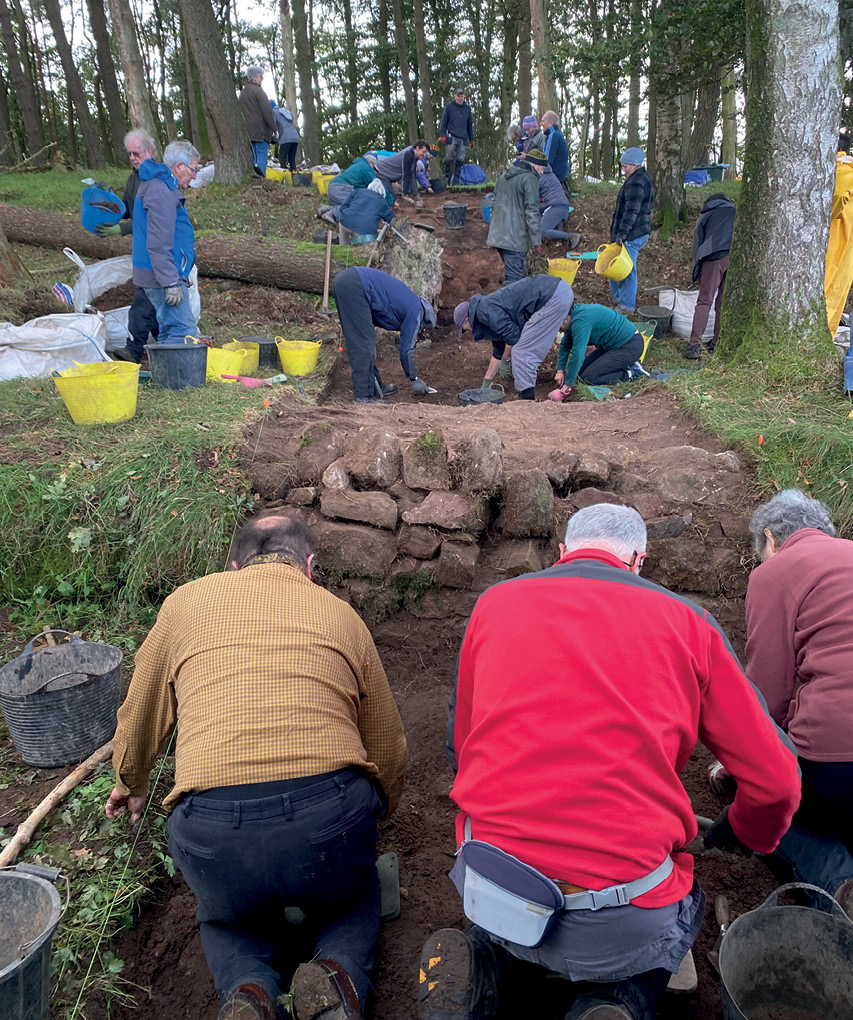
The three-year programme is being led by the Houses of Parliament Restoration and Renewal Delivery Authority, under the direction of their Archaeology Lead, Diane Abrams, and carried out by MOLA. Areas under investigation include Black Rod’s Garden, the Royal Court, Speaker’s Court, Speaker’s Green, Cromwell Green, Old Palace Yard, Victoria Tower Gardens, New Palace Yard, and the neighbouring portion of the Thames foreshore. The work (which is expected to continue into next year, with a full report published in 2027) will involve the creation of 14 trial pits and 10 geoarchaeological boreholes, as well as a foreshore survey, and the results will be used to inform future design and construction decisions, in order to minimise any disturbance to underlying archaeology.
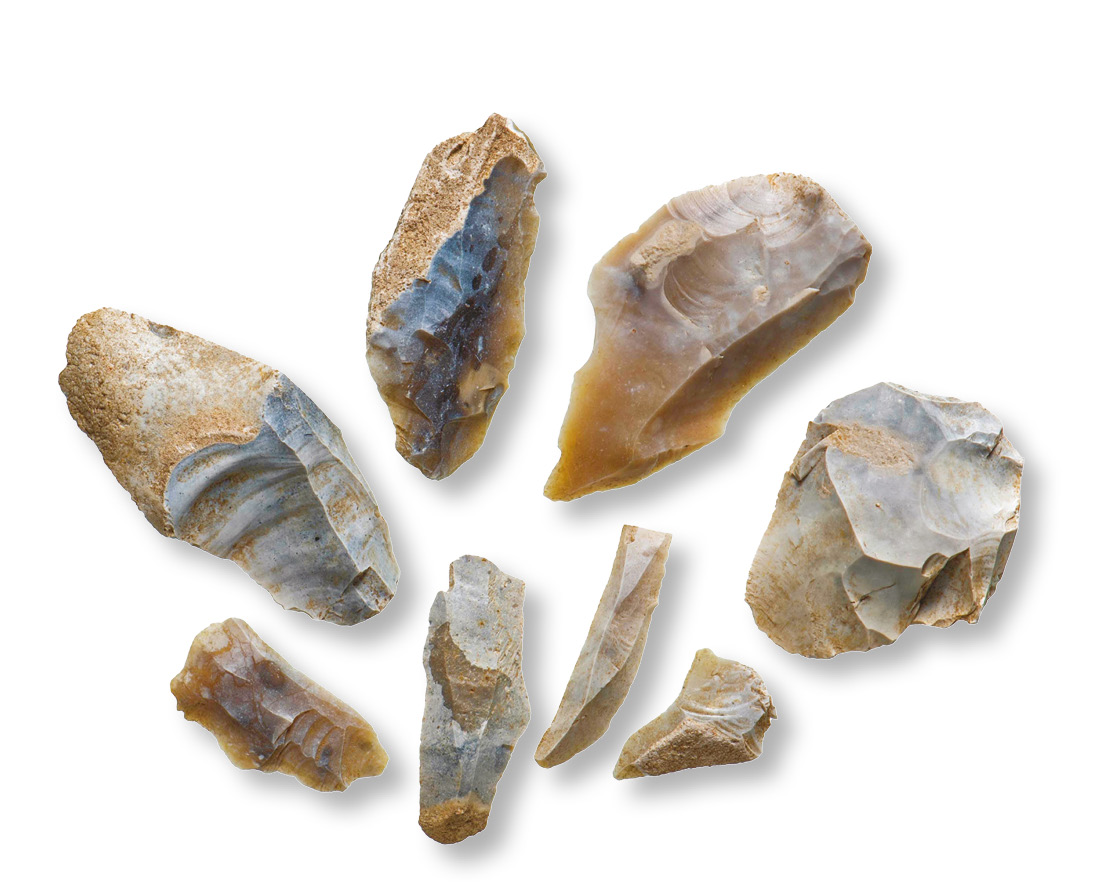
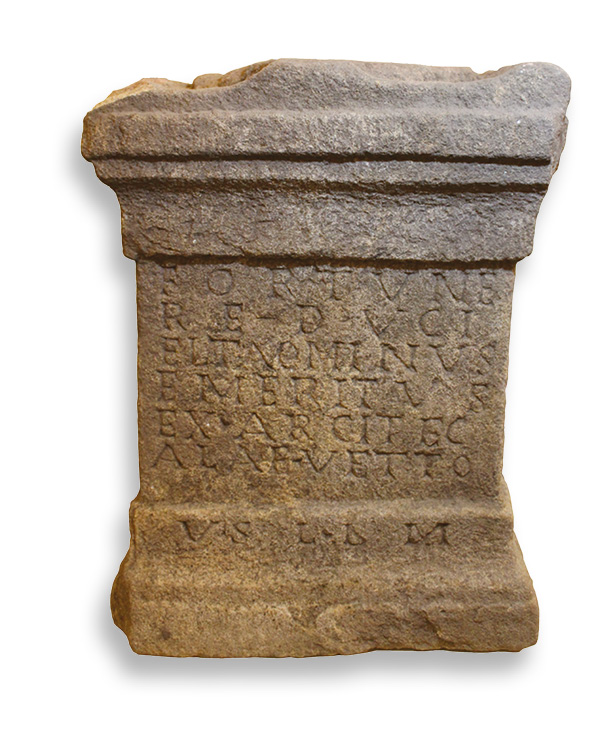
The earliest discoveries to-date comprise more than 60 struck flint flakes dating to the late Mesolithic or early Neolithic period (above). These were found on undisturbed sand deposits that would have once formed part of Thorney Island, the land where Parliament now stands – once an isolated eyot, its surrounding rivulets have long since been built over, but this area would have been an ideal place for prehistoric communities to fish, hunt, and gather food 6,000 years ago. Other highlights include a fragment from a Roman altar, which appears to have been incorporated into the fabric of a later structure; a medieval leather boot, as well as shoe soles and straps in various sizes; sherds of a 19th-century five-pint beer jug, inscribed with the words ‘Geo Painter’, which probably belonged to George Painter, who is known to have been the keeper of the Ship and Turtle Tavern in the Leadenhall area of London; as well as a decorated medieval Westminster floor tile of the type used as models for the rebuilding of the Palace of Westminster in the 19th century.
One of the biggest (both in size and significance) discoveries so far, however, is the remains of the medieval Lesser Hall, also known as the White Hall. Dating to 1167, the two-storey building was originally used as a royal dining space, but over the centuries it also variously housed the Court of Chancery, the Court of Requests, and even the House of Commons and the House of Lords. Remarkably, although damaged by the Great Fire of 1834, which is believed to have started in the furnace room of the hall’s basement, current excavations have revealed that substantial parts of the structure remain. The team uncovered a section of the hall’s medieval stone walls, which not only survived the blaze, but was restored, re-roofed, and continued in use until its final demolition in 1851. These walls proved to be even more sturdy as they not only survived the fire but, it appears, a Second World War bomb which landed nearby.
Text: Kathryn Krakowka / Photo: MOLA 2025v