
Subscribe now for full access and no adverts
Since the early days of archaeology, people have been analysing the architecture of burial monuments, seeking connections between them to understand better how ancient populations were related. The advent of modern ancient DNA (aDNA) analysis added a new way of identifying such relationships. Now a new study has sought to combine these two forms of evidence to appreciate more fully how Neolithic populations in Caithness and Orkney may have viewed and expressed kinship, and how this translated into their treatment and burial of their dead.
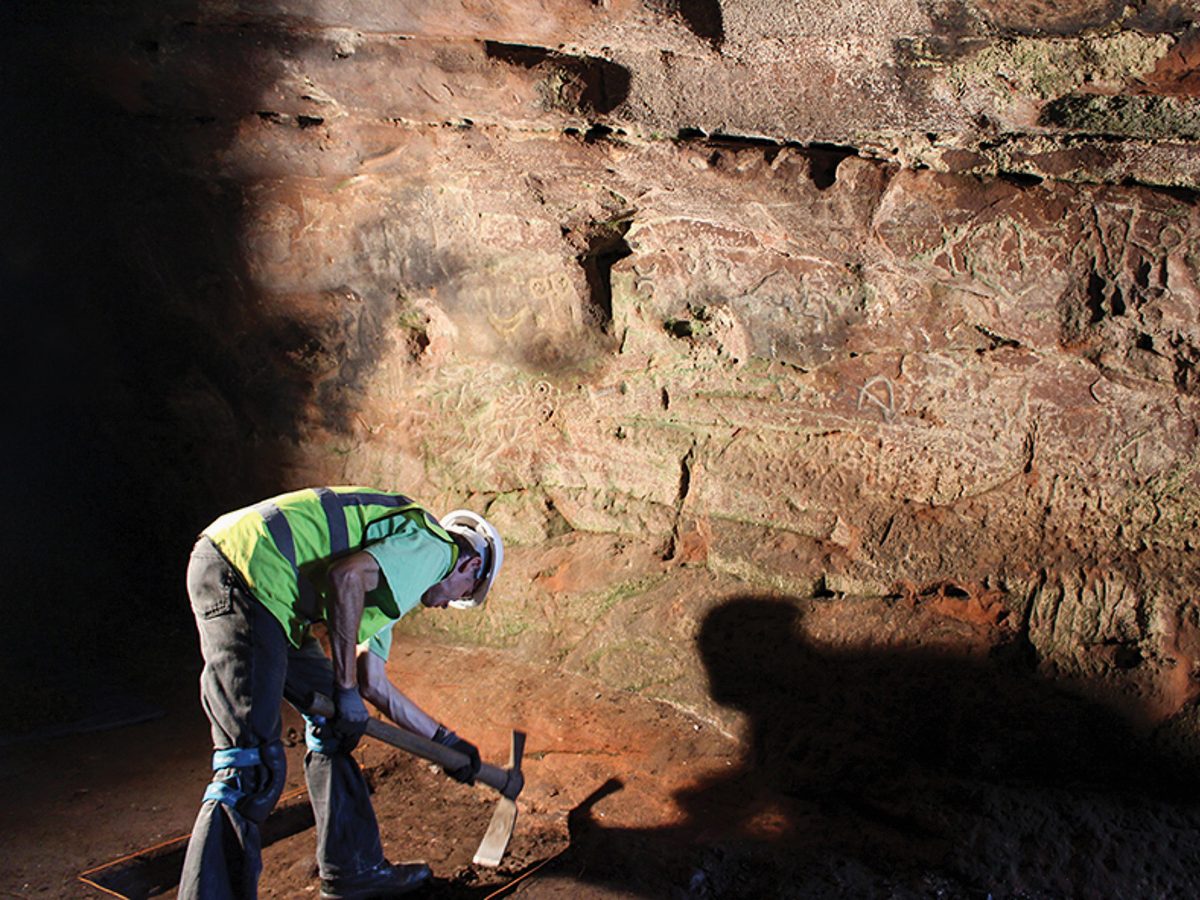
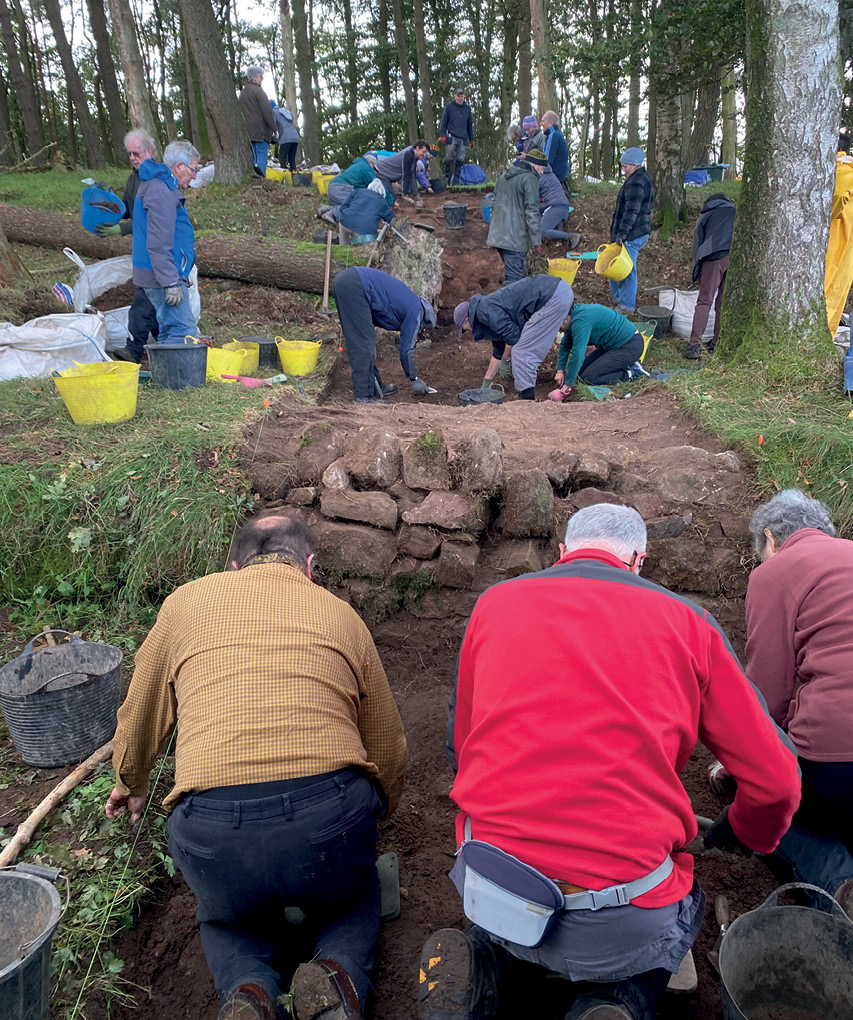
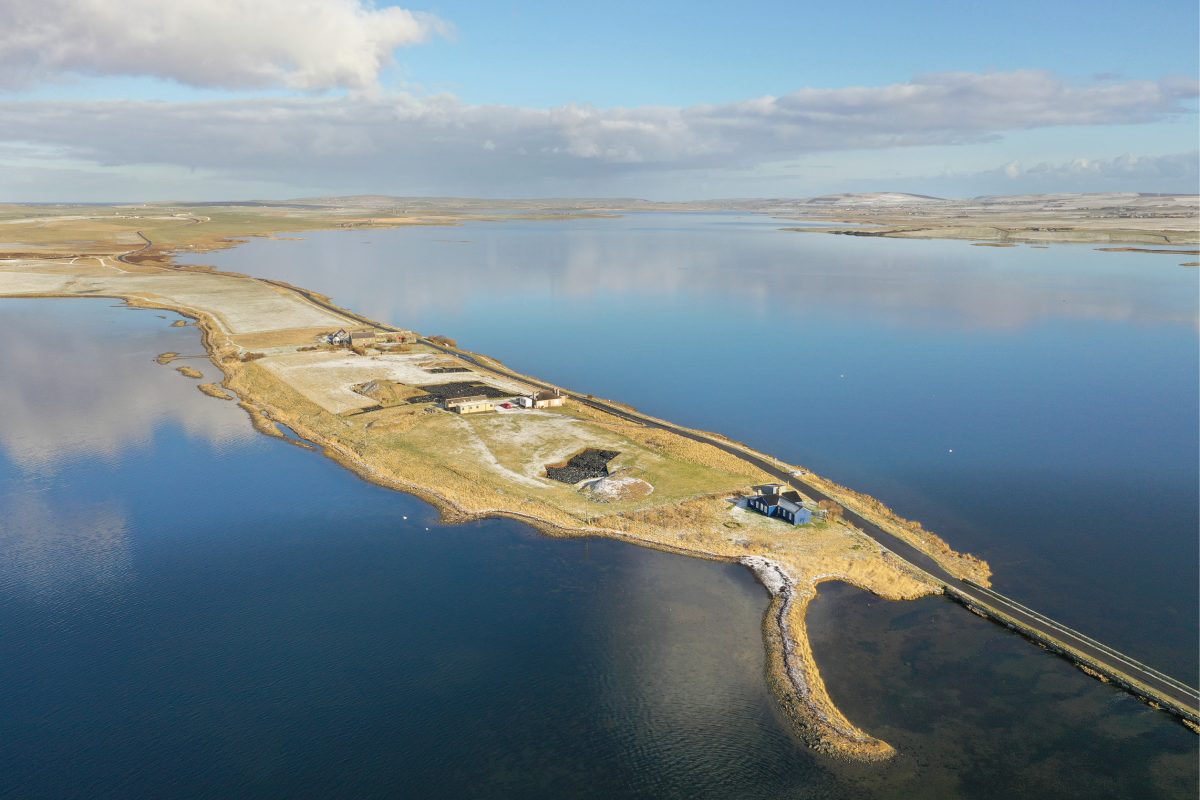
The international team, led by Professor Vicki Cummings from Cardiff University and Professor Chris Fowler from Newcastle University, examined the architecture of five chambered tombs from Caithness and Orkney and analysed the aDNA of 22 individuals who were buried within them. Three tombs – Tulloch of Assery A and B, and Tulach an t-Sionnaich – are very close together around Loch Calder at the north-eastern tip of the Scottish mainland. The fourth, Rattar East, is east of Thurso, overlooking the Pentland Firth, while the fifth, Holm of Papa Westray North, is on the other side of the Firth at the north end of Orkney.
Architecturally, the tombs are all variations on the wider tradition of the stalled cairn: monumental tombs in which a series of upright stones protrude into the centre chamber to create ‘stalls’. Looking at chronology, the team suggest that the three Loch Calder tombs were probably built in quick succession sometime between the 3600s BC and early 3500s BC. Despite their proximity and tight timeline, however, there were some noticeable differences between them, with Tulach an t-Sionnaich comprised of a single, box-like chamber, Tulloch of Assery A made of two opposing chambers, and Tulloch of Assery B having a tripartite chamber. This clustering of tombs was also seen at Rattar. Conversely, on Orkney, chambered tombs (including at Holm of Papa Westray North) were constructed in multiple phases and appear to have been built well away from each other but nearer to settlements.
In terms of genetic relatedness, nine pairs of close relatives (third-degree or closer) were identified, all of them men. For example, at Rattar East two brothers were interred together and at Holm of Papa Westray North there was a father and son, while three males representing a father, son, and grandson were placed next to one another at Tulloch of Assery A. There were also two closely related individuals who had been buried in different tombs: one of the males from Tulach an t-Sionnaich was either the uncle, half-brother, or grandfather of the father mentioned above, buried at Tulloch of Assery A. Further attesting to relatedness along the male line, almost all the men analysed had one of two main Y-chromosome haplogroup lineages, while, conversely, mitochondrial haplotypes (representing the maternal line) were highly variable with 19 different lineages identified in 22 individuals. While genetic relatedness does not always translate to ideas of kinship, overall these results do reveal strong connections by patrilineal descent with no close matrilineal relatedness observed. Other forms of kinship, including maternal links, may have played out in other ways over the course of daily life, but it appears that the patrilineal line in particular was traced through funerary practices.
In the paper outlining the full results of the study, recently published in Antiquity (https://doi.org/10.15184/aqy.2026.10291), the team said: ‘Both the similarities in architecture observed across the tombs and the biological relationships identified through aDNA demonstrate a web of connections among the entombed individuals, suggesting they were members of a small interwoven community sharing both architectural and mortuary practices.’

Text: Kathryn Krakowka / Photo: Professor Vicki Cummings