Ancient Egyptian news in brief: crocodile burials and a counterfeit tomb

A round-up of some of the latest news from the ancient Egyptian world.
April 12, 2023
This article is from Ancient Egypt issue 136


Subscribe now for full access and no adverts

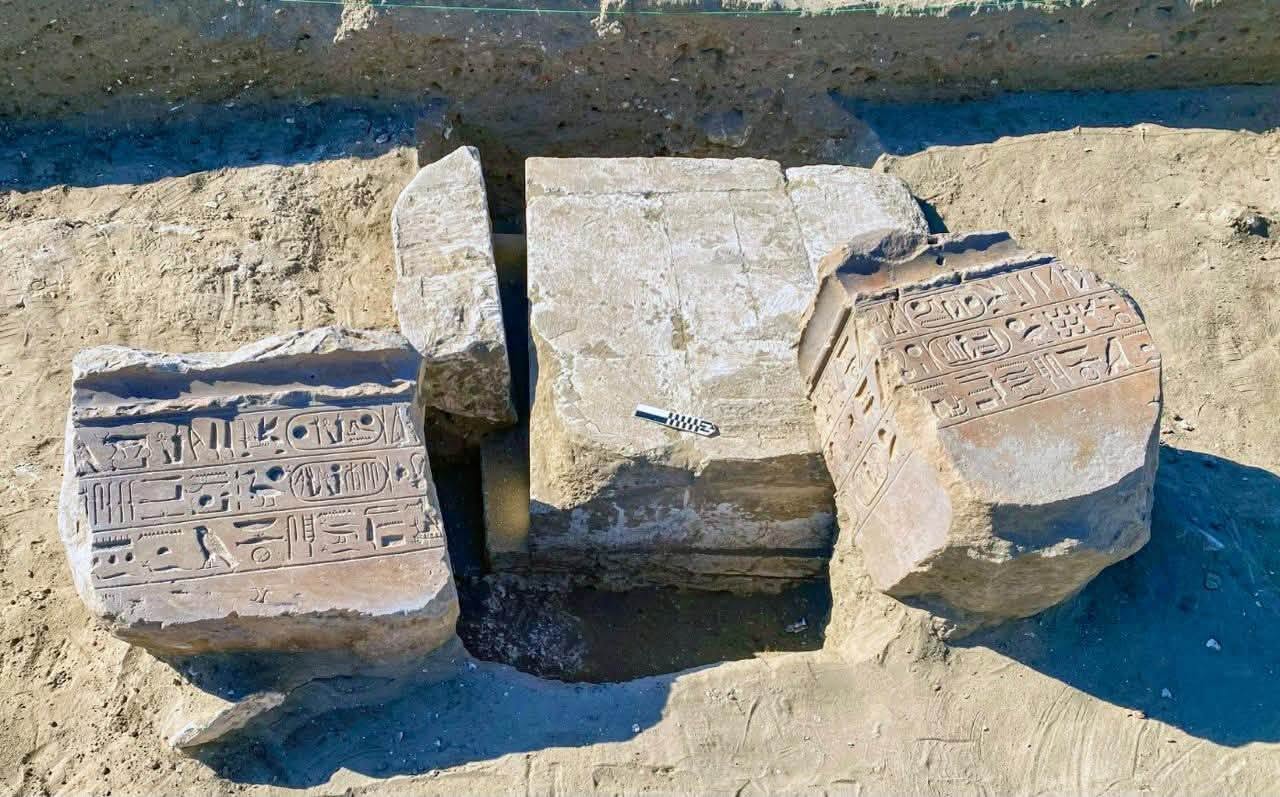
•A Polish team excavating at Old Dongola in Sudan has uncovered sandstone blocks carved with hieroglyphs, dating to the Kingdom of Makuria (9th-11th century BC). The blocks were from the pylon entrance to a temple. The discovery pushes back the known history of the city by some 1,000 years.

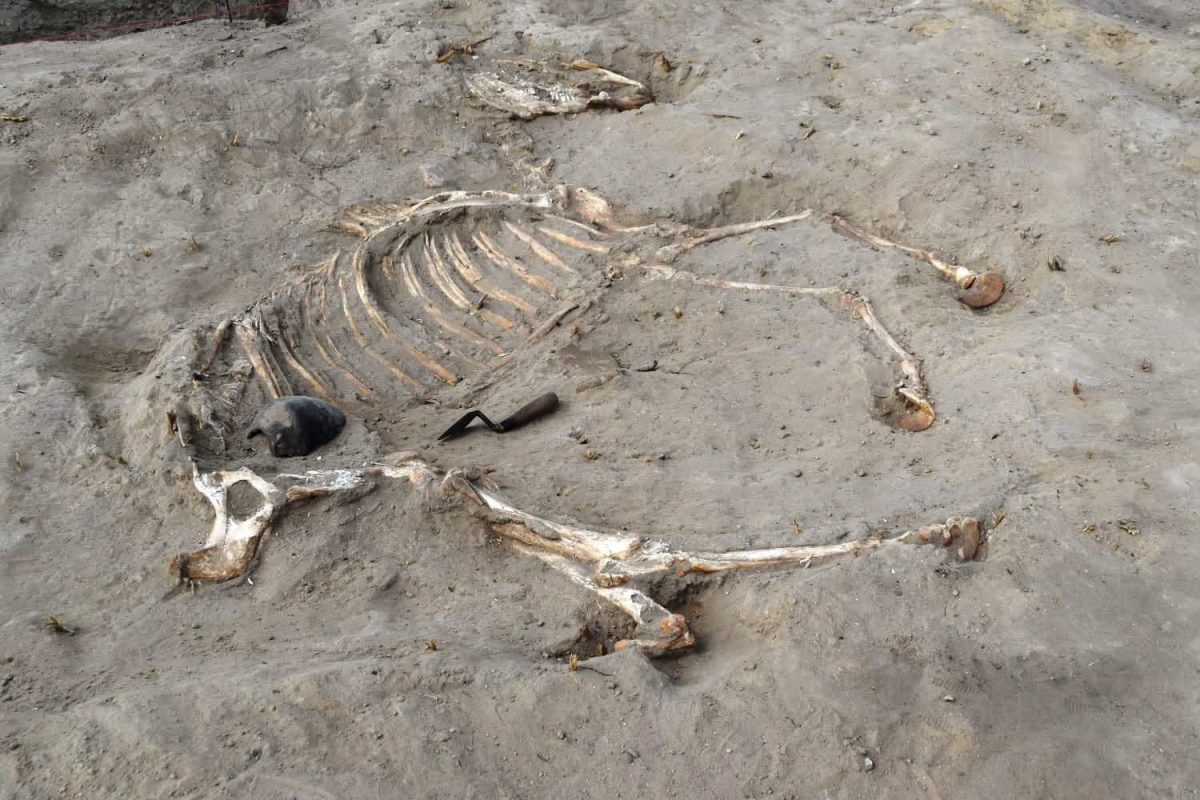
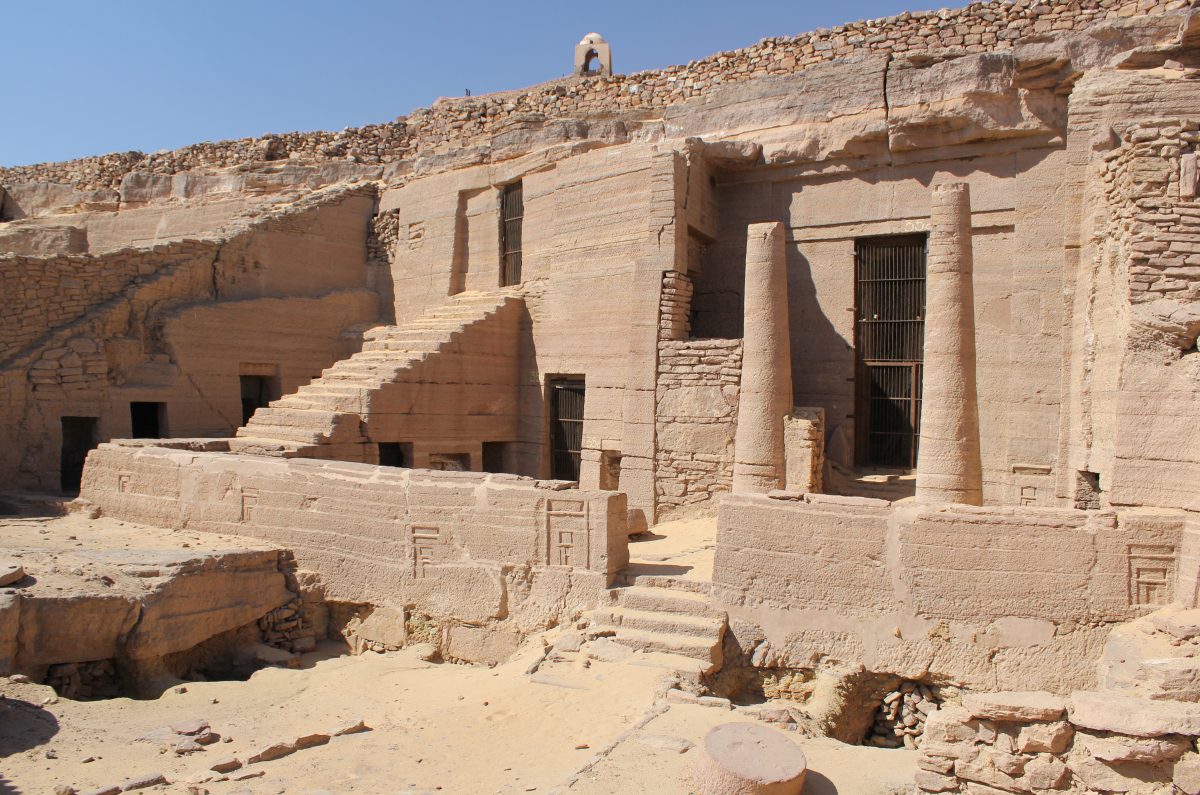
•The University of Jaén team working at Qubbet el-Hawa (opposite Aswan) have published the results of their 2019 discovery of five crocodile burials.

•At Deir el-Bahri, restoration work has been completed in the northern and southern chambers flanking the Eighteenth Dynasty Chapel of Amun-Ra, on the upper terrace of the Hatshepsut Temple, and in the Eleventh Dynasty Tomb of Meru, ‘Overseer of Sealers’ (TT240). Both are now open to the public.
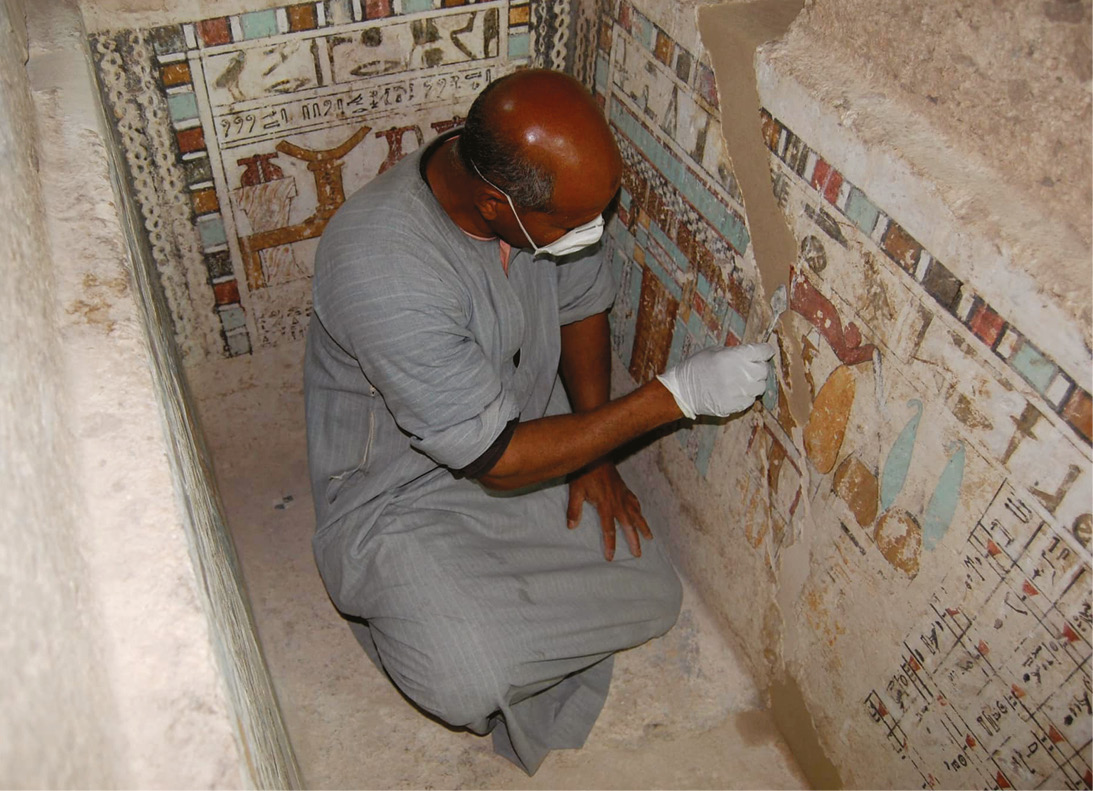
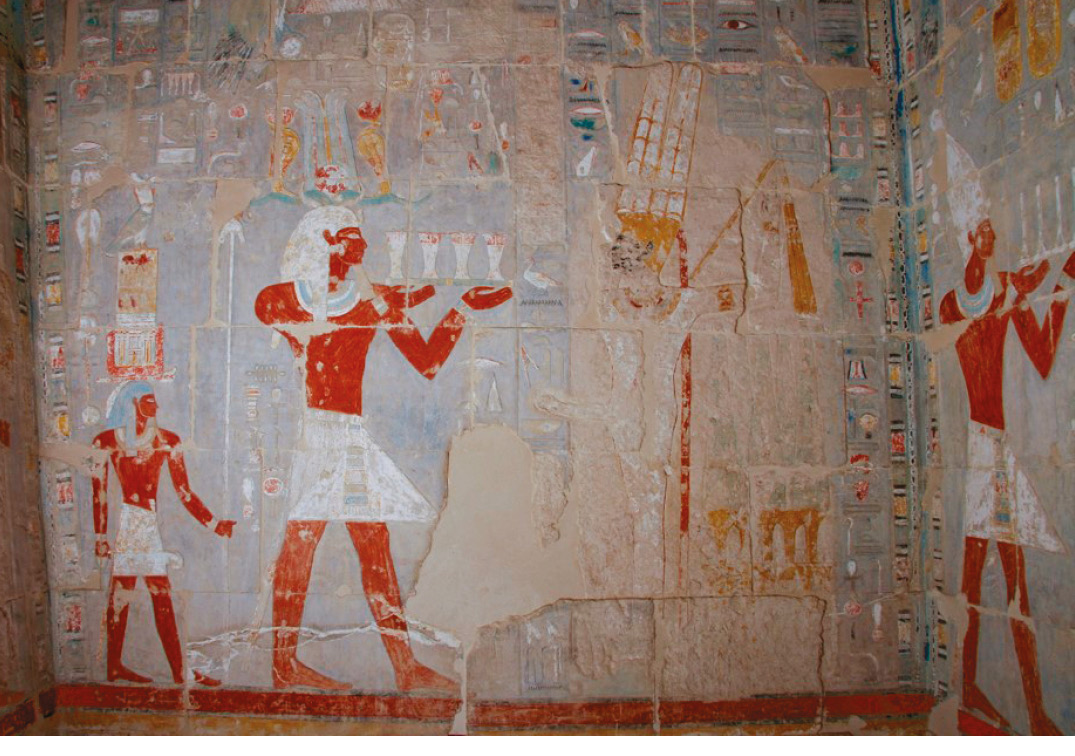
above A newly restored scene in the south hall of the Chapel of Amun-Ra in the Hatshepsut Temple at Deir el-Bahri. left Restoration work being completed on the Eleventh Dynasty tomb belonging to Meru, which is now open to the public.
Restoration work being completed on the Eleventh Dynasty tomb belonging to Meru, which is now open to the public. Image: copyright of the Ministry for Tourism and Antiquities, unless otherwise stated
A newly restored scene in the south hall of the Chapel of Amun-Ra in the Hatshepsut Temple at Deir el-Bahri. Image: Maciej Jawornicki/CAŚ UW

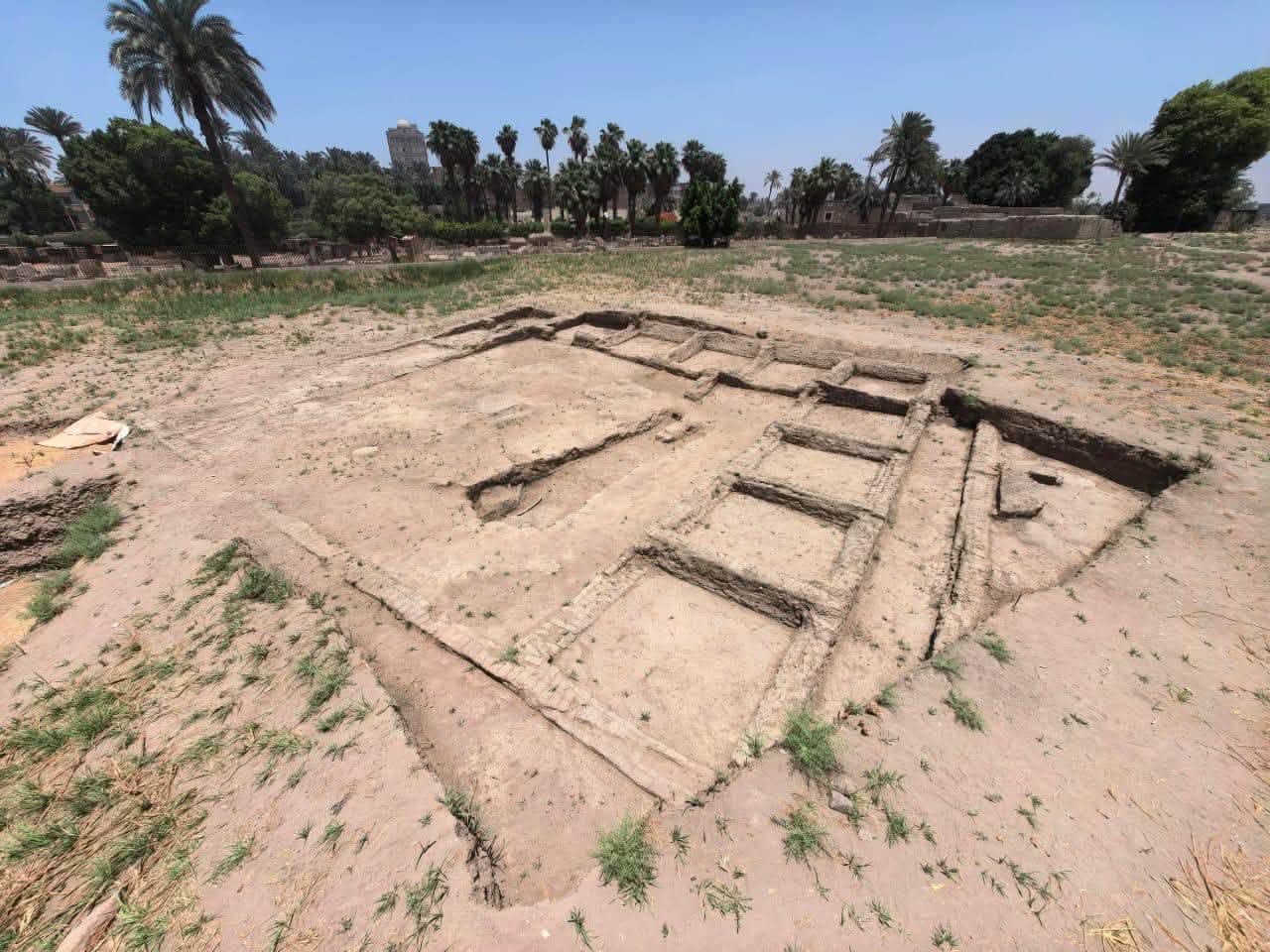
•Restoration work has been completed at the Graeco-Roman cemetery at el-Shatby in Alexandria, which now has a visitor centre and new signage.

•The Sabil Abdel-Baqi Kheir el-Din public fountain and Quran school, dating to the Mamluk period, has also now reopened to visitors following restoration work. The Sabil is part of the UNESCO World Heritage Site of Historic Cairo.

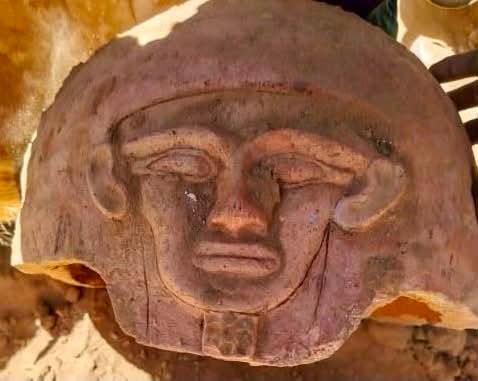
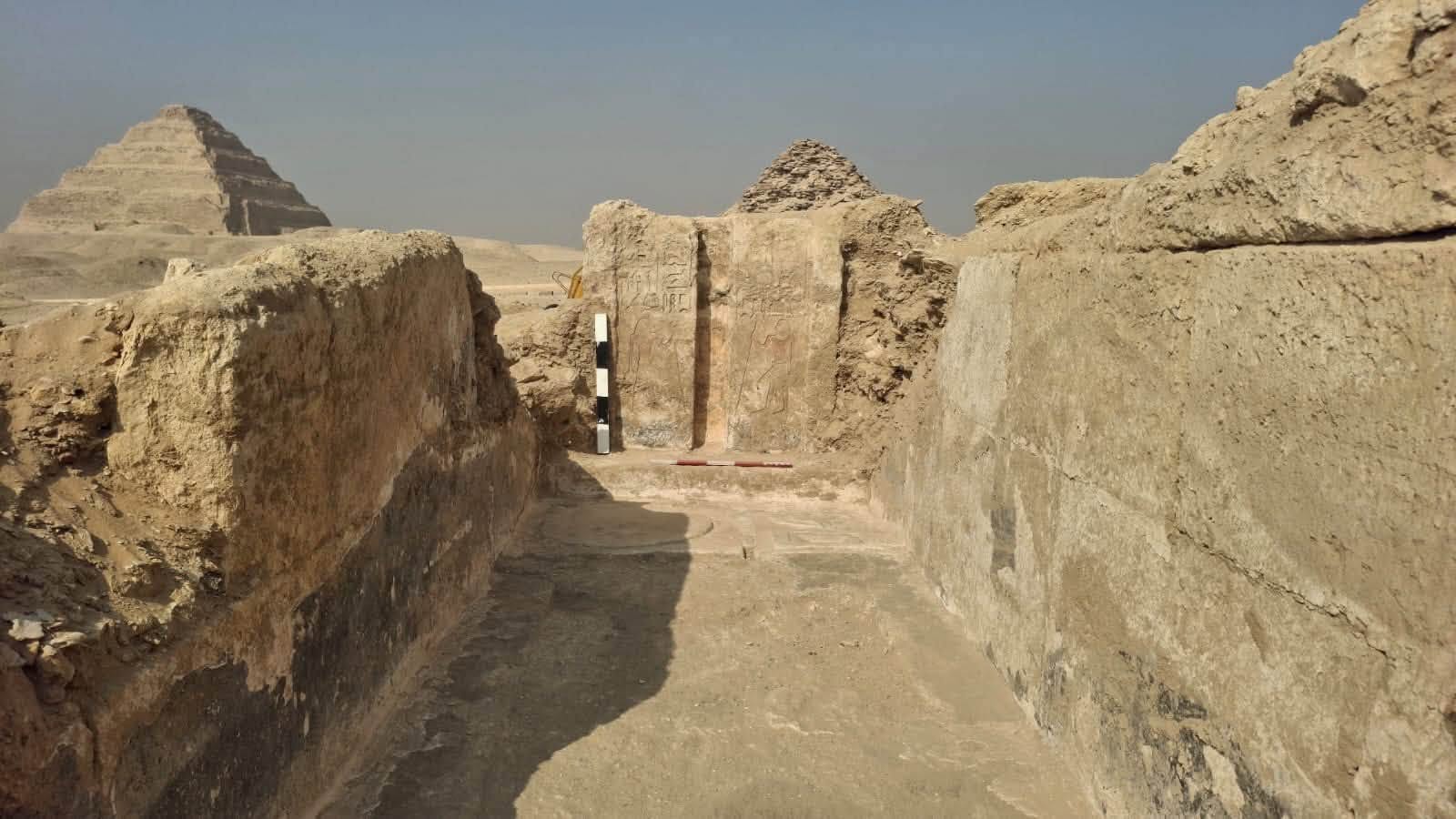
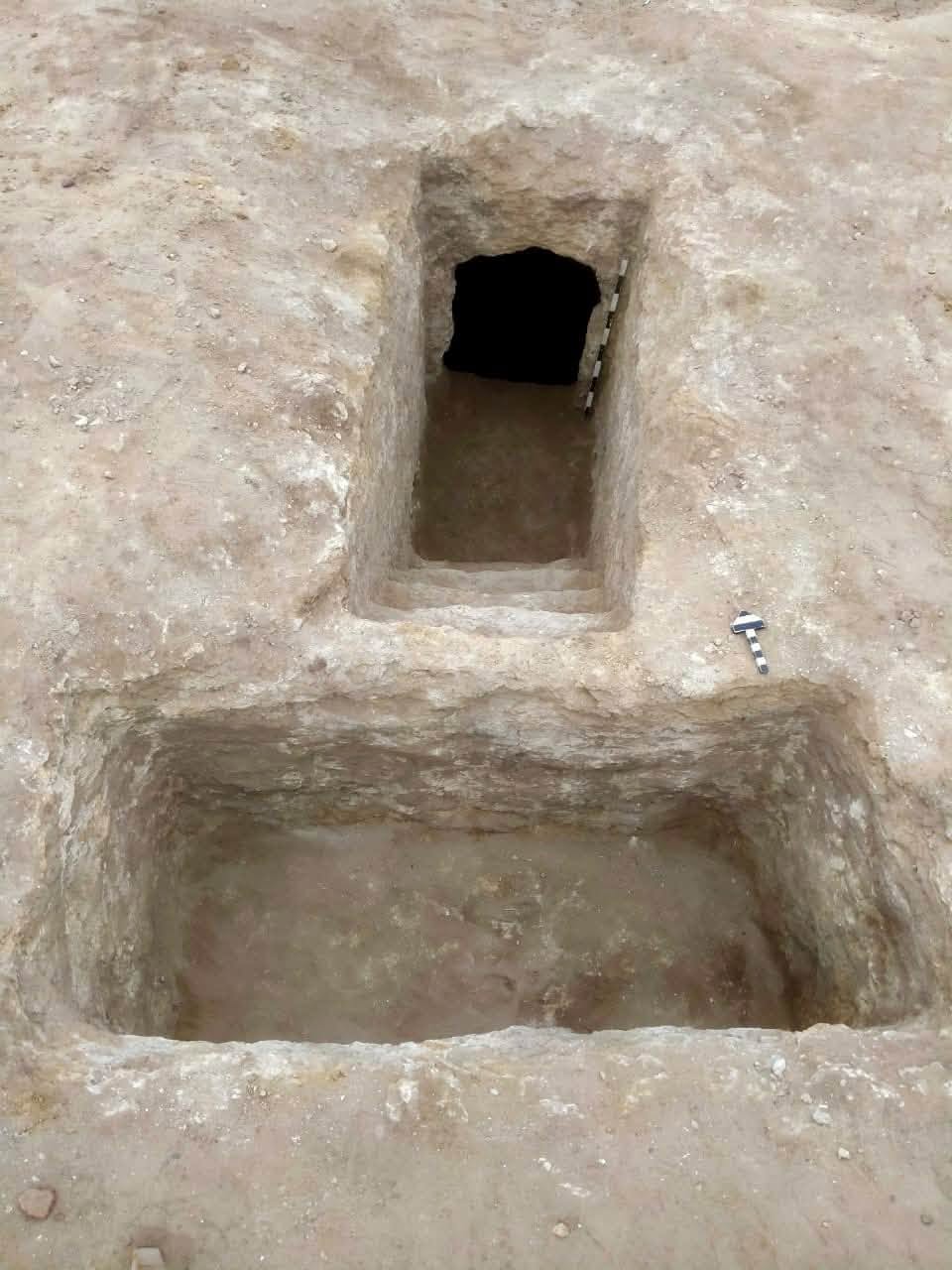
•In Beni Suef, police have uncovered a series of tunnels made to look like an ancient tomb – complete with fake statues and wall paintings. The counterfeit tomb was created in an attempt to make money from tourists.
By Country

Popular
UKItalyGreeceEgyptTurkeyFrance

Africa
BotswanaEgyptEthiopiaGhanaKenyaLibyaMadagascarMaliMoroccoNamibiaSomaliaSouth AfricaSudanTanzaniaTunisiaZimbabwe

Asia
IranIraqIsraelJapanJavaJordanKazakhstanKodiak IslandKoreaKyrgyzstan
LaosLebanonMalaysiaMongoliaOmanPakistanQatarRussiaPapua New GuineaSaudi ArabiaSingaporeSouth KoreaSumatraSyriaThailandTurkmenistanUAEUzbekistanVanuatuVietnamYemen

Australasia
AustraliaFijiMicronesiaPolynesiaTasmania

Europe
AlbaniaAndorraAustriaBulgariaCroatiaCyprusCzech RepublicDenmarkEnglandEstoniaFinlandFranceGermanyGibraltarGreeceHollandHungaryIcelandIrelandItalyMaltaNorwayPolandPortugalRomaniaScotlandSerbiaSlovakiaSloveniaSpainSwedenSwitzerlandTurkeySicilyUK

South America
ArgentinaBelizeBrazilChileColombiaEaster IslandMexicoPeru

North America
CanadaCaribbeanCarriacouDominican RepublicGreenlandGuatemalaHondurasUSA

Discover more from The Past

Subscribe now to keep reading and get access to the full archive.

Continue reading