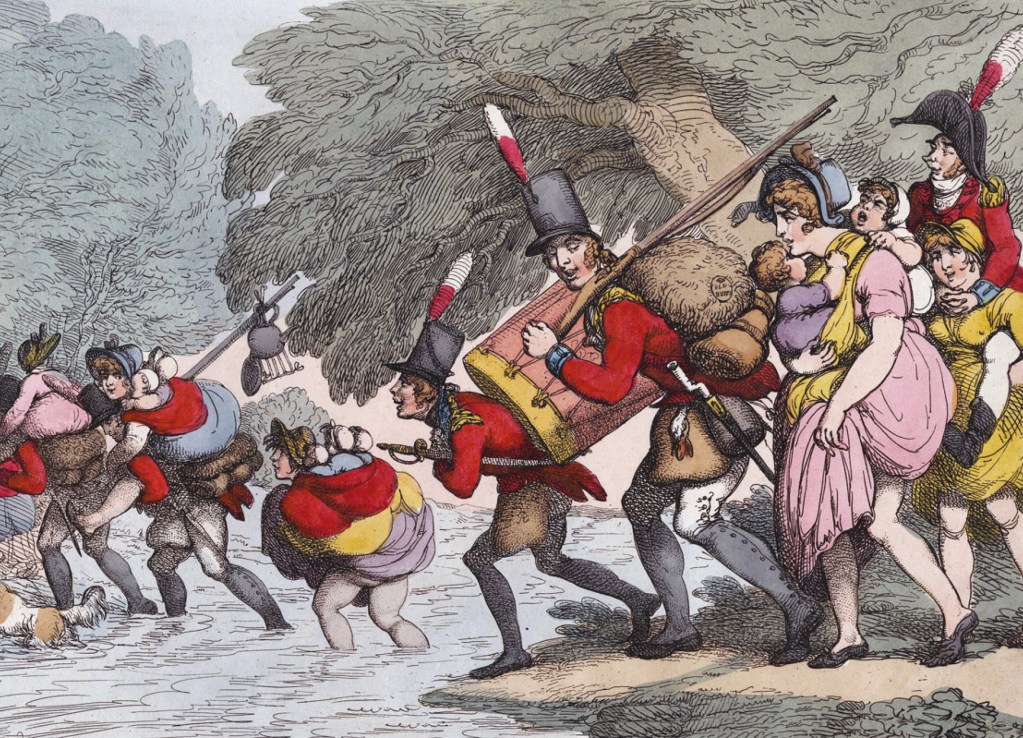

below Wellesley’s army on the march in the Peninsula.

Wellington’s lessons in failure

‘The art of victory is learned in failures.’ It might have been said by Wellington (though in fact it was said by South American revolutionary leader Simón Bolívar). Stephen Roberts explains why.
Start
This article is from Military History Matters issue 127


Subscribe now for full access and no adverts

An oft-repeated myth about the ‘Iron Duke’ is that he never lost a battle. Perhaps he never lost a major battle; more importantly, he won the one that really mattered. Before he got there, though a succession of signal military failures provided Wellington with a sharp learning curve.

Born in Ireland in 1769, it was always going to be a military life for Arthur Wellesley, who joined the 73rd Foot with an ensign’s commission in 1787.
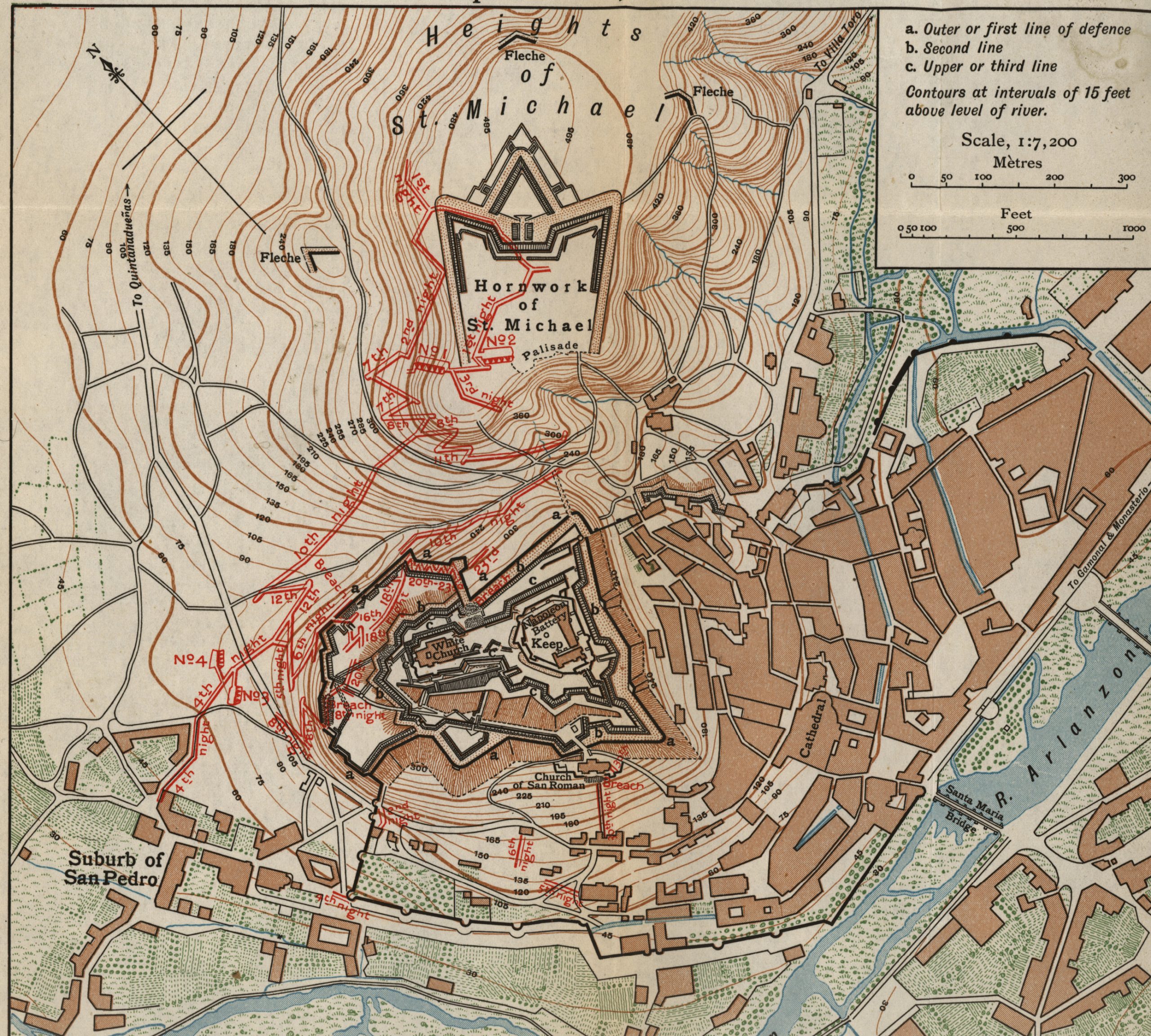
The rise of a great commander: [below left] Lieutenant-Colonel Arthur Wellesley in 1794, when he was the 26-year-old commander of the 33rd Regiment of Foot; [Below] General Arthur Wellesley in 1804, towards the end of his period of service in India; [opposite bottom] Arthur Wellesley at the time of the Peninsular War. OPPOSITe top Plan of Burgos, the scene of frustration for Arthur Wellesley during the Peninsular War, who cursed it as ‘this damned place’.
Plan of Burgos, the scene of frustration for Arthur Wellesley during the Peninsular War, who cursed it as ‘this damned place’.

His first brush with action came during the French Revolutionary Wars (1792-1802), when the European monarchies tried to throttle the fledgling French Republic. He immediately got his first taste of defeat.

The Battle of Boxtel 15 September 1794

Boxtel was Wellington’s debut action. By now a lieutenant-colonel, he was in command of the 33rd Regiment of Foot, part of an army commanded by the Duke of York (the second son of King George III) and General Ralph Abercromby.

An attempted Allied invasion of northern France had failed, and the Allied army was in retreat, pursued by the French. The Allies formed a line on the River Aa, with a forward outpost on the Dommel at Boxtel.

French forces forded the Dommel and fell upon the rear of the Hessian contingent of Allied troops, who were severely mauled and driven back. Abercromby was tasked with recapturing Boxtel, but, on encountering his enemy, overestimated its strength and withdrew.

The Allied position disintegrated, with the Aa line abandoned, as the Anglo-German force withdrew behind the Meuse, with several forts lost. The loss of nerve at Boxtel, amid British command errors, made this an inglorious retreat.
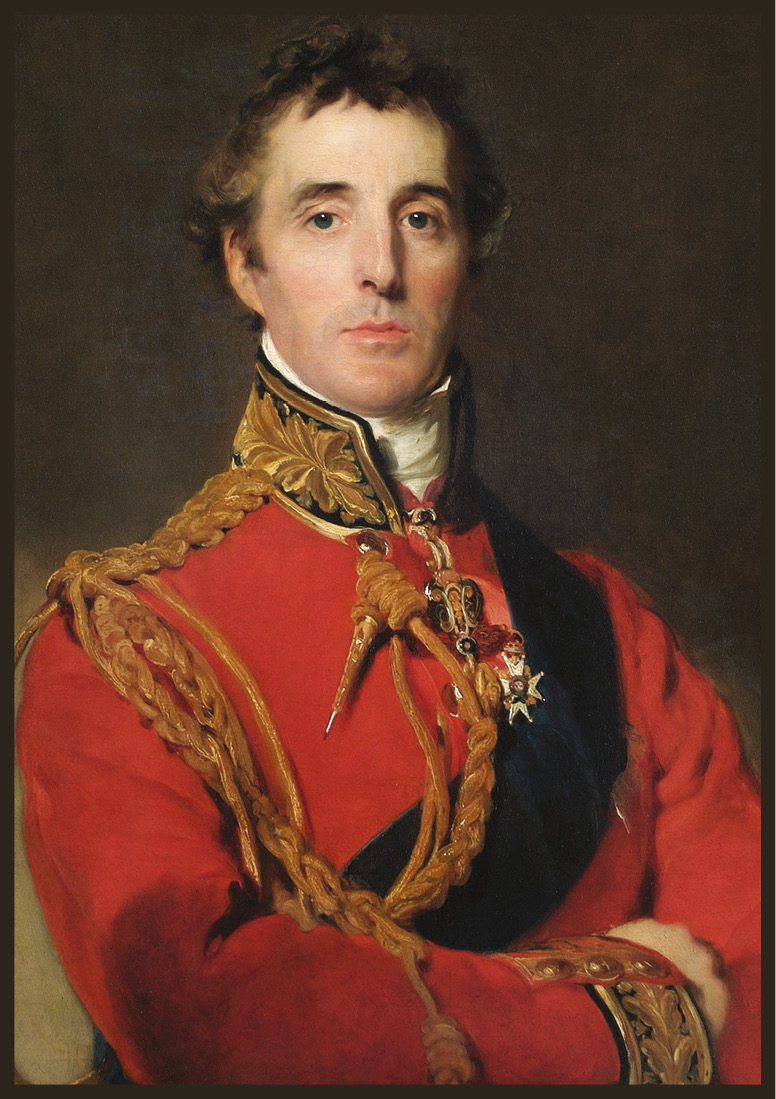
Arthur Wellesley at the time of the Peninsular War.

Already a subscriber? Sign in here


Read this article now for free!

Enter your email below to read the full article, and to receive our weekly newsletter with a round-up of The Past's top stories.

-- or --

Or, subscribe for unlimited access

By Country

Popular
UK • Italy • Greece • Egypt • Turkey • France

Africa
Botswana • Egypt • Ethiopia • Ghana • Kenya • Libya • Madagascar • Mali • Morocco • Namibia • Somalia • South Africa • Sudan • Tanzania • Tunisia • Zimbabwe

Asia
Iran • Iraq • Israel • Japan • Java • Jordan • Kazakhstan • Kodiak Island • Korea • Kyrgyzstan •
Laos • Lebanon • Malaysia • Mongolia • Oman • Pakistan • Qatar • Russia • Papua New Guinea • Saudi Arabia • Singapore • South Korea • Sumatra • Syria • Thailand • Turkmenistan • UAE • Uzbekistan • Vanuatu • Vietnam • Yemen

Australasia
Australia • Fiji • Micronesia • Polynesia • Tasmania

Europe
Albania • Andorra • Austria • Bulgaria • Croatia • Cyprus • Czech Republic • Denmark • England • Estonia • Finland • France • Germany • Gibraltar • Greece • Holland • Hungary • Iceland • Ireland • Italy • Malta • Norway • Poland • Portugal • Romania • Scotland • Serbia • Slovakia • Slovenia • Spain • Sweden • Switzerland • Turkey • Sicily • UK

South America
Argentina • Belize • Brazil • Chile • Colombia • Easter Island • Mexico • Peru

North America
Canada • Caribbean • Carriacou • Dominican Republic • Greenland • Guatemala • Honduras • USA

Discover more from The Past

Subscribe now to keep reading and get access to the full archive.

Continue reading