Subscribe now for full access and no adverts
Timber-framing is gaining momentum as a mainstream construction technique for new buildings in the UK because of its environmental benefits. Timber substantially reduces the carbon emissions and high energy costs associated with steel and concrete structures, and the use of high-performance insulation to fill the spaces in the frame leads to lower energy costs.
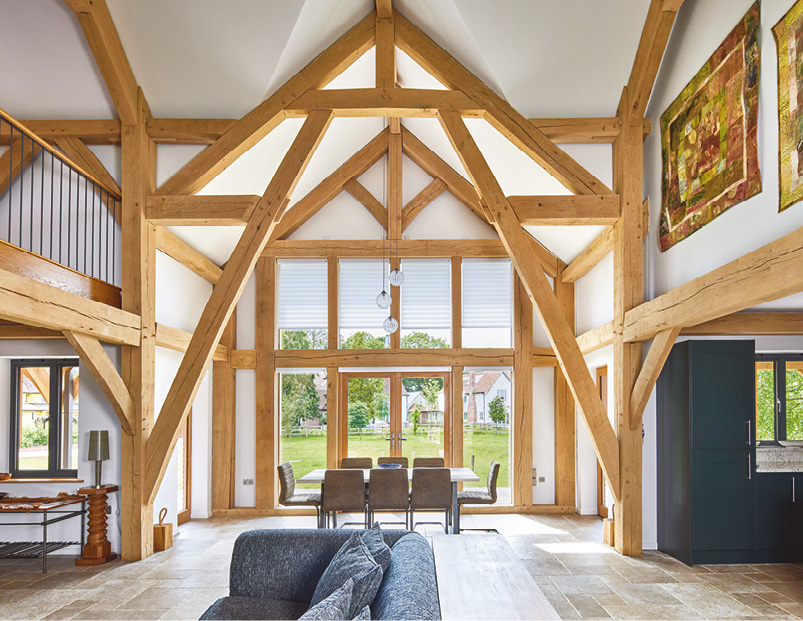
Much new building in wood is based on factory-assembled frames made from timber that has been cross-laminated for strength. Traditional trusses remain in demand, however, especially for private houses where wooden beams and open-plan spaces provide the character missing from conventional breeze block and plasterboard homes
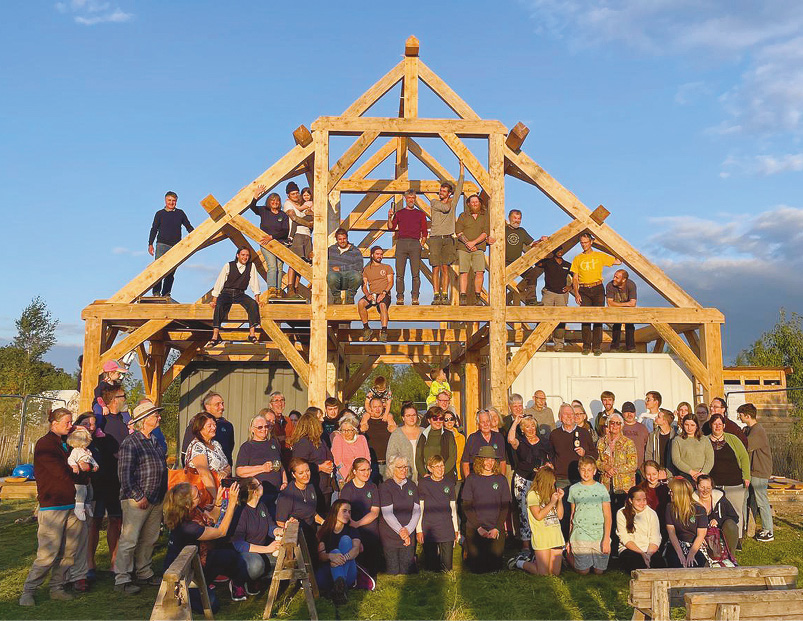
The members of the Carpenters’ Fellowship (CF) – a not-for-profit body formed in 2000 and run by volunteers – are dedicated to the revival and maintenance of traditional timber-framing skills, including using experimental archaeology to understand historical carpentry techniques. They place great emphasis on knowledge-sharing through the Oak Frame Training Forum (OFTF), and through apprenticeships and specialised NVQ qualifications in Structural Post & Beam Carpentry. They also organise hands-on workshops to encourage people to consider a career in traditional and sustainable timber-frame construction.

The CF annual gathering, called Frame, is a weekend of practical activities and live framing projects, with expert guidance on repairing historic structures. The Frame of the Year Award, celebrating exceptional craftsmanship, is one highlight. Recent winners include the New Temple Complex at Liss, Hampshire (a non-denominational multi-faith spiritual centre with community hall, cloisters, and library built entirely of whitewashed timber), and the River Tay Boathouse in Dunkeld, Perthshire, built using Douglas fir and larch, which were sourced from the surrounding woodland, extracted using draft horses instead of heavy vehicles, and sawn on site.
A CF subsidiary takes on commercial framing projects on behalf of other charities with volunteer involvement, especially where these involve pro-environmental activity, building restoration or conservation, and training opportunities. Recent projects include the construction of a field-study base and volunteer room for the environmental education charity Andover Trees United at Harmony Woods, Andover, and the reconstruction of a 7th-century hall at Long Wittenham, Oxfordshire, on the site of the excavated original, using period-appropriate tools and techniques. This latter structure is now used as an educational centre by the Sylva Foundation and as the home of the Wulfheodenas Anglo-Saxon living history group.
Further information: https://carpentersfellowship.co.uk
Is there a society that you would like to see profiled? Write to theeditor@archaeology.co.uk

Images: Tim Walton/Carpenters' Fellowship; Cameron Scott; Carpenter Oak