Gold tongues and Homer

June 14, 2026
This article is from Ancient Egypt issue 155


Subscribe now for full access and no adverts

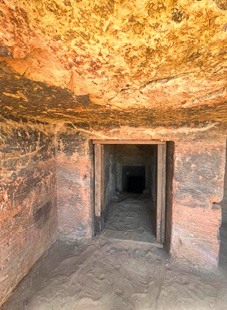
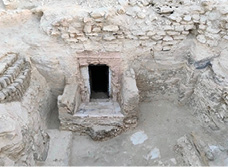
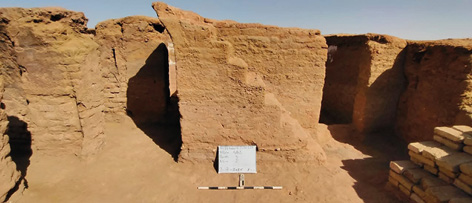
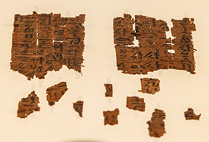
A Spanish mission working at the ancient site of Oxyrhynchus (Bahnasa, in Minya) has found a Roman tomb containing wooden coffins and a number of mummies, three with gold tongues, and one with a tongue of copper. Some of the mummies were wrapped in bandages decorated with geometric patterns, and had traces of gold leaf on their heads. The team also made a rather surprising discovery: a rare papyrus found inside the abdomen of one of the mummies bore text from the second book of Homer’s Iliad.

Two Roman mummies with gilded masks and patterned bandages, discovered by the Spanish mission at Oxyrhynchus.
A gold tongue found on a Roman mummy at the site.
Text: Sarah Griffiths / Images: Ministry of Tourism and Antiquities, unless otherwise stated
By Country

Popular
UKItalyGreeceEgyptTurkeyFrance

Africa
BotswanaEgyptEthiopiaGhanaKenyaLibyaMadagascarMaliMoroccoNamibiaSomaliaSouth AfricaSudanTanzaniaTunisiaZimbabwe

Asia
IranIraqIsraelJapanJavaJordanKazakhstanKodiak IslandKoreaKyrgyzstan
LaosLebanonMalaysiaMongoliaOmanPakistanQatarRussiaPapua New GuineaSaudi ArabiaSingaporeSouth KoreaSumatraSyriaThailandTurkmenistanUAEUzbekistanVanuatuVietnamYemen

Australasia
AustraliaFijiMicronesiaPolynesiaTasmania

Europe
AlbaniaAndorraAustriaBulgariaCroatiaCyprusCzech RepublicDenmarkEnglandEstoniaFinlandFranceGermanyGibraltarGreeceHollandHungaryIcelandIrelandItalyMaltaNorwayPolandPortugalRomaniaScotlandSerbiaSlovakiaSloveniaSpainSwedenSwitzerlandTurkeySicilyUK

South America
ArgentinaBelizeBrazilChileColombiaEaster IslandMexicoPeru

North America
CanadaCaribbeanCarriacouDominican RepublicGreenlandGuatemalaHondurasUSA

Discover more from The Past

Subscribe now to keep reading and get access to the full archive.

Continue reading