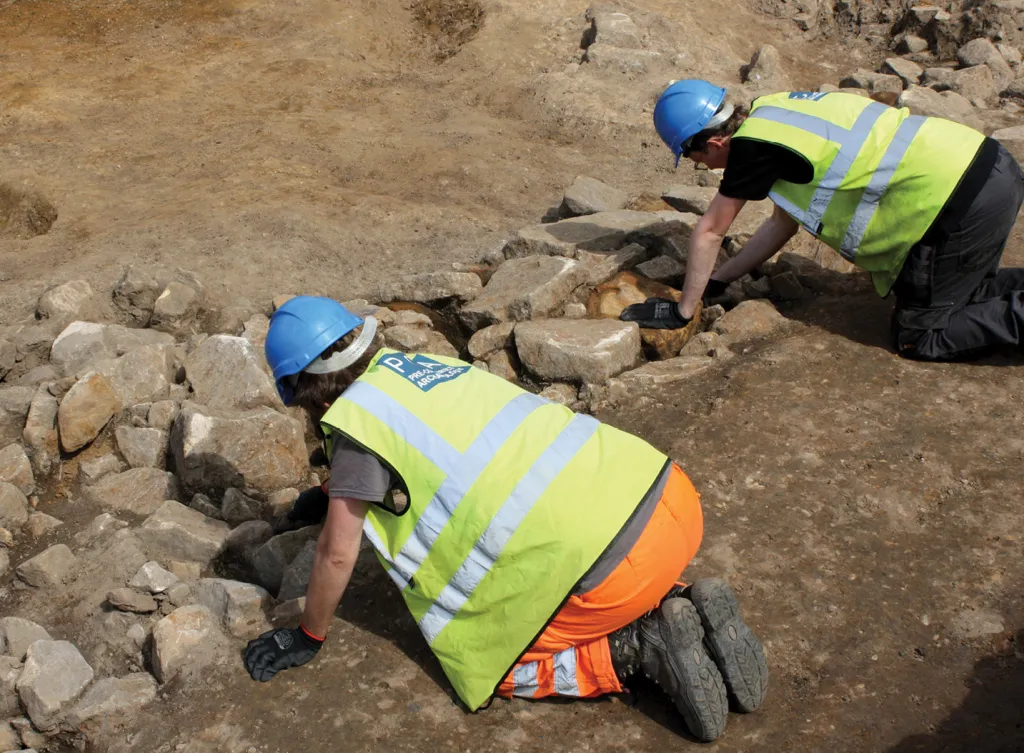
This week: Hadrian’s Wall

This week on The Past, we are delighted to celebrate a very special milestone: the 400th issue of our sister publication Current Archaeology – the ground-breaking specialist magazine, first published in March


This week on The Past, we are delighted to celebrate a very special milestone: the 400th issue of our sister publication Current Archaeology – the ground-breaking specialist magazine, first published in March
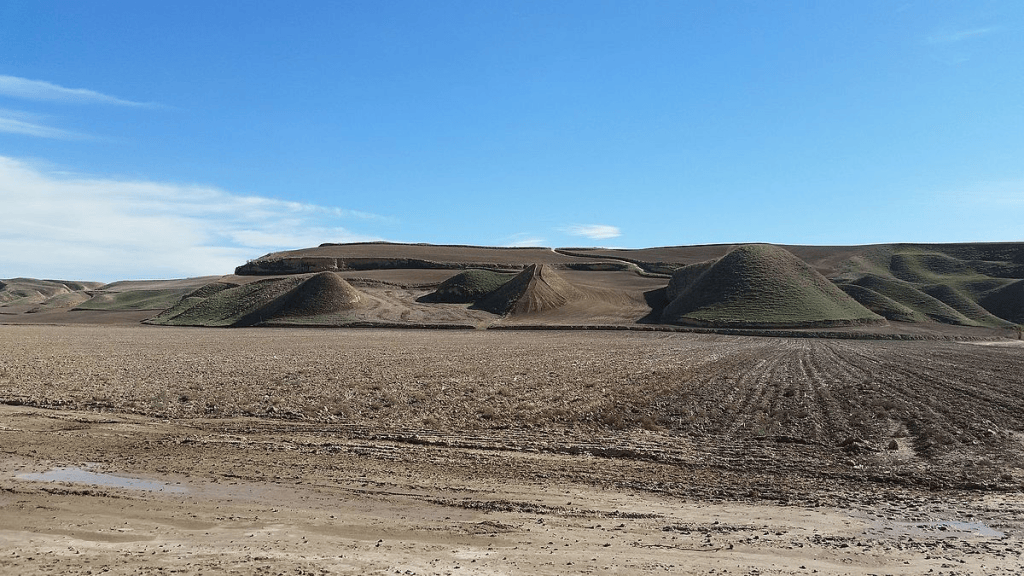
The obvious comparison, here in Britain, is with Hadrian’s Wall – the great Roman fortification that stretches for 73 miles across the country from coast to coast. Yet the Great Wall of
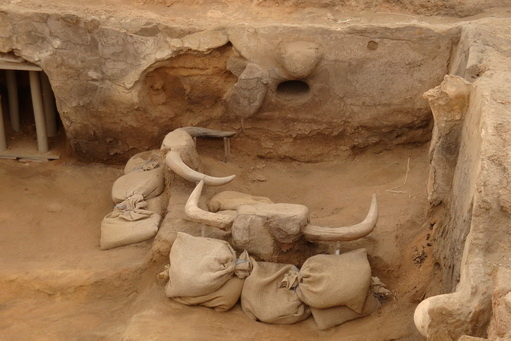
If the past is a foreign country – as the novelist L.P. Hartley famously suggested in the opening line to The Go-Between (1953) – then prehistory is surely a whole other world
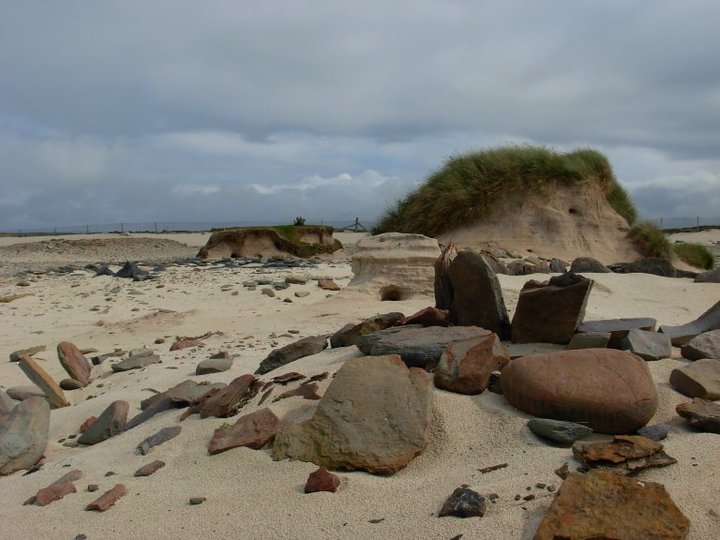
The perfectly preserved Stone Age village of Skara Brae is perhaps Orkney’s most celebrated ancient site, offering stunning proof that these northerly islands were once at the cutting edge of Neolithic civilisation. But Skara Brae was only inhabited from about 3200 to 2200 BC – after which date, according to the traditional view, Orkney’s fortunes slipped into a decline from which they were slow to recover.
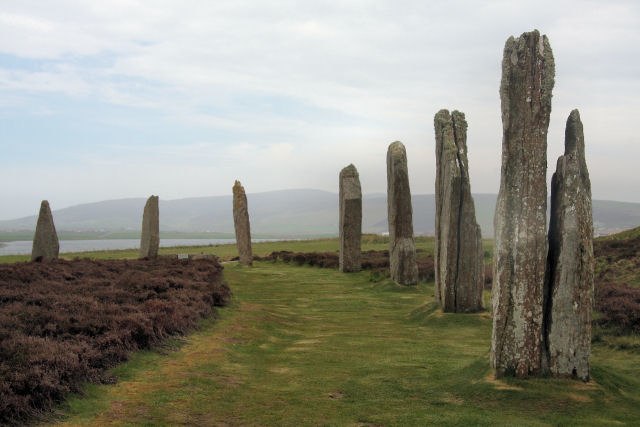
Which stone circle is part of the UNESCO World Heritage Site known as the Heart of Neolithic Orkney?
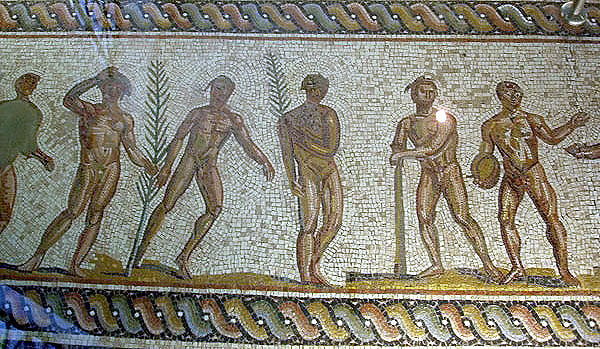
As fans of the world’s most celebrated sporting contest know, the modern Olympic Games are no stranger to accusations of cheating. Things were no better, however, at the Ancient Olympics, the four-yearly panhellenic Games, which were first recorded in 776 BC and held at Olympia in the northwestern Peloponnese.


What name is given to the now-submerged geographical feature which allowed early humans to gain access to the Americas?
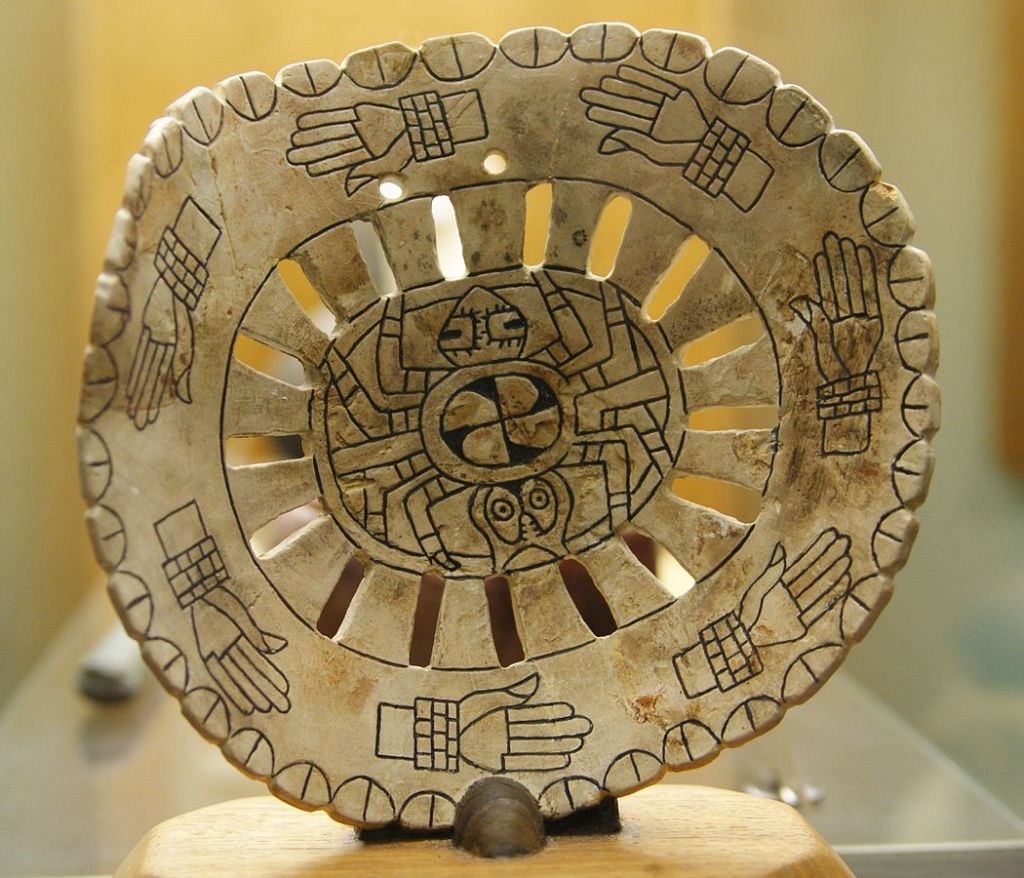
It was considered one of the finds of the century, when – at the height of the Great Depression of the 1930s – a group of American prospectors calling themselves the Pocola Mining Company uncovered a burial chamber in eastern Oklahoma that had remained undisturbed for more than 500 years.
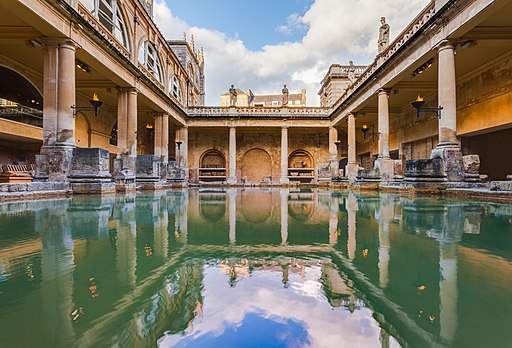
Julius Caesar raided Britain in 55 and 54 BC. But which emperor began the Roman conquest in earnest in AD 43?

It was a ploughman’s chance discovery that led to one the greatest Roman finds of the Victorian age – described by John Collingwood Bruce, the 19th-century historian of Hadrian’s Wall, as a ‘sudden acquisition of treasure’ such as had never before been seen in the region.
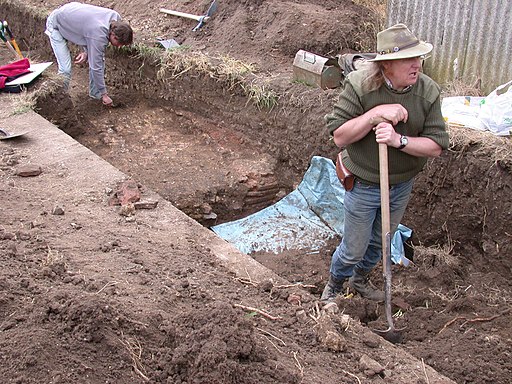
Which Anglo-Saxon king’s stronghold in Athelney, Somerset, was investigated in Time Team’s first ever episode?
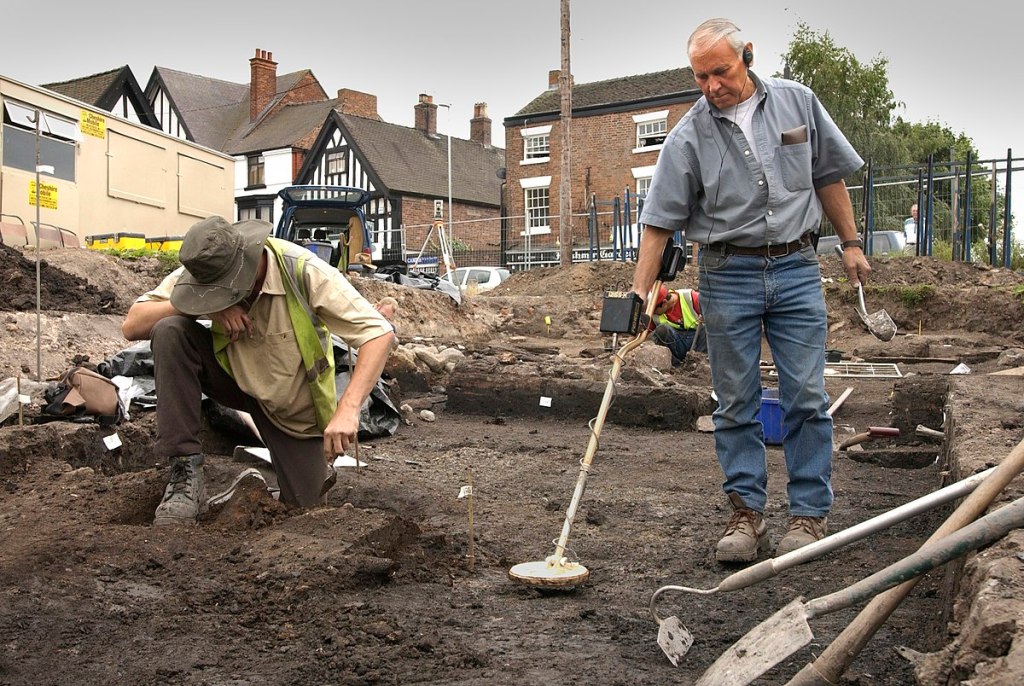
Last year, we could barely contain our excitement at news that Time Team, the much-loved archaeology series that became a long-running Sunday-afternoon TV favourite, was planning to pick up its trowel again after a near-decade-long hiatus.

According to Plato, it was a fabulously wealthy island – larger than Asia Minor and Ancient Libya combined, and situated just beyond the Pillars of Hercules. Its powerful princes conquered much of the eastern Mediterranean, subjecting whole populations to slavery, until an alliance led by the Athenians staged a fightback, managing finally to liberate the occupied lands.

Once the capital of the Kingdom of the East Angles, which busy Suffolk port was carried away by coastal erosion?

It remains one of the best known of all Greek myths – not least, for a certain generation, because of the lurid 1963 Hollywood film adaptation. But if the story of Jason and the Argonauts’ quest for the Golden Fleece continues to grip the popular imagination, the question of how far it is based in reality is also one that fascinates historians, classicists and archaeologists alike.
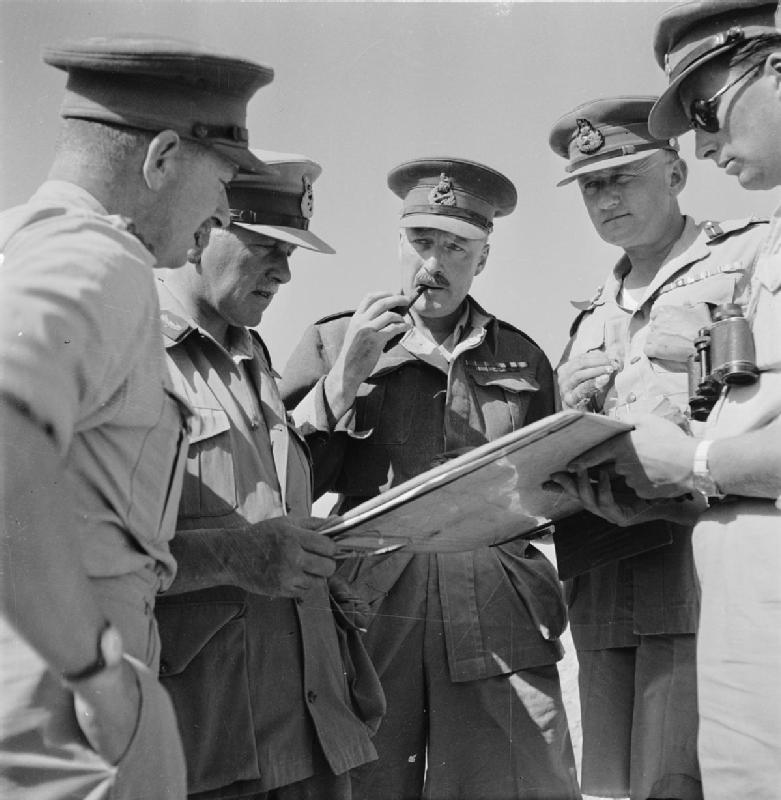
It was an unprecedented moment in the House of Commons, as MPs and peers packed tight into the chamber on 8 March to hear a video address from Volodymyr Zelensky – the first ever given by a foreign leader. Dressed in army fatigues, the Ukrainian president cut a heroic figure as he gave a stirring update on Russia’s invasion of his homeland – earning not one but two standing ovations, and invoking Britain’s own proud wartime spirit…
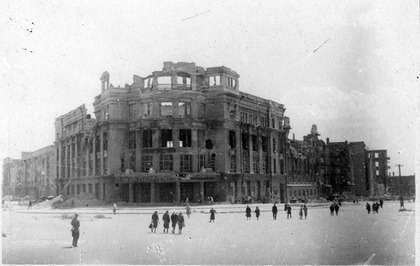
The arrival of which 42,900-ton German battleship in Norwegian waters posed a grave threat to Allied shipping convoys in January 1942?
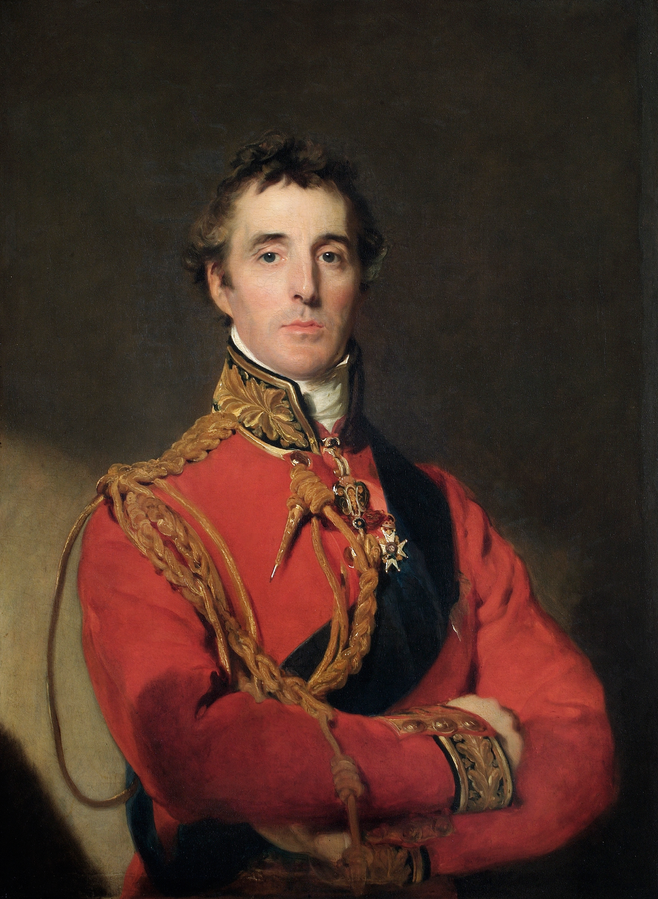
It is regarded as one of history’s greatest battles, the moment that brought the Napoleonic era to its end, and a triumph that ushered in four decades of peace in Europe. But Waterloo was no easy victory. Instead, as the Duke of Wellington wrote to his brother William, “It was the most desperate business I ever was in.”

From which island did the exiled Napoleon escape in February 1815, setting off the chain of events which led to the Battle of Waterloo?
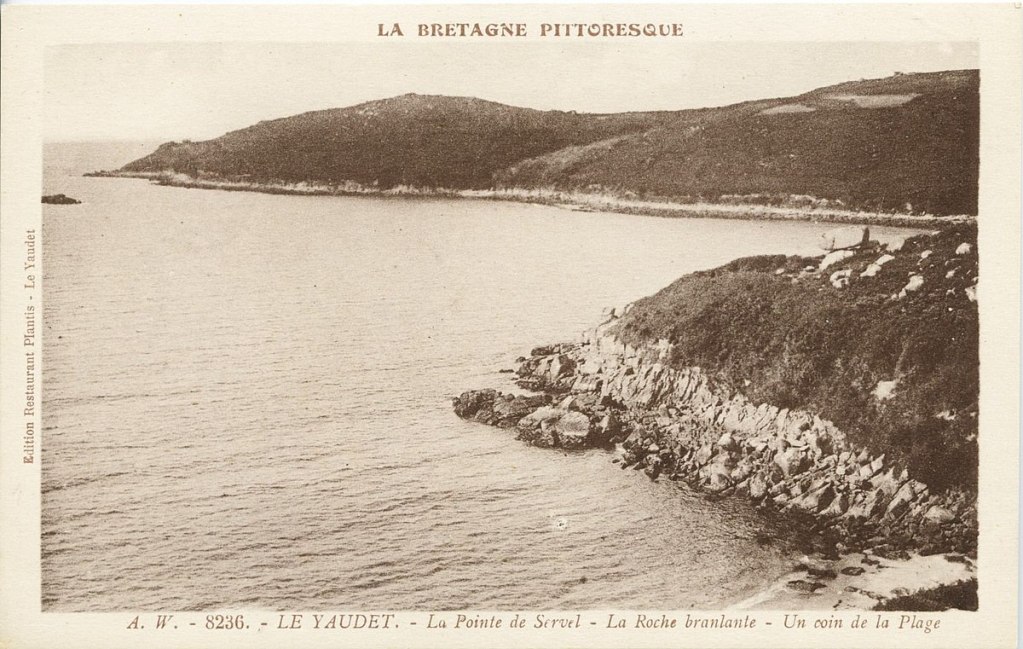
Boris Johnson is not, of course, the first political leader to take a dim view of the free movement of people and goods between Britain and the Continent. More than 2,000 years

France and England were once connected by land. River crossings aside, when would it last have been possible to walk between the two?