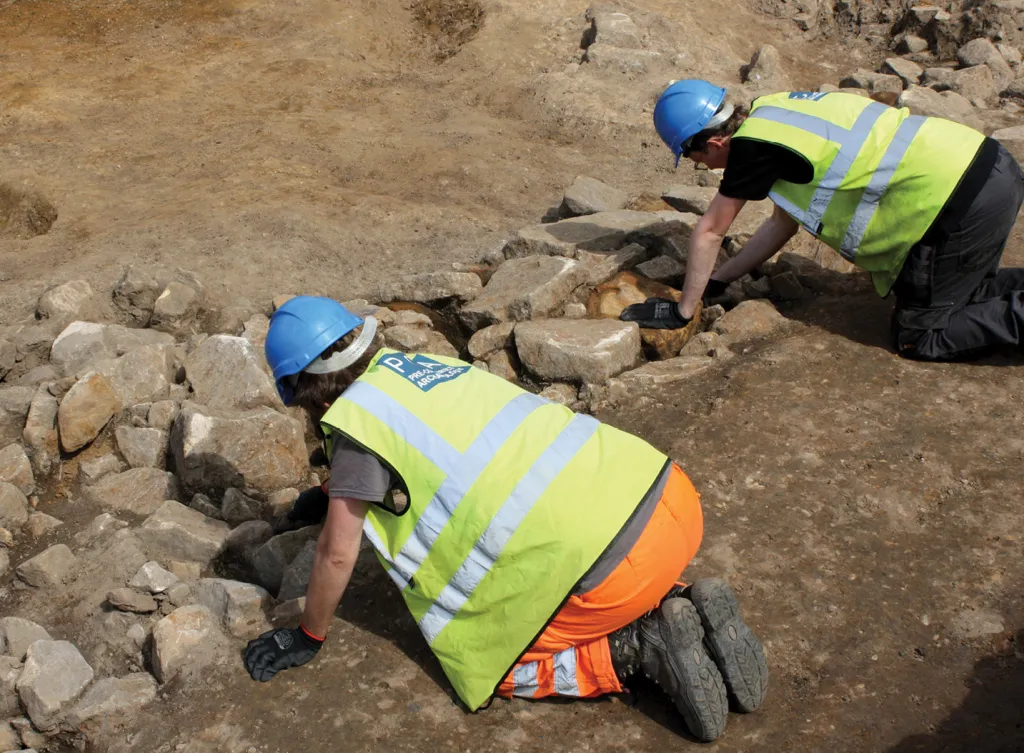
This week: Hadrian’s Wall

This week on The Past, we are delighted to celebrate a very special milestone: the 400th issue of our sister publication Current Archaeology – the ground-breaking specialist magazine, first published in March


This week on The Past, we are delighted to celebrate a very special milestone: the 400th issue of our sister publication Current Archaeology – the ground-breaking specialist magazine, first published in March
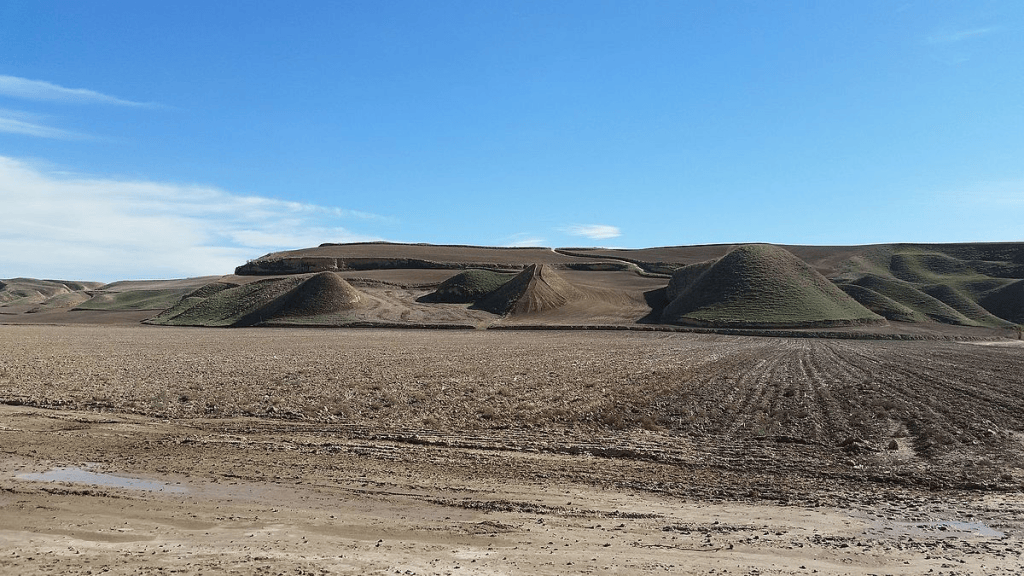
The obvious comparison, here in Britain, is with Hadrian’s Wall – the great Roman fortification that stretches for 73 miles across the country from coast to coast. Yet the Great Wall of
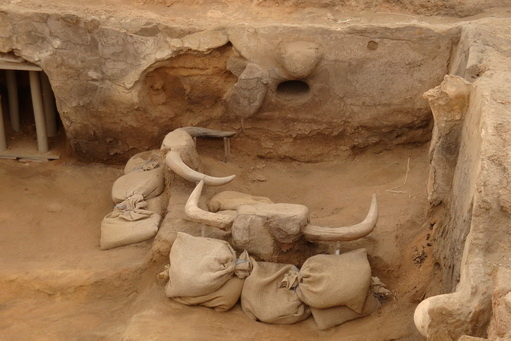
If the past is a foreign country – as the novelist L.P. Hartley famously suggested in the opening line to The Go-Between (1953) – then prehistory is surely a whole other world
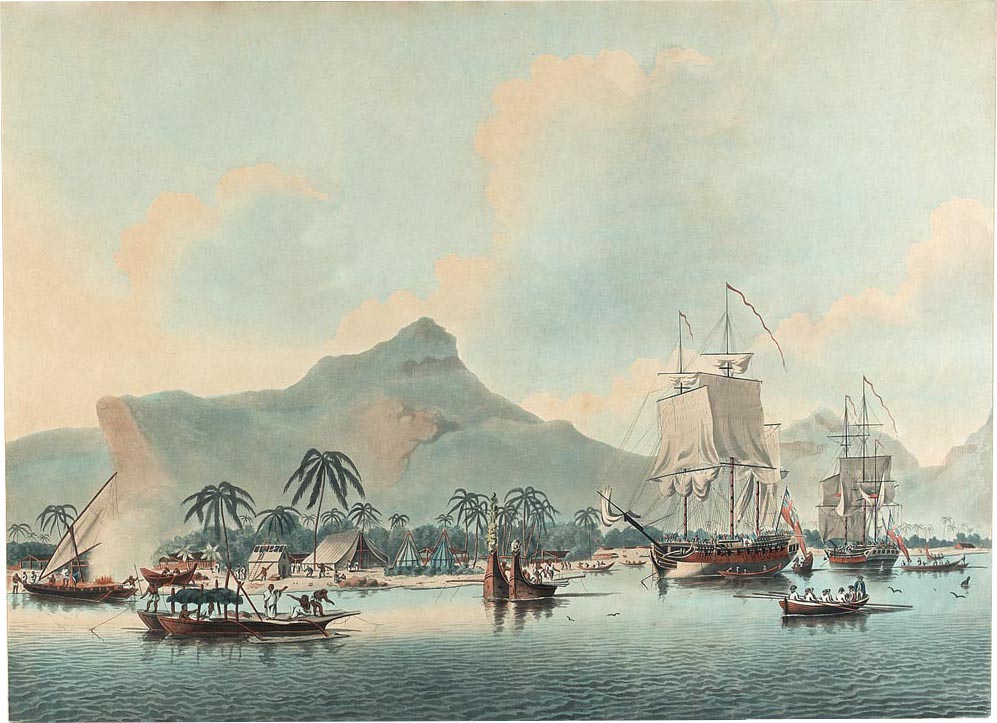
The ‘Polynesian Triangle’ is an area of the Pacific which has Hawaii at its northern corner. Which island is at its south-eastern corner?
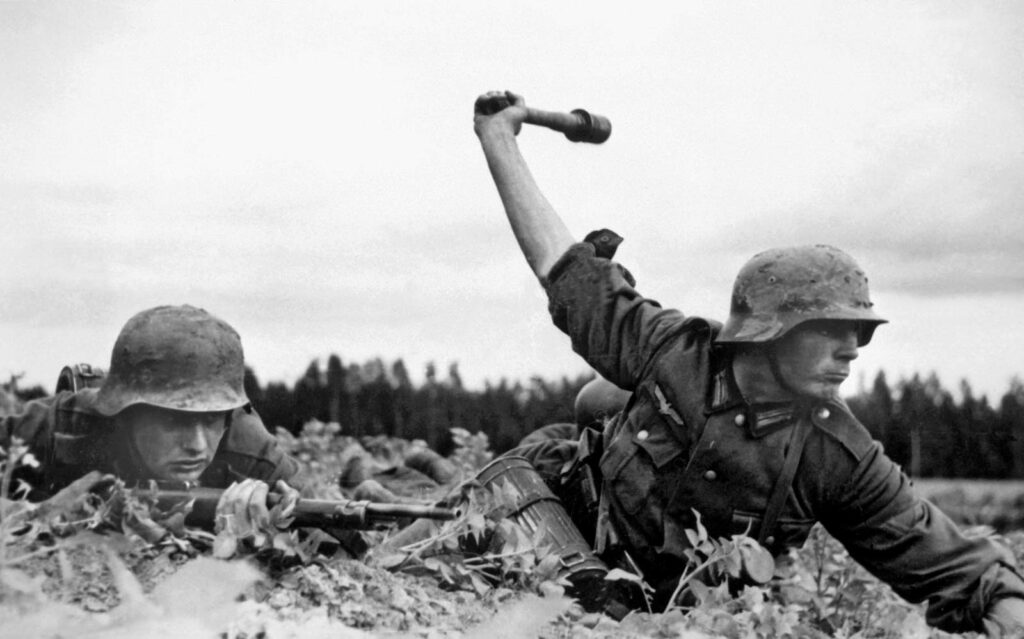
Eighty years ago next month, on 22 June 1941, Adolf Hitler unleashed the largest military invasion force in history, when he ordered almost 3,700,000 Axis troops with 3,000 tanks, 7,000 guns and 2,300 aircraft to advance into the Soviet Union along a front that extended from the Baltic to the Black Sea. Less than six months later, following startling early successes, leading German units would reach almost to the gates of Moscow, before plummeting temperatures and the onset of the Russian winter finally brought their advance to a halt.
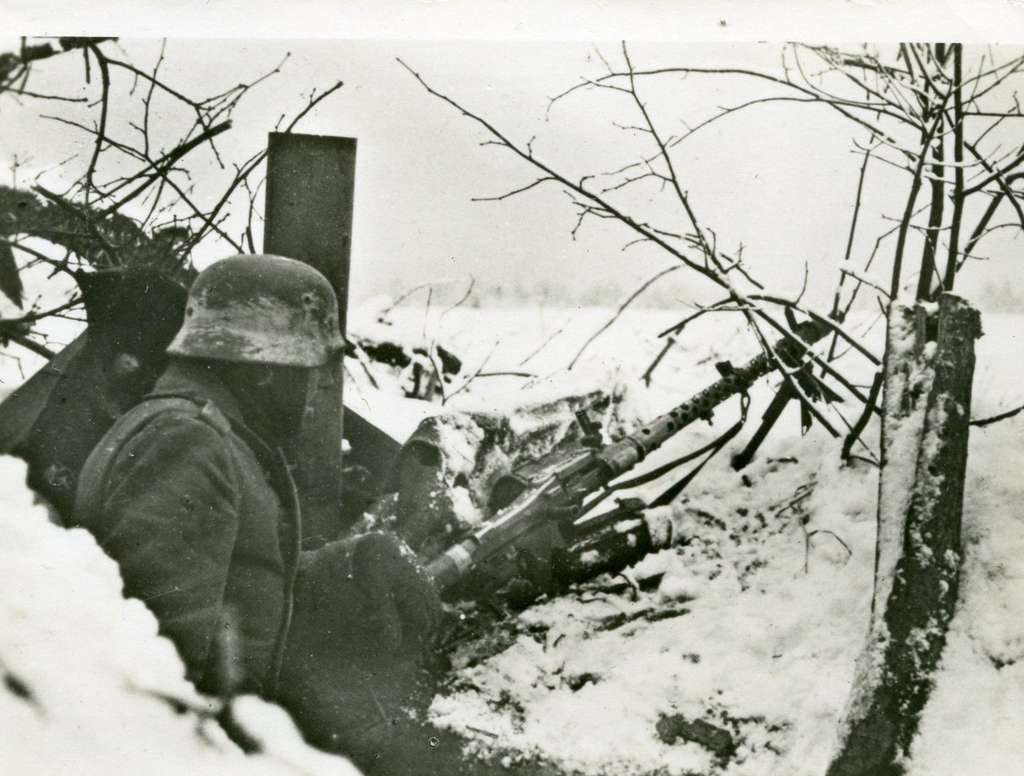
When Napoleon invaded Russia in 1812, he had an army of approximately 685,000 men. How many times larger was the army with which Hitler invaded the Soviet Union on 22 June 1941?
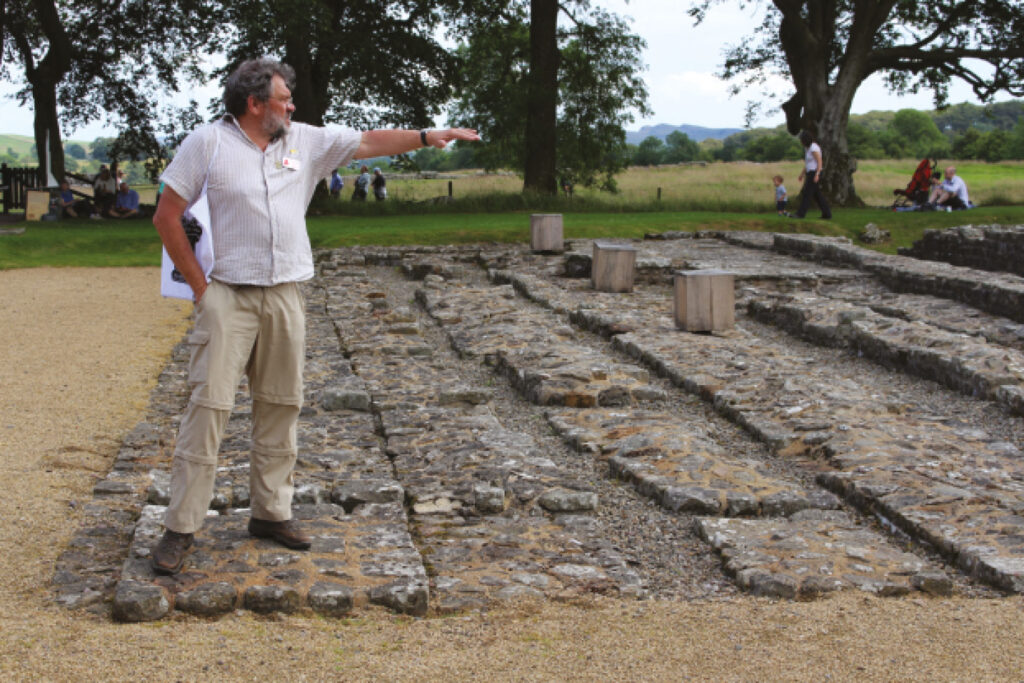
When construction began in AD 122, Hadrian’s Wall marked the furthermost limit of the Roman Empire. Stretching 73 miles from the North Sea to the Solway Firth, it divided conquered territory to the south from that occupied by unbeaten tribes to the north. Almost 2,000 years on, the Wall remains a potent symbol of the north-south divide between England and Scotland, referenced frequently in the ongoing and often-heated debate over Scottish independence.
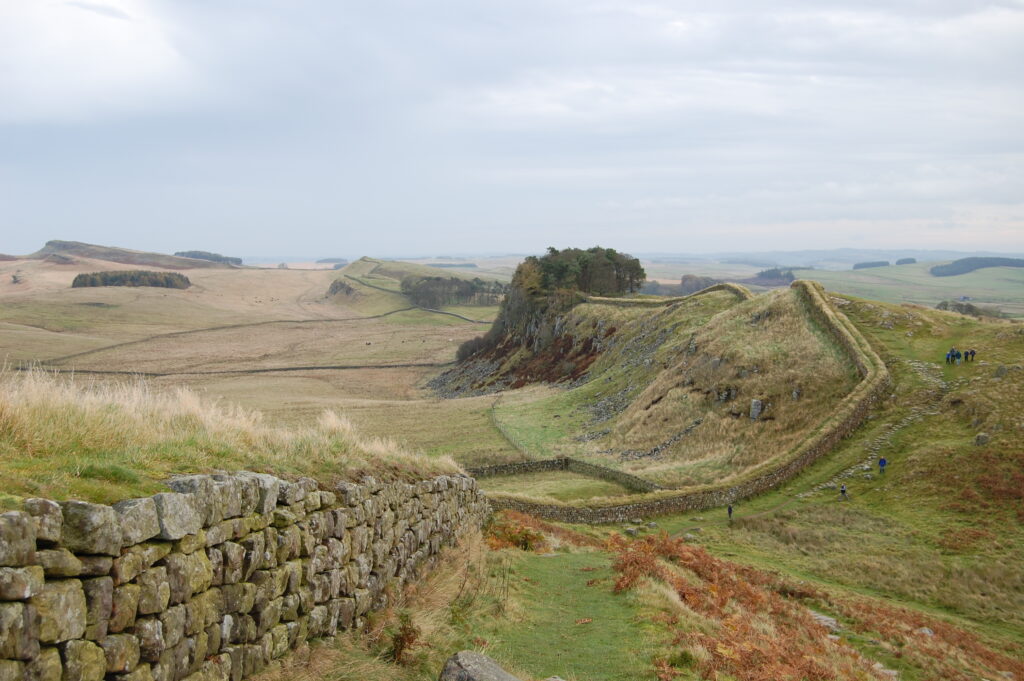
Hadrian’s Wall stretches for 80 Roman miles from coast to coast. How many modern miles does this equate to?

Of all the many side-effects of the coronavirus, perhaps the least expected (though most welcome) was a sudden revival of interest in a plucky little archaeology-based television series which last graced our screens way back in 2013. During the lockdown, however, it was reported that millions of people in more than 40 countries had been whiling away their newly enforced leisure hours by tuning in to classic episodes of Time Team on YouTube.
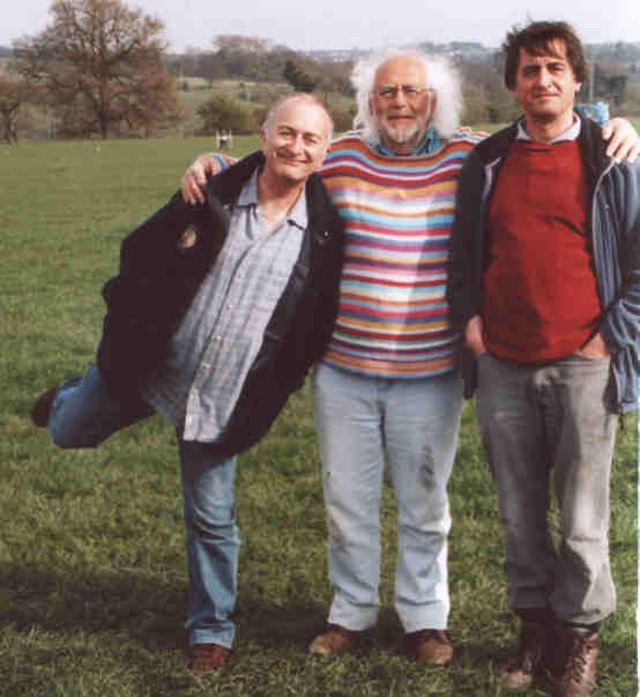
The very first episode of Time Team was recorded in Athelney, the Somerset village often associated with which historical figure?
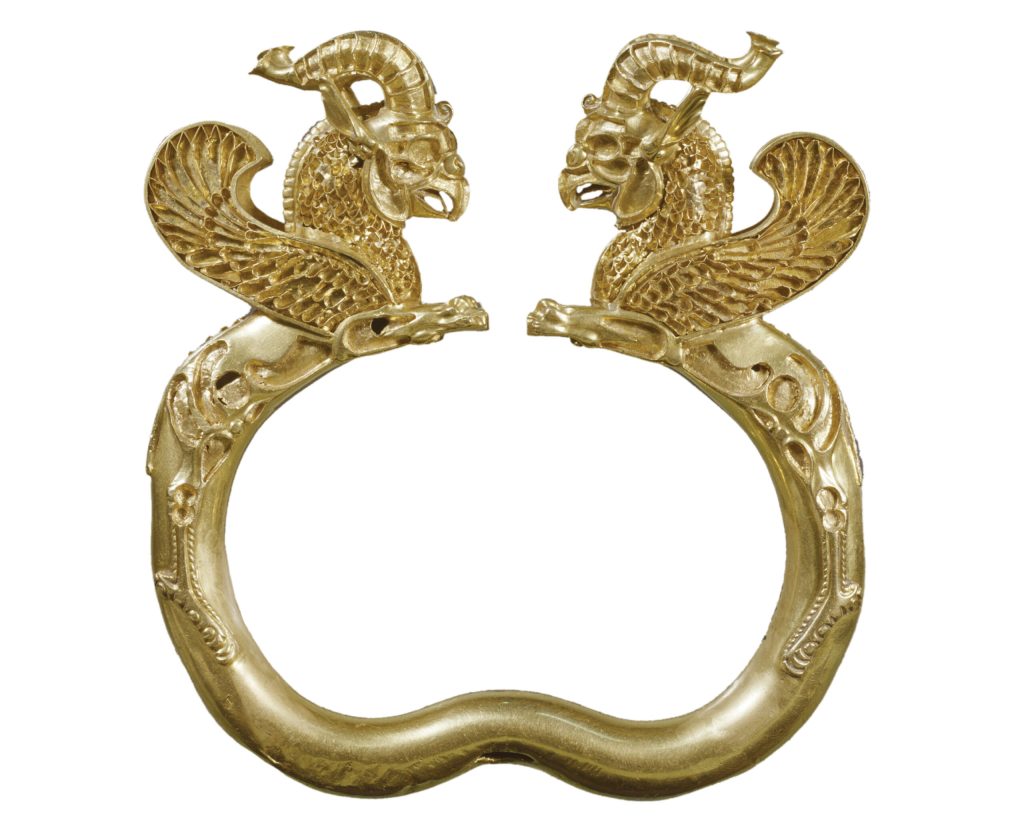
Epic Iran is the appropriately grand title of the Victoria & Albert Museum’s ambitious new exhibition, which explores 5,000 years of Iranian history through 350 objects that represent the country’s art and culture – taking us from the beginnings of civilisation, via the ancient palaces of Persepolis, right up to the present day.

Which king, crowned in 550BC, was the founder of the Achaemenid empire, the first Persian empire?

With museums allowed finally to reopen next month, those of us who have been starved of culture are looking forward eagerly to the British Museum’s ‘Thomas Becket: murder and the making of a saint’. The exhibition, originally scheduled for last year, marks the 850th anniversary of the country’s most famous political assassination – the grisly murder of the Archbishop of Canterbury on 29 December 1170 by four knights in the service of Henry II.
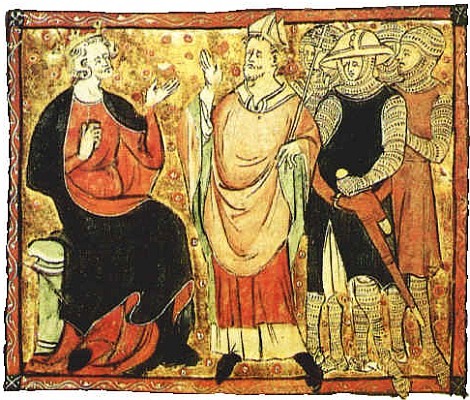
What job did Becket already hold when he was appointed as Archbishop on 23 May 1162?
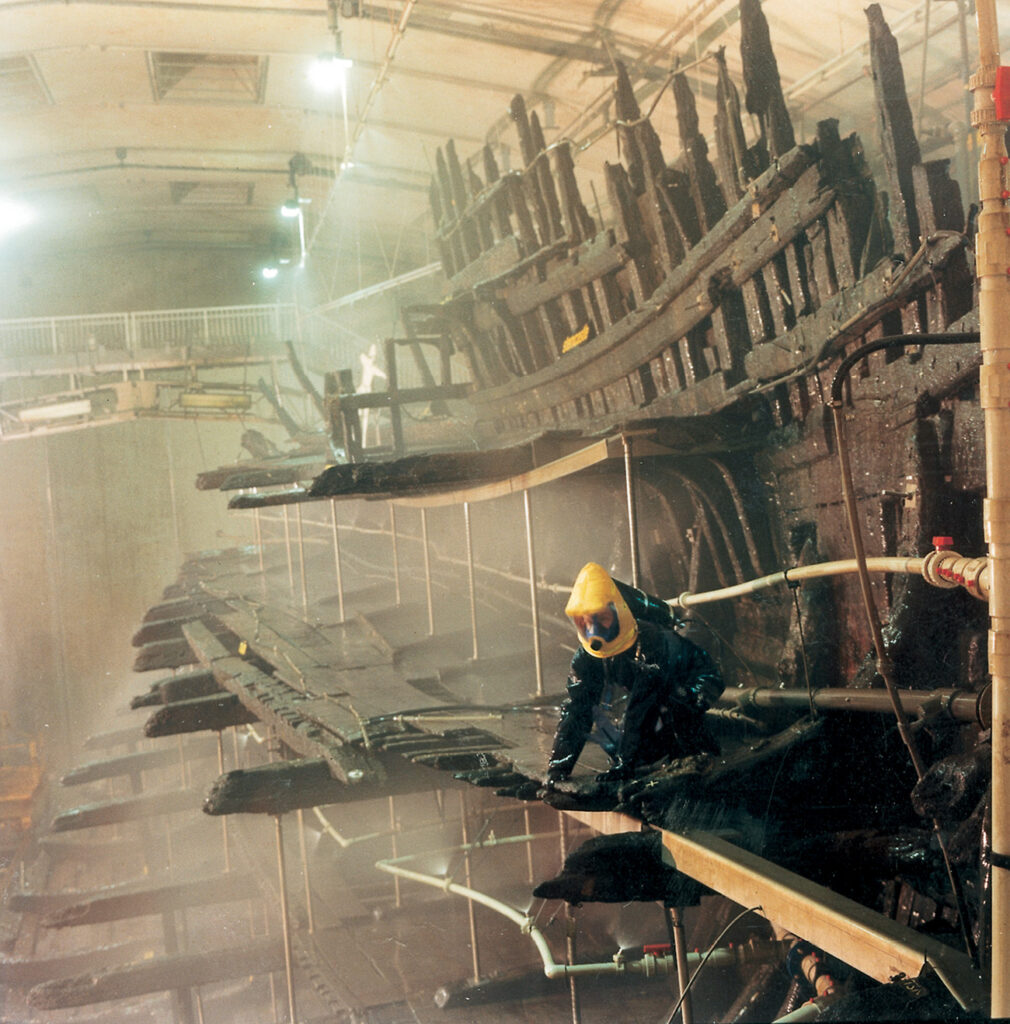
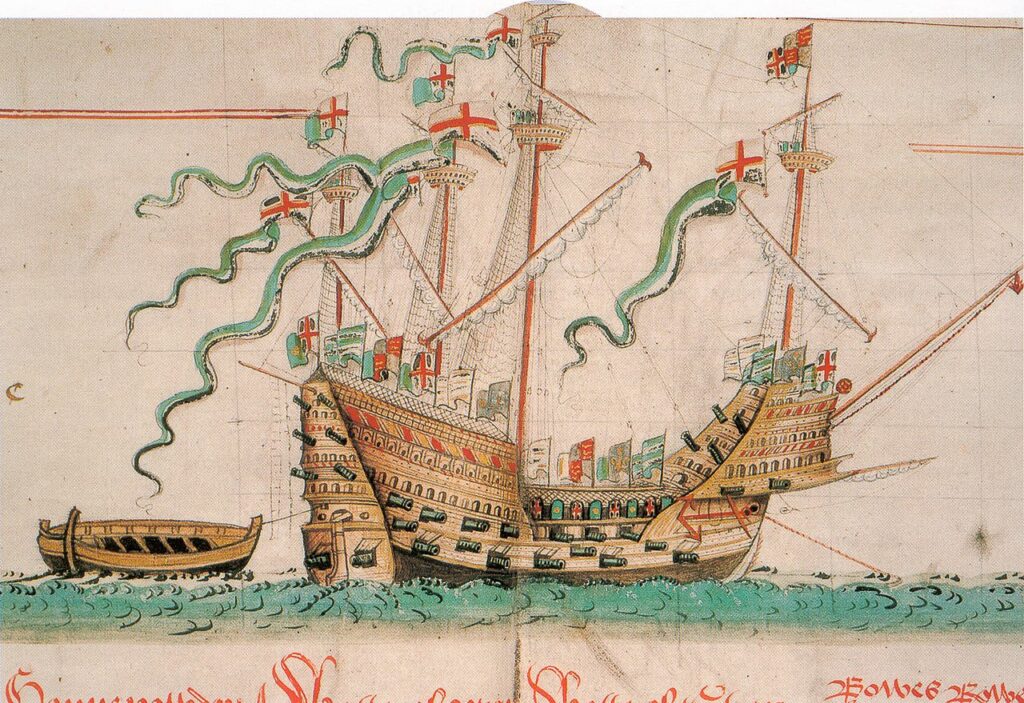
Almost four decades have elapsed since the Mary Rose was raised and an astonishing array of new research techniques have revolutionised our thinking about the ship’s make-up, her calamitous final moments, and perhaps most poignantly, the skeletal remains of her 500-strong crew.

Welcome to The Past, the brand new website that brings together the most exciting stories and the best writing from the worlds of history, archaeology, ancient art and heritage.
The big talking point here this week has been The Dig, the new Netflix movie of the Sutton Hoo story starring Carey Mulligan and Ralph Fiennes. Who would have predicted that a drama about the 1939 excavation of a 7th-century Anglo-Saxon burial mound would become one of the stand-out hits of lockdown? Or that it would plug so directly into modern concerns about the representation of women on screen?
At what event did Edith Pretty, Sutton Hoo’s owner, get chatting with historian Vincent Redstone, a meeting that began the chain of events which led to the site’s excavation?