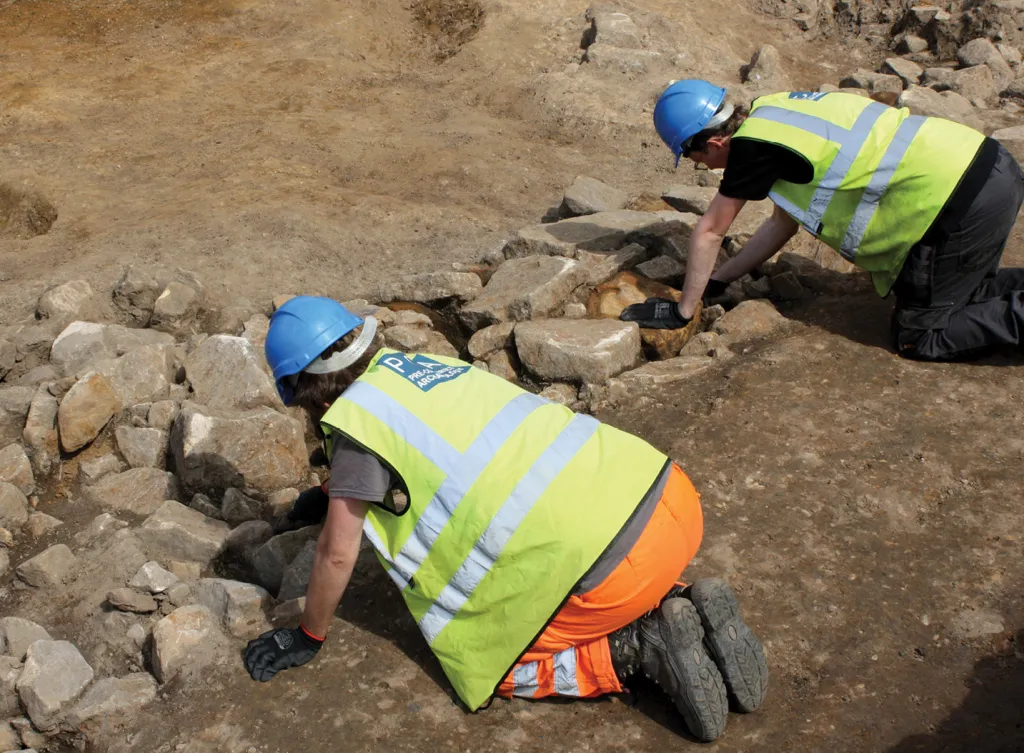
This week: Hadrian’s Wall

This week on The Past, we are delighted to celebrate a very special milestone: the 400th issue of our sister publication Current Archaeology – the ground-breaking specialist magazine, first published in March


This week on The Past, we are delighted to celebrate a very special milestone: the 400th issue of our sister publication Current Archaeology – the ground-breaking specialist magazine, first published in March
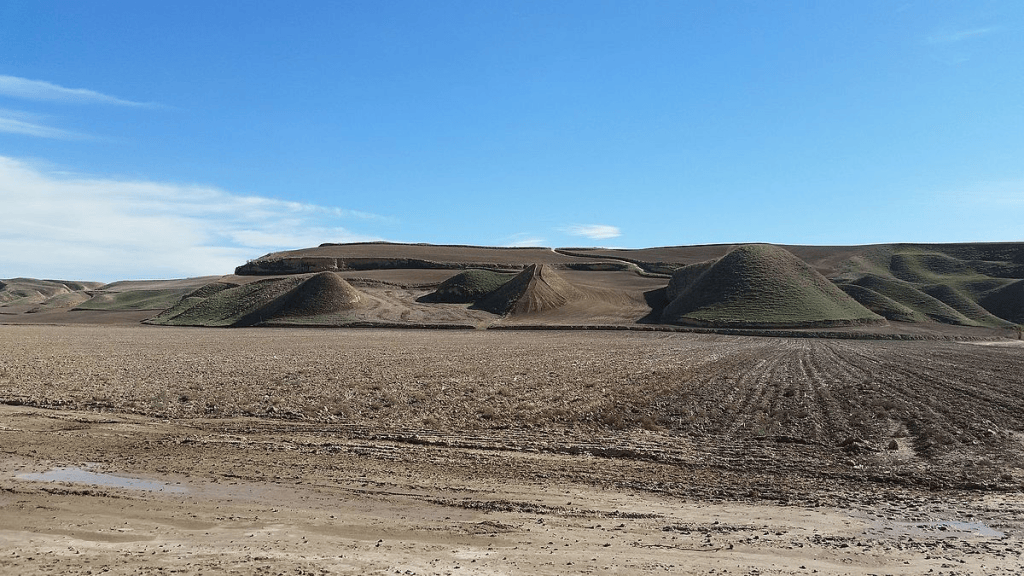
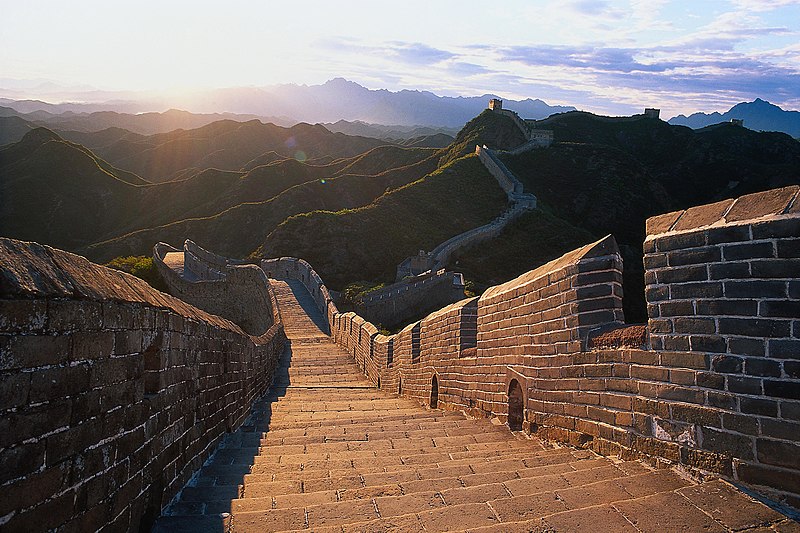
The obvious comparison, here in Britain, is with Hadrian’s Wall – the great Roman fortification that stretches for 73 miles across the country from coast to coast. Yet the Great Wall of
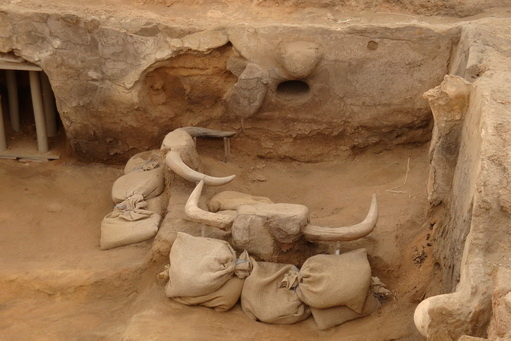
If the past is a foreign country – as the novelist L.P. Hartley famously suggested in the opening line to The Go-Between (1953) – then prehistory is surely a whole other world
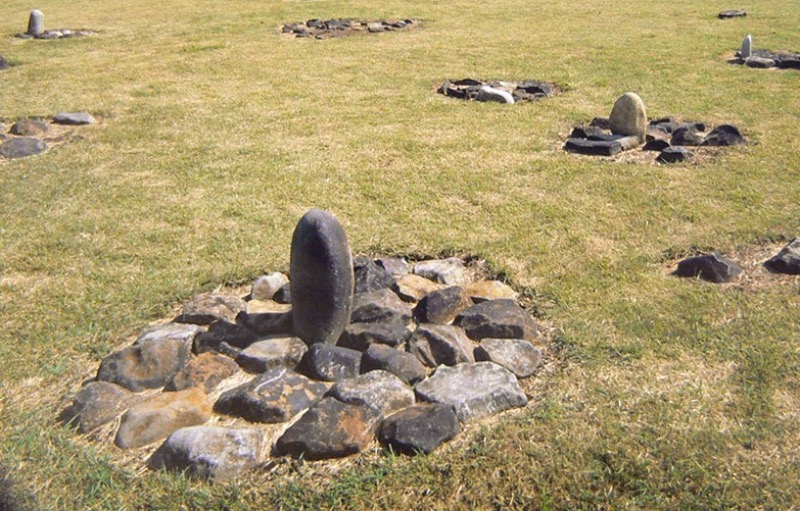
A fascinating exhibition opening at the Stonehenge Visitor Centre this autumn shines new light on a remarkable group of ancient stone circles. Spread across 17 sites, and mostly dating from c.2500 to 300 BC, these extraordinary monuments served for centuries as the focus for ceremonies associated with solar alignments and the seasons, as well as with death and the afterlife. Such is their importance that these stone circles were even granted UNESCO World Heritage status last summer. Even so, they will be unknown to many here in Britain.
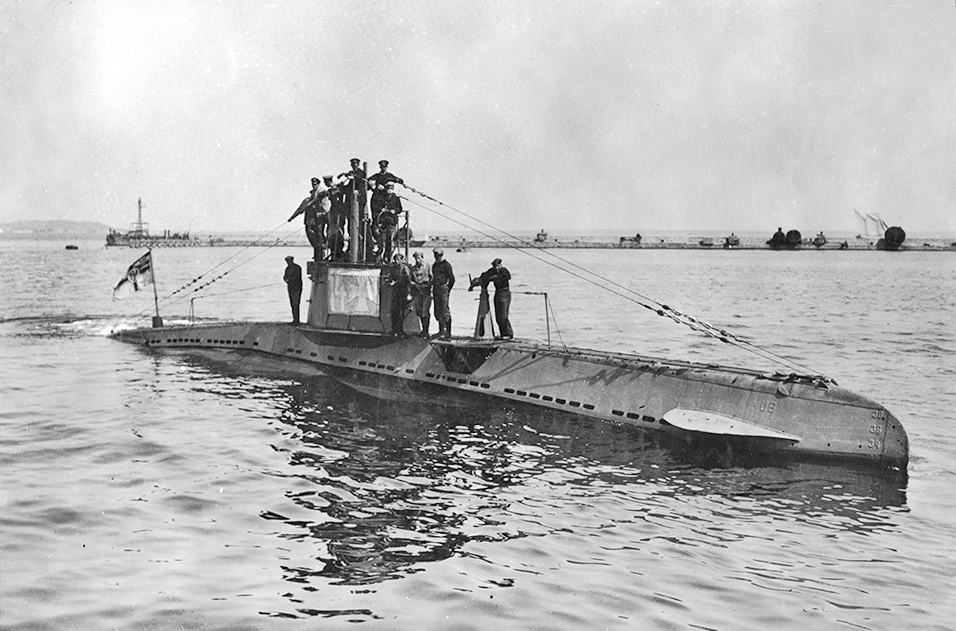
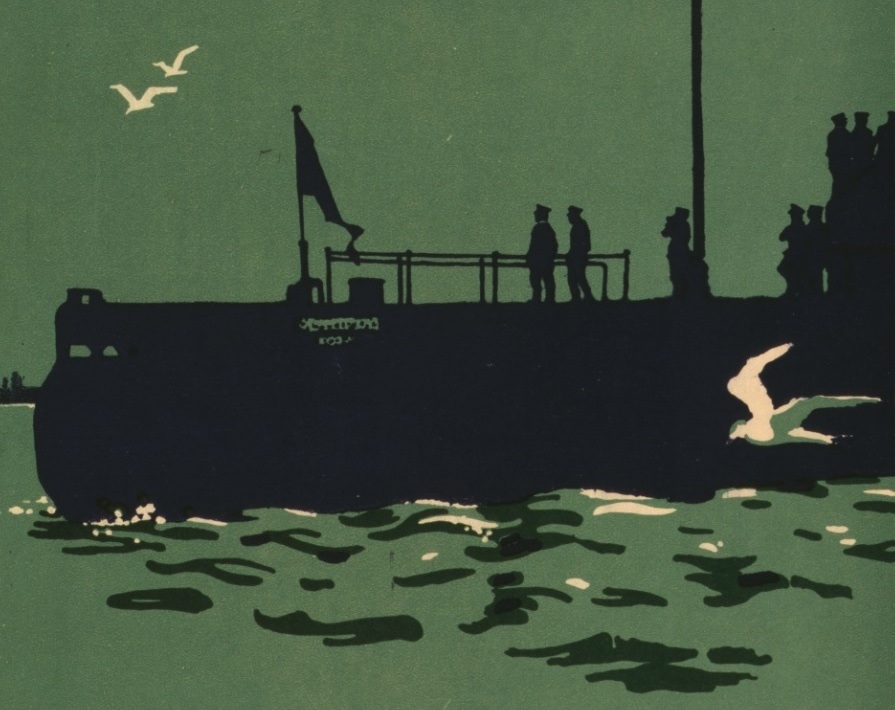
Underwater warfare came of age on 15 September 1914, when Germany’s U-21 became the first submarine to sink a ship with a self-propelled torpedo. The U-boat’s devastating surprise attack, off the Firth
Which historical figure is said to have observed undersea life from a submersible glass sphere in 332BC?
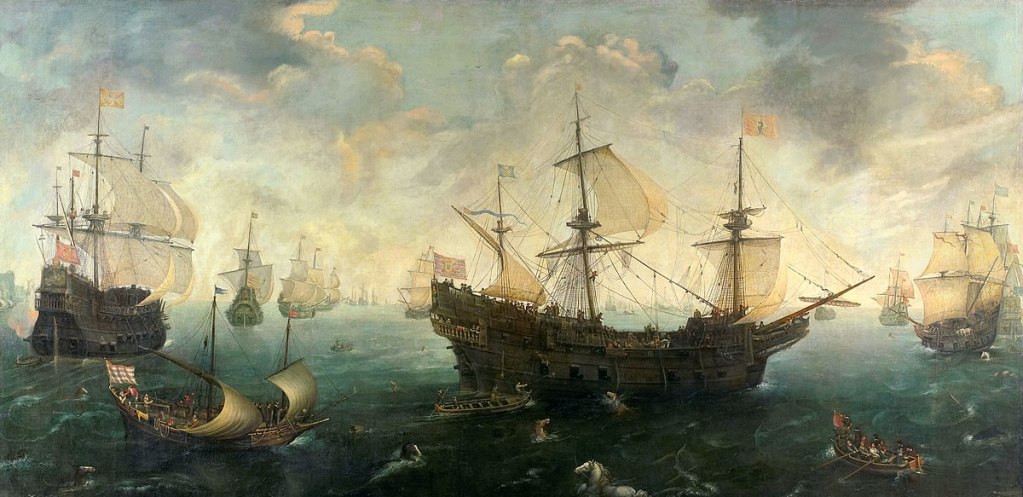
With 130 ships, 2,431 guns, and 30,000 men, Philip II’s invasion force was, according to one English admiral, ‘the greatest and strongest combination that was ever gathered in all Christendom’. If it

Which English king defeated a 230-strong French fleet at the Battle of Sluys in 1340?

It was, according to the ship’s captain, a ‘once in a 100-year phenomenon’. On 13 February 1997, the 944ft-long cargo vessel Tokio Express was en route from Rotterdam to New York when it was hit by a freak wave about 20 miles off Land’s End, causing it to tilt so violently that 62 lorry-sized containers were thrown into the ocean.
First discovered in Iraq, and dating to the third millennium BC, the Royal Game of Ur is a precursor to which modern board game?
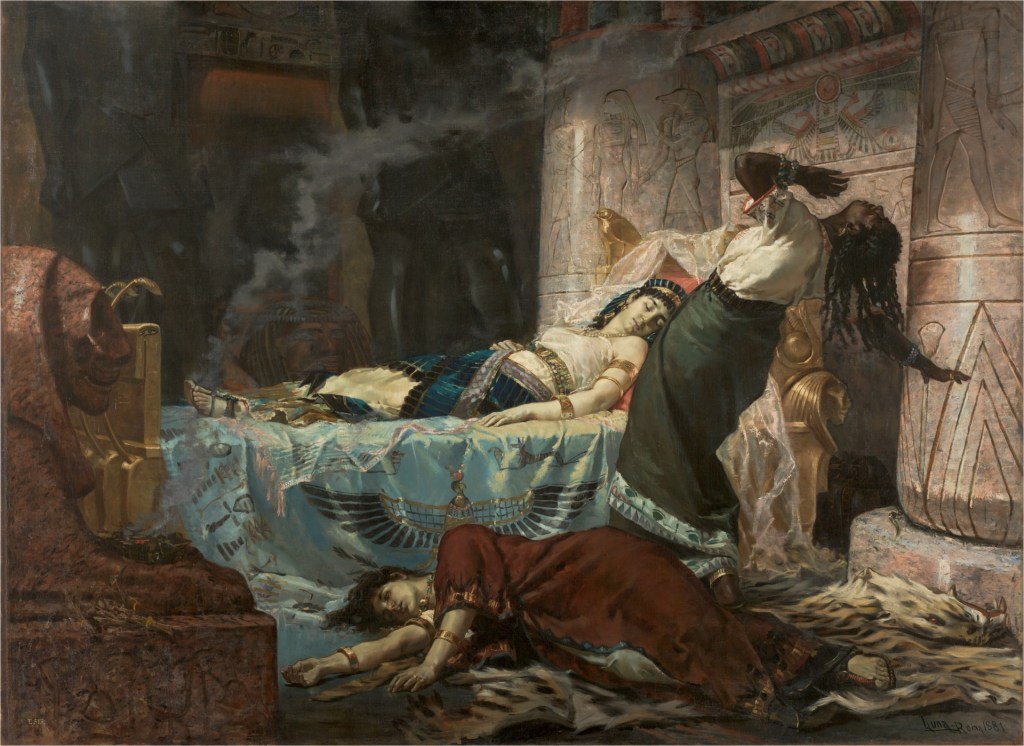
This year sees the marking of two significant anniversaries: the centenary of the discovery of Tutankhamun’s tomb by the British archaeologist Howard Carter, in excavations funded by Lord Carnarvon; and the bicentenary
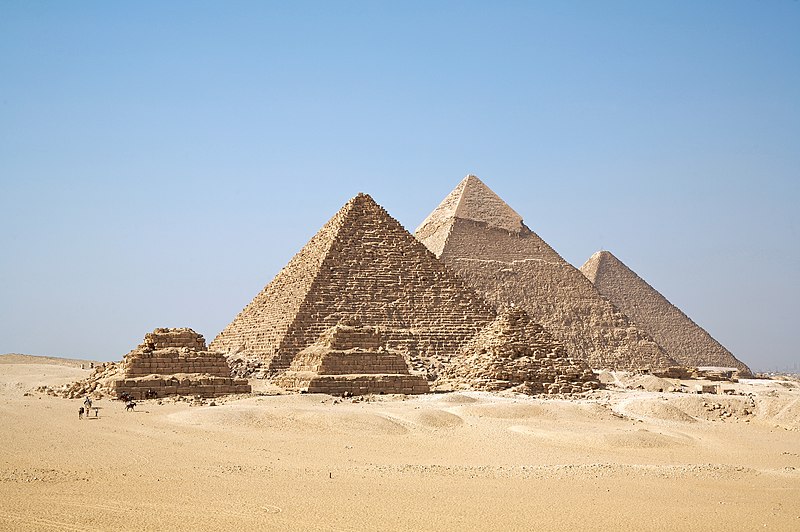
Which legendary leader established the Xia dynasty in c.2070 BC, inaugurating dynastic rule in China?

It is easy to fall into the trap of believing that Chinese culture began with the Qin – the regional powerbrokers who in the 3rd-century BC conquered their warring rivals to become
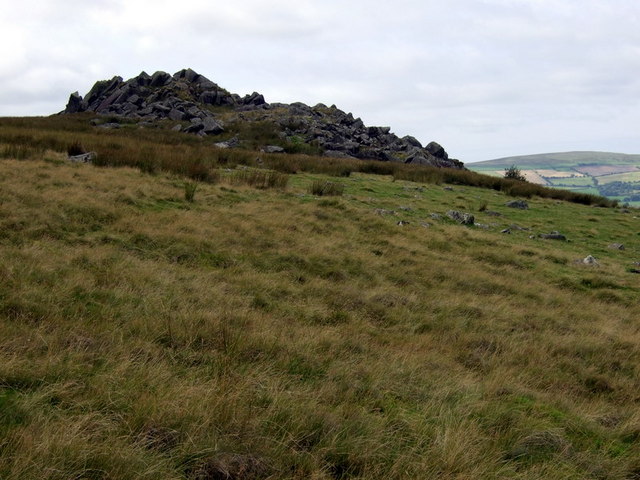
According to the 12th-century cleric Geoffrey of Monmouth, the famous stones that make up the Stonehenge monument were erected originally in Ireland, before being moved to their current, more familiar home on
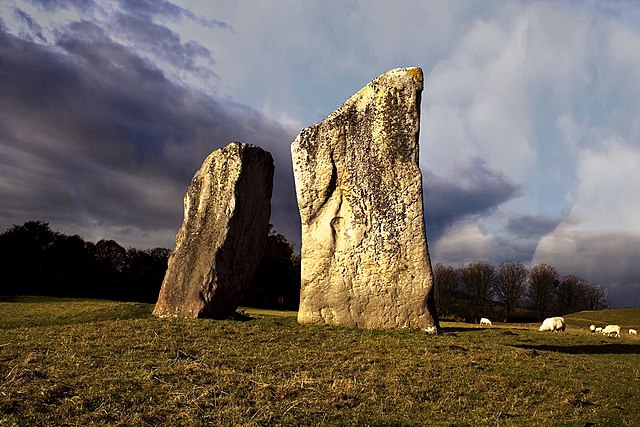
The historic boundary-marker known as the London Stone, indicating the downstream limits of the City’s jurisdiction, is located at which point on the Thames Estuary?

Throughout history, writers and artists have used their imaginations to tell stories from former times. From The Iliad to A Tale of Two Cities, and from The Last Supper to the Sistine

On which Scottish island would you find the Neolithic henge and stone circle known as the Ring of Brodgar?
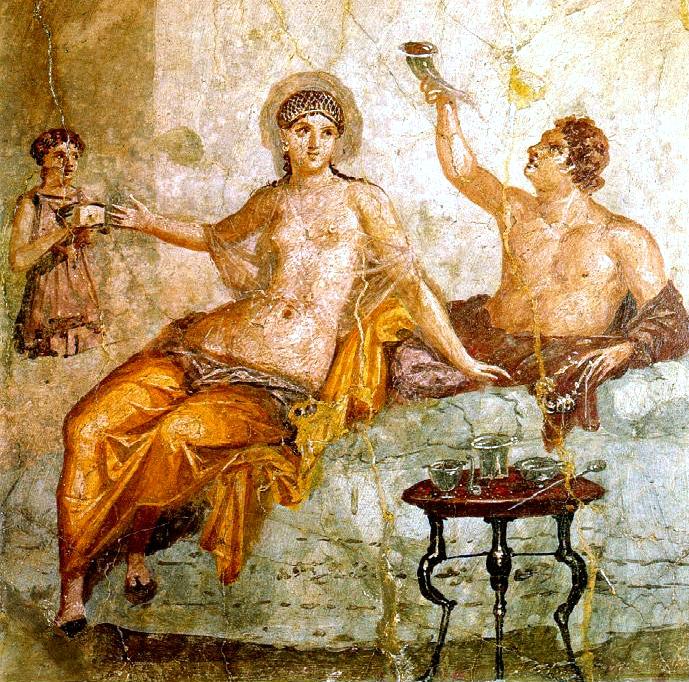
History, as we know, has been driven by the complicated love affair between humans and booze. Writing in the fourth-century BC, the Greek philosopher Plato summed it up for many, when he

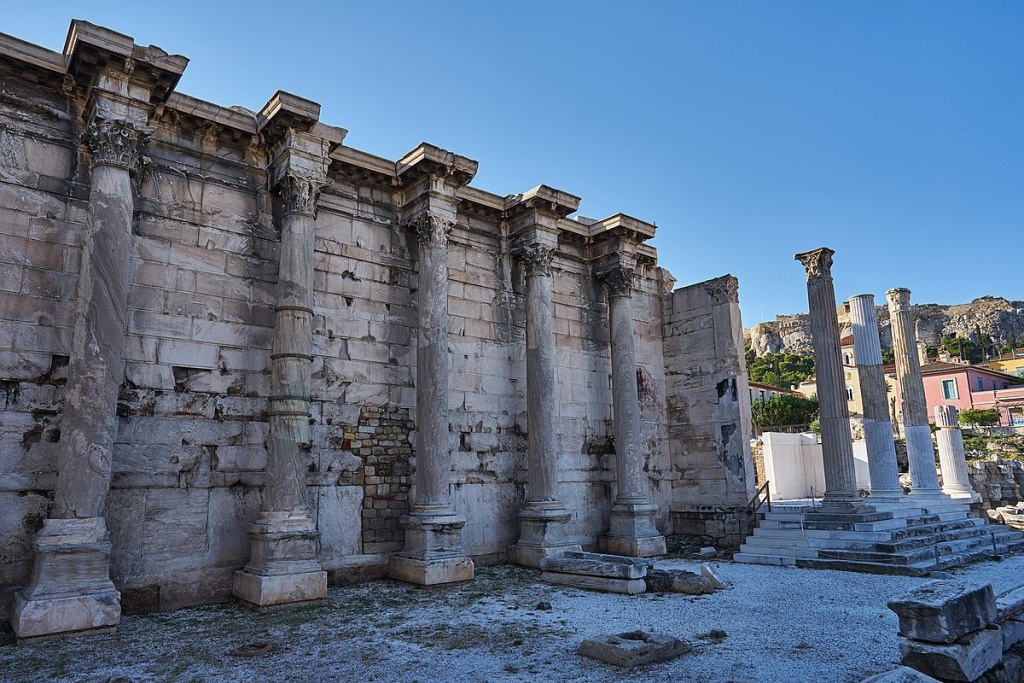
These days, the term ‘philhellenism’ (literally, the love of all things Greek) is perhaps most often associated with the Romantic poets and thinkers of the late 18th and 19th centuries – a
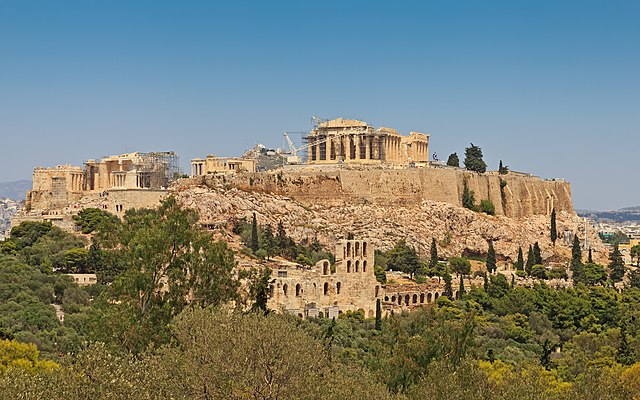
At which battle in 490 BC did an Athenian army repulse the first Persian invasion of Greece?