Description
Highlights:
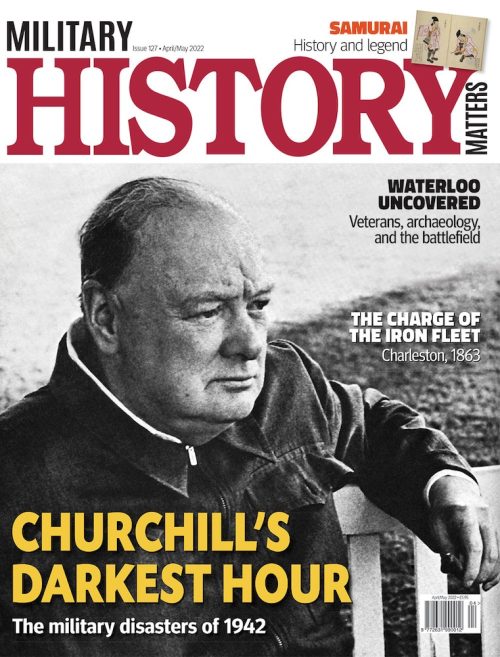
- Churchill’s darkest hour: the Fall of Singapore and the military disasters of 1942
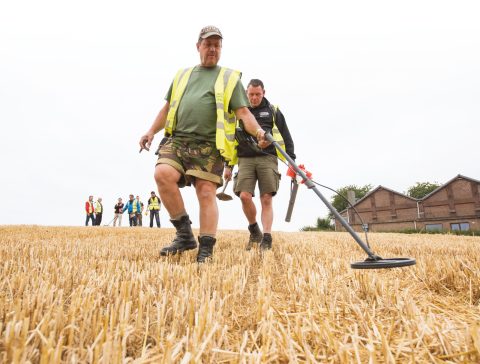
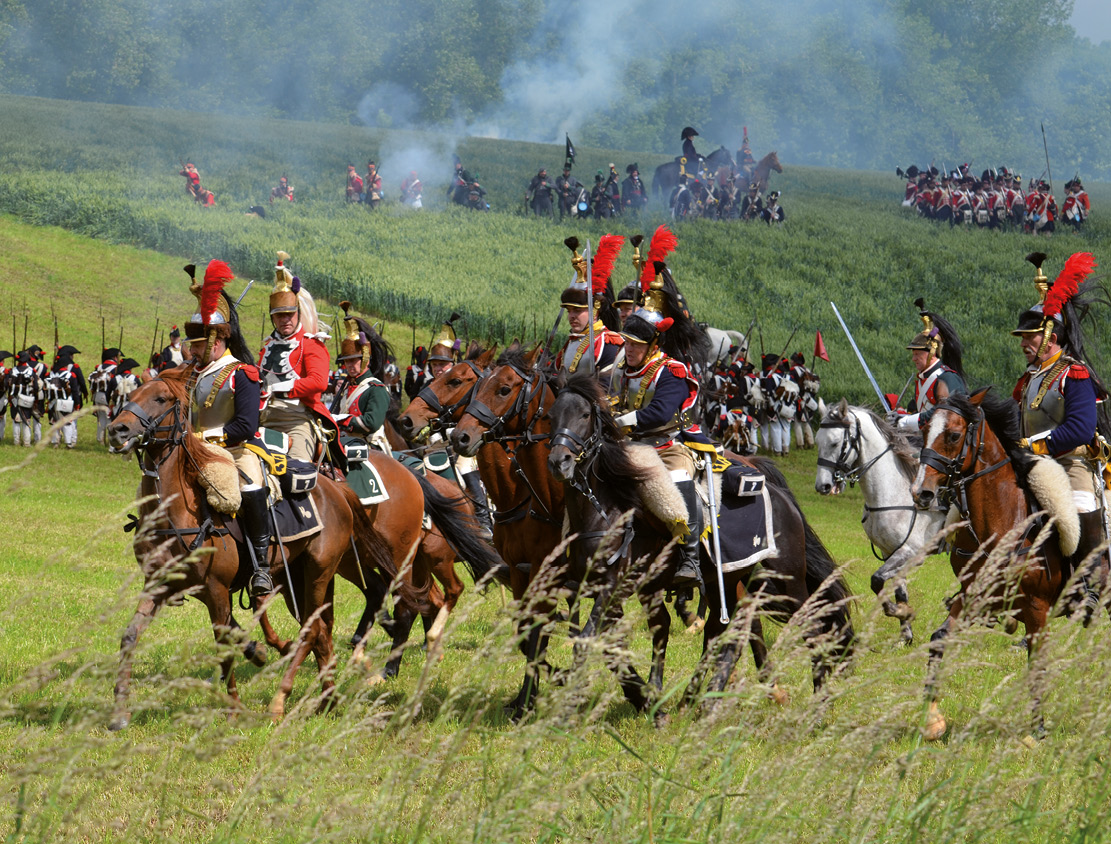
- A tale of three farms: veterans, archaeology, and the Battle of Waterloo
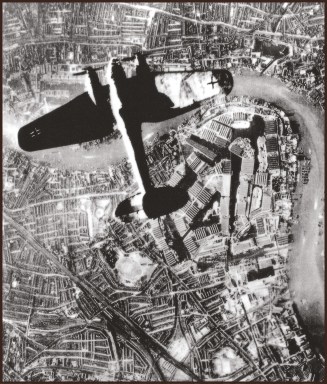
- The Battle of Britain: but for a few misplaced bombs
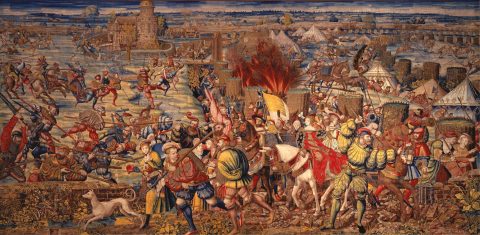
- Renaissance warfare: a military revolution
- The Battle of Bicocca, 27 April 1522
- The charge of the Iron Fleet
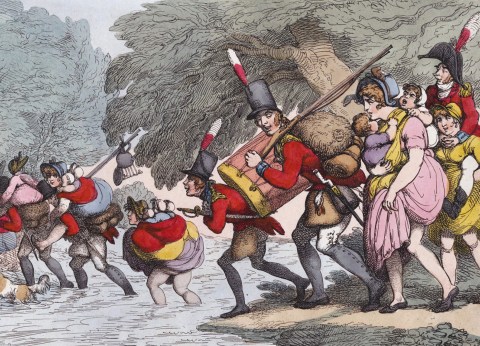
- Wellington’s lessons in failure
- The Darker Side of Victory: Wellington’s medical service at Waterloo
The Renaissance is famous for its art. But it was not just a cultural revolution. It was an age of transformation that affected all aspects of life, including warfare.
Our special this issue takes a close look at this strangely neglected period of military history. By the late 15th century, the crude head-to-head collisions characteristic of medieval battles were giving way to a new kind of war based on firepower, manoeuvre, and combined-arms operations.
Much of it was experimental. It was a while before commanders mastered the tactics of the ‘pike-and-shot’ era. But that only makes it more fascinating: we bear witness to a military revolution in the making.
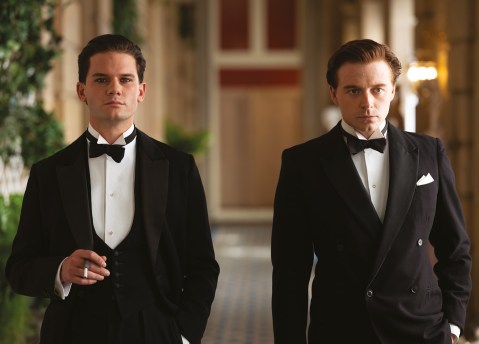
Also this time, we have the second of John Lock’s ‘butterfly effect’ articles, this time looking at how ‘a few misplaced bombs’ saved the RAF from defeat in the Battle of Britain. Continuing the Second World War theme, Taylor Downing, our regular film reviewer, takes us to ‘Churchill’s darkest hour’ – not, it seems, 1940, but 1942, a doom-laden year that began with the fall of Singapore.
Completing the issue, naval historian Michael Laramie describes ‘the charge of the iron fleet’ at Charleston in April 1863 – classic confrontation of shore batteries and ironclads – while archaeologist Euan Loarridge reports on a project that brings together professionals, students, and military veterans in an ongoing investigation of the battlefield of Waterloo.
Cover Date: Apr / May 2022, Volume 11 Issue 7