Current World Archaeology 117

Description

Highlights:

From the Editor:
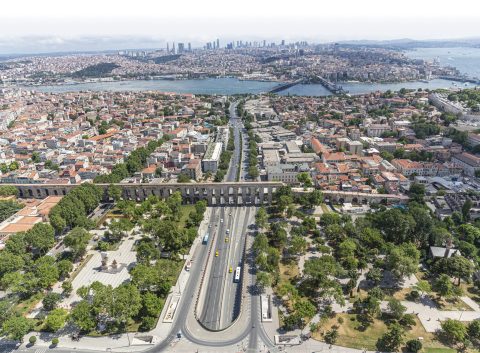
Constantinople came with a problem. This ‘new Rome’ served as Constantine the Great’s imperial capital and held a commanding position on the Bosporus waterway. Being perched on the channel splitting Asia and Europe brought a cost, though, as it left Constantinople facing the sea on three sides. For drinking water, the newly minted capital was reliant on a minor stream and an aqueduct built to supply its predecessor, Byzantium. As Constantinople grew, so too its water supply proved inadequate for a thirsty city. Legend had it that the solution came from tapping the distant waters of the mighty Danube River. The truth was scarcely less astonishing. An extraordinary network was built to carry water to the capital, showcasing its power.

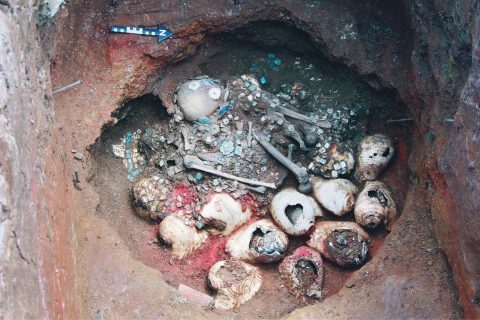
Status was also on display at Pacopampa, an ancient ceremonial gathering place in the highlands of Peru. Recent excavation work has revealed a remarkable tomb. Within lay the remains of an individual who was accompanied by a wealth of grave goods, including a set of 20 Strombus shells. This rich burial dates to a surprisingly early stage of activity at the site, raising intriguing questions about when and why elites emerged in the region.

Power was being signalled in a different way by the deer stones in Mongolia. Various images grace these magnificent monoliths, including striking, stylised representations of deer. Numerous explanations have been proposed for these monuments over the decades, such as that they show gods. Now research is pointing to a fascinating possibility: that they represent actual individuals.


Cover Date: Feb / Mar 2023, Volume 10 Issue 9
Cover Story

‘The city thirsts’: water in Istanbul: past, present, and future Supplying Constantinople with water was a monumental challenge that received a monumental solution. Examining the extraordinary remains of aqueducts, bridges, and cisterns reveals the ingenuity – and expense – committed…

Features

The Priest of Pututus: unearthing a unique Andean tomb What can a freshly discovered tomb reveal about the emergence of Andean civilisations? The early date of this rich burial…
Conjuring Mongolian deer stones: biographical statuary of Bronze Age Central Asia and south Siberia The enigmatic deer stones speckling the Mongolian steppe have long invited questions. Now fresh research is providing clues to why…
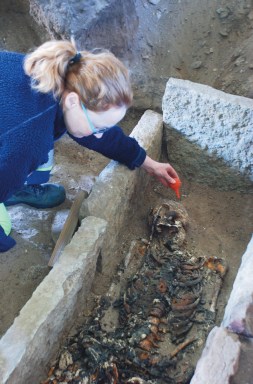
The man in the parcel: explaining a puzzling burial rite The discovery of a burial in pride of place in GÃ¥rdby Church, Sweden, marked the beginning of an archaeological detective…

Comment

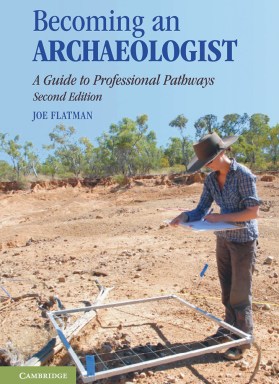
Becoming an archaeologist Archaeology is not immune to wider social changes... the #BlackLivesMatter movement focused attention on the colonial pasts of many nations…
Seasons and the city Even reputable observers like Pliny the Younger often ended up at the mercy of the competence of later scribes. As…
Linguistics, genetic links, and a long-lost ‘emperor’ A long-lost Roman emperor. Who could resist such a headline? The media lapped it up. But how could anyone lose…
A chicken coup An infant who died at birth during the fourth Bronze Age phase was interred with a hen’s egg over the…

News

Views

CWA 117 Letters – January 2023 Your observations, your objections, and your opinions: send them to cwaletters@world-archaeology.com
CWA #117 Crossword, and Answers to #116 Across 7 Vegetables domesticated c.8000 BC (8)9 George ___, 20th-century French archaeologist noted for his work in French Indochina and…
The British Institute at Ankara: 75 years researching Turkey As the British Institute at Ankara celebrates a major birthday, CWA casts an eye over what it has achieved, and…
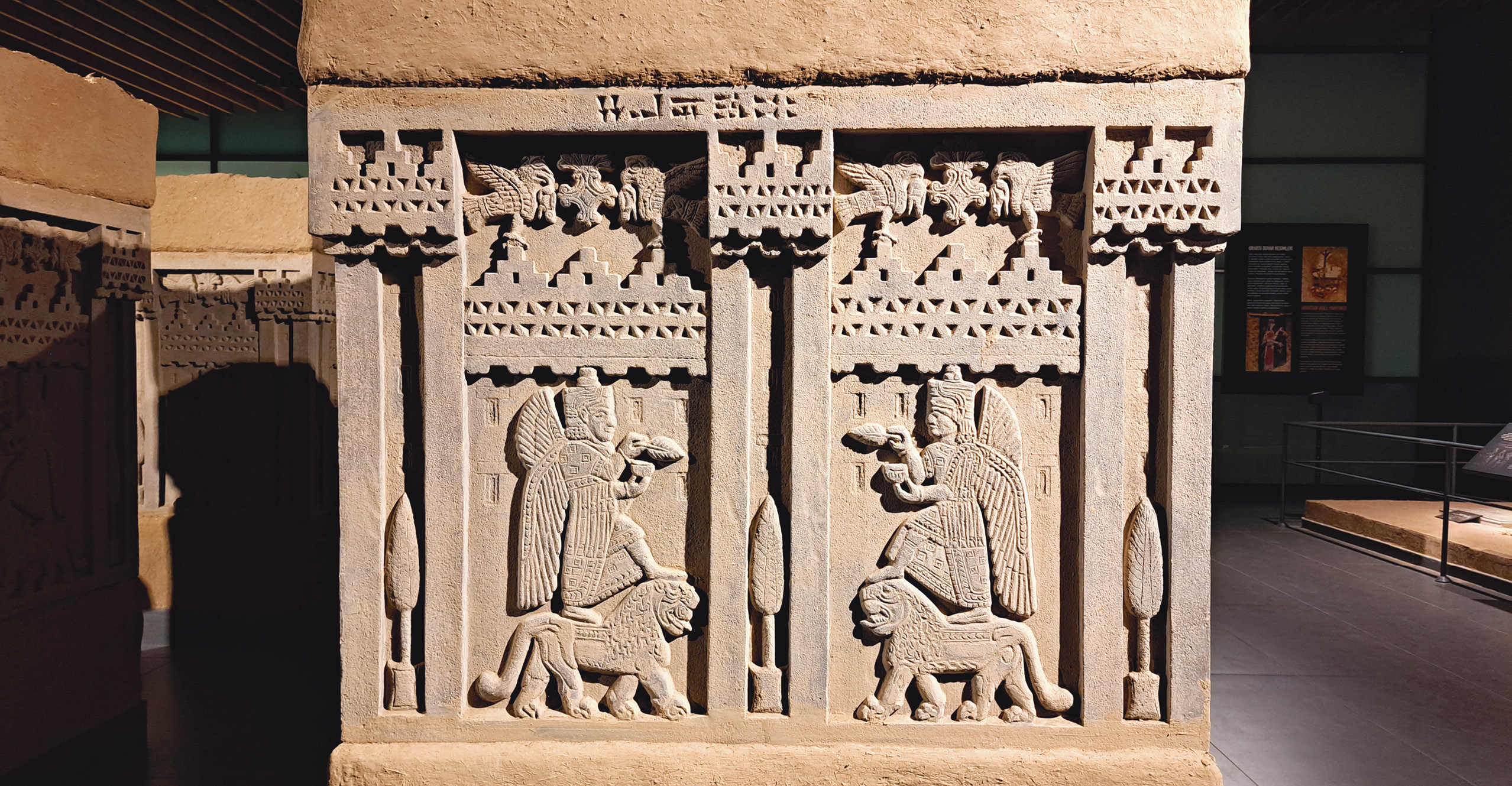
Van Archeology and Ethnography Museum A new museum in Van, Turkey, explores the rich history of the area. Nick Kropacek visited to find out more.
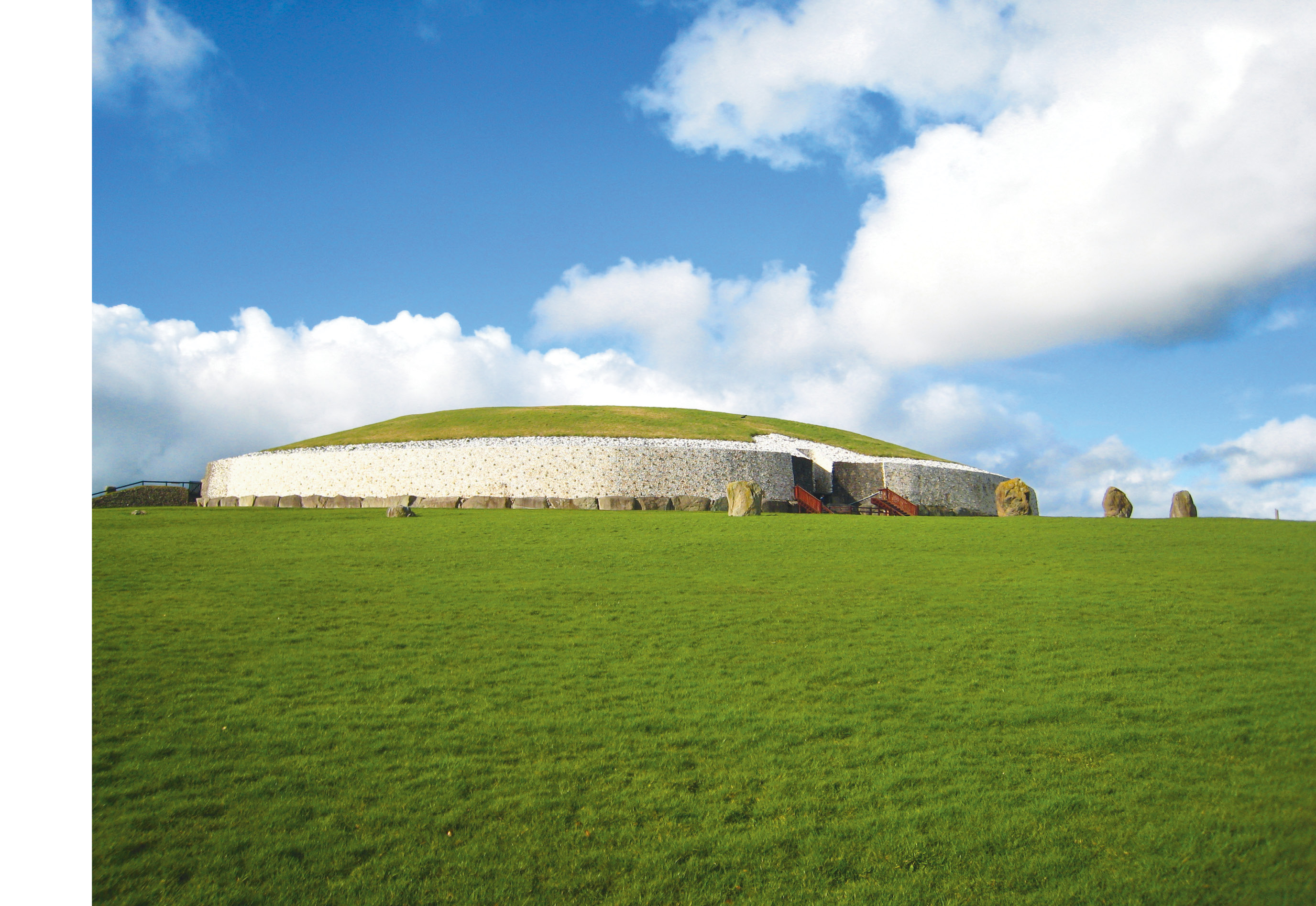
Clare Tuffy and Newgrange I would restore the great chambers of Boyne, prepare a sepulchre under the cupmarked stones. Seamus Heaney, ‘Funeral Rites’
Ivory comb with rare Canaanite inscription Until now, inscriptions found in the Canaanite alphabet have been limited to two or three words; this is the first…
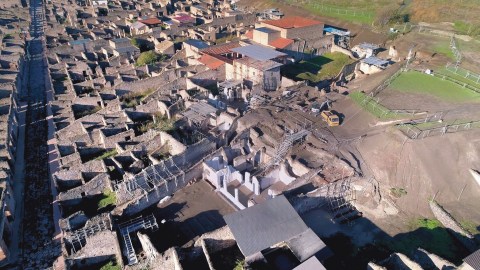
A Byzantine business district Excavations in the ancient city of Ephesus in Turkey have uncovered the remains of early Byzantine shops and businesses. Archaeologists…

Reviews

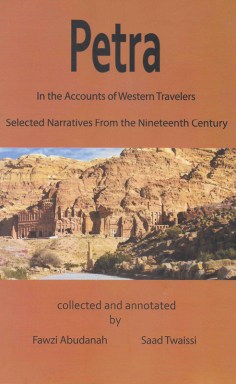
Petra in the Accounts of Western Travelers: Selected Narratives from the Nineteenth Century Review by David J Breeze John William Burgon’s description of Petra as ‘the rose-red city, half as old as time’…
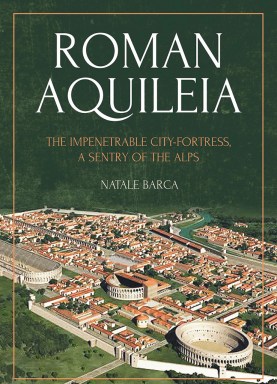
Roman Aquileia: the impenetrable city-fortress, a sentry of the Alps Review by Carolynn Roncaglia In AD 452, Attila the Hun led his forces over the eastern Alps into Italy. Straightaway…
Palaeolithic Rock Art of the Italian Peninsula Review by George Nash Until relatively recently, European Palaeolithic rock art outside the Franco-Cantabrian area (south-west France and northern Spain)…

By Country

Popular
UK • Italy • Greece • Egypt • Turkey • France

Africa
Botswana • Egypt • Ethiopia • Ghana • Kenya • Libya • Madagascar • Mali • Morocco • Namibia • Somalia • South Africa • Sudan • Tanzania • Tunisia • Zimbabwe

Asia
Iran • Iraq • Israel • Japan • Java • Jordan • Kazakhstan • Kodiak Island • Korea • Kyrgyzstan •
Laos • Lebanon • Malaysia • Mongolia • Oman • Pakistan • Qatar • Russia • Papua New Guinea • Saudi Arabia • Singapore • South Korea • Sumatra • Syria • Thailand • Turkmenistan • UAE • Uzbekistan • Vanuatu • Vietnam • Yemen

Australasia
Australia • Fiji • Micronesia • Polynesia • Tasmania

Europe
Albania • Andorra • Austria • Bulgaria • Croatia • Cyprus • Czech Republic • Denmark • England • Estonia • Finland • France • Germany • Gibraltar • Greece • Holland • Hungary • Iceland • Ireland • Italy • Malta • Norway • Poland • Portugal • Romania • Scotland • Serbia • Slovakia • Slovenia • Spain • Sweden • Switzerland • Turkey • Sicily • UK

South America
Argentina • Belize • Brazil • Chile • Colombia • Easter Island • Mexico • Peru

North America
Canada • Caribbean • Carriacou • Dominican Republic • Greenland • Guatemala • Honduras • USA