Description
Highlights:
- If walls could talk: Reconstructing Roman London’s fashionable frescos
- Riverine reflections: Visiting the natural and cultural heritage of the Rother Valley
- Little End: Tracing the archaeology and social history of a long-vanished community
- Expanding frontiers: Celebrating the Mothers of Romano-British studies
This month’s cover feature showcases a colourful discovery from Roman London: vibrant fragments from one of the largest collections of painted wall plaster of this period ever found in the capital. Once part of fashionable frescos, thousands of pieces of plaster had been dumped in a pit associated with the demolition of a high-status building that stood in Southwark almost 2,000 years ago. Now, work is ongoing to piece this ancient jigsaw puzzle back together, revealing fascinating insights into the tastes and cultural connections of Londinium’s social elite.
From the luxurious residences of Roman Southwark, we then explore the remains of rather humbler dwellings. Archaeological investigations outside St Neots have uncovered traces of a now vanished rural hamlet; excavated evidence and historical research have now combined to illuminate the its working-class inhabitants.
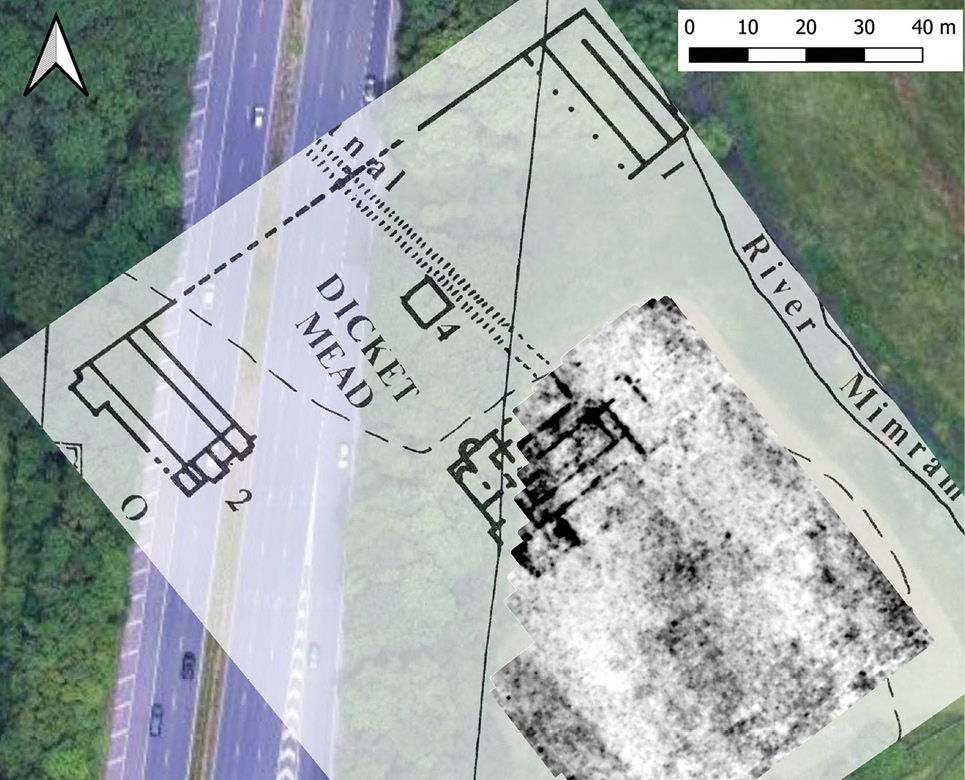
For our third feature, we widen our focus from a single settlement to an entire archaeological landscape, tracing thousands of years of human activity within the Rother Valley.
Finally, we examine an often-overlooked chapter within the history of archaeology itself. Descriptions of the early days of Romano-British studies tend to be dominated by the achievements of male excavators, and we often hear of the ‘Fathers’ of archaeology – but there were a number of female archaeologists who also made vital contributions at this time. In our fourth feature, we share the stories of some of these pioneering individuals and explore the social and academic barriers that they faced.
Cover Date: Oct-2025, Volume 36 Issue 7