Description
Highlights:
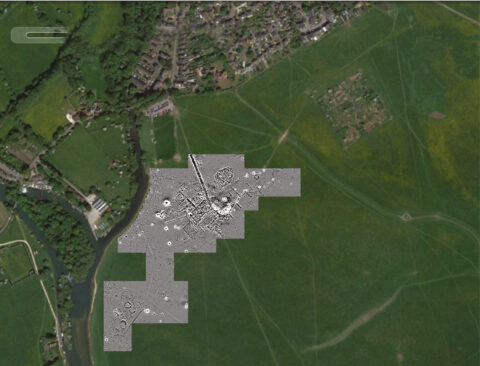
- Planes over Port Meadow: revealing a First World War Home Front aerodrome
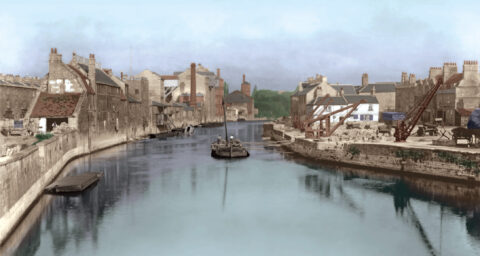
- Pandemics and public health: cleansing Bath’s ‘Great Unwashed’
- Glass roots: examining the archaeology of glassmaking in England
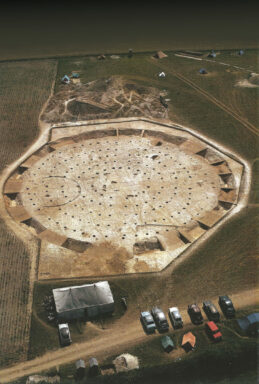
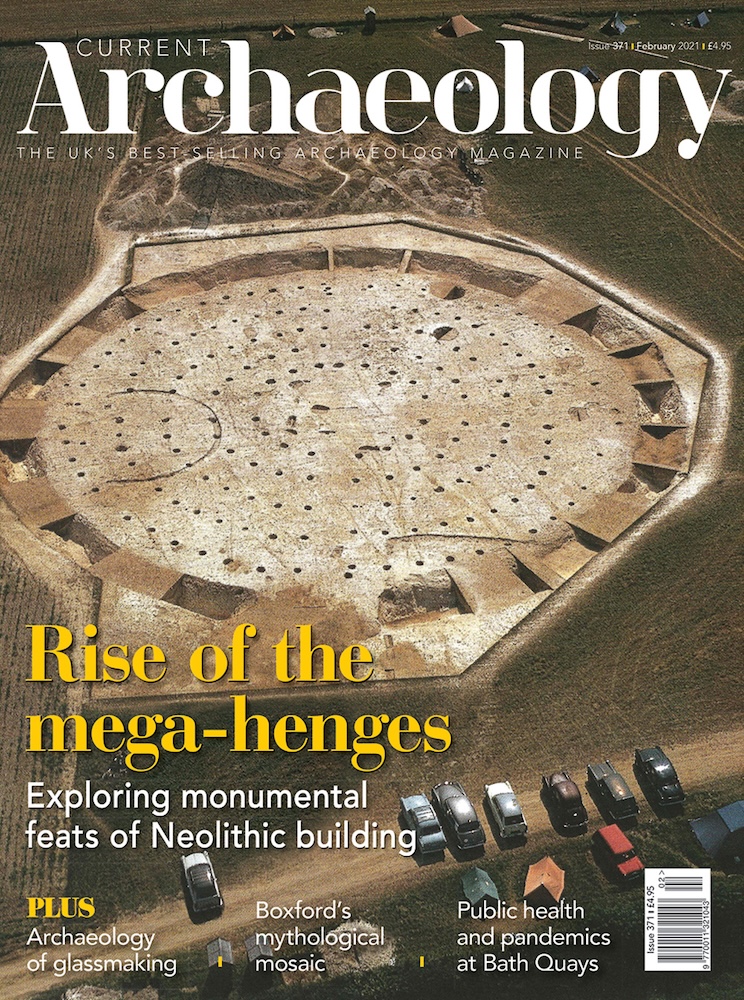
- Mega-henges: the evolution of Mount Pleasant’s monuments
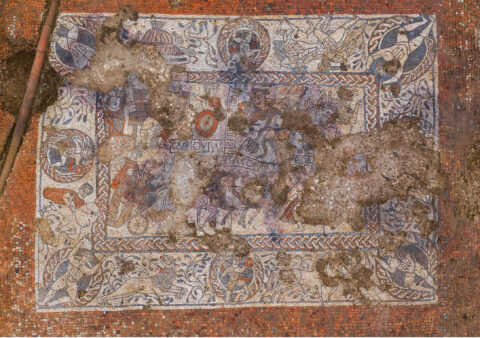
- New thoughts on the Boxford ‘Triumphs of Pelops and Bellerophon’ mosaic
It always feels odd when I sit to write my December letter, knowing that I am addressing you in a different year – and the past year has been a particularly strange one, both in our own lives and for archaeological fieldwork. I hope 2021 brings brighter times for us all – and I look forward to joining you there in a few weeks!
There is still plenty of exciting research happening, however. We begin by looking at a material that we all have at home: glass. Today, it is readily available and relatively inexpensive, but how did it come to be so? We trace the archaeology of glass production from the post-Roman period to the industrial present.
We next visit a magnificent monument on the outskirts of Dorchester: the Mount Pleasant mega-henge. New dating evidence for this huge and complex Neolithic site suggests it came together in a much shorter period than previously thought.
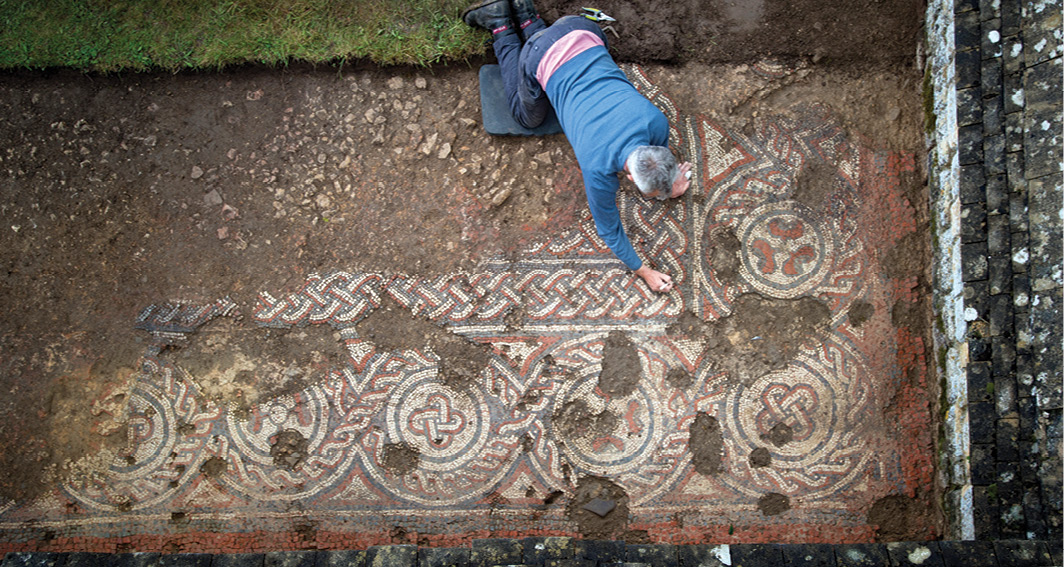
Another impressive creation forms the focus of our third feature: an intricate late Roman mosaic excavated at Boxford. Its surface is crammed with Classical imagery – join us to explore the latest thinking on what its motifs mean, and what they tell us about the mosaicists’ influences.
From Boxford to Bath: our fourth feature eloquently demonstrates how topical archaeology can be, as we learn how 19th-century local authorities responded to a public health emergency and the arrival of a new pandemic.
Finally, we travel to Port Meadow, an Oxford floodplain that has long been recognised for its prehistoric remains – but which also preserves traces of a much less well-known First World War aerodrome.
Cover Date: Feb-2021, Volume 31 Issue 11