
Subscribe now for full access and no adverts
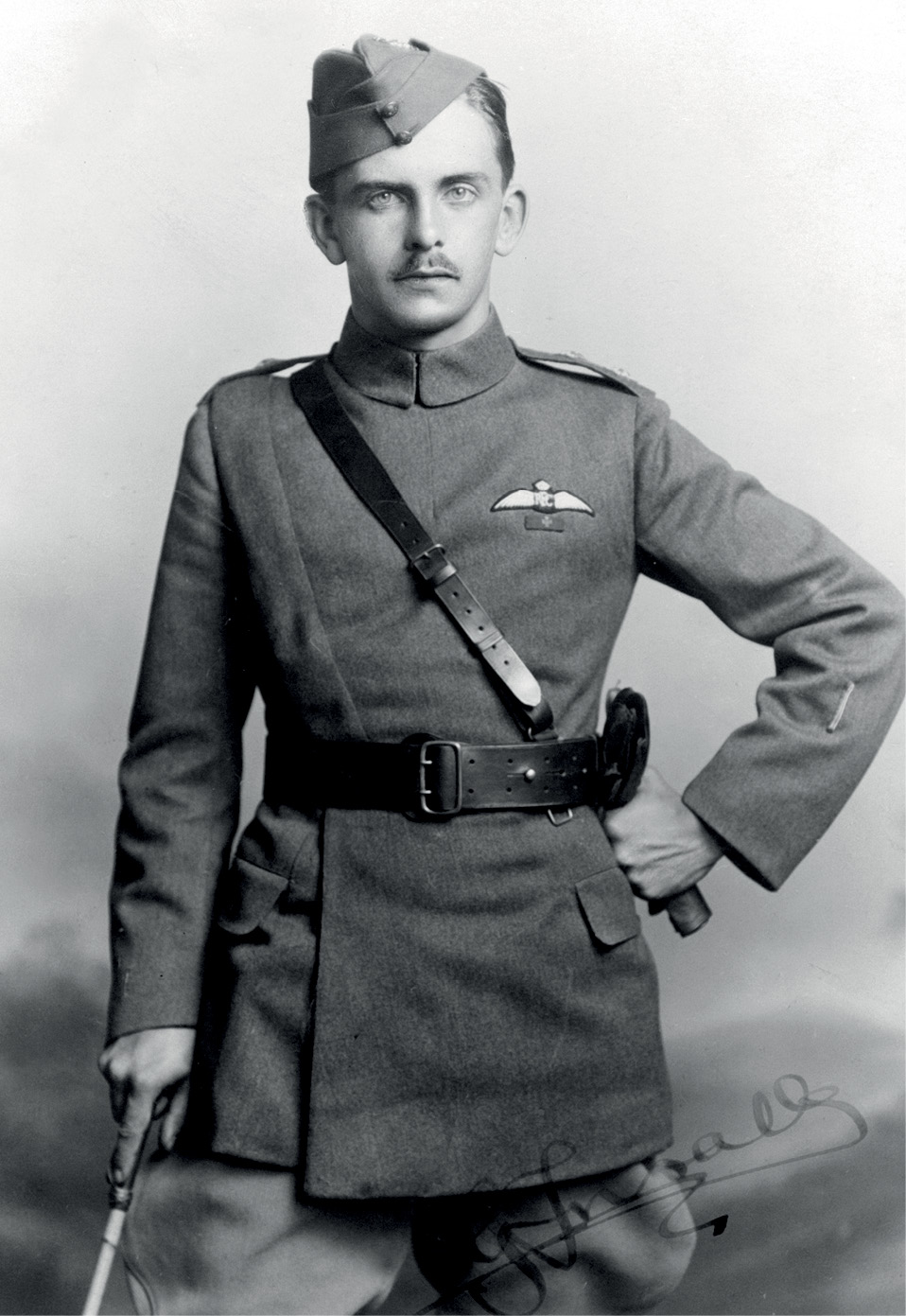
The part of Salisbury Plain around Stonehenge was an important area for early aviation, with a number of nearby airfields from which military pilots could take off, train, and practise their craft. A century ago, one such individual made a discovery that would transform our understanding of this historic landscape. Gilbert Insall (1894-1972) was an experienced aviator, having earned both a Victoria Cross and a Military Cross during the First World War. A photograph of him taken during that conflict shows a serious young man looking calmly at the camera – a hint of the determination and coolness that had earned Insall his distinguished decorations. He had won his VC, aged just 21, after flying through heavy enemy fire, getting hit, making an emergency landing, repairing his aircraft under fire, and flying back to safety. Insall’s MC, meanwhile, was awarded for gallantry following his escape from a prisoner-of-war camp in 1917, after which the pilot swiftly returned to flying duties.
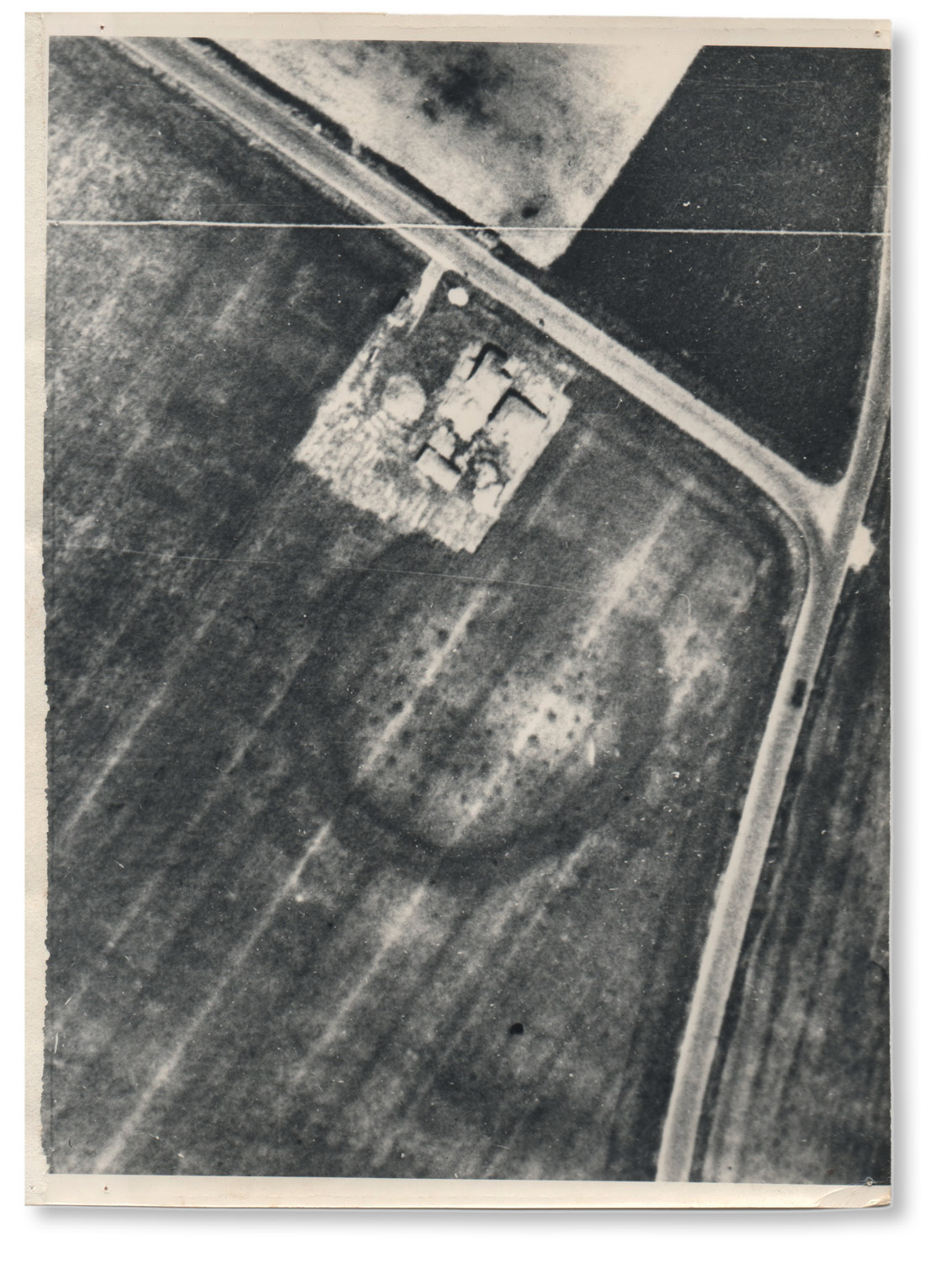
Insall remained in aviation after the end of the war, becoming a captain in the newly formed Royal Air Force, and in 1919 he was promoted to Squadron Leader. It was under this rank that Insall was flying a Sopwith Snipe biplane around the Stonehenge area on 12 December 1925. At his altitude of c.2,000ft, Insall could clearly see the famous stone monument, but that was not all he saw. In a ploughed field near Durrington Walls, about two miles away, he spotted a circle of white chalk marks. Woodhenge had been discovered. Insall was intrigued by what he had seen, and after making enquiries he learned that, although an archaeological site was known to exist on that spot, it was only a ‘mutilated disc barrow’ that locals called the ‘Dough Cover’ (because its gently domed appearance reminded them of a proving tool used in baking). Nothing was known about any remains surviving inside the ‘barrow ring’.
Undeterred, Insall flew over the chalky soil marks a second time to photograph them, and later returned to capture more images in the light of the setting sun – noticing, as he did so, a ‘distinct depression’ that would later prove to be the remains of an inner henge ditch. As someone who was interested in both archaeology and aviation, Insall knew about the possibility of cropmarks, and so he continued his investigations the following summer. This time, he hit the jackpot. As Insall flew over the markings on 30 June 1926, he could see not just a single circle, but ‘five or six or perhaps even seven’ concentric cropmarks in the wheat field, with each oval ring formed from a series of individual dots.
A few days later, Insall climbed on to a nearby hayrick, noting that, while the cropmarks were still visible from this height, on the ground ‘they would have passed unnoticed’. Woodhenge was therefore one of the very earliest cropmark sites to be identified by aerial photography in the UK – the very first being a section of the Stonehenge Avenue, which was recognised in 1923 by the pioneering aerial archaeologist O G S Crawford (see CA 272 for more on this discovery, and the wider history of aerial imagery in archaeological research).

Enter the excavators
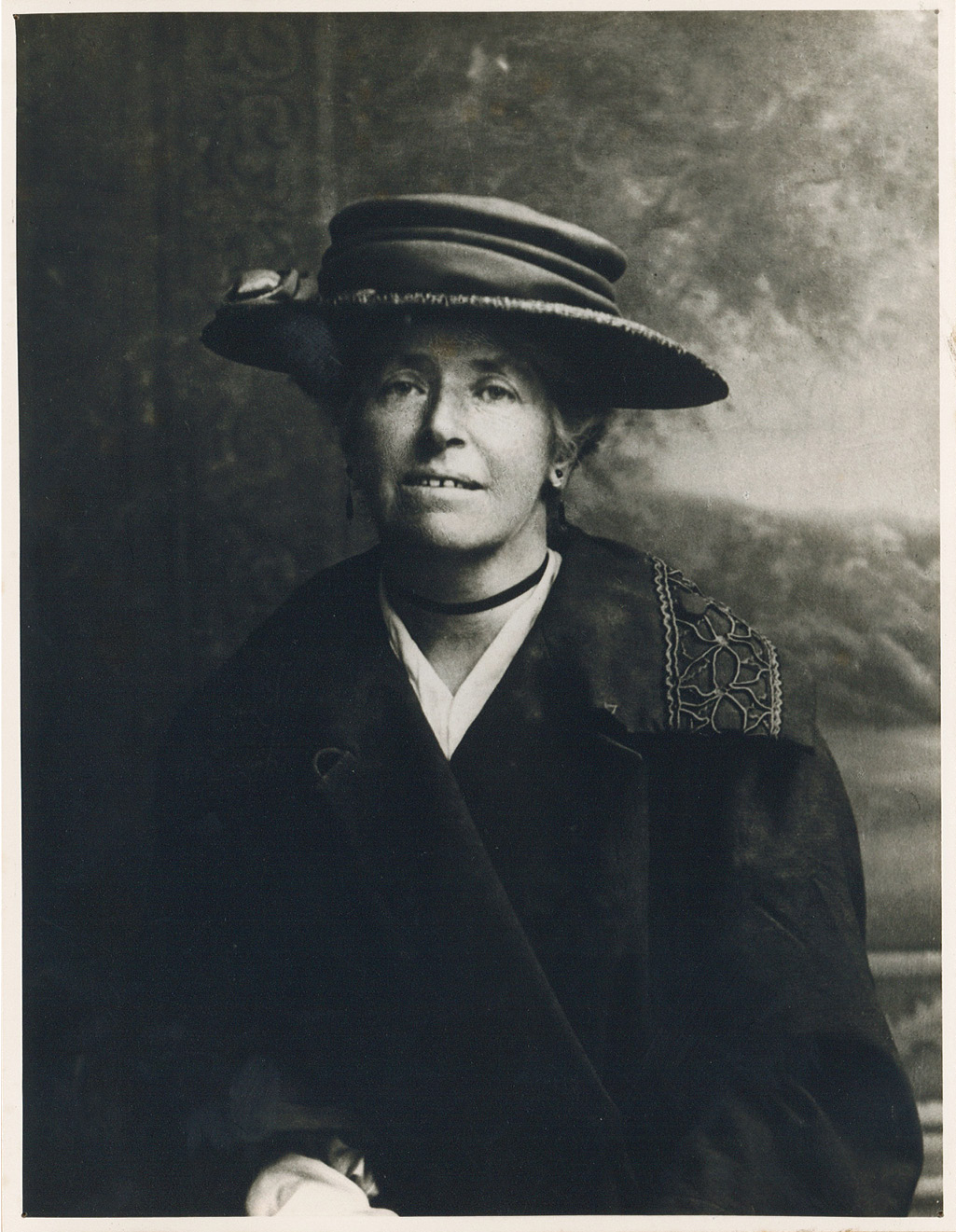
This was not the end of Insall’s archaeological endeavours – he would go on to photograph and identify other significant sites around the country, including Arminghall Henge, the ‘Norfolk Woodhenge’, in 1929 (CA 396) – but, returning to his first find, Insall appears to have wasted no time in telling the heritage world about what he had seen on Salisbury Plain. This included approaching Wiltshire archaeological royalty Maud and Ben Cunnington, a husband-and-wife team who devoted their lives to exploring the region’s past. Ben (1861-1950) was the great-grandson of William Cunnington, the famous antiquarian and excavator of over 400 barrows, and he was the fourth generation of his family involved in the archaeology of the county. Maud (1869-1951) had married Ben in 1889, and by the time of Insall’s contact she was already an experienced archaeologist with several important excavations and publications to her name (she would also go on to become the first woman to receive a CBE for her service to archaeology).
When Insall showed his photographs to the Cunningtons, they were clearly excited by the discovery, and with good reason: prehistoric timber circles are familiar today, but in the 1920s they were virtually unknown as a class of monument and certainly not well understood. Aerial archaeology was in its infancy and geophysical surveys not yet developed; without these, it was extremely difficult to identify such sites. With a speed that could rarely be matched today, Maud and Ben made arrangements to start their self-funded excavations that very month. In total, the Cunningtons spent ten weeks digging the site – five in August and September 1926, and five more in June and July 1927 – during which they sampled much of the monument’s interior and placed several trenches through its ditch. It was at this time, too, that the site gained its now-famous name. The word ‘Woodhenge’ was ‘in the air’ during the first excavation season, the pair noted, but ‘no one person can be held responsible for it’.
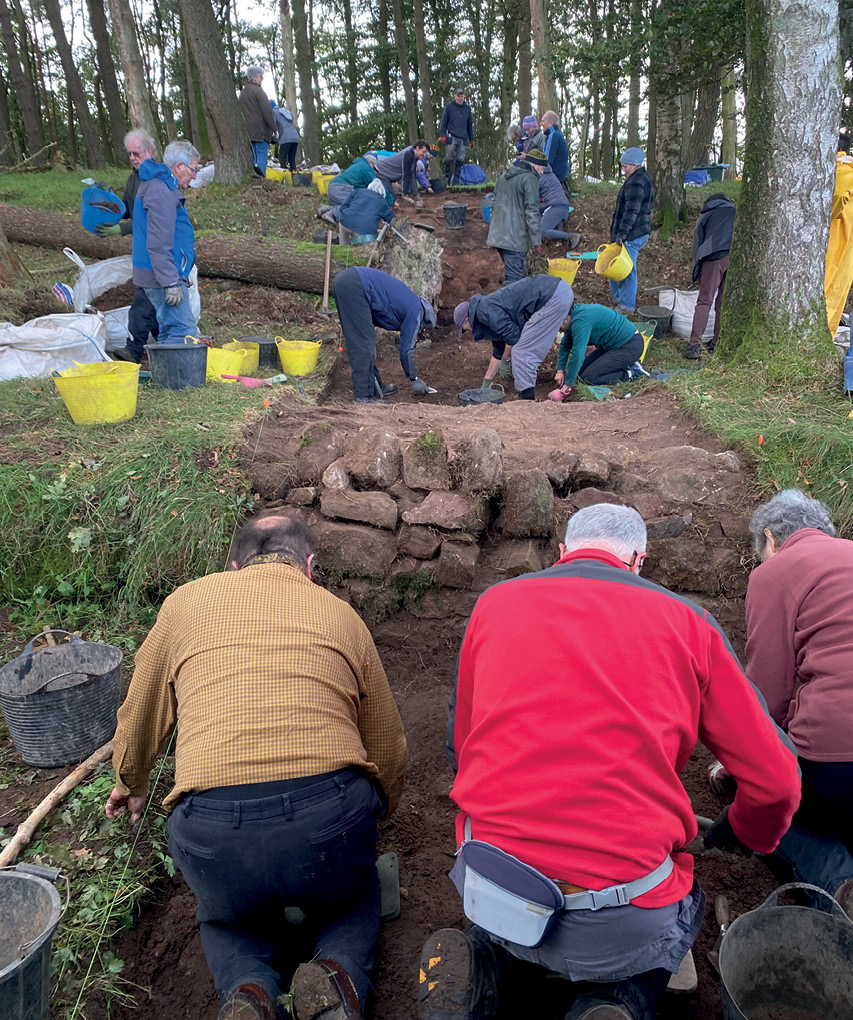
Although Ben and Maud excavated together, it was Maud who seems to have overseen the post-excavation work and publication, releasing their results with commendable speed in her monograph of 1929. This was not the end of work at Woodhenge, however. Further smaller-scale excavations were undertaken by Geoff Wainwright and John Evans in 1970, digging a single long trench through the bank and ditch to get dating material for the monument, and in 2006 Josh Pollard excavated two small trenches which partly intersected those dug by both pairs of predecessors.
Making a monument
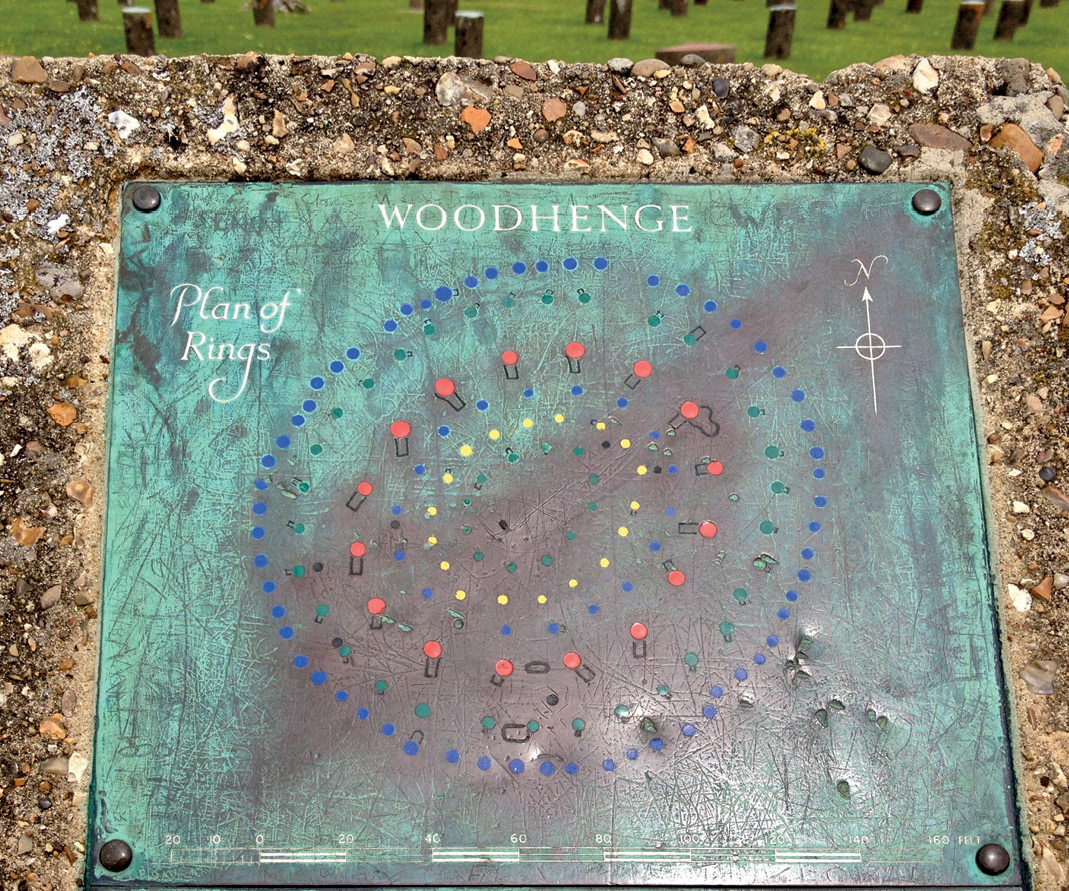
So, what is Woodhenge? The monument has at least two main elements, one built in earth, the other in timber. The earthwork forms a classic small henge, with a ditch on the inside and a bank on the outside; a single entrance can be seen on its northern side. This is the monument that was already known to antiquarians and was explained to Gilbert Insall as a ‘disc barrow’. The features that Insall spotted inside the monument completely changed this interpretation, however. Covering a flattish area some 50m in diameter are six concentric rings of post-holes, which once held wooden uprights of varying sizes – including an oval of particularly large ones, which probably left the marks that Insall initially saw from the air in 1925. The post-holes were found to contain the remains of oak timbers (the bottoms of which appear to have been partly burnt, presumably to help prevent them from rotting), some of which seem to have been of considerable height, as they required a ramp to haul them into place.
The Cunningtons were excited by the discovery: prehistoric timber circles are now familiar, but in the 1920s they were virtually unknown as a class of monument.
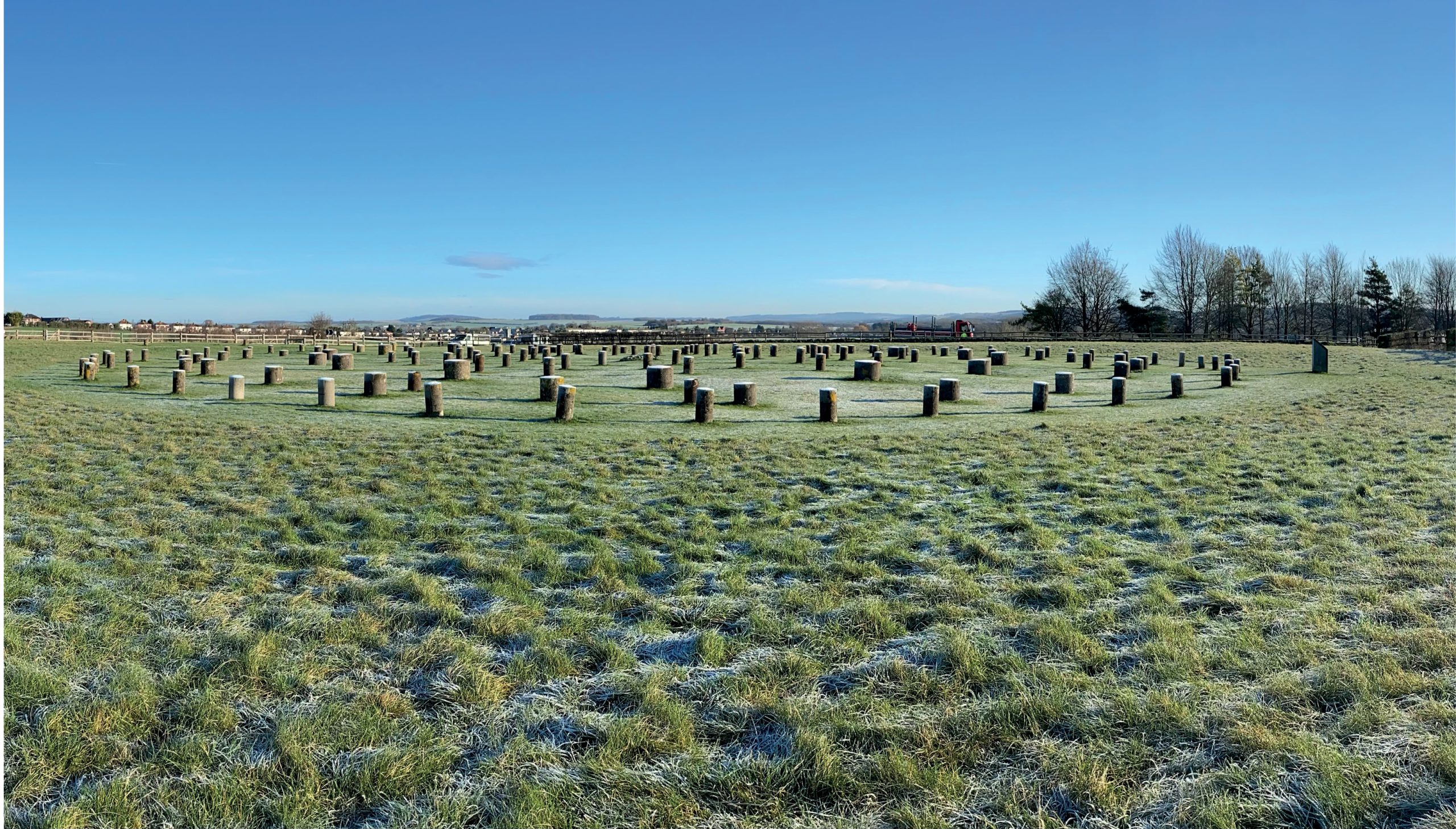
A total of 168 posts – today represented by low, concrete uprights, though crucially these markers do not precisely preserve their positions – were identified during the Cunningtons’ excavations. Ben and Maud also discovered two potential sockets for standing stones, as well as a central grave containing the remains of a child. This was not the only evidence for funerary activity on the site: a male skeleton lay at the base of the surrounding ditch, and a cremation was found at the bottom of a large post-hole.
One of the most important developments from the 1920s investigations, though, was the Cunningtons’ recognition that the axis of symmetry of the oval rings was the same as that of Stonehenge – in other words, Woodhenge also appeared to be aligned on the summer solstice sunrise and winter solstice sunset, a connection that has seen Woodhenge described as the ‘lesser-known cousin’ of its celebrated neighbour. The Cunningtons even observed the midsummer sunrise at Woodhenge on 20 June 1927 during their second season of digging. They believed that a gap in the posts could have been used by ancient peoples to observe the sunrise at this time, and Maud published their solstitial axis in her 1929 monograph.
Much later, the site was surveyed by Alexander Thom, a Professor of Engineering at the University of Oxford, who was especially interested in prehistoric remains in Britain, Ireland, and France, and their astronomical associations. He came to broadly the same conclusion as Maud, although his axis is slightly different because it is based on the concrete marker posts. Speaking of the monument’s design, it is also noteworthy that the entrance of the henge and the axis of the oval rings are on different orientations. It is the timber rings, and they alone, which show associations with the heavens.
New dating evidence
When was Woodhenge built? The process of establishing a date for the monument has mirrored the improving techniques that were available to archaeologists over the course of the 20th century. Maud Cunnington concluded that Woodhenge was a ‘prototype’ for Stonehenge, and her reputation suffered when she asserted that the latter was therefore probably an Iron Age construction. It is easy to criticise early attempts to date prehistoric monuments based solely on the styles of artefacts and pottery, though, and Maud was certainly not the only one to have got Stonehenge wrong. It would be almost half a century before the monument could be scientifically dated for the first time, using material recovered during Wainwright and Evans’ investigations in 1970 and placing Woodhenge in c.2300 BC.

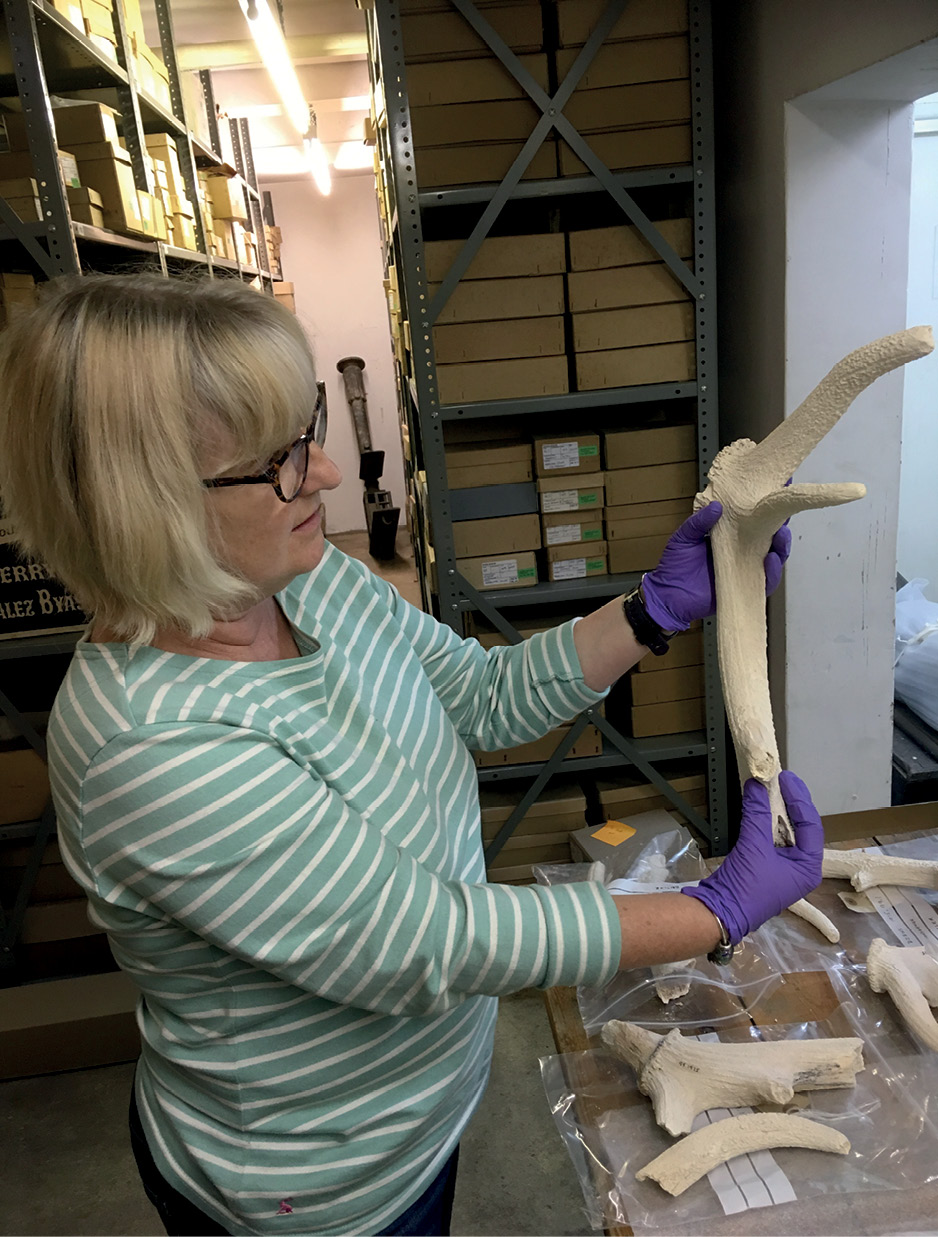
More recently, though, Historic England generously funded a dating programme for Stonehenge: sighting the sun, a book that I co-authored with Clive Ruggles (see ‘Further information’ below), and Wiltshire Museum kindly provided the material for this analysis. It is here that I must pay tribute to the foresight of the Cunningtons. Unlike many archaeologists of their time, they collected and preserved lumps of charcoal (the remains of the original timbers) from the post-holes, even though in the 1920s they were of apparently little scientific value. Almost a century later, these played a key role (together with some antler picks recovered from the henge ditch in 1970) in providing a good series of dates for Woodhenge for the first time.

The results of our analysis revealed that the oval timber rings – the astronomical monument aligned on the solstices – had been erected around 2600 BC, apparently all at broadly the same time. The surrounding earthworks, though, were not constructed until around 150-200 years later – something that might explain the different orientation of the henge’s entrance: perhaps the monument was used for astronomical purposes by this time. Indeed, the timber portion of Woodhenge may have only been in use for two or three generations, as the posts had begun to decay seriously within around 90 years of their initial installation.
These new radiocarbon dates show that the timber elements of Woodhenge are essentially contemporary with the stone elements of Stonehenge, built at least within a generation or two of each other. Both monuments incorporate precise astronomical alignments within their architectural design and both date to around 2500 BC. They may even have been built by the same people.
Presenting prehistory
Today, Woodhenge is a popular visitor destination in the care of English Heritage. It can be busy, but it is possible to catch the site at quiet times – even to have it entirely to yourself. There, perhaps more than at any other place in the Stonehenge landscape, one can imagine how the site might have functioned as an astronomical monument, as far-reaching views towards distant horizons still exist at this atmospheric spot.
The site that we can visit now is entirely due to the generosity and vision of the Cunningtons. Early in 1928, not long after their final excavations concluded, Ben and Maud purchased two acres from the landowner, Admiral Sir Richard Poore, in order to preserve the monument and present their excavations to the public. All of this was done at their own expense and to their own design – Maud in particular seems to have been interested in what we now call public archaeology – and on 19 July 1932 Ben signed a Deed of Gift to the Commissioners of His Majesty’s Works and Public Buildings. Woodhenge was now a state monument, and the deed came with the condition that it should always remain free to the public.
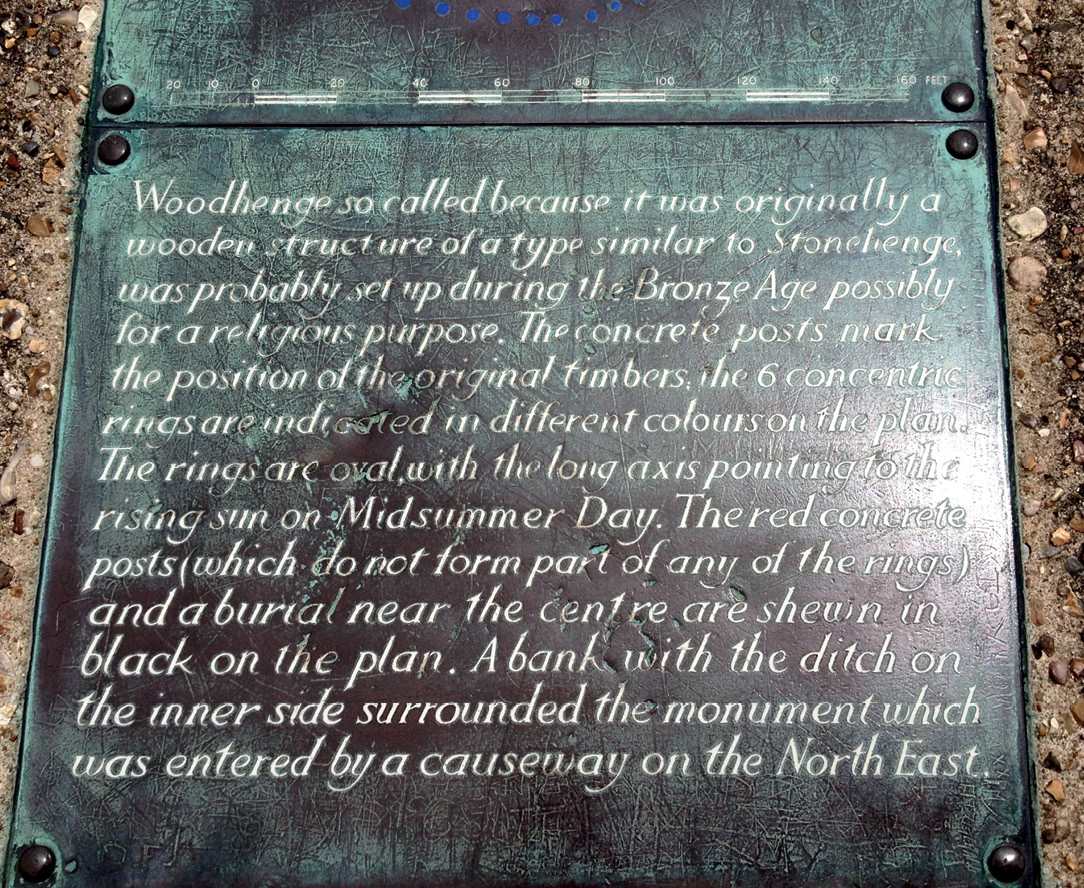
The interpretation scheme that the Cunningtons put in place can be difficult to understand at ground-level, but it represents a pioneering approach to presenting a prehistoric site to a lay audience. After much debate, Ben and Maud eventually decided to mark the locations of the excavated post-holes with the concrete ‘pillars’ mentioned above. They had also considered alternative options including bushes and wooden posts, but these were discounted because of the archaeological damage that roots would wreak, and the impracticality of perishable wood. The tops of the concrete markers were painted to differentiate each of the six rings, the central grave and stone-holes were marked with ‘heaps of flint’, and two beautiful bronze and coloured enamel interpretation plaques were mounted on a concrete plinth to help explain what visitors were looking at. Unfortunately, these plaques were stolen in November 2015 and, despite much publicity, they have never been found.
The next 100 years
We now know that Woodhenge fits into the broader Neolithic ritual/ceremonial landscape of what has been designated the Stonehenge World Heritage Site. Woodhenge, Durrington Walls (with its Southern Circle aligned on the midwinter sunrise), and Stonehenge appear to have been interconnected components within a complex ritual environment rather than isolated monuments. Coordinated ceremonial activity may have taken place across the area, particularly as all these places allowed solstice-related sightings and existed at around the same time (2500 BC).
How might this wider understanding be shown on-site to visitors? Even as a monument without landscape context, Woodhenge can be imagined in many ways. Were the posts free-standing? Decorated or carved? Of different heights? Were the timber rings lintelled like the Stonehenge trilithons? Could the posts even have formed ring-shaped buildings, as archaeologists Stuart Piggott and Chris Musson suggested?
This is not the place to discuss how Woodhenge might best be interpreted in future. Nevertheless, the efforts of the Cunningtons represent one of the earliest forms of display of a prehistoric monument in the country, perhaps indeed in the world. As such, their work forms an important part of the history of the conservation of prehistoric sites in the early 20th century – a period when, although Ben and Maud were probably unaware of this, prehistoric sites with astronomical links were also being conserved, displayed, and given legal protection in the USA, among them Casa Grande in Arizona and Chaco Canyon in New Mexico.
Woodhenge is important as one of the few known prehistoric sites in Britain incorporating precise astronomical alignments; the concentration of such monuments in the Stonehenge area is particularly noteworthy. It is also a significant site in the history of prehistoric research in Britain, and owes its existence as a visitor attraction to the foresight of the Cunningtons. It will be interesting to see what new cutting-edge techniques can tell us about the site over the next 100 years, continuing the story of its amazing initial discovery.
Visiting Woodhenge: English Heritage advise that the monument is open at any reasonable time during daylight hours and free to visit. See http://www.english-heritage.org.uk/visit/places/woodhenge for more details.
Further information:
• Amanda Chadburn will be lecturing on ‘100 Years of Woodhenge’ at the Wiltshire Museum in Devizes on 20 December at 2.30pm. See http://www.wiltshiremuseum.org.uk/events.
• Maud Cunnington (1929) Woodhenge: a description of the site as revealed by excavations.
• Julia Roberts (2002) ‘”That Terrible Woman”: the life, work and legacy of Maud Cunnington’, Wiltshire Archaeological and Natural History Magazine 95: 46-62.
• Clive Ruggles and Amanda Chadburn (2024) Stonehenge: sighting the sun (Liverpool University Press for Historic England, ISBN 978-1802074673).
• Peter Marshall, Amanda Chadburn et al. (2024) Woodhenge, Durrington, Wiltshire: radiocarbon dating and chronological modelling (Historic England Research Report Series 94/2024, https://historicengland.org.uk/research/results/reports/94-2024).
• Mike Parker Pearson et al. (2020) Stonehenge for the Ancestors – Part 1: Landscape and Monuments (Leiden).