
Tessa Dunlop

The winner of MHM’s 2026 Book of the Year award on time travel, iconic women, and the complexity of conflict.

The winner of MHM’s 2026 Book of the Year award on time travel, iconic women, and the complexity of conflict.
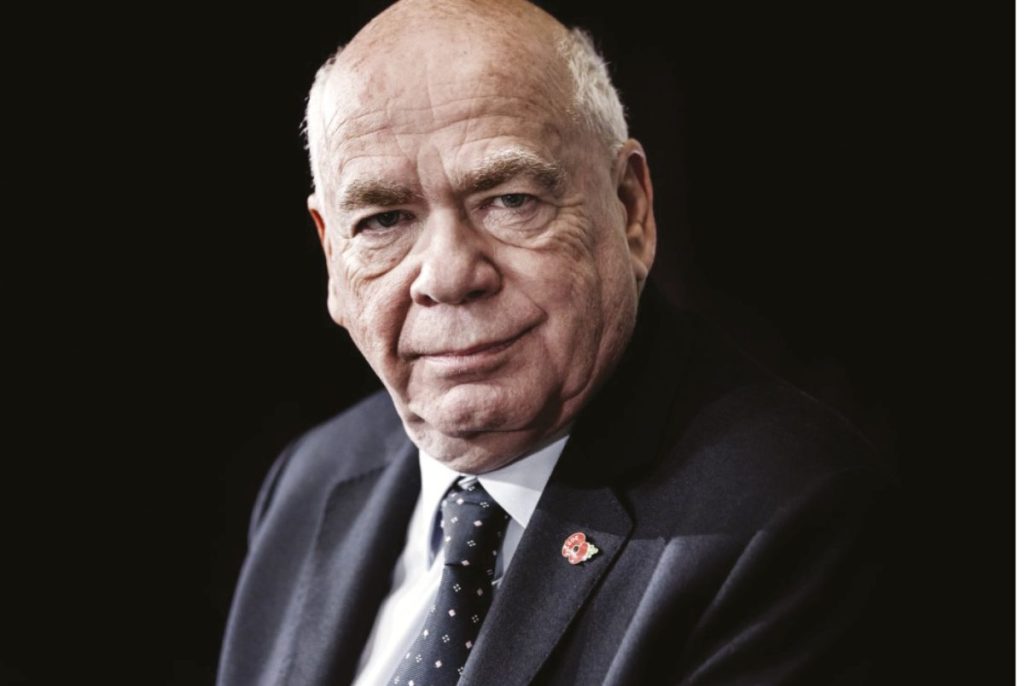
The academic, historian, and author on war stories, shifting interests, and some memorable moments.

The best-selling author, historian, and film-maker on untold stories, personal heroes, and dream movie castings.
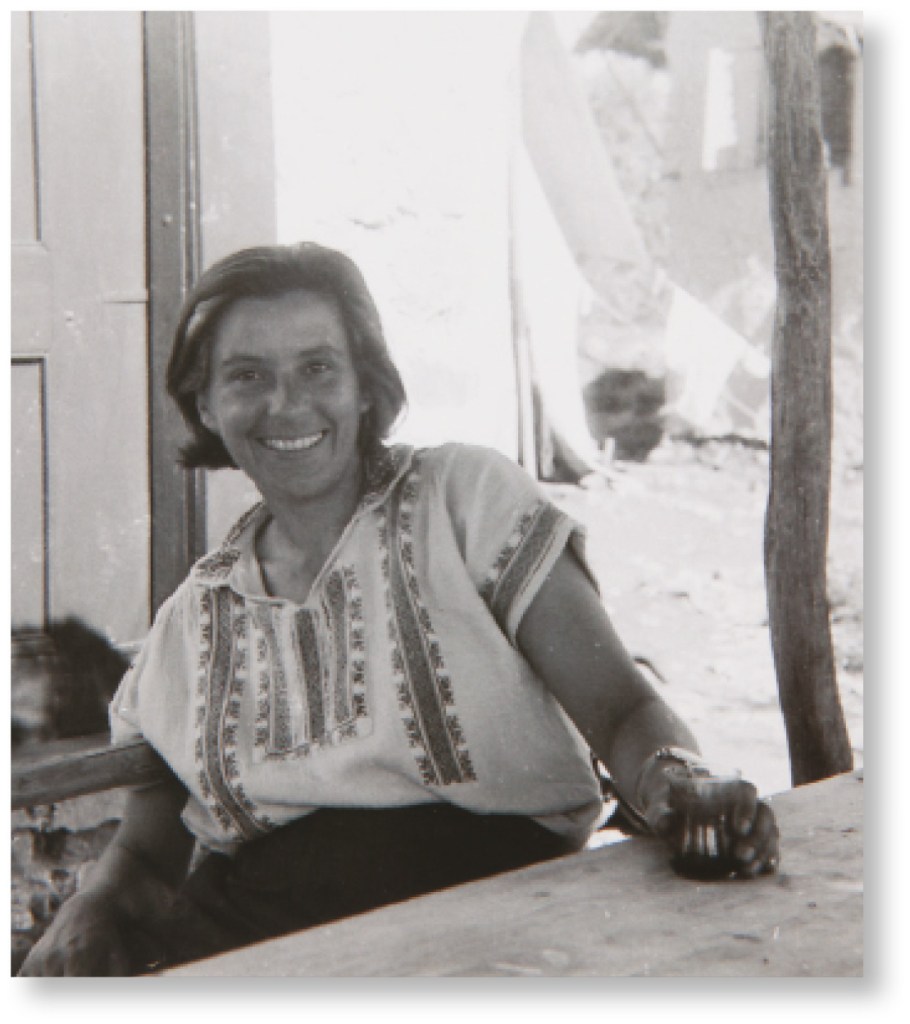

This ruined city had richly carved monumental gateways and, even more significant, an 8th-century BC stela that, bearing the same text in both the Phoenician alphabet and Luwian hieroglyphics, gave Çambel the key to unlock the Luwian language for future scholars.

Historian Janina Ramirez tells Diana Bentley about her latest work delving into stories of celebrated archaeological discoveries and the people behind them, and of the medieval women all-too-often overlooked by history.
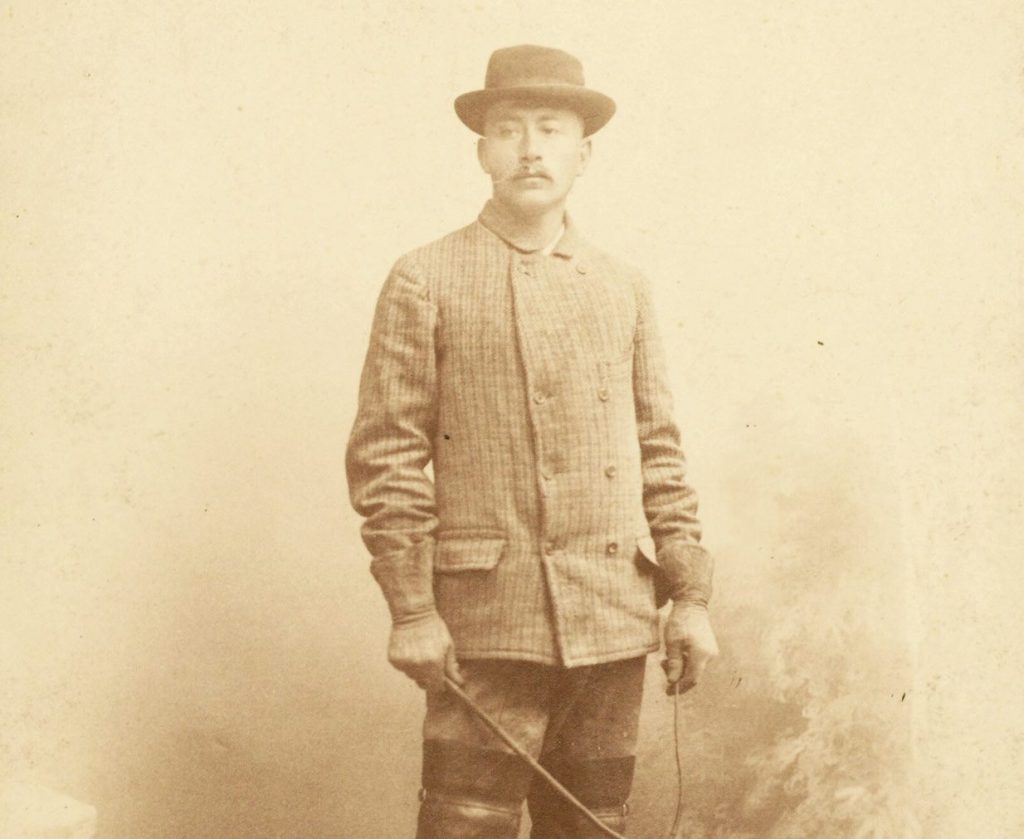

Dig into archive records. Leaf through forgotten research in books that were written in foreign tongues. Centuries-old observations can provide important perspectives on the archaeological record, as Eva Mortensen and Rubina Raja highlight in this account of a pioneering Danish explorer in the Syrian Desert.
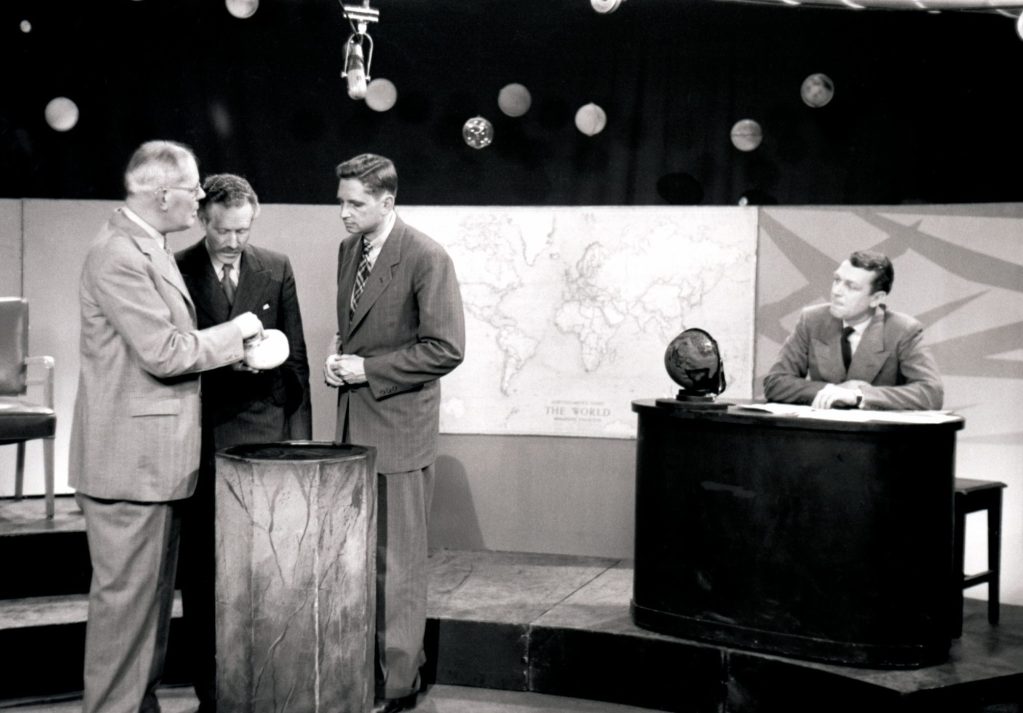
A letter in the Penn Museum archives sets Richard Hodges and Alessandro Pezzati on the trail of a memorable moment in the pioneering days of archaeological broadcasting.
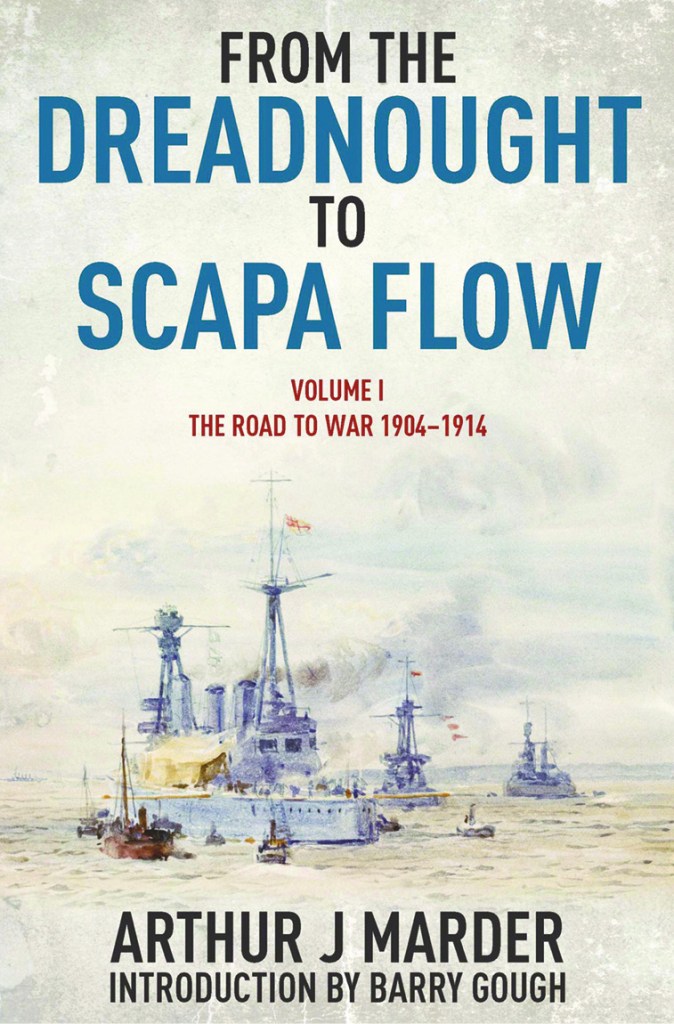
More than half a century after its publication, it is widely regarded as the inescapable starting point for scholars working on early 20th-century British naval history. What made Marder such an outstanding historian? Above all, it is his command of the primary sources.
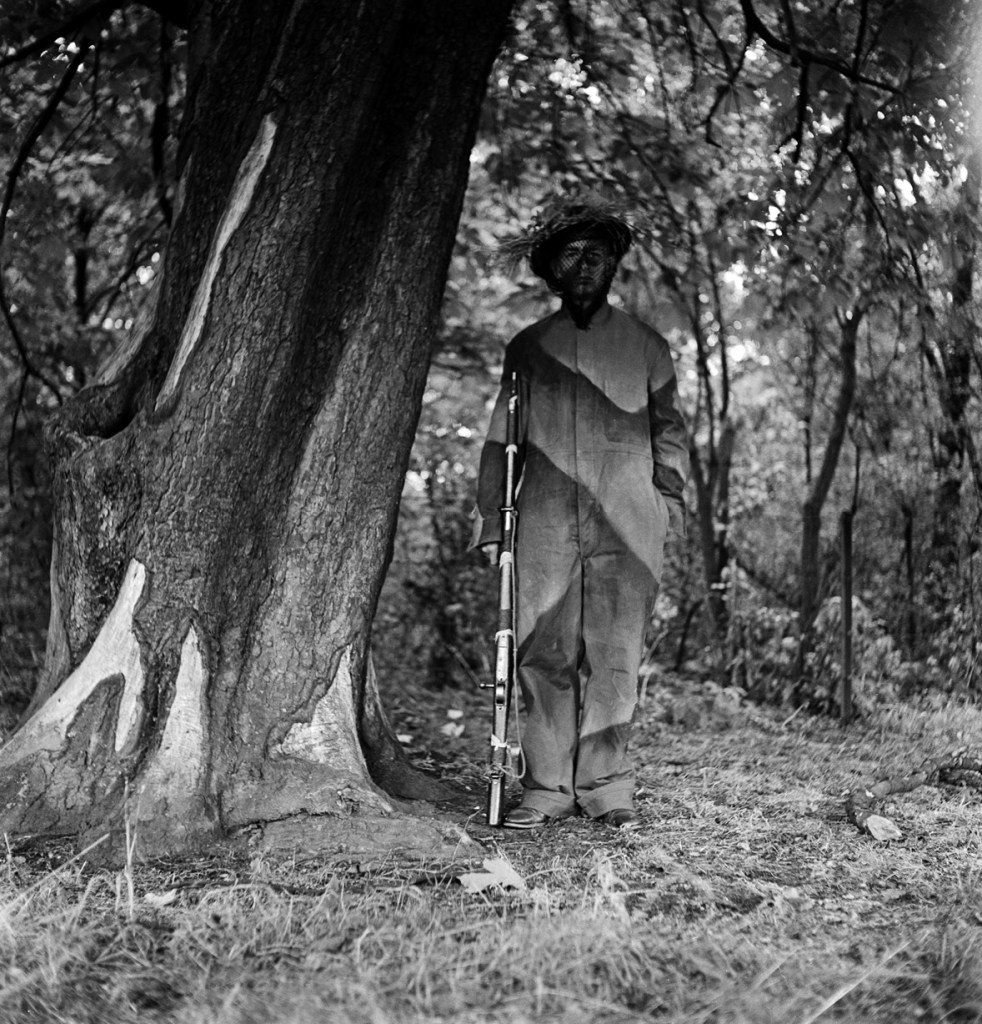
‘The tendency in warfare up to very recent times,’ wrote Roland Penrose in his 1941 book The Home Guard Manual of Camouflage, ‘has been to rely on sheer strength and even ostentation
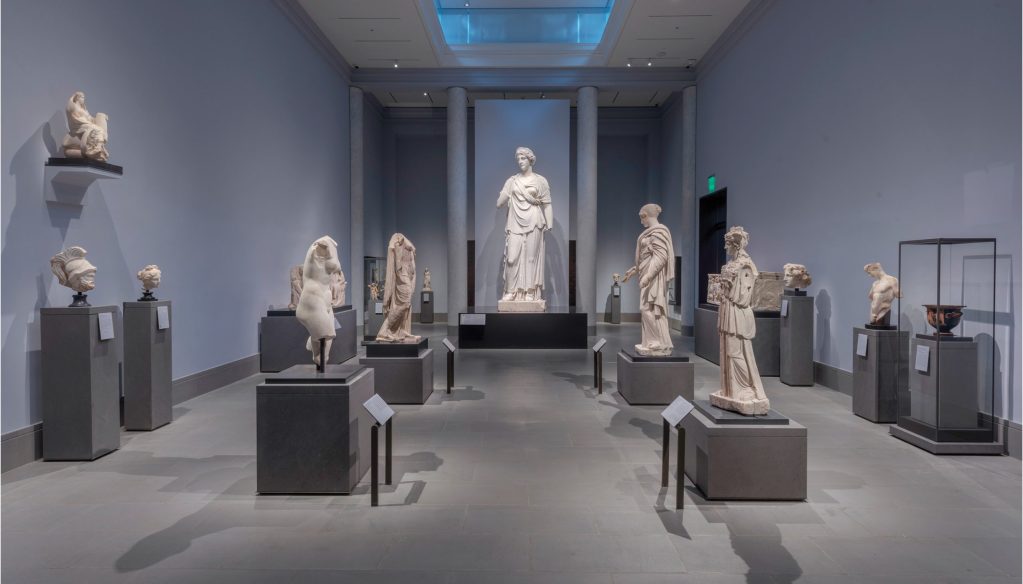
At the end of last year, the Museum of Fine Arts, Boston – the city known as ‘the Athens of America’ – opened a renovated suite of five galleries devoted to the art of Greece, Rome, and Byzantium. Lucia Marchini speaks to curators Christine Kondoleon, Laure Marest, and Phoebe Segal to find out about how they are using technology and even modern art to help visitors see ancient artefacts in a new light.
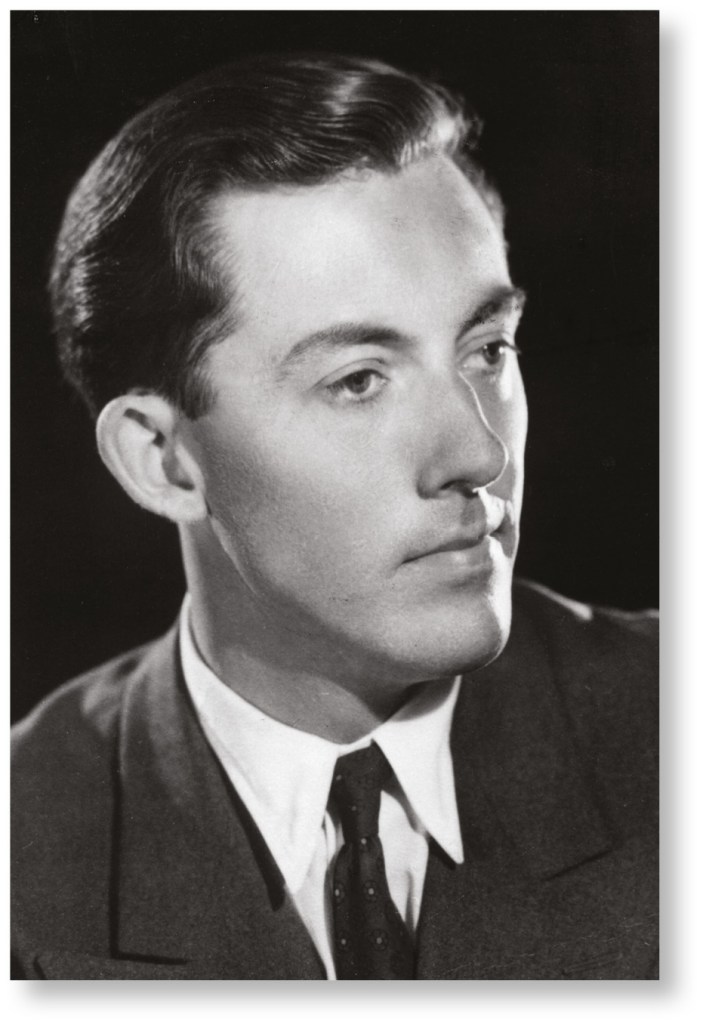
Michael Ventris’ decipherment of a mysterious ancient script, Minoan Linear B, was dubbed by The Times as ‘the Everest of Greek archaeology’…

Neil went on to propose using what R G Collingwood called ‘the historical imagination’ by blending data and interpretation to ‘tell the story’. He was convinced that this ‘must be done if archaeology is to be interesting and worthwhile’.
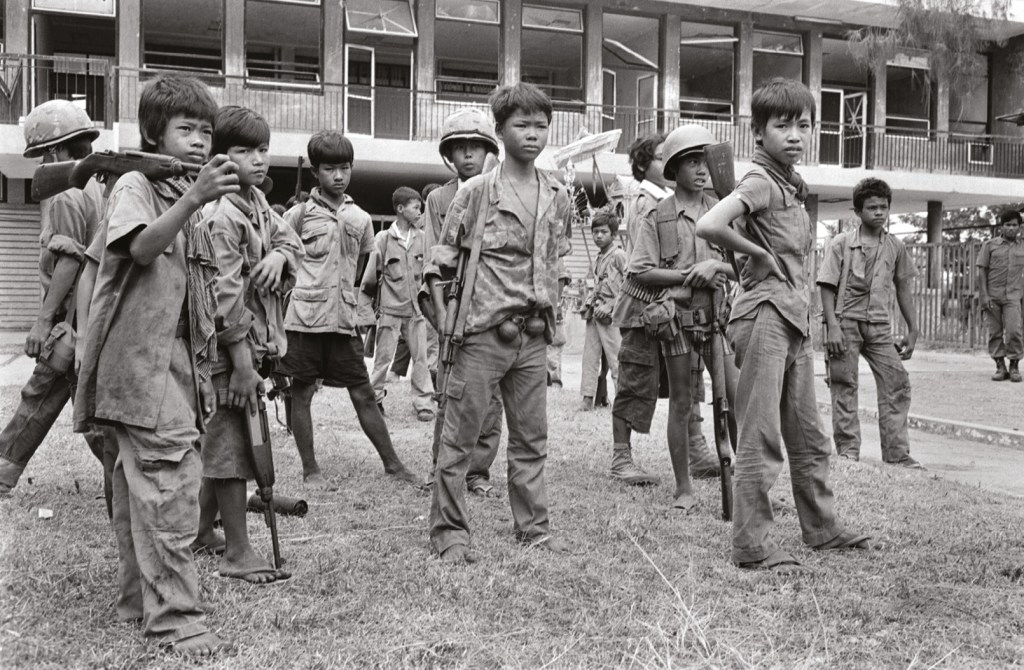
Calum Henderson explores the lives and works of war photographers Gerda Taro, Endre Friedmann, Françoise Demulder, Anja Niedringhaus, Lee Miller, and Catherine Leroy.

“The Dieulafoys were unconventional to the point of scorn: Jeanne routinely wore male clothes…”
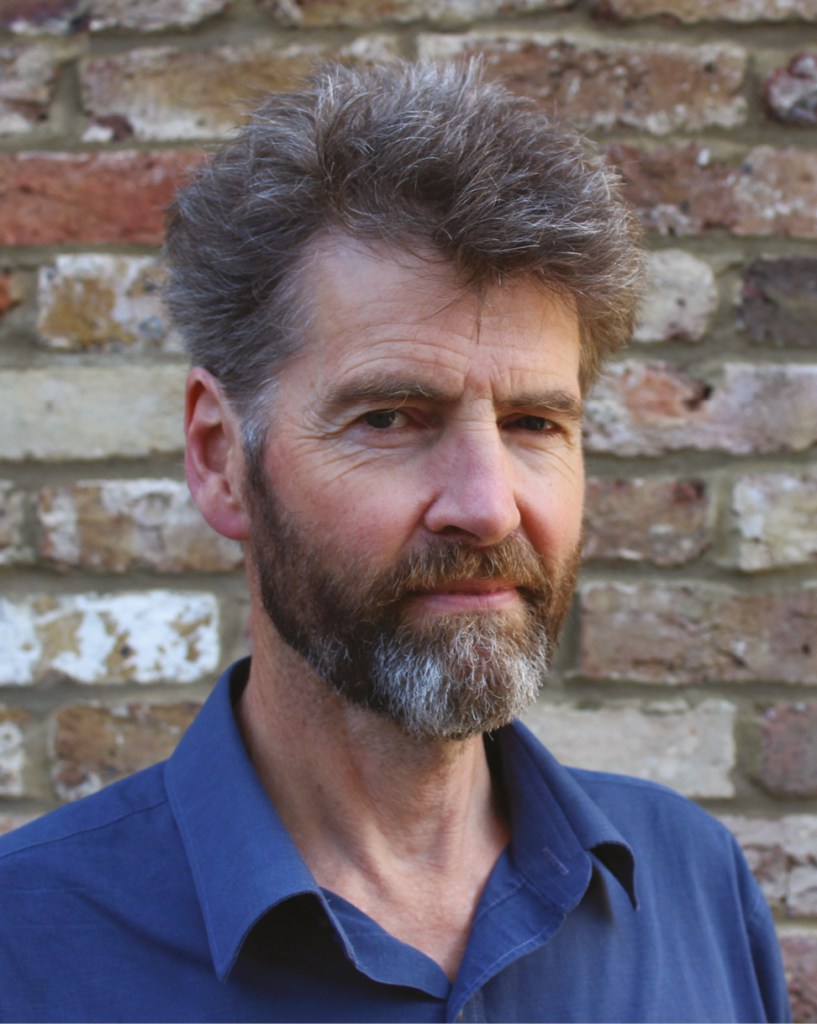
As all who worked with him here would agree, he was not just a man of extraordinary and wide-ranging intellectual and professional ability, but also a hugely generous, thoughtful, and kind collaborator and colleague…
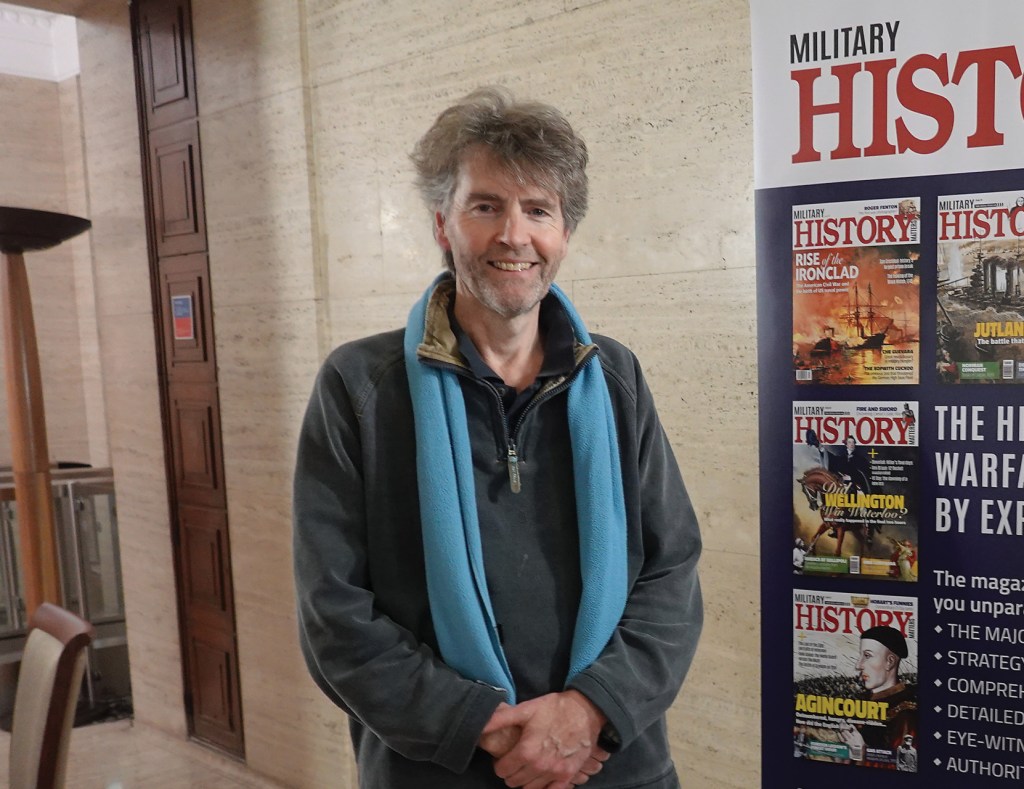

Neil was an interesting person, as he lived two lives. One was as an archaeologist, as a tour guide, excavator, and valued contributor to our magazines. But he also had another life, as a revolutionary Marxist…

In the 1930s, an admirer remembered Japanese antiquarian Ninagawa Noritane fondly as ‘simple-hearted and unpretentious. He was frugal and sometimes walked around wearing a lampshade hat woven with rush.’ He added, perhaps
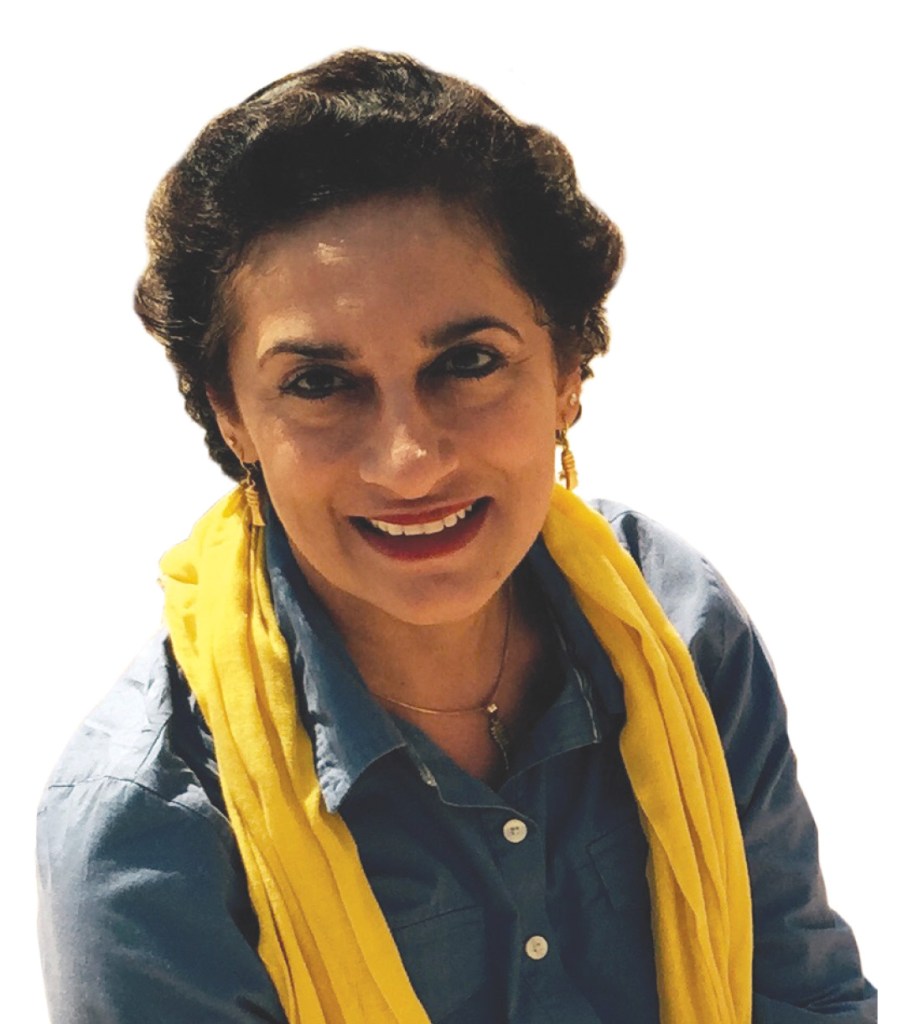
As shown by the excitement surrounding the discovery of Tutankhamun 100 years ago, mummies and Egyptian tombs have an impressive ability to capture our imagination. Richard Marranca speaks to Egyptologist Salima Ikram to find out more about these funerary finds, from early medicinal mummies to recent revelations at Saqqara.
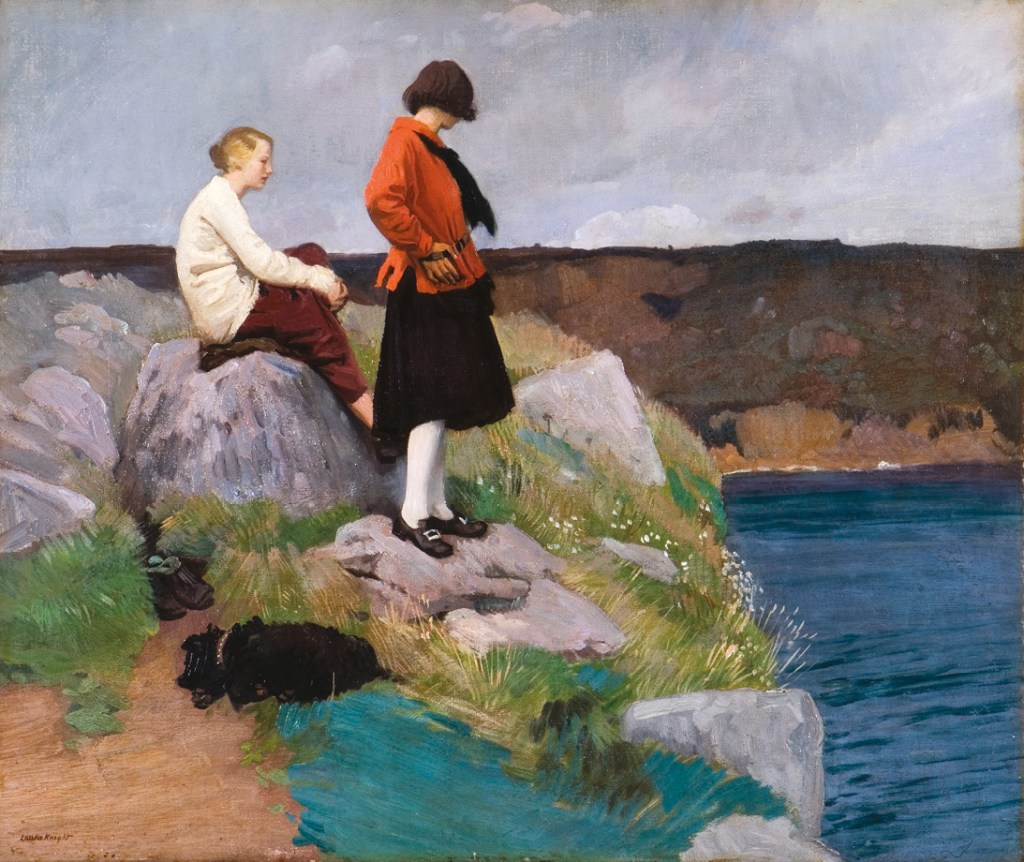
Laura Knight was blessed with some of the essential qualities of any great artist: a broadness of outlook and a fascination with the riches of ordinary life. A new exhibition of her

“Our present Hispanic-Peruvian civilisation cannot stand except on an indigenous pedestal.”
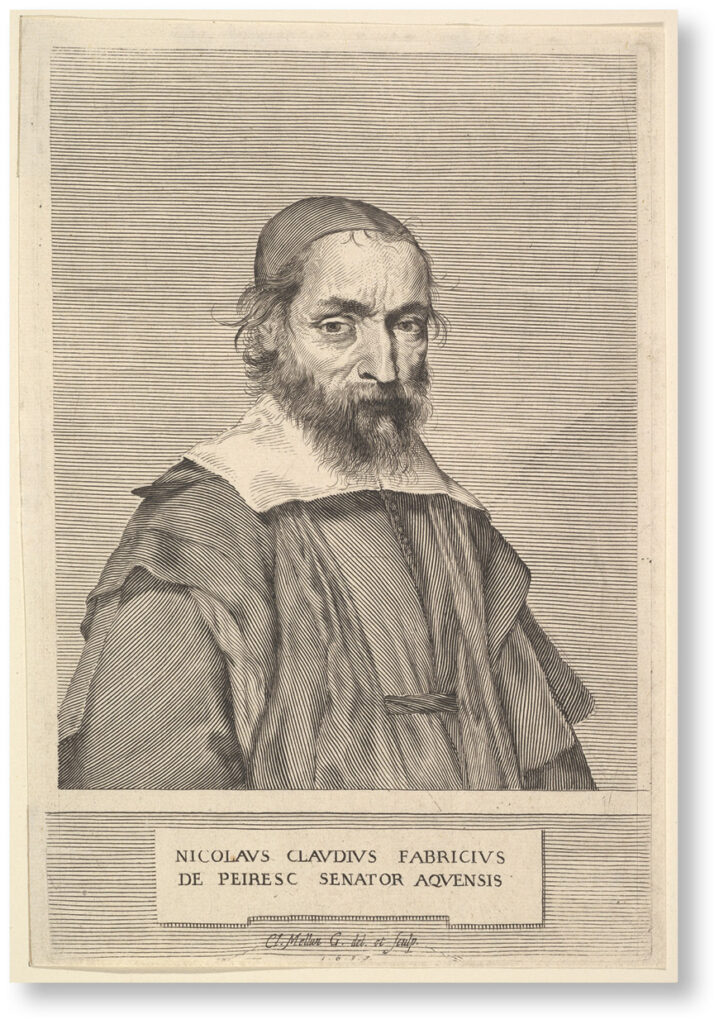
It is hard to disagree with the astronomers. They clearly felt that naming a single lunar crater after Nicolas-Claude Fabri de Peiresc in 1935 was insufficient and, in 1993, honoured him again,
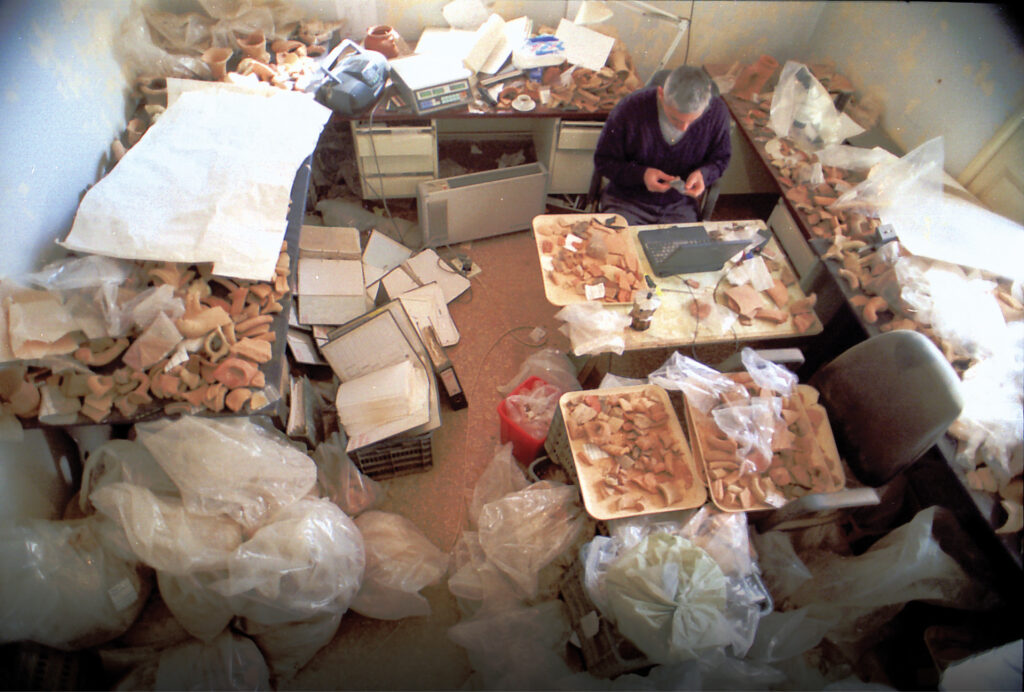

The astonishing thing about Paul is his photographic memory. I recall he once joined a Roman sherd from Butrint with a piece from the maritime villa at Diaporit, three miles away.


Central to Childe’s conception of history was the creative potential of hunters, farmers, craftworkers, engineers, and scientists, and the way in which elites wasted surpluses on wars, monuments, and luxuries