
Subscribe now for full access and no adverts
Archaeology has been ‘solved’!
(or, how we shed some light on dark earth…)
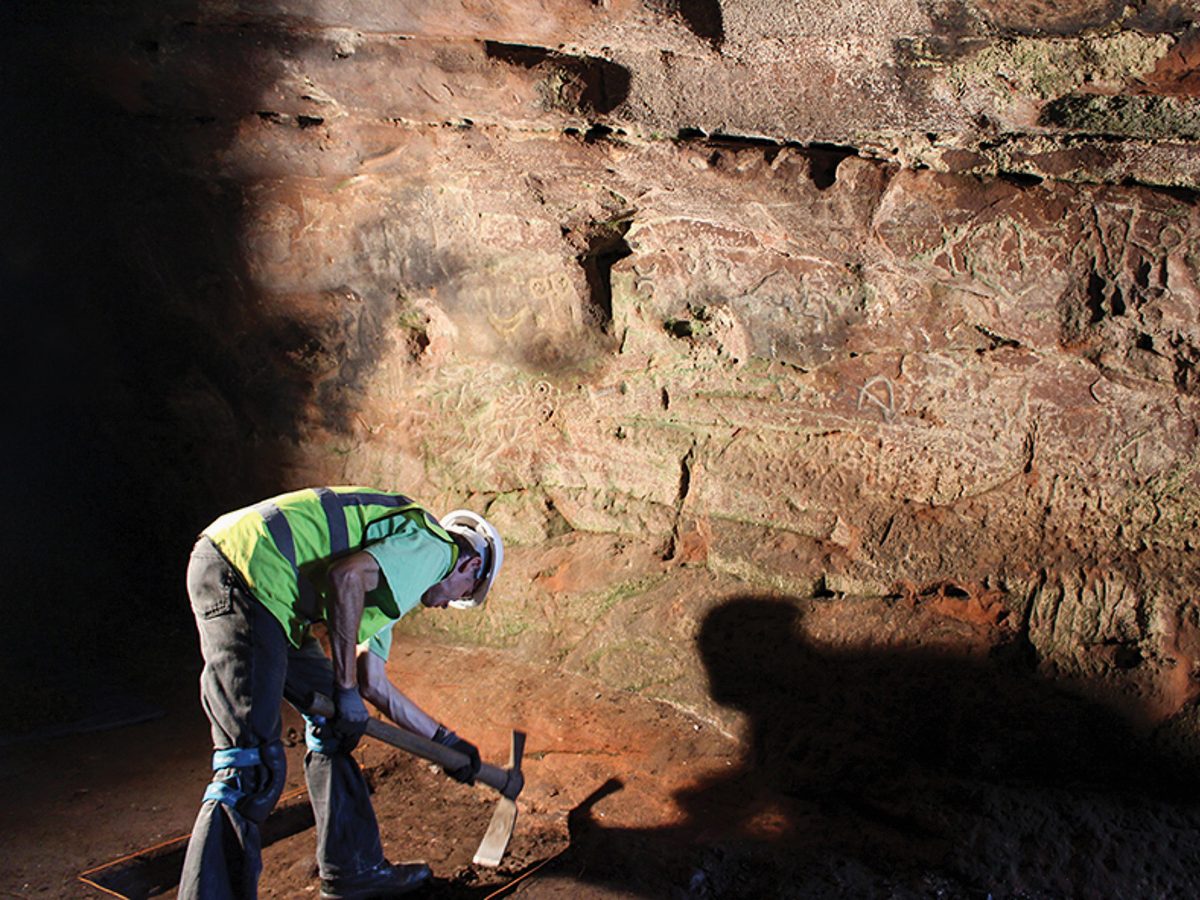
It was great to see Cotswold Archaeology’s research into the function of burnt mounds included in ‘Sherds’ (CA 435). Chris Catling suggested that we should now turn our detective skills to the problem of dark earths – the deep and enigmatic soils that seal Roman rubble layers in many former Roman towns and, indeed, some Roman rural sites, the latter often indicated by place-names such as Blacklands. Happily, we can share with readers that we have already investigated some of these deposits: excavations by Cotswold Archaeology at Greyfriars, Gloucester, within the walls of the former Roman fort and later colonia (civilian town), revealed these characteristically blackish soils sealing rubble layers belonging to former Roman houses. Careful excavation in spits, with monolith samples taken through each 100mm (4in) spit, suggested that the dark earths there derived from midden material. Pottery from the dark earths comprised a mixture of Roman, medieval, and post-medieval wares, the latter dating up to the mid to late 18th century, and the dark earths were largely homogenous throughout their depth, indicating that they had been extensively reworked throughout this span of time.
Overall, the findings suggest that dark earths – in Gloucester, at least – started to be deposited when Roman houses were at least partially standing, presumably with a view to creating cultivation soils, and were subsequently ploughed or dumped over the Roman levels, continuing to be reworked through agriculture or horticulture into the 18th century.
Jon Hart, Senior Publications Officer, Cotswold Archaeology
Oxfordshire parallels
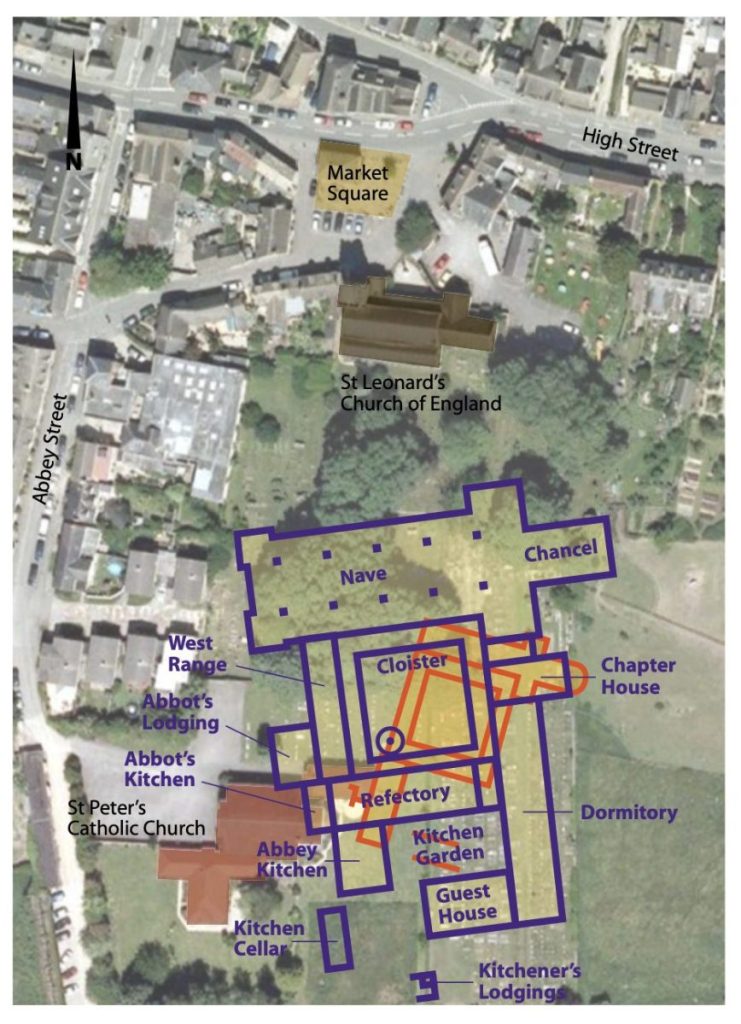
I was intrigued to note the option in your article about York (CA 437) suggesting that the 13th-century Chapter House might have been built over part of the original Anglo-Saxon minster. This is what archaeologists think happened at Eynsham in Oxfordshire, where the Chapter House seems to have been built over the site of the older sanctuary where Ælfric was buried. One of the archaeologists created a diagram (left) for Eynsham which shows this. Remains from the Abbey are on view in Eynsham Museum, open every weekend.
Martin Flatman, Eynsham
In praise of open access
I’ve been a subscriber to CA for over 20 years, and it’s been great to see the shift away from publications behind a paywall and towards Open Access and downloadable e-books. As a local of the Fens, I’ve particularly enjoyed reading the detailed reports on Must Farm and, more recently, the River Great Ouse project (CA 437).
Josie Gowler, Cambridge
Edible Archaeology
These fabulous cakes were served at the Museum of Chelmsford during the official opening of their new exhibition, Timeless Treasures: Unlocking the Great Baddow Coin Hoard (see here). They included an edible ‘stater’, and came with a plastic spade.
Carly Hilts, Editor of CA

CA ONLINE: What you shared with us this month
Oxbow Book @Oxbowbooks
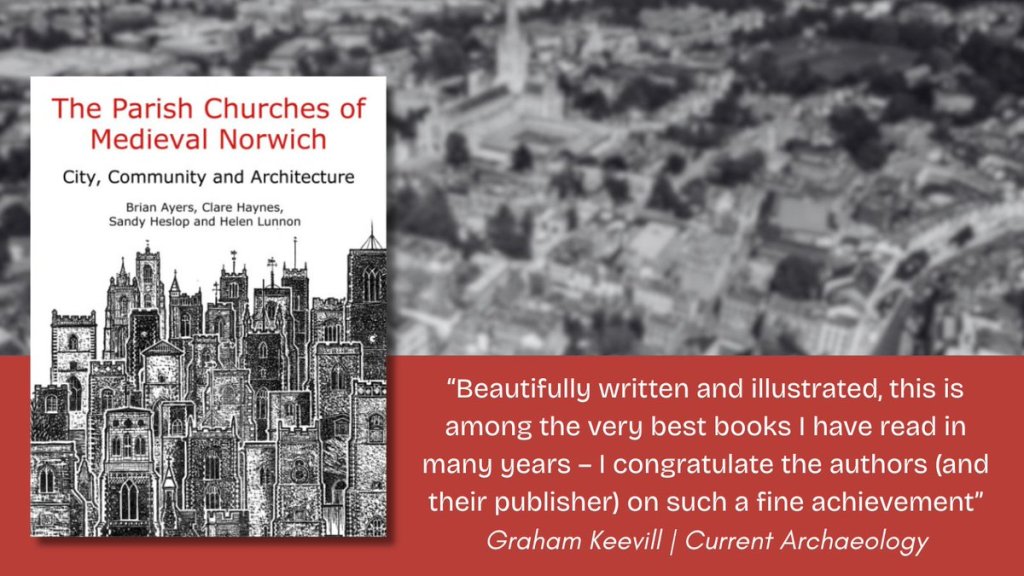
We’re having a marvellous #MedievalMonday thanks to this @CurrentArchaeo review of The Parish Churches of Medieval Norwich!
We asked: With the summer excavation season in full swing, we’re curious: what dig first got you hooked on archaeology? Share your story!
Dr Tom Horne @hornesupremacy.bsky.social
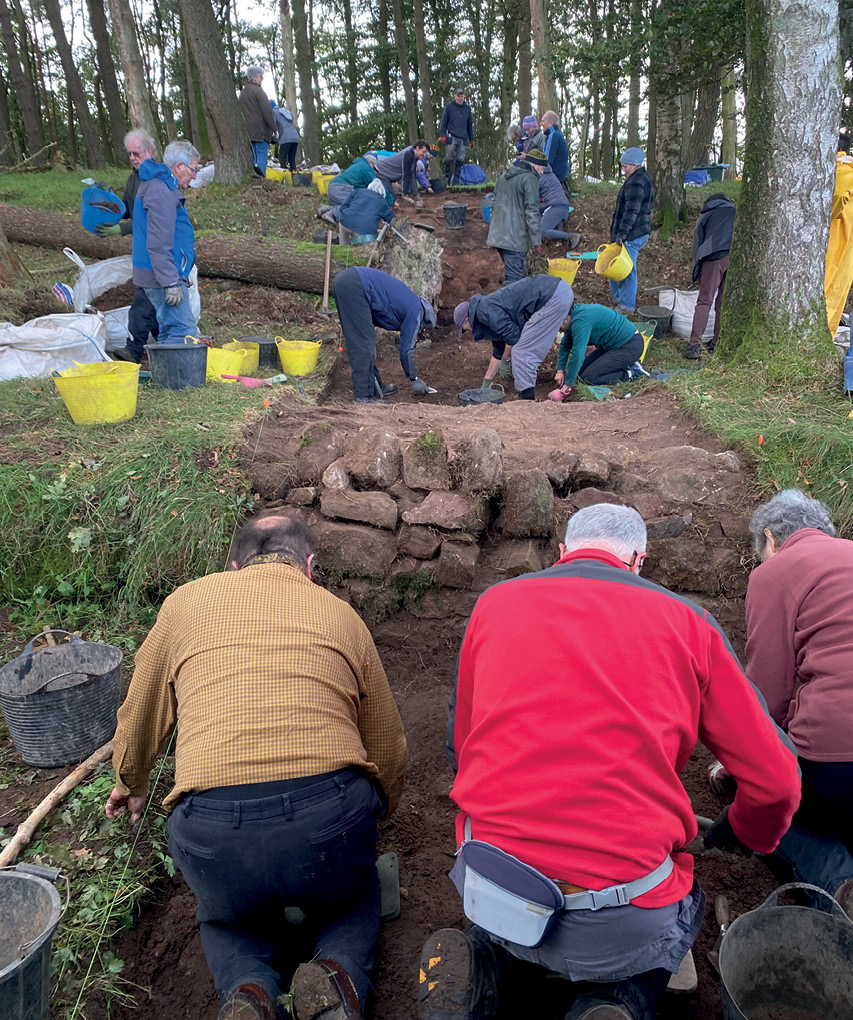
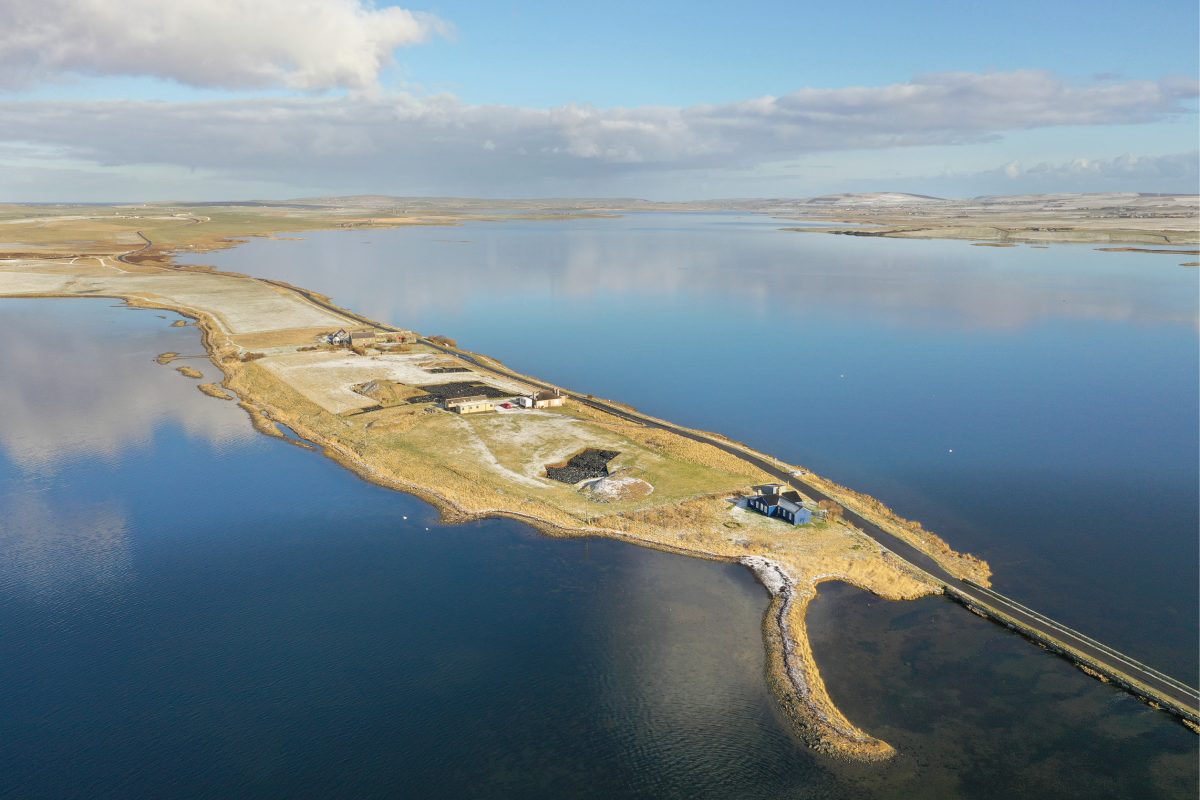
For me, it was my wonderful late father taking me to see THAT early medieval monastic dig at Portmahomack in the endless summer of 1996. 30 years later(!), and I still think back to peering over the churchyard wall at the excavations of the Pictish monastery.
Joe Flatman @joeflatman.bsky.social
Digging at Bucklers Hard in the New Forest with the Department of Archaeology @unisouthampton.bsky.social in the 1990s. Such happy (muddy!) memories in such a beautiful location. I’m delighted to see renewed fieldwork there this year: https://bhshipyardtrust.org.uk/projects/slipways-archaeology
Write to us at: CA Letters, Current Publishing, Office 120, 295 Chiswick High Road, London, W4 4HH, or by email to: letters@archaeology.co.uk
For publication: 300 words max; letters may be edited.