Minerva 199

Description

Highlights:

From the Editor:
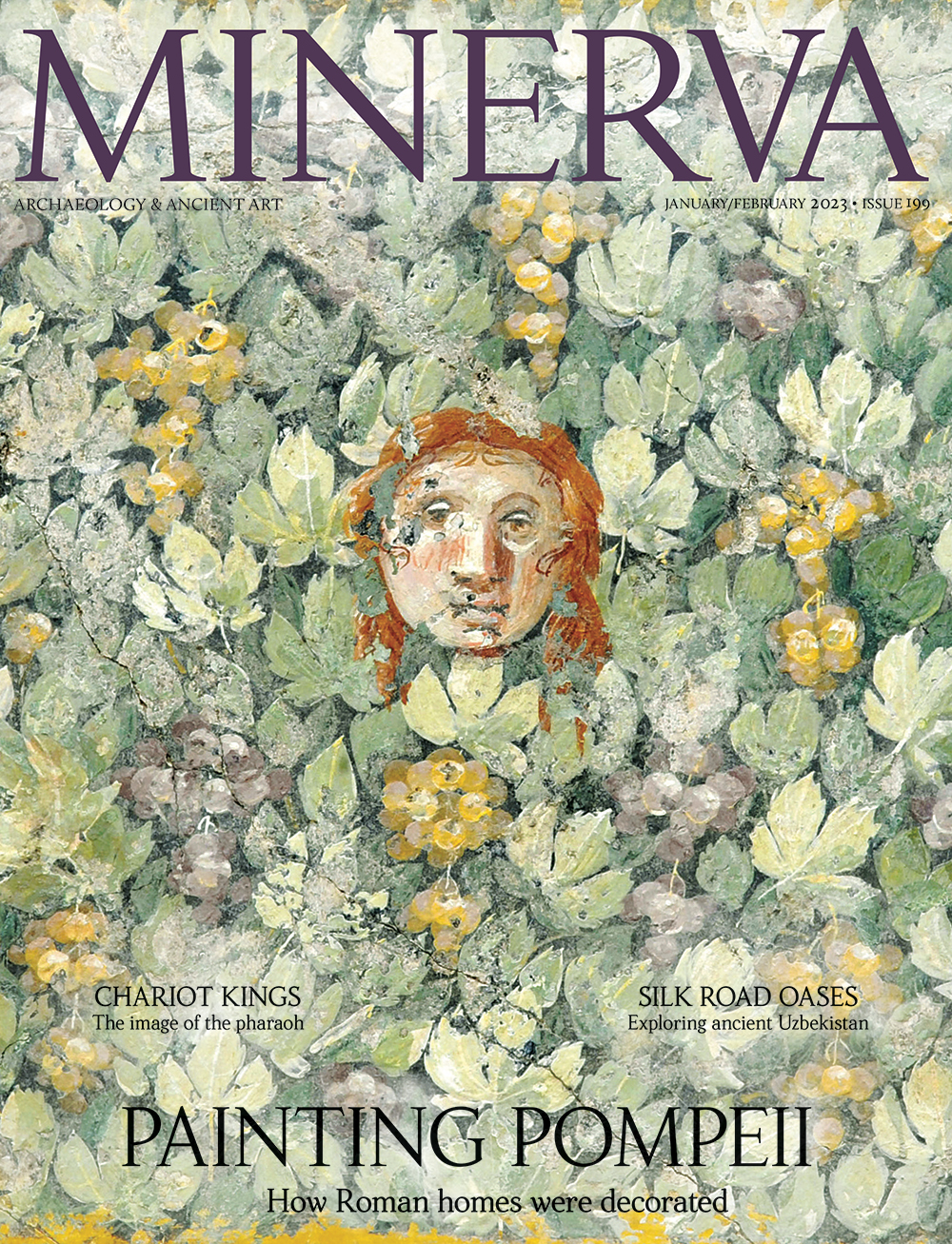
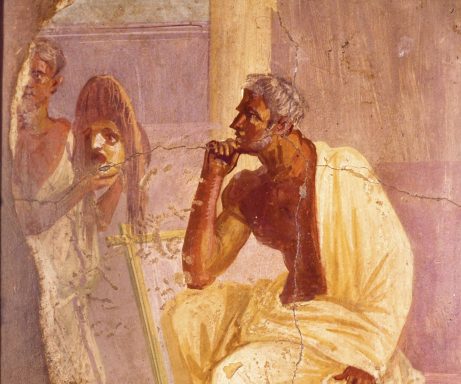
The eruption of Mount Vesuvius in AD 79 buried the Roman cities of Pompeii and Herculaneum and villas in the surrounding countryside, but the catastrophe also preserved many delicate frescoes that covered the walls of private and public buildings, which are still being unearthed today. As these ancient buildings were rediscovered from the 18th century, some fine frescoes were cut from the walls and transported to Bourbon palaces, where they were framed. Research into Roman painting continues to reveal details about how they were made and the workshops behind them, as Dalu Jones finds out.

One opulent red fresco from Boscoreale, near Pompeii, has been interpreted as an allegory of Alexander the Great’s conquest of Asia. The region of Bactria in Central Asia, covering parts of Afghanistan, Uzbekistan, and Tajikistan, was among the territories that fell to the Macedonian king. Hellenism in the wake of Alexander was just one of many cultural forces that shaped the ancient oasis cities there and in other parts of what is now Uzbekistan. Iranian, Indian, and Chinese culture all had an impact on these cities, as can be seen in some of the murals and sculpture on view in a new exhibition at the Louvre.

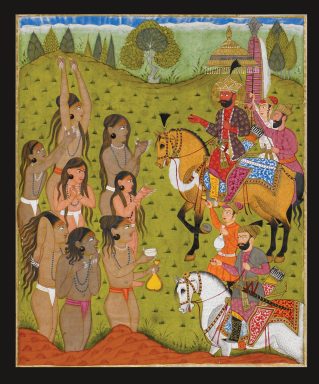
The legacy of Alexander in the East is the subject of our next feature, in which Ursula Sims-Williams guides us through the sumptuous manuscripts that reveal different attitudes towards the ancient conqueror. For some, he was an accursed figure who eliminated Zoroastrianism from Iran, while for others he was a philosopher-king devoted to the quest of knowledge, particularly concerning the origins of creation.

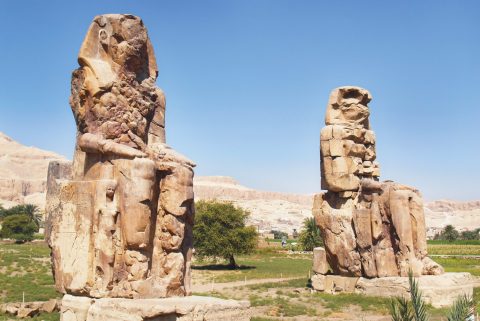
Egyptian art also shows the influence of other cultures, especially with the introduction of the horse-drawn chariot from the Hyksos under the first pharaoh of the 18th Dynasty, Ahmose I. The chariot-riding pharaoh was a frequent image of power, as was the image of the warrior king defeating foes, which endured even into the Roman period in Egypt, as Guy de la Bédoyère writes.

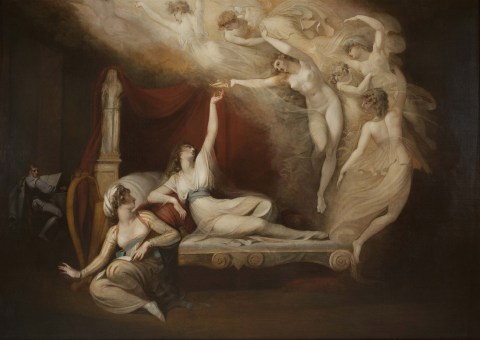
Finally, we explore the work of Henry Fuseli, who brought a flair for the dramatic to his paintings of myths and his drawings of his fantastically coiffured wife.


Cover Date: Jan / Feb 2023, Volume 34 Issue 1
Cover Story

Painting Pompeii Richly painted frescoes enlivened the often dark and claustrophobic rooms of Roman houses. How was this interior world of colour created? Dalu Jones celebrates the triumph of Pompeii and Herculaneum’s…

Features

Alexander the Great in Persia and beyond Alexander the Great’s ambitions of conquest took him far from his Macedonian home and into Asia and Babylon, where he…
Shock and awe: the imaginative work of Henry Fuseli The drawings and paintings of Romantic-era artist Henry Fuseli showcase his fascination with fantasy, expression, and elaborate hairstyles. Lucia Marchini…
Chariot kings: the image of the pharaohs From Ahmose I to Horemheb, the depiction of kings in Egypt’s 18th Dynasty was a tale of tradition and innovation.…
Caravan kings: exploring ancient Uzbekistan Sculptures of kings and princes and murals of delegations of ambassadors paint a detailed picture of the wealth, influences, and…

Comment

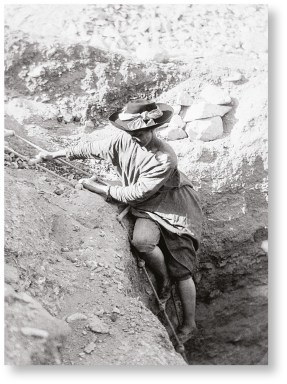
Hilda Petrie (1871-1956) Having learnt Arabic, Hilda would hire and pay their workers. She slept in a hut at Tarkhan with 80 skulls…
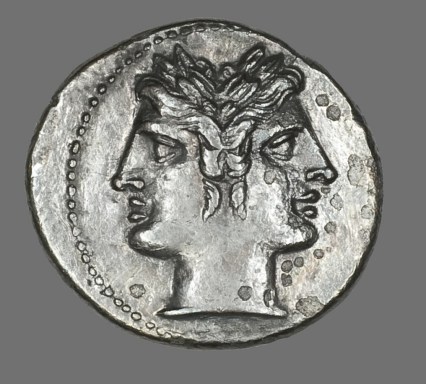
Janus: two-faced god of beginnings As we enter a new year, many of us find ourselves both reflecting on the past and making plans for…

News

Views

On show: exhibitions from around the world in 2023 The dates listed below may have changed since we went to print. Check the websites of the museums for the…
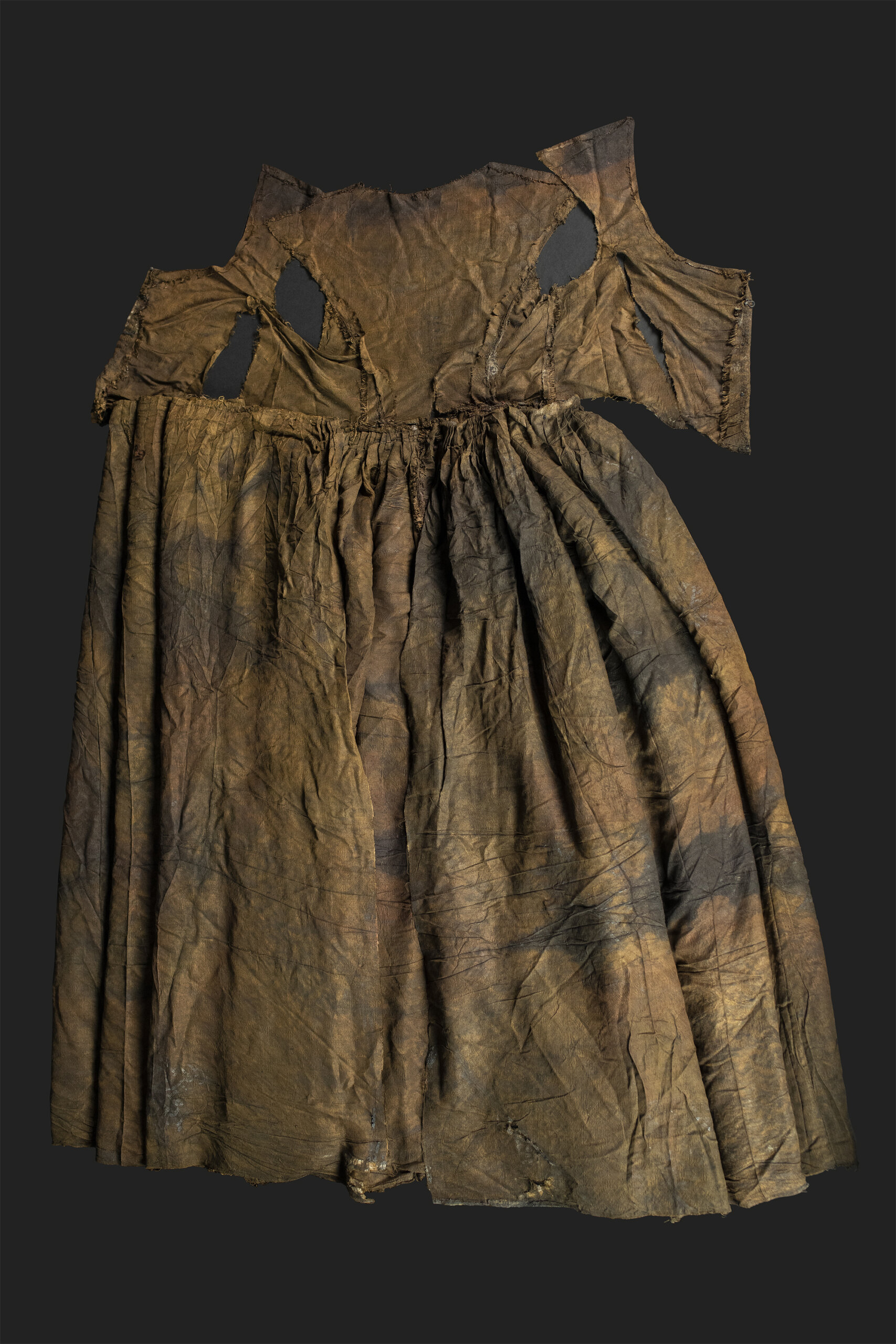
17th-century silk dress from the Palmwood Wreck goes on display in the Netherlands The garment comes from the Palmwood Wreck, which was discovered in 2014 off the Texel coastline.
Santa Costanza, c.1710-1730 Among the early Christian catacombs in northern Rome, beyond the walls of the ancient city, are those of the Sant’Agnese…
Hilda Petrie (1871-1956) Having learnt Arabic, Hilda would hire and pay their workers. She slept in a hut at Tarkhan with 80 skulls…
Janus: two-faced god of beginnings As we enter a new year, many of us find ourselves both reflecting on the past and making plans for…

Reviews

Underworld: Imagining The Afterlife In Ancient South Italian Vase Painting Review by David Stuttard On an Apulian funerary vase, a fair-haired young man sits clutching a spear in his left…
Flying Snakes and Griffin Claws and Other Classical Myths, Historical Oddities, and Scientific Curiosities Review by Diana Bentley Years of research as a folklorist and historian have enabled Adrienne Mayor, research scholar in classics…
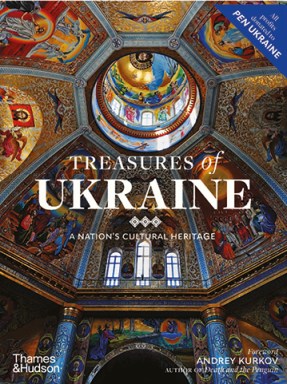
Treasures of Ukraine: A Nation’s Cultural Heritage Review by Lucia Marchini As well as death and displacement, conflict brings with it a threat to cultural heritage. Nearly…

By Country

Popular
UK • Italy • Greece • Egypt • Turkey • France

Africa
Botswana • Egypt • Ethiopia • Ghana • Kenya • Libya • Madagascar • Mali • Morocco • Namibia • Somalia • South Africa • Sudan • Tanzania • Tunisia • Zimbabwe

Asia
Iran • Iraq • Israel • Japan • Java • Jordan • Kazakhstan • Kodiak Island • Korea • Kyrgyzstan •
Laos • Lebanon • Malaysia • Mongolia • Oman • Pakistan • Qatar • Russia • Papua New Guinea • Saudi Arabia • Singapore • South Korea • Sumatra • Syria • Thailand • Turkmenistan • UAE • Uzbekistan • Vanuatu • Vietnam • Yemen

Australasia
Australia • Fiji • Micronesia • Polynesia • Tasmania

Europe
Albania • Andorra • Austria • Bulgaria • Croatia • Cyprus • Czech Republic • Denmark • England • Estonia • Finland • France • Germany • Gibraltar • Greece • Holland • Hungary • Iceland • Ireland • Italy • Malta • Norway • Poland • Portugal • Romania • Scotland • Serbia • Slovakia • Slovenia • Spain • Sweden • Switzerland • Turkey • Sicily • UK

South America
Argentina • Belize • Brazil • Chile • Colombia • Easter Island • Mexico • Peru

North America
Canada • Caribbean • Carriacou • Dominican Republic • Greenland • Guatemala • Honduras • USA