Minerva 195

Description

Highlights:

From the Editor:
Around AD 1400, during a period of lengthy droughts, a remarkable event took place at Spiro in Oklahoma. People at the Mississippian ceremonial centre had dug into one of its mounds, moved their ancestors’ burials, and built within the mound a hollow chamber, where they then placed an elaborate array of riches in wood, shell, copper, textiles, feathers, stone, and rock crystal. Among them was the stunning antlered-mask that adorns our cover. This object and some of the other finds from the site have been reunited for a touring exhibition that is now at its final stop, the Dallas Museum of Art, but why were they all sealed away inside a mound 600 years ago?

Spiro was clearly important to Mississippian society, and other cities had been sending objects there for centuries. In a similar vein, Olympia had a central role in the ancient Greek world. It was the home of the famous panhellenic games, drawing Greeks from all over, but also of a range of monuments – sculptures and buildings set up by athletes victorious in the games, and by city-states and kings victorious in conflict and conquest. David Stuttard explores the changing faces of the site, and the lasting legacy of one of its most famous faces in antiquity: that of Zeus, as sculpted by Phidias.

Next, we turn to the spectacular early Islamic mosaics of an Umayyad desert castleoutside Jericho, known as Hisham’s Palace. As Marie-Louise Winbladh writes, the mosaics, recently restored and now open to the public, suited the lavish lifestyle of their patron – not Caliph Hisham, but his wine-drinking, poetry-penning nephew and successor al-Walid.

Like the Umayyad palace, which drew on early Greek, Roman, and Persian design traditions, the intriguing Museo Barracco in Rome draws from ancient art of different cultures. Once the private collection of Baron Giovanni Barracco, this mix of Roman, Greek, Egyptian, Cypriot, Palmyrene, and Mesopotamian sculpture was presented to the city of Rome 120 years ago. Dalu Jones takes us on a journey through this little-known collection.

A little more than a decade after the Baron’s gift to Rome, the First World War broke out. While the practice of trench art – turning objects relating to war into pieces of art – dates back to antiquity, the many examples from the First World War carry particularly powerful stories of personal experiences of conflict, as Nicholas J Saunders writes.

Finally, we take a look at a small selection of the exquisite and delicate drawings architect Sir John Soane collected for his London home, museum, and studio, as part of his vision to educate and inspire his pupils and the architects of the future.


Cover Date: May / Jun 2022, Volume 33 Issue 3

Cover Story

Spiro: renewing the world Vast quantities of artefacts were found in a mound in Oklahoma in the 1930s. Together they tell an intriguing story of ritual and cosmic renewal. As an exhibition reuniting some…

Features

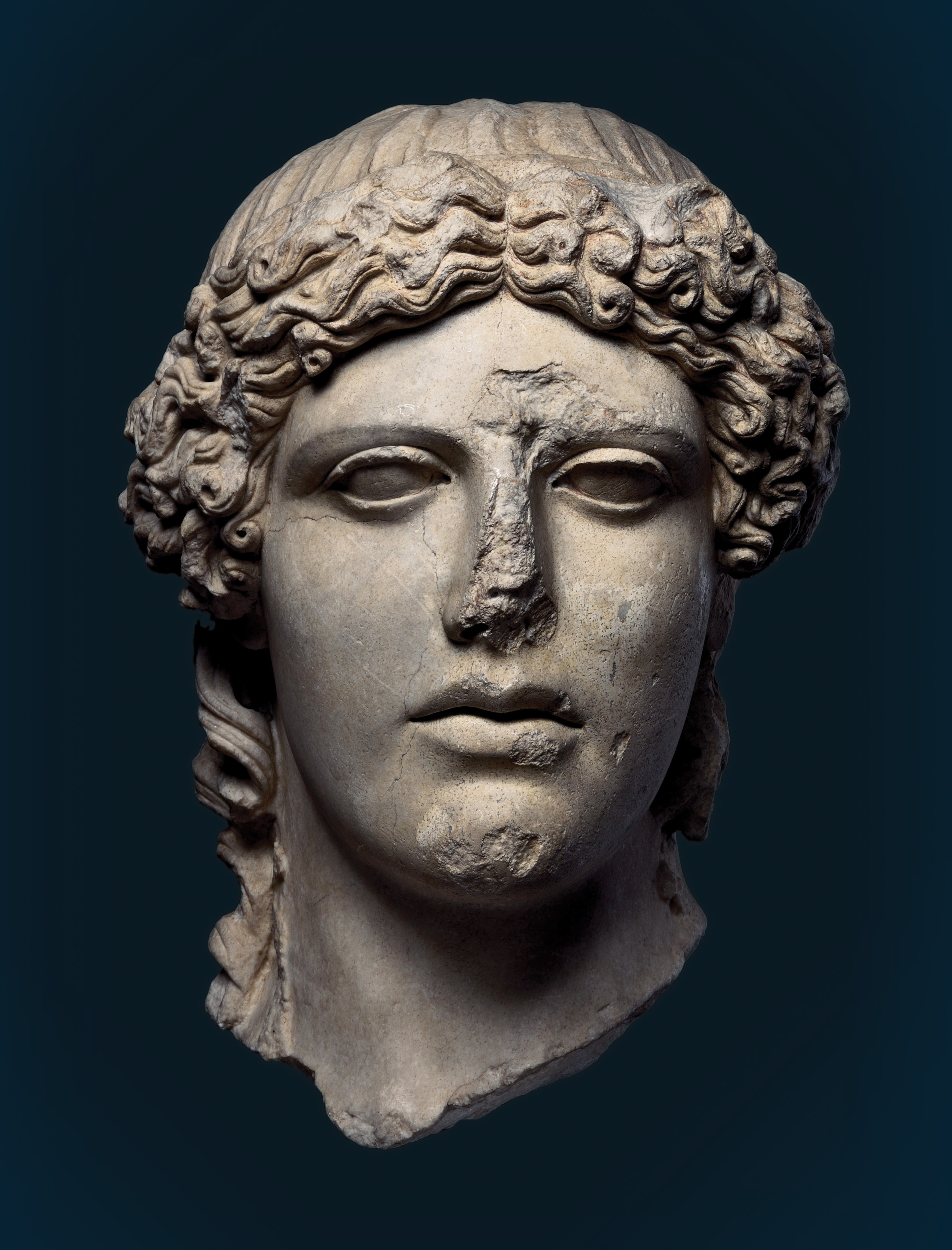
The Changing Faces of Olympia One of the most celebrated works of ancient Greek sculpture, Phidias’ statue of Zeus, was once housed in a temple…
The Palace in the Desert Last year, the restored mosaics of the lavish audience hall and bathhouse of Hisham’s Palace near Jericho were opened to…
Paper worlds and hidden masterpieces A small selection of the thousands of drawings compiled by Regency architect Sir John Soane have gone on display in…
Museo Barracco: a head for sculpture Having brought together ancient Roman, Greek, Egyptian, and Mesopotamian artefacts to create a museum of comparative sculpture, Baron Giovanni Barracco…
Trench Art: the Art of War From buttons to artillery shells, a range of items from battlefields have been transformed – often by soldiers – into…

Comment

News

Views

Paper worlds and hidden masterpieces A small selection of the thousands of drawings compiled by Regency architect Sir John Soane have gone on display in…
Museo Barracco: a head for sculpture Having brought together ancient Roman, Greek, Egyptian, and Mesopotamian artefacts to create a museum of comparative sculpture, Baron Giovanni Barracco…
Persepolis, 1935 Persepolis paintings perfectly glorious’ was the verdict Prentice Duell cabled from Egypt to James Henry Breasted, founder of the Oriental…
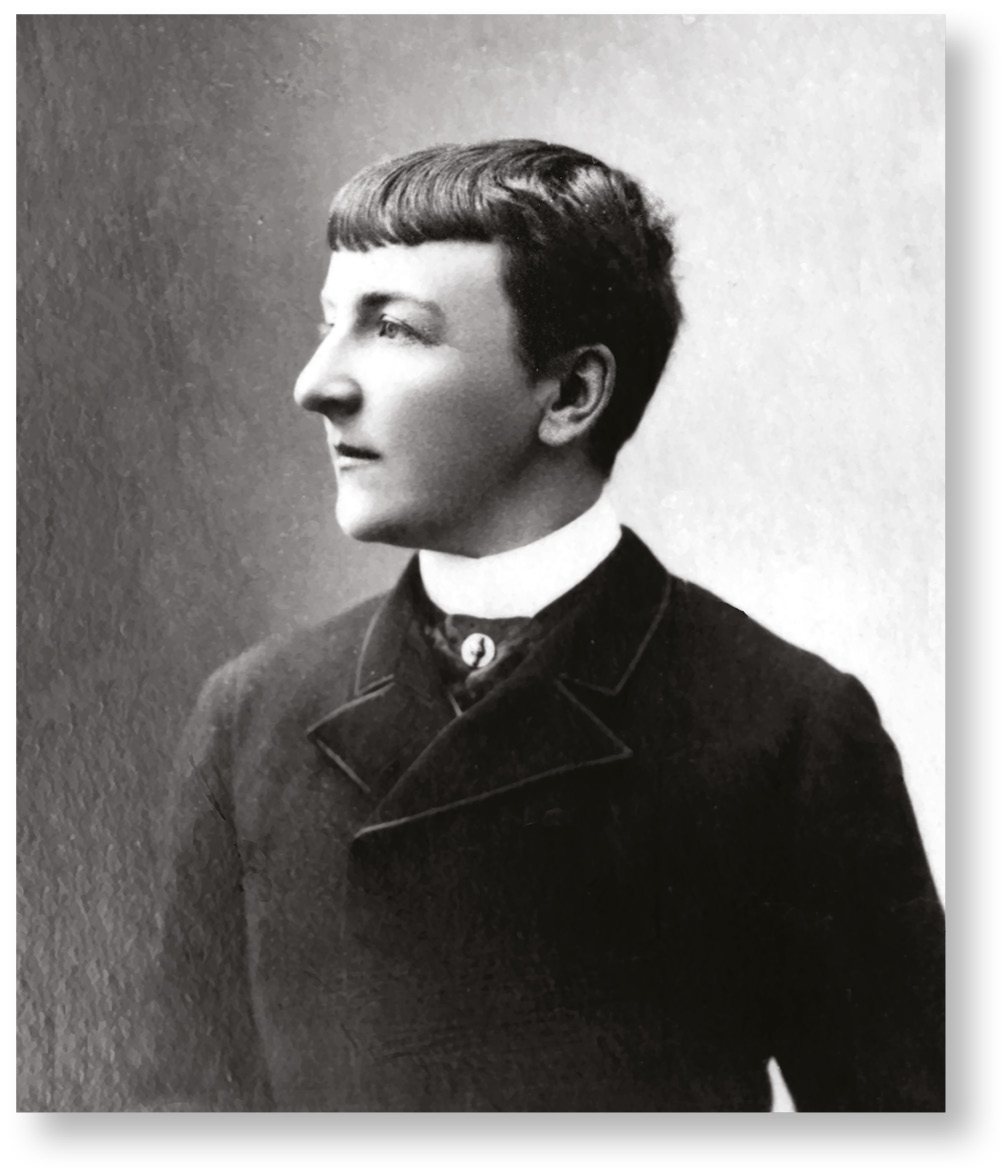
Jeanne Dieulafoy (1851-1916) “The Dieulafoys were unconventional to the point of scorn: Jeanne routinely wore male clothes…”
On show in 2022: exhibitions from around the world The dates listed below may have changed since we went to print. Check the websites of the museums for the…

Reviews

The Idea of Marathon: Battle and Culture Review by David Stuttard. On an August morning just over two and a half millennia ago in 490 BC, a…
H of H Playbook Review by Lucia Marchini. The myth of Heracles, his heroic strength and ability to meet seemingly insurmountable challenges, has proven…
The Greatest Invention: A History of the World in Nine Mysterious Scripts Review by Andrew Robinson. All academics would presumably regard writing as one of the world’s great inventions, perhaps even the…

By Country

Popular
UKItalyGreeceEgyptTurkeyFrance

Africa
BotswanaEgyptEthiopiaGhanaKenyaLibyaMadagascarMaliMoroccoNamibiaSomaliaSouth AfricaSudanTanzaniaTunisiaZimbabwe

Asia
IranIraqIsraelJapanJavaJordanKazakhstanKodiak IslandKoreaKyrgyzstan
LaosLebanonMalaysiaMongoliaOmanPakistanQatarRussiaPapua New GuineaSaudi ArabiaSingaporeSouth KoreaSumatraSyriaThailandTurkmenistanUAEUzbekistanVanuatuVietnamYemen

Australasia
AustraliaFijiMicronesiaPolynesiaTasmania

Europe
AlbaniaAndorraAustriaBulgariaCroatiaCyprusCzech RepublicDenmarkEnglandEstoniaFinlandFranceGermanyGibraltarGreeceHollandHungaryIcelandIrelandItalyMaltaNorwayPolandPortugalRomaniaScotlandSerbiaSlovakiaSloveniaSpainSwedenSwitzerlandTurkeySicilyUK

South America
ArgentinaBelizeBrazilChileColombiaEaster IslandMexicoPeru

North America
CanadaCaribbeanCarriacouDominican RepublicGreenlandGuatemalaHondurasUSA