Minerva 192

Description

Highlights:

From the Editor:
In 2018, archaeologists discovered the intact burial of a teenage archer of the Saka people in eastern Kazakhstan. Buried with him were golden weapon-cases and ornaments with dynamic depictions of animals, among them the spectacular stag on our cover. They left behind no histories of themselves, so these remarkable finds – and those from other elite Saka burial mounds – provide valuable insights into their world. As the discoveries go on view in a new exhibition in Cambridge, its curators Rebecca Roberts and Saltanat Amir explore what Saka art, much of it in the pan-Scythian animal style, can tell us about these Iron Age people of the Eurasian steppe.

For our next feature, we turn to one of my favourite artists: Peter Paul Rubens. His familiarity with ancient sources enabled him to produce large dramatic canvases of unusual mythological scenes, a way of showing off his erudition, which was something he also did in his many letters. We speak to Anne Woollett to find out more about his involvement in antiquarian activities in 17th-century Europe, and the ways in which he brought the ancient world to life.

While the invasion of England by the Viking Great Army in the 9th century AD had dramatic repercussions – leading to the growth of towns and industry, and to seismic shifts in power politics – contemporary sources tell us little about it. Recent archaeological finds are filling in the gaps, revealing the scale of the Great Army at its various camps and their impact, as Dawn M Hadley and Julian D Richards write.

In Rome, the Mausoleum of Augustus has reopened to visitors. Though it was built as an impressive tomb for Rome’s first emperor, it has also seen life as a quarry, a hanging garden, and even an amphitheatre. Dalu Jones explores 20th- and 21st-century efforts to revitalise Augustus’ tomb.

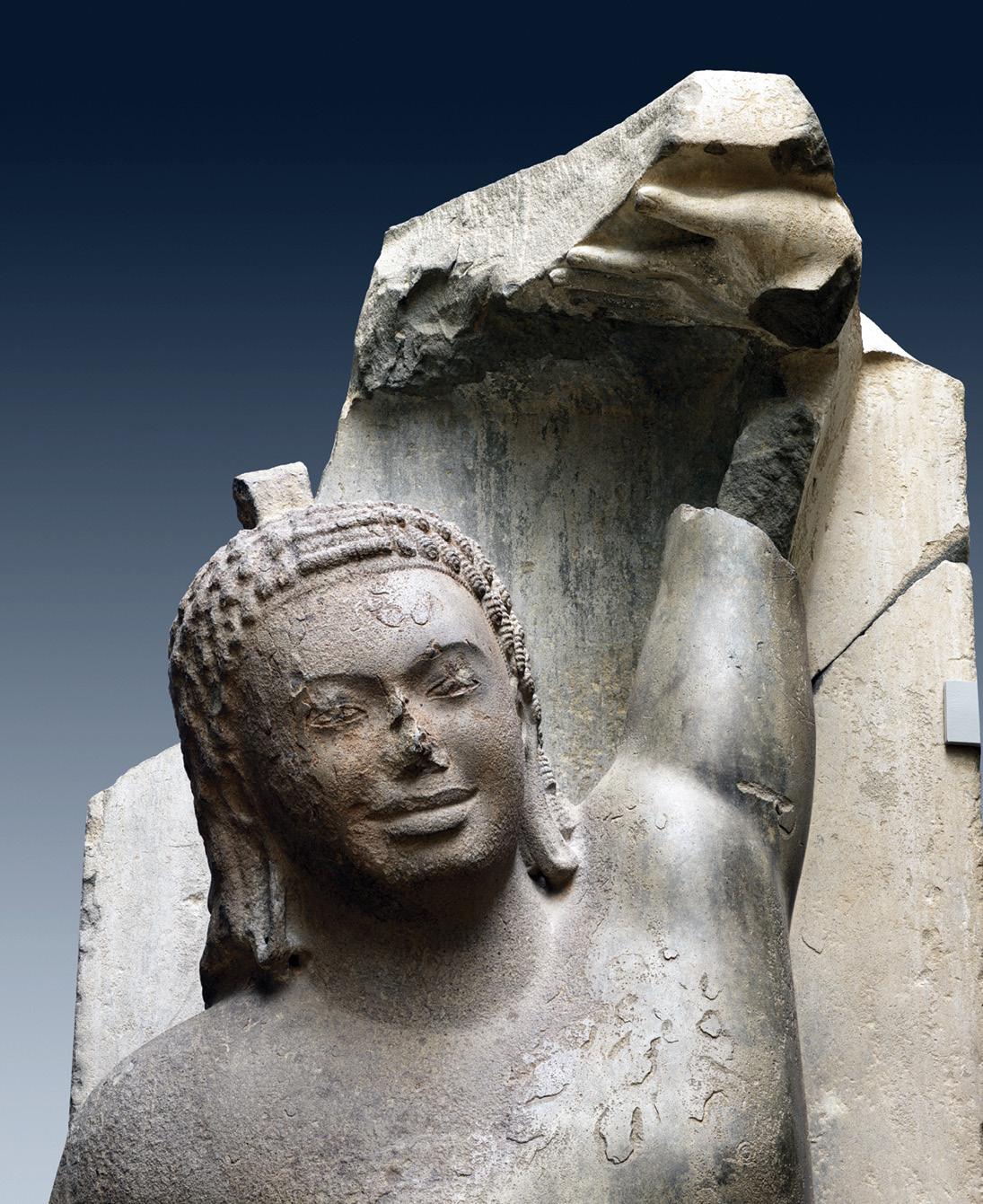
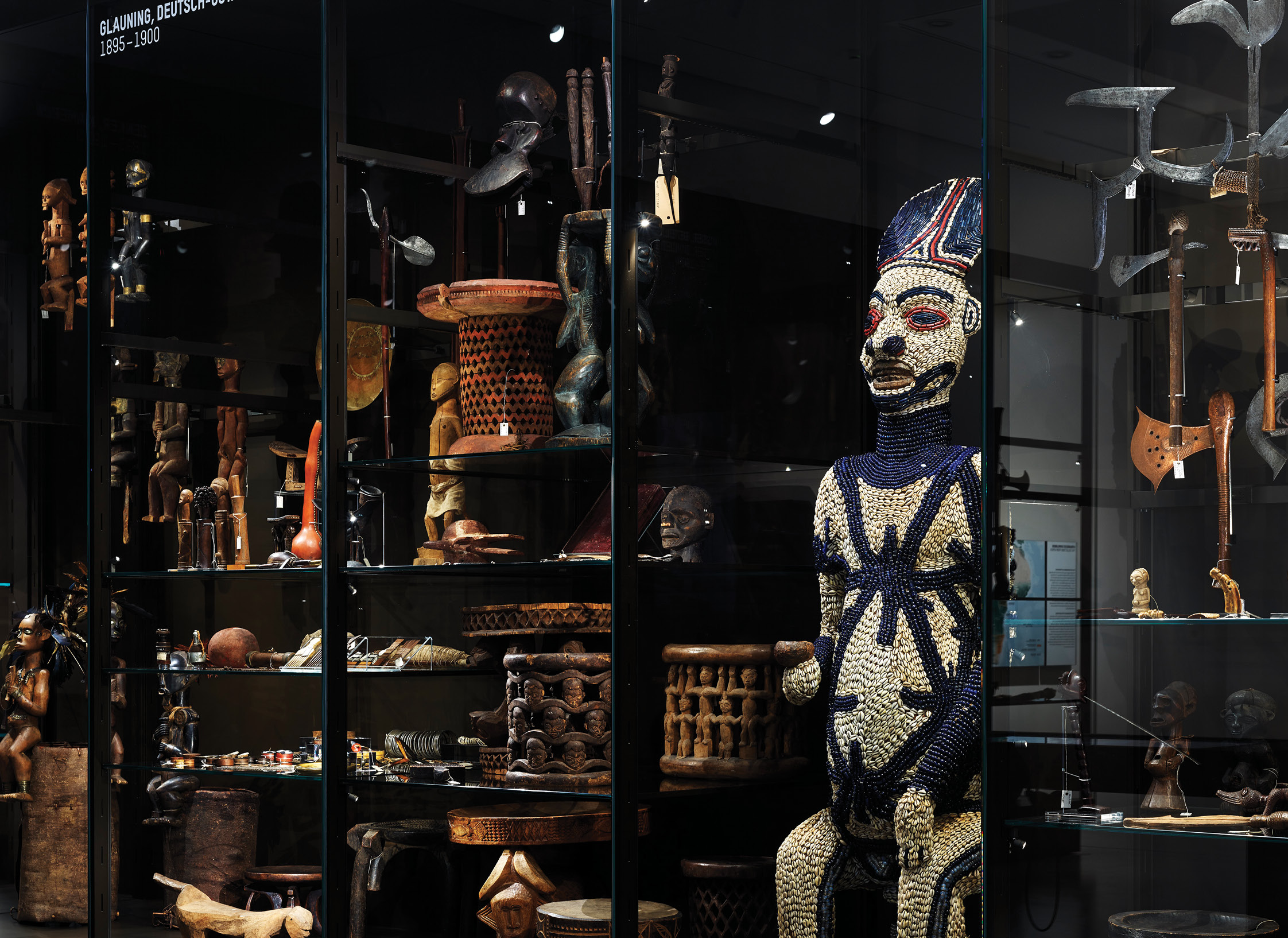
Another site that has had a long history of reuse is the plot of land that Berlin’s new cultural complex, the Humboldt Forum, sits on. For our final feature, we speak to Alfred Hagemann to learn about the medieval monastery, Baroque palace, and East German cultural and political centre that stood on this central site – before taking a look at some of the displays at the newly opened museums in the rebuilt palace.


Cover Date: Nov / Dec 2021, Volume 32 Issue 6

Cover Story

Kazakhstan’s golden burials The Greek historian Herodotus tells us that among the Scythians, the nomads of the Eurasian steppe, there was a group of ‘gold-guarding Griffins’. Were these people the Saka, whose elite…

Features

The Viking Great Army In AD 865, a Viking army landed in eastern England. For more than a decade, it raided across the country,…
The Triumph of Rubens One of the most accomplished painters of the 17th century, Peter Paul Rubens had a deep interest in the ancient…
Honouring Augustus After centuries of reuse and years of closure, the Mausoleum of Augustus is now open to visitors. Dalu Jones examines…
The Humboldt Forum: under one roof Over the course of this article, we take a look at a small selection of works on display in the…
Berlin’s Humboldt Forum: building power Berlin’s ambitious cultural project the Humboldt Forum opened its doors to the public this summer. Exhibition spaces, museum collections, and…

Comment

News

Views

Kazakhstan’s golden burials The Greek historian Herodotus tells us that among the Scythians, the nomads of the Eurasian steppe, there was a group…
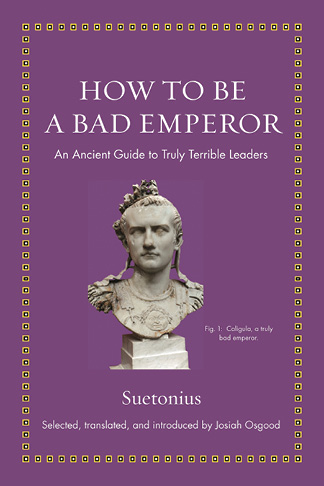
‘Arrogance and violence’ Suetonius’ Lives of the Caesars offers a series of sensational biographies of Roman rulers from Julius Caesar to Domitian, highlighting…
Nicolas-Claude Fabri de Peiresc (1580-1637) It is hard to disagree with the astronomers. They clearly felt that naming a single lunar crater after Nicolas-Claude Fabri…
Exhibitions from around the world- October 2021 Due to changing coronavirus measures, the dates listed below may have changed since we went to print, and museums and…
Honouring Augustus After centuries of reuse and years of closure, the Mausoleum of Augustus is now open to visitors. Dalu Jones examines…
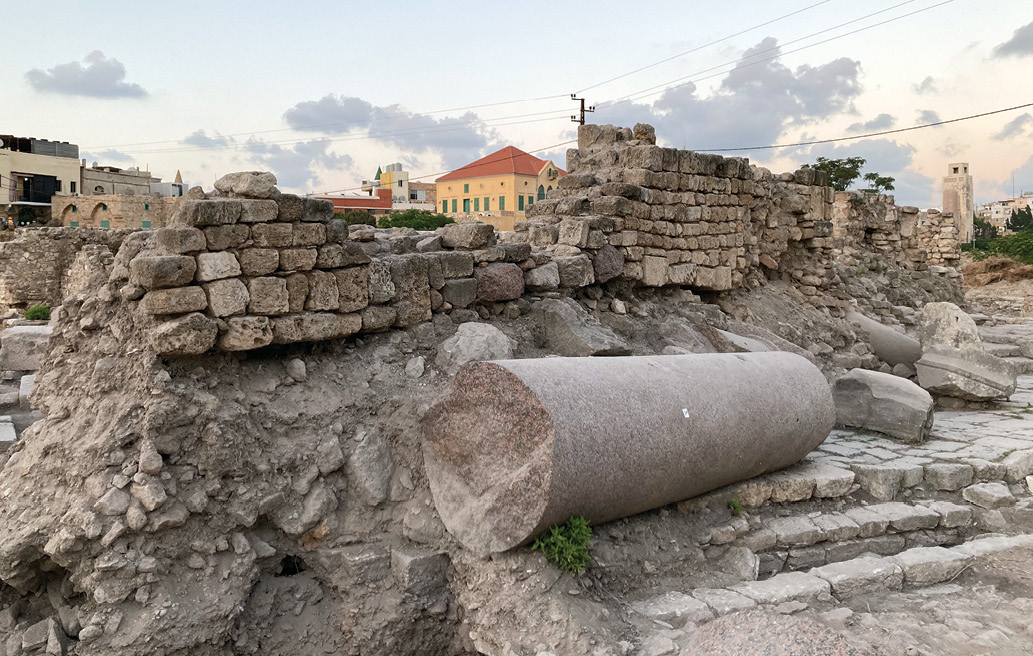
Baalbek and Antioch, 1933 In 1933, the first season of excavations at Tell ed-Duweir (Lachish), south-west of Jerusalem, came to end. The remains of…
The Humboldt Forum: under one roof Over the course of this article, we take a look at a small selection of works on display in the…
Berlin’s Humboldt Forum: building power Berlin’s ambitious cultural project the Humboldt Forum opened its doors to the public this summer. Exhibition spaces, museum collections, and…

Reviews

Twelve Caesars: Images of Power from the Ancient World to the Modern Few people have recently had as much face time with the ghosts of the Roman emperors as Mary Beard, a…
The Hidden Language of Graphic Signs: Cryptic Writing and Meaningful Marks Throughout history, scripts have become established by communicating language and meaning as transparently as possible to literate readers. But, of…
The Aztecs: Lost civilizations Five hundred years ago, the spectacular city of Tenochtitlan, power centre of the Aztec empire, upon which modern Mexico City…

By Country

Popular
UKItalyGreeceEgyptTurkeyFrance

Africa
BotswanaEgyptEthiopiaGhanaKenyaLibyaMadagascarMaliMoroccoNamibiaSomaliaSouth AfricaSudanTanzaniaTunisiaZimbabwe

Asia
IranIraqIsraelJapanJavaJordanKazakhstanKodiak IslandKoreaKyrgyzstan
LaosLebanonMalaysiaMongoliaOmanPakistanQatarRussiaPapua New GuineaSaudi ArabiaSingaporeSouth KoreaSumatraSyriaThailandTurkmenistanUAEUzbekistanVanuatuVietnamYemen

Australasia
AustraliaFijiMicronesiaPolynesiaTasmania

Europe
AlbaniaAndorraAustriaBulgariaCroatiaCyprusCzech RepublicDenmarkEnglandEstoniaFinlandFranceGermanyGibraltarGreeceHollandHungaryIcelandIrelandItalyMaltaNorwayPolandPortugalRomaniaScotlandSerbiaSlovakiaSloveniaSpainSwedenSwitzerlandTurkeySicilyUK

South America
ArgentinaBelizeBrazilChileColombiaEaster IslandMexicoPeru

North America
CanadaCaribbeanCarriacouDominican RepublicGreenlandGuatemalaHondurasUSA