Minerva 191

Description

Highlights:

From the Editor:
The Mediterranean islands of Malta and Gozo may be small, but they boast an impressive variety of archaeological sites, among them some of the oldest freestanding structures in the world. Vast megalithic temples and underground tombs were built from around 3600 BC, but abandoned about 1,000 years later.

At these sites, archaeologists have found striking sculptures with corpulent shapes, whether they are a few centimetres tall or two metres tall, showing how the islanders could play with scale. But what did they represent? For our cover feature, Luc Amkreutz and Sharon Sultana examine this fascinating culture.

Next, we head to Rome, where many mosaics were uncovered during construction work in the late 19th century. These mosaics once adorned homes, shrines, and tombs in and around the ancient city, but after their rediscovery many have been little-seen by the public as they are kept in museum stores. Dalu Jones guides us through some highlights of this intricate ancient craft, on view in a temporary exhibition.

While these mosaics are not particularly well known, our next feature focuses on a much more famous subject: the ancient Egyptian queen Nefertiti. Nefertiti’s face is a familiar one today – thanks to the discovery of her painted limestone bust – but, as Aidan Dodson writes, this was not always the case. Our third feature charts the queen’s remarkable career through dramatic changes implemented by her husband Akhenaten (the subject of Philip Glass’s sensational opera) and through their turbulent aftermath.

In September 480 BC, a fleet of Greek ships defeated the invading Persian armies in a naval battle in the Bay of Salamis, not far from Athens. With help from the Athenians, the Battle of Salamis has come to be viewed by some as a key episode in shaping the western world. David Stuttard tells us how the battle was won – and how the victory was spun as a tale of Greek heroism in the face of tyranny.

Also in September, in 1224, the man who became St Francis of Assisi had a vision in which he received the wounds of Christ. Assisi has attracted pilgrims for centuries, many wanting souvenirs in the form of painted plates. Norman Hammond takes a look at a Renaissance example that offered something different from the usual maiolica wares.

Finally, we speak with Egyptologist Toby Wilkinson about his recent book, which explores the people and politics at play in Egyptian archaeology between the decipherment of the Rosetta Stone and the discovery of the tomb of Akhenaten’s famous son, Tutankhamun.


Cover Date: Sep / Oct 2021, Volume 32 Issue 5

Cover Story

Megalithic Malta There is much we don’t know about the people who lived in Neolithic Malta, but they left their mark on the islands through vast temples and tombs. Luc Amkreutz and…

Features

Nefertiti The wife of the ‘heretic’ king Akhenaten, Queen Nefertiti is today one of the most iconic of all ancient Egyptians,…
Rome’s hidden mosaics With small tiles of marble and glass, Roman mosaicists created intricate mythological images, realistic scenes from nature, and other complex…
Egyptology: obelisks and ambitions Flinders Petrie is called the father of Egyptian archaeology; well, he was assisted on all of his excavations by his…
St Francis of Assisi: a tale of two plates In September 1224, St Francis of Assisi had a vision in which an angel marked him with the wounds of…
Spinning Salamis Soon after the Battle of Thermopylae in 480 BC came another famous battle as allied Greek city-states fought to resist…

Comment

Egyptology: obelisks and ambitions Flinders Petrie is called the father of Egyptian archaeology; well, he was assisted on all of his excavations by his…

News

Views

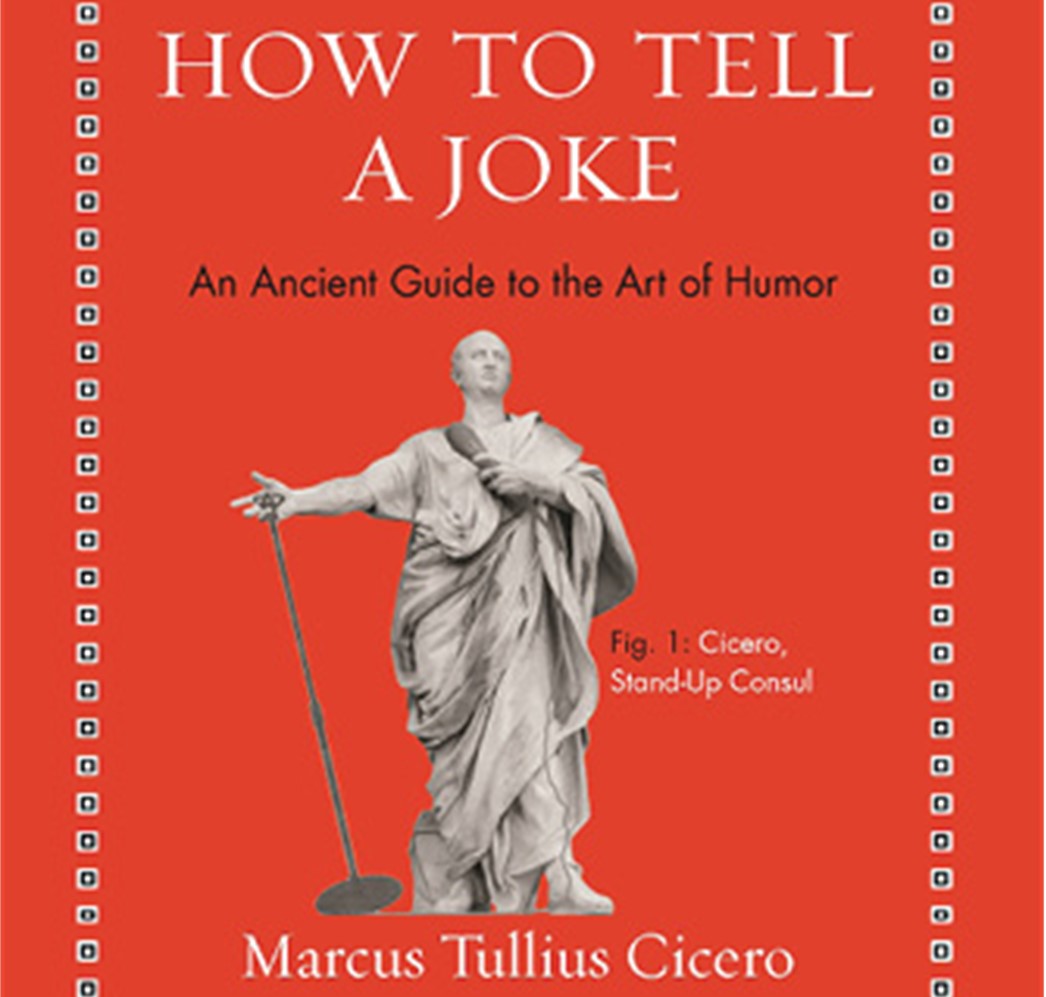
Words of wisdom: ‘Not everything people laugh at is witty’ And here’s another point to take note of, that not everything people laugh at is witty.
Exhibitions from around the world – August 2021 Due to changing coronavirus measures, the dates listed below may have changed since we went to print, and museums and…
Mogao Caves, 1943-1944 The oldest of the Mogao Caves temples that survive date from around AD 420. Among them is Cave 275, built…
Honor Frost (1917-2010) Frost fitted herself out with an improvised breathing hose at a party in order to explore a 17th-century well.

Reviews

The City of Babylon: A History, c.2000 BC – AD 116 The history of the Mesopotamian city of Babylon had a powerful legacy even within antiquity. Today, many are familiar with…
A Short History of Humanity: How Migration Made Us Who We Are Over the last decade, revolutions in the scientific analysis of archaeological material have allowed us to delve deeper into the…
Thames Mudlarking: Searching for London’s Lost Treasures In the 19th century, mudlarks were people (mainly children) who would scour the muddy banks of the Thames for items…

By Country

Popular
UKItalyGreeceEgyptTurkeyFrance

Africa
BotswanaEgyptEthiopiaGhanaKenyaLibyaMadagascarMaliMoroccoNamibiaSomaliaSouth AfricaSudanTanzaniaTunisiaZimbabwe

Asia
IranIraqIsraelJapanJavaJordanKazakhstanKodiak IslandKoreaKyrgyzstan
LaosLebanonMalaysiaMongoliaOmanPakistanQatarRussiaPapua New GuineaSaudi ArabiaSingaporeSouth KoreaSumatraSyriaThailandTurkmenistanUAEUzbekistanVanuatuVietnamYemen

Australasia
AustraliaFijiMicronesiaPolynesiaTasmania

Europe
AlbaniaAndorraAustriaBulgariaCroatiaCyprusCzech RepublicDenmarkEnglandEstoniaFinlandFranceGermanyGibraltarGreeceHollandHungaryIcelandIrelandItalyMaltaNorwayPolandPortugalRomaniaScotlandSerbiaSlovakiaSloveniaSpainSwedenSwitzerlandTurkeySicilyUK

South America
ArgentinaBelizeBrazilChileColombiaEaster IslandMexicoPeru

North America
CanadaCaribbeanCarriacouDominican RepublicGreenlandGuatemalaHondurasUSA