Description
Highlights:
- Pearl Harbor and the Rise of Imperial Japan
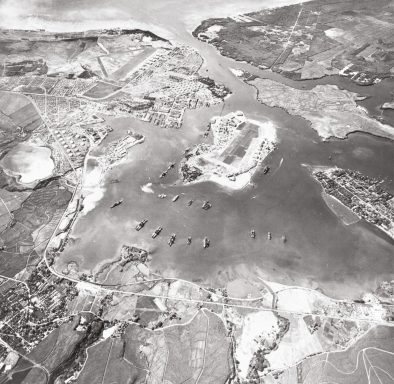
- Pearl Harbor: The Attack, 7 December 1941
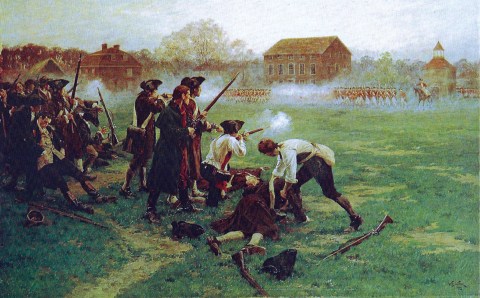
- How the Americans defeated the British in the Revolutionary War
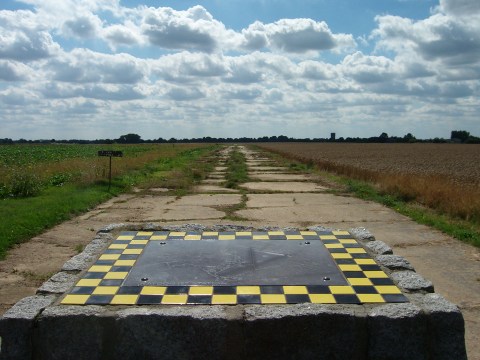
- Memorials of the Mighty Eighth
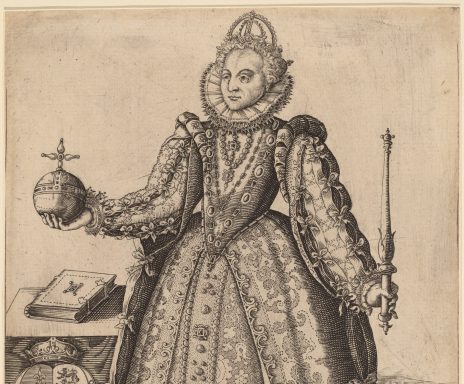
- The Tudor Conquest of Ireland
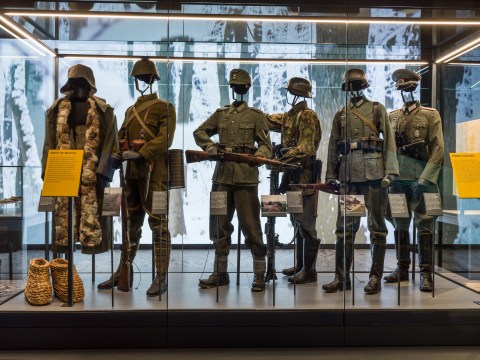
- Second World War and Holocaust Galleries, IWM London
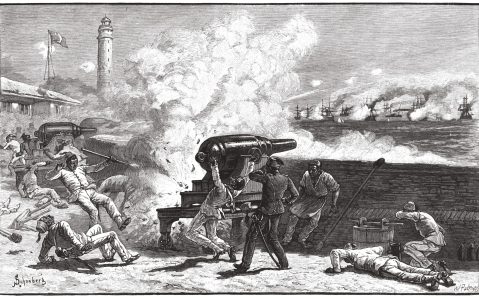
- All Sir Garnet! The Battle of Tel el-Kebir, 13 September 1882
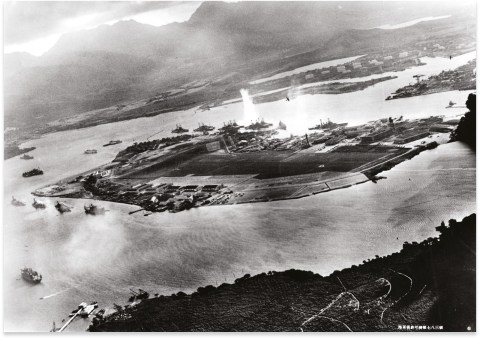
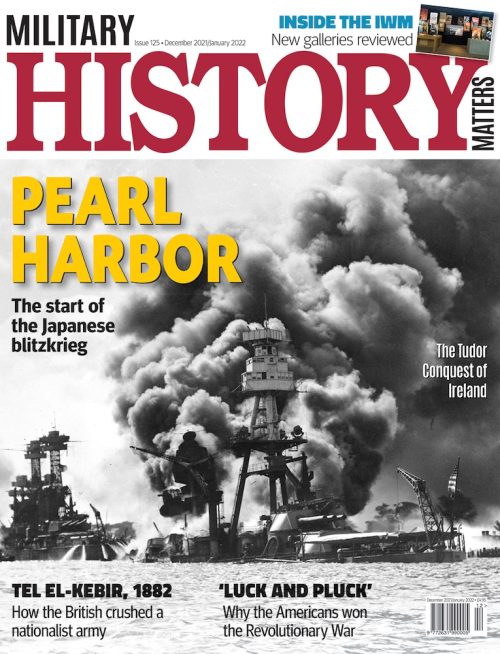
It was perhaps the most tactically brilliant operation by naval aviation in military history: the Japanese attack on Pearl Harbor on 7 December 1941. But, as David Porter explains in our special this time, it was a desperate gamble. Like Hitler in Europe, the Japanese were betting on a short war, a blitzkrieg that would bring their enemies to the negotiating table, knowing they could not win a long war of attrition against the European colonial powers and the United States.
They misjudged. The US aircraft carriers – the most important targets – were absent, and six months later they would win the Battle of Midway and turn the tide of war in the Pacific. Worse, Pearl Harbor enraged a sleeping giant that would wage a relentless war until the Japanese Empire was destroyed.
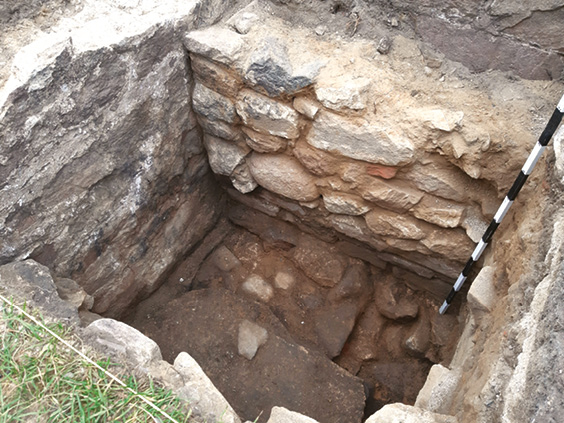
The Tudor conquest of Ireland in the late 16th century is the focus of Tim Newark’s article. As well as offering a vivid narrative, he dispels some myths about the supposed ‘backwardness’ of the Irish military resistance.
Also this issue we have an account of the Battle of Tel el-Kebir in 1882, when a modern British expeditionary force crushed an Egyptian nationalist army; an analysis of the Rebel victory in the American Revolutionary War; and a survey of the East Anglian memorials to the Mighty Eighth, the US bomber fleet stationed there during WWII.
Cover Date: Dec / Jan 2022, Volume 11 Issue 5