Current World Archaeology 121

Description

Highlights:

From the Editor:
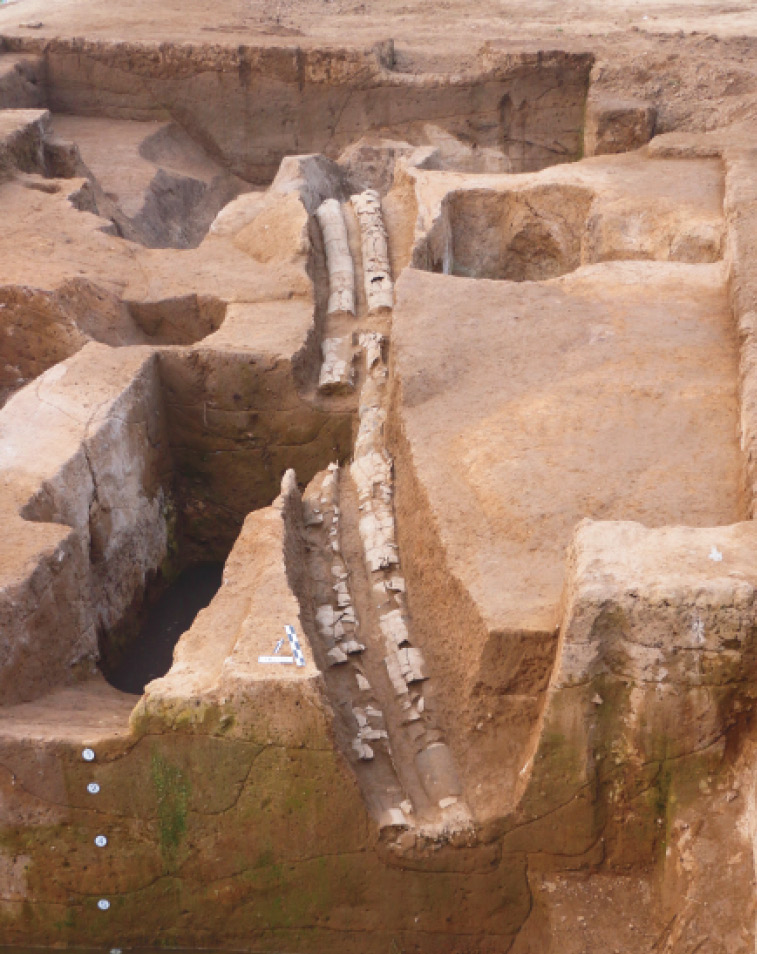
It started with the soil. The thick yellow loess that blankets much of northern China proved perfect for building city walls and platforms supporting timber buildings. Tombs could also be dug deep into this earth without causing it to collapse. It is within such tombs that many of the most astonishing trea sures to survive from ancient China have been found. Because the dead were believed to live on in these tombs, the objects accompanying them allow us to write biographies of the deceased. But these artefacts also tell a much wider story about how China it self developed over thousands of years.

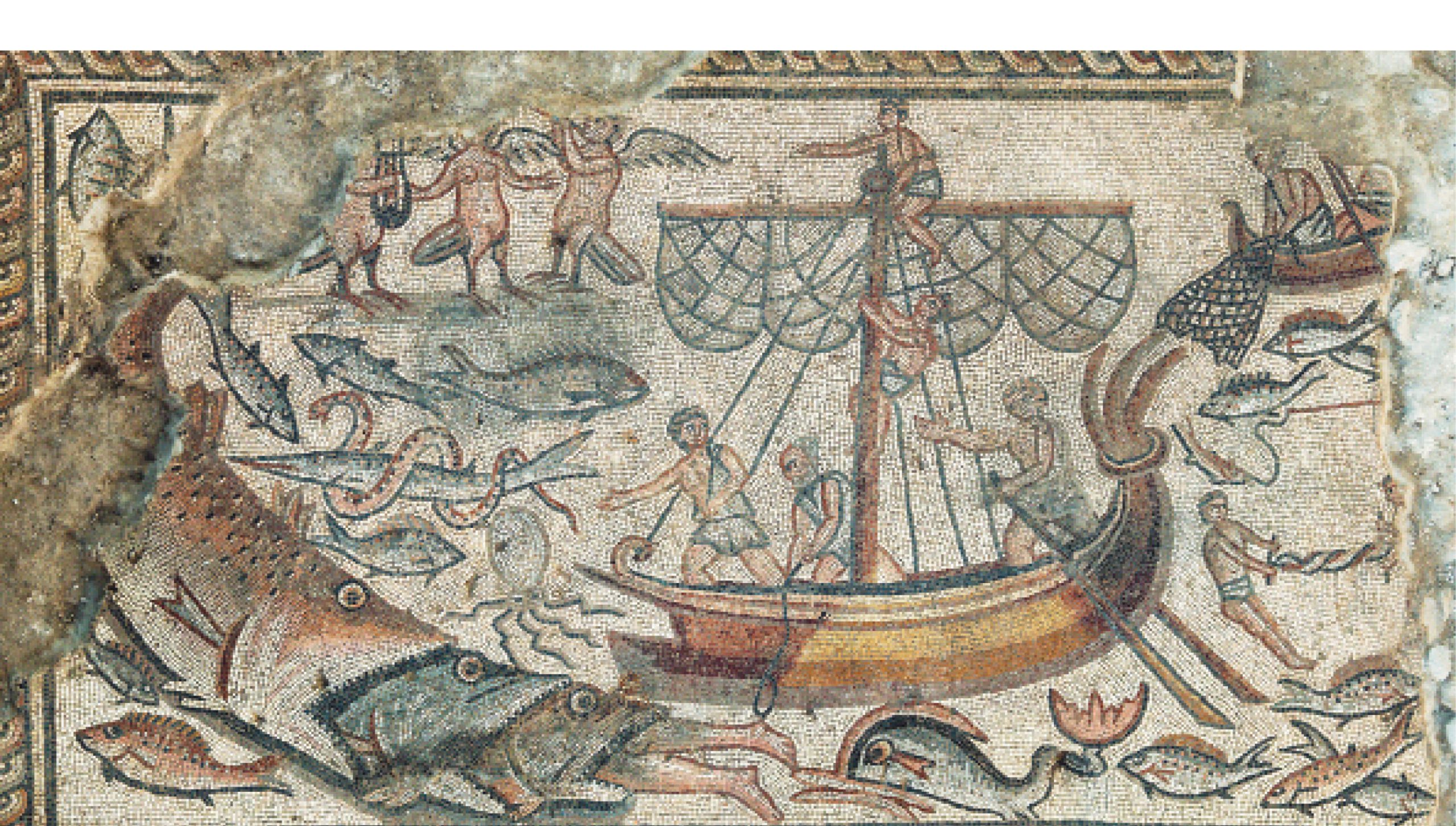
On Malta, it is the sea that is crucial for understanding the rich heritage of the island. The enduring importance of maritime links is reflected in a wealth of ship graffiti, stretching from modern times all the way back into prehistory. Far from being crude doodles, some of these images are impressive compositions. But who was creating them, and why?

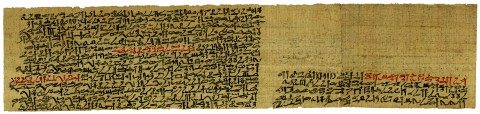
In ancient Egypt, we know that puzzling out the secret of life inspired Ptahhatp’s intellectual endeavours. The result was a text that survived – in varying states of completeness – to be collected by antiquarians or excavated from tombs. Ptahhatp’s work is now called the oldest book in the world, and sheds light on a pivotal moment for humanity: the birth of literature.

Founding plantations on São Tomé produced a lasting legacy, too, although in this case it was a bitter one. The model it pioneered for sugar production in a tropical environment using enslaved people came at a terrible human cost. The first archaeological project ever undertaken on São Tomé is currently examining this overlooked chapter in the shaping of the modern Atlantic world.

In our travel section, Richard Hodges contemplates the consequences of an archaeology of confinement on Ventotene, in Italy. Meanwhile, Martin Davies has gone off the beaten track to tease out the heritage of Volos, in Greece.


Cover Date: Oct / Nov 2023, Volume 11 Issue 1
Cover Story

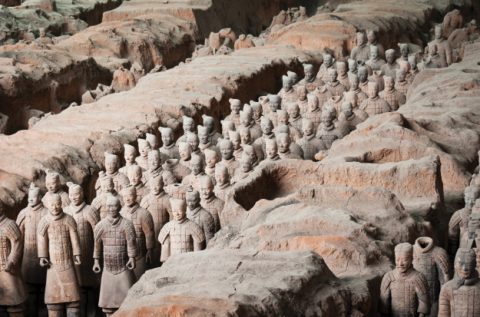
China unearthed: A hidden history of tombs and offerings Deep underground, the ancient inhabitants of what is now China built remarkable houses and palaces. But these dwellings were not homes for the living. Instead, the dead would be laid…

Features

Ancient Egypt and the dawn of literature: Revisiting the oldest book in the world Among the many treasures recovered by archaeologists and antiquarian collectors from Egypt are papyrus copies of a remarkable text written…
Sailing stony seas: Ship graffiti on Malta A previously unsung facet of Malta’s rich maritime heritage has recently come under the spotlight. An armada of ship graffiti,…
A bitter harvest: Slave labour and sugar on São Tomé The first archaeological project ever mounted on São Tomé is examining a 16th-century sugar mill. Results are shedding fresh light…

Comment

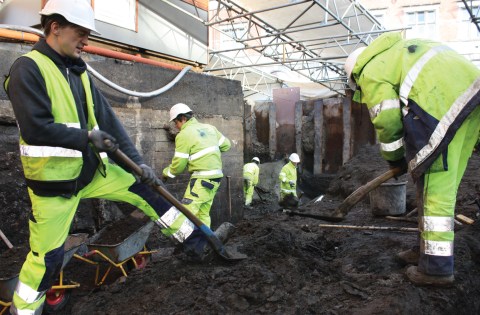
One person’s trash is another person’s treasure Rubina Raja and Søren M Sindbæk on the archaeology of waste
Past masters When COVID-19 reached New Zealand, all my plans to continue excavating and attend conferences ground to a halt. So I…
Analysing ancestry and ancient agriculture It is less than a decade since scientists developed swift and efficient methods of extracting and analysing ancient DNA from…

News

Views

Calling all photographers! Current World Archaeology Photo of the Year 2024 As summer comes to an end, this is the perfect time to reflect on memories of your heritage-filled travels or…
CWA #121 crossword, and answers to crossword #120 ACROSS 8 Egyptian agrarian culture of 4500-3250 BC (8)9 Son of Daedalus in Greek mythology (6)10 Édouard ..... , French…
Ancient inscriptions in Saudi Arabia The mountain of Jabal Ikmah, located 5km north of the ancient city of AlUla in north-west Saudi Arabia, has just…
Volos: Archaeology and myth in Thessaly Looking for somewhere off the beaten track to explore in Greece? Martin Davies is our guide to the rich prehistoric…
Ventotene: A prison that was a university A free and united Europe is the necessary premise to the strengthening of modern civilisation… The Ventotene Manifesto (1941).
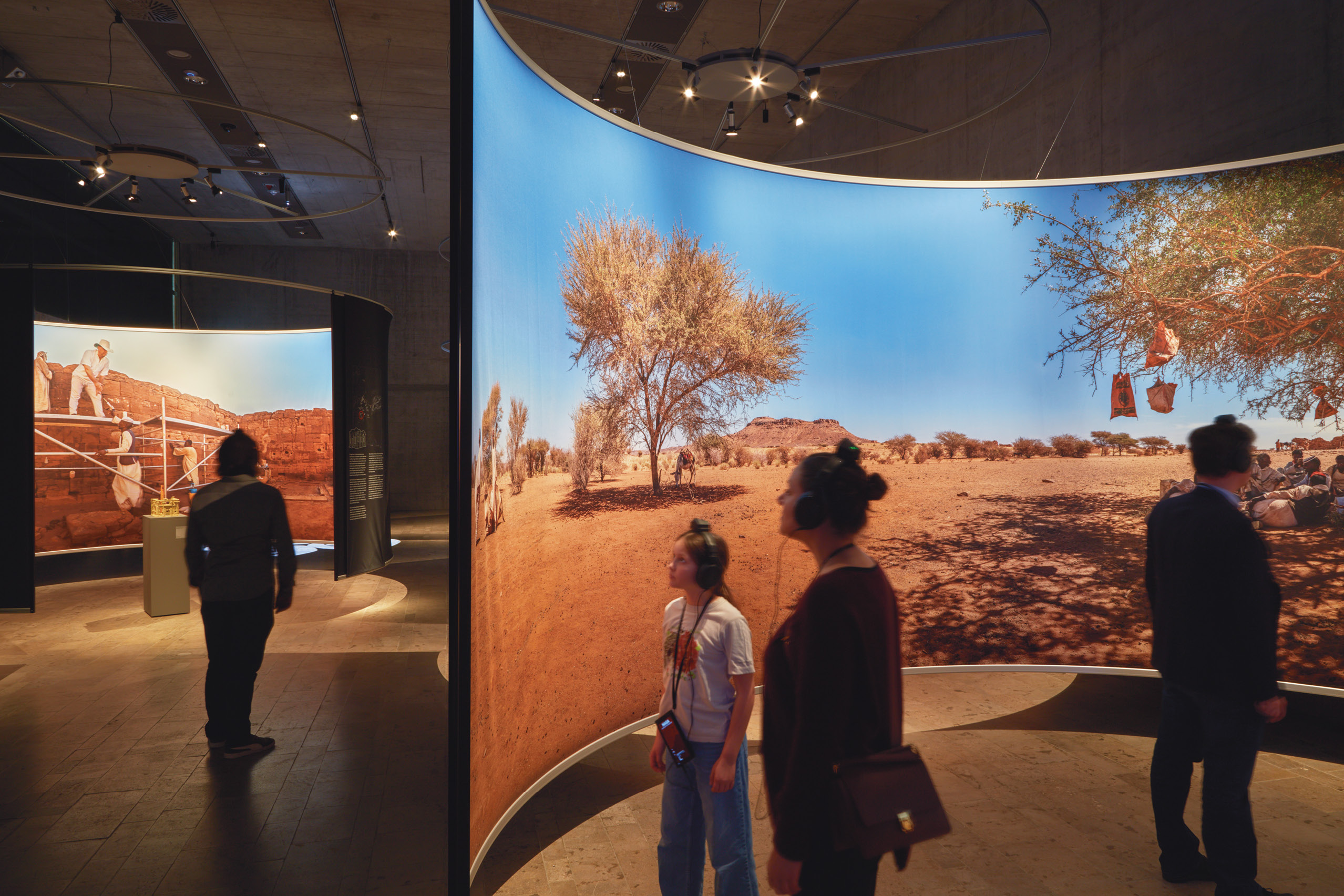
Naga: the buried royal city An exhibition at the State Museum of Egyptian Art (SMÄK) in Munich transports visitors to excavations at the ancient city…
Inscribed amphora fragment What is it?  This small sherd of pottery, measuring 6cm wide  and 8cm long, comes from the lower part of…

Reviews

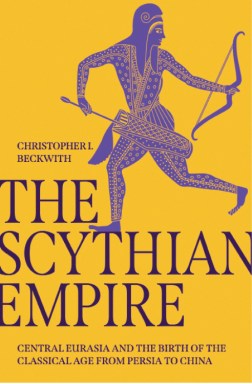
The Scythian Empire REVIEW BY TIMOTHY TAYLOR Christopher Beckwith's The Scythian Empire represents a major challenge for archaeological understandings of what many pre- and proto-historians…
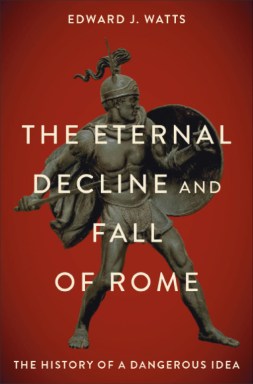
The Eternal Decline and Fall of Rome: The history of a dangerous idea REVIEW BY ANDREW SELKIRK Edward J Watts, Professor of History at San Diego University, is not a fan of politicians…
Lucayan Legacies: Indigenous lifeways in the Bahamas and Turks and Caicos Islands REVIEW BY EMILY C KRACHT Lucayan Legacies evaluates the lives of the early Indigenous peoples in the Bahama archipelago and…
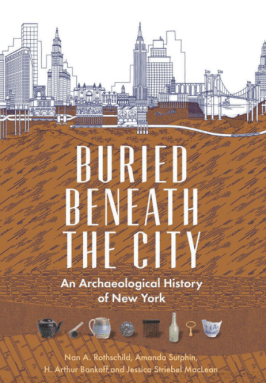
Buried Beneath the City: An archaeological history of New York REVIEW BY META F JANOWITZ Archaeologists who work in New York City often get incredulous looks from people who ask…

By Country

Popular
UKItalyGreeceEgyptTurkeyFrance

Africa
BotswanaEgyptEthiopiaGhanaKenyaLibyaMadagascarMaliMoroccoNamibiaSomaliaSouth AfricaSudanTanzaniaTunisiaZimbabwe

Asia
IranIraqIsraelJapanJavaJordanKazakhstanKodiak IslandKoreaKyrgyzstan
LaosLebanonMalaysiaMongoliaOmanPakistanQatarRussiaPapua New GuineaSaudi ArabiaSingaporeSouth KoreaSumatraSyriaThailandTurkmenistanUAEUzbekistanVanuatuVietnamYemen

Australasia
AustraliaFijiMicronesiaPolynesiaTasmania

Europe
AlbaniaAndorraAustriaBulgariaCroatiaCyprusCzech RepublicDenmarkEnglandEstoniaFinlandFranceGermanyGibraltarGreeceHollandHungaryIcelandIrelandItalyMaltaNorwayPolandPortugalRomaniaScotlandSerbiaSlovakiaSloveniaSpainSwedenSwitzerlandTurkeySicilyUK

South America
ArgentinaBelizeBrazilChileColombiaEaster IslandMexicoPeru

North America
CanadaCaribbeanCarriacouDominican RepublicGreenlandGuatemalaHondurasUSA