Current World Archaeology 111

Description

Highlights:

From the Editor:
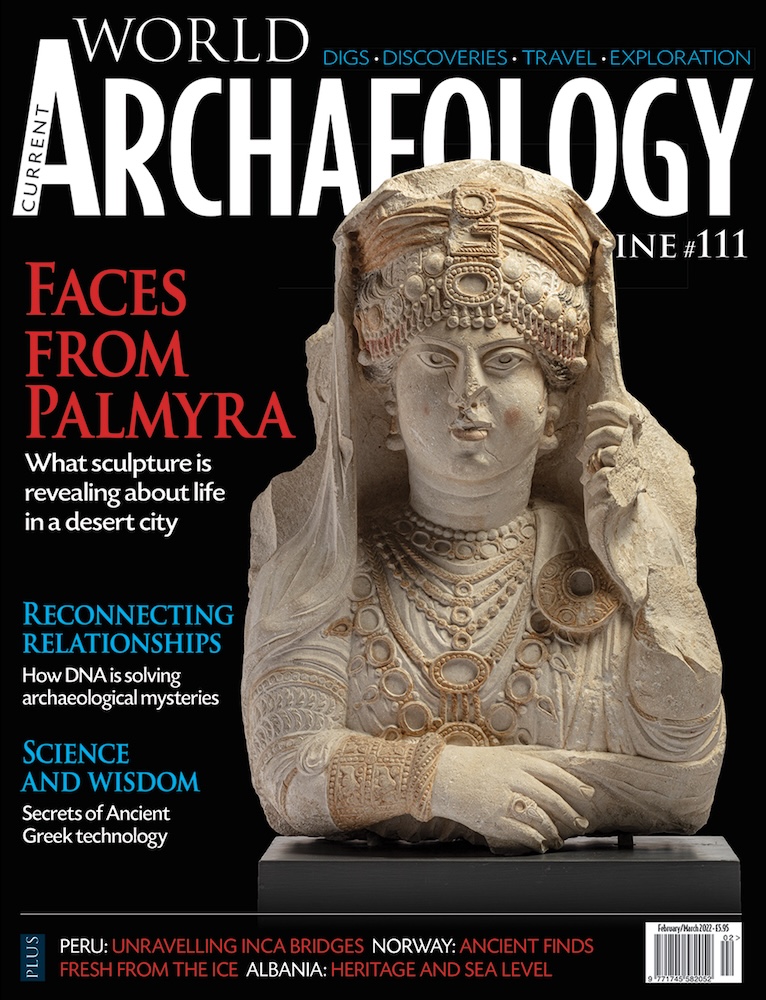
Ancient visitors to the great family tombs outside the desert city of Palmyra would have come face to face with the dead. Within these edifices, the slots on shelves where the bodies lay were often sealed with sculptures depicting the deceased. Today, thousands of such likenesses are known, creating an extraordinary corpus of ancient art. Studying this is revealing fascinating insights into both life and death in a major trading hub. As well as showing that fashions come and go, the sculptures convey the enduring power wielded by wealthy families.

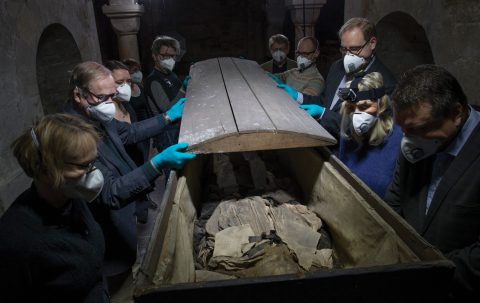
The significance of kinship has also been under the microscope in Sweden. Seeking family relationships between individuals buried in cemeteries has long taxed the ingenuity of archaeologists. Now, the increasing use of DNA analysis is providing answers. We take a look at three cases where reconnecting relationships brings fresh perspectives on past lives.

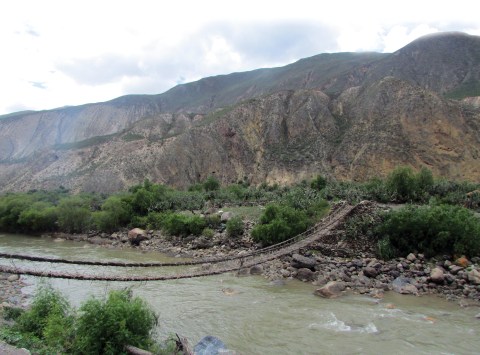
In Peru, connections of a different kind attracted the admiration of invading conquistadors. The Inca road network traversed some of the most demanding terrain on the planet, but it depended on ingenious suspension bridges to carry travellers over fast-flowing rivers. These bridges needed regular rebuilding, and it is possible that echoes of this tradition survived until recently in the Andes. Can these help us to grasp the role of local communities in the Inca world?

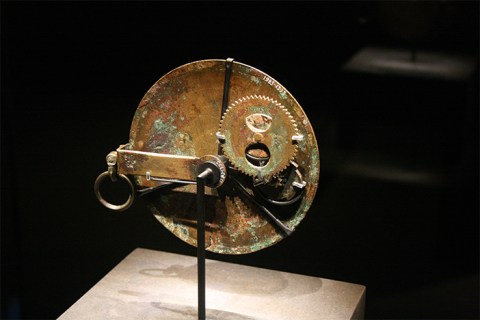
When it comes to Ancient Greek technology, the advent of modern scientific methods is allowing us to appreciate the full scope of their achievements. Both new discoveries and new approaches are shedding fresh light on subjects such as the strengths – and weaknesses – of Greek ships, the role of music, and the nature of sophisticated mechanical computers.

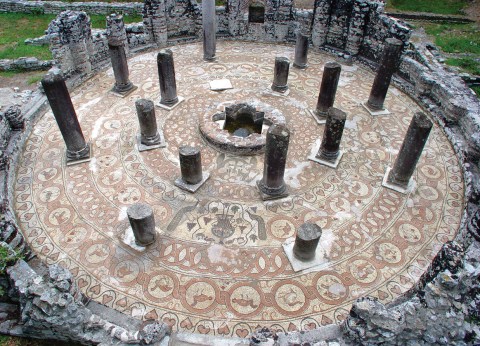
Finally, after a study outlining the risks of projected sea-level rises for some archaeological sites was published, Richard Hodges and David Prince consider the situation at Butrint.


Cover Date: Feb / Mar 2022, Volume 10 Issue 3
Cover Story

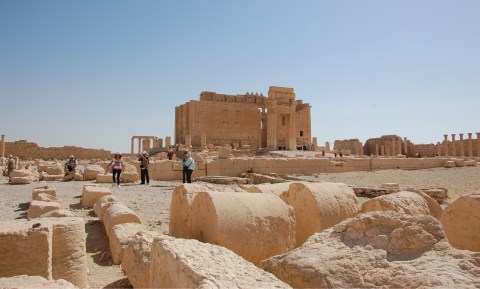
Facing the Palmyrenes: exploring life and death in a desert city What can an extraordinary group of sculptures commemorating the dead reveal about ancient life in Palmyra? Thousands of ancient inhabitants’ portraits once graced lavish family tombs in cemeteries just beyond…

Features

Confronting Climate Change at Butrint A new report spells out the risks that rising sea levels pose to some of the world’s greatest archaeological sites.…
Ancient Greeks: Science and Wisdom For Ancient Greeks, the natural world was a source of wonder and inspiration. Philosophers pondered sundry subjects, seeking the secrets…
Connecting the Inca Empire: the art of maintaining Central Andean suspension bridges Suspension bridges were crucial for the success of the Inca road network, but these remarkable structures needed to be regularly…
Reconnecting relationships: uncovering genealogy in archaeology Examining ancient DNA is revolutionising our knowledge of the past. Being able to detect family relationships is revealing ever more…
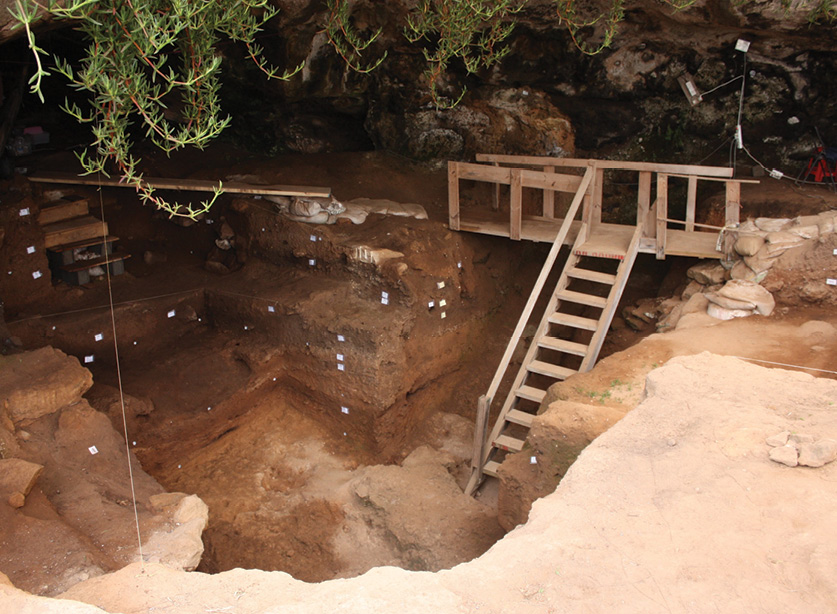
Prehistoric people present New research is shedding light on the presence of early people around the world.

Comment

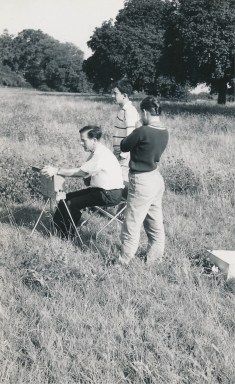
Surveying Verulamium We all gathered round on another day, when a whoop of excitement emerged from the next-door shop, where Professor Frend…
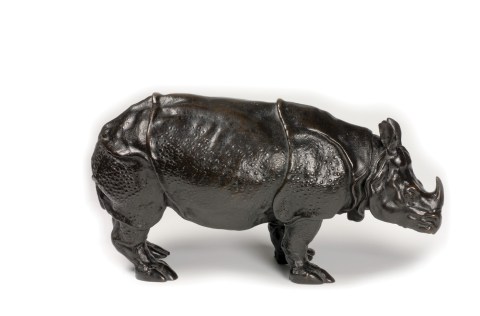
Celebrity beasts The statues of five elephants surrounding this part of the cemetery have led to the belief that these and other…
Academic mass production Every paper has to say something new. In the mass production of vehicle components, difference is defect. In the mass…

News

Views

CWA Letters – Janurary 2022 Your views and observations...
Norway: secrets of the ice Over the last decade, 64 glaciers and ice patches in the Innlandet region have produced over 3,500 archaeological finds, from…
Unseen Aztec art in Leiden Gillis Kersting explores an international exhibition presenting hundreds of Aztec objects on loan from Mexican and European museums, now on…
Roman mosaic in Rutland The mosaic, which measures 11m by almost 7m, once formed the floor of a dining or entertaining room within a…
Cage cup What is it? Photo: Hamid Azmoun, Inrap. This cage cup, or vas diatretum, dates to the 4th century AD. The…

Reviews

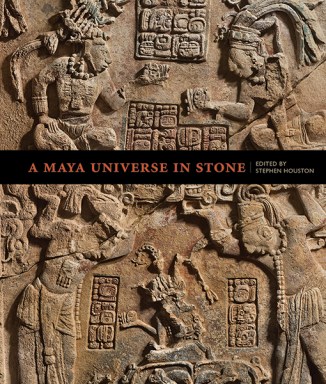
A Maya Universe in Stone A Maya Universe in Stone delves deeply into the imagery, inscriptions, and political and social contexts of several ancient Maya…
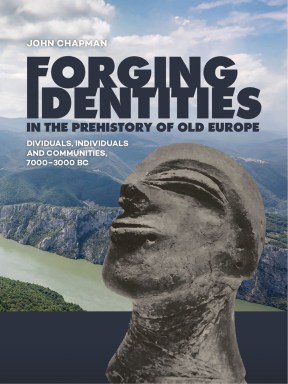
Forging Identities in the Prehistory of Old Europe: dividuals, individuals and communities, 7000-3000 BC This solid 459-page work by John Chapman summarises his life-long work in the Balkans and, as he states in the…
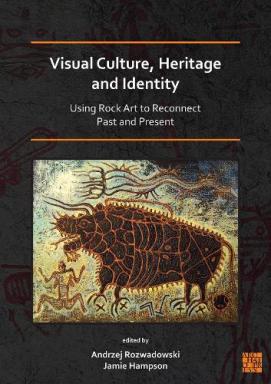
Visual Culture, Heritage and Identity: using rock art to reconnect past and present Many researchers dealing with prehistoric and historic rock art tend to remain firmly entrenched within their respective comfort zones. Throughout…
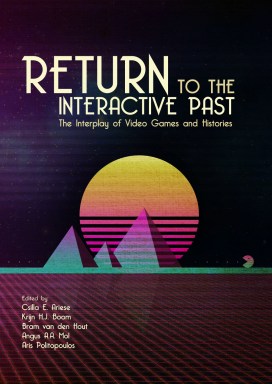
Return to the Interactive Past: the interplay of video games and histories Return to the Interactive Past offers a fascinating introduction to some of the key topics surrounding the intersection of video…
Digging Deep: a journey into Southeast Asia’s past Professor Charles Higham will be a familiar figure to CWA readers. Not only does he write a regular column for…

By Country

Popular
UKItalyGreeceEgyptTurkeyFrance

Africa
BotswanaEgyptEthiopiaGhanaKenyaLibyaMadagascarMaliMoroccoNamibiaSomaliaSouth AfricaSudanTanzaniaTunisiaZimbabwe

Asia
IranIraqIsraelJapanJavaJordanKazakhstanKodiak IslandKoreaKyrgyzstan
LaosLebanonMalaysiaMongoliaOmanPakistanQatarRussiaPapua New GuineaSaudi ArabiaSingaporeSouth KoreaSumatraSyriaThailandTurkmenistanUAEUzbekistanVanuatuVietnamYemen

Australasia
AustraliaFijiMicronesiaPolynesiaTasmania

Europe
AlbaniaAndorraAustriaBulgariaCroatiaCyprusCzech RepublicDenmarkEnglandEstoniaFinlandFranceGermanyGibraltarGreeceHollandHungaryIcelandIrelandItalyMaltaNorwayPolandPortugalRomaniaScotlandSerbiaSlovakiaSloveniaSpainSwedenSwitzerlandTurkeySicilyUK

South America
ArgentinaBelizeBrazilChileColombiaEaster IslandMexicoPeru

North America
CanadaCaribbeanCarriacouDominican RepublicGreenlandGuatemalaHondurasUSA