Description
Highlights:
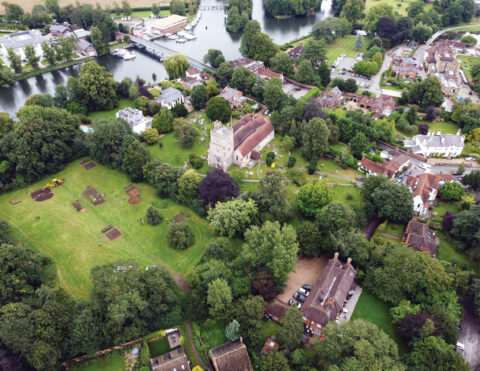
- A lost monastery revealed? Investigating an Anglo-Saxon community at Cookham
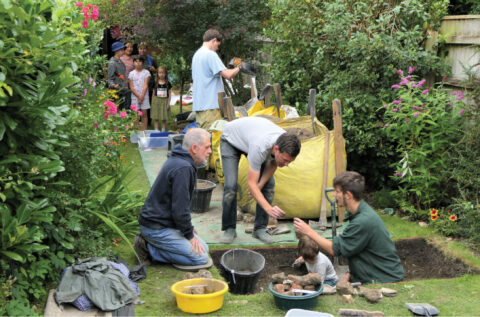
- The hunt for Hyde Abbey: piecing together the layout of a royal monastery in Winchester
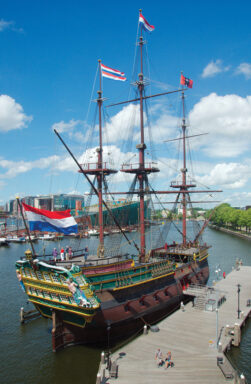
- The Shipwreck Museum, Hastings, and the wreck of the Amsterdam
- Looking at lakes as ornaments in the landscape
- Restoring Stonehenge: securing a Neolithic monument over 120 years
- The ‘Priest’s House’: excavating an enigmatic Roman structure at Caistor St Edmund
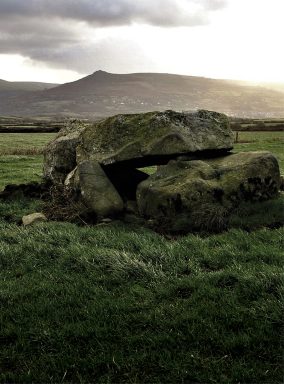
- Trellyffaint: how excavating a Pembrokeshire portal dolmen illuminated Neolithic dairy farming in Wales
- Buried in the Bronze Age: unearthing a rare log coffin in Lincolnshire
One place that I never tire of visiting is Stonehenge; it is awe-inspiring to stand and think how long it has endured. This longevity has had a little help, however, with conservation initiatives occurring periodically over the last 120 years. The latest works took place in September, as our cover story reports.
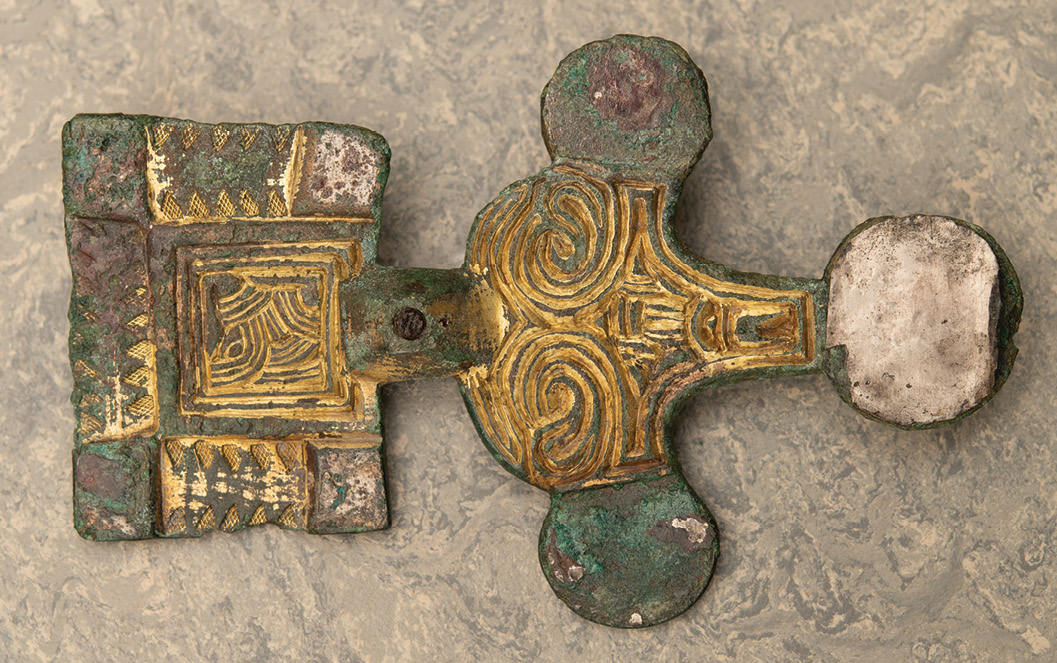
The ‘Neolithic revolution’ that sparked the creation of mighty monuments like Stonehenge also heralded new ideas like pottery production and animal husbandry. This month we hear from a project that set out to record rock art on a portal dolmen in Pembrokeshire, but which went on to uncover what could be the earliest direct evidence of dairy farming in Wales. Our next feature takes us to the Berkshire–Buckinghamshire border, once home to a monastery associated with a powerful Anglo-Saxon queen. Despite this illustrious patronage, however, the site’s precise location became lost over subsequent centuries. Now an excavation at Cookham has brought tantalising clues to light once more.
Rather earlier religious practices form the focus of our next article, reporting on a visit to Caistor St Edmund. There, Caistor Roman Project volunteers have been exploring the remains of an enigmatic building close to a known Romano-Celtic temple. Completing our hat-trick of sacred sites, CA also visited the latest Hyde900 dig in Winchester, which is working to piece together the layout of a once grand Benedictine abbey.
Speaking of grand constructions, our final feature considers the country estates of 18th-century England, and the evolution of ornamental lakes.
Cover Date: Nov-2021, Volume 32 Issue 8