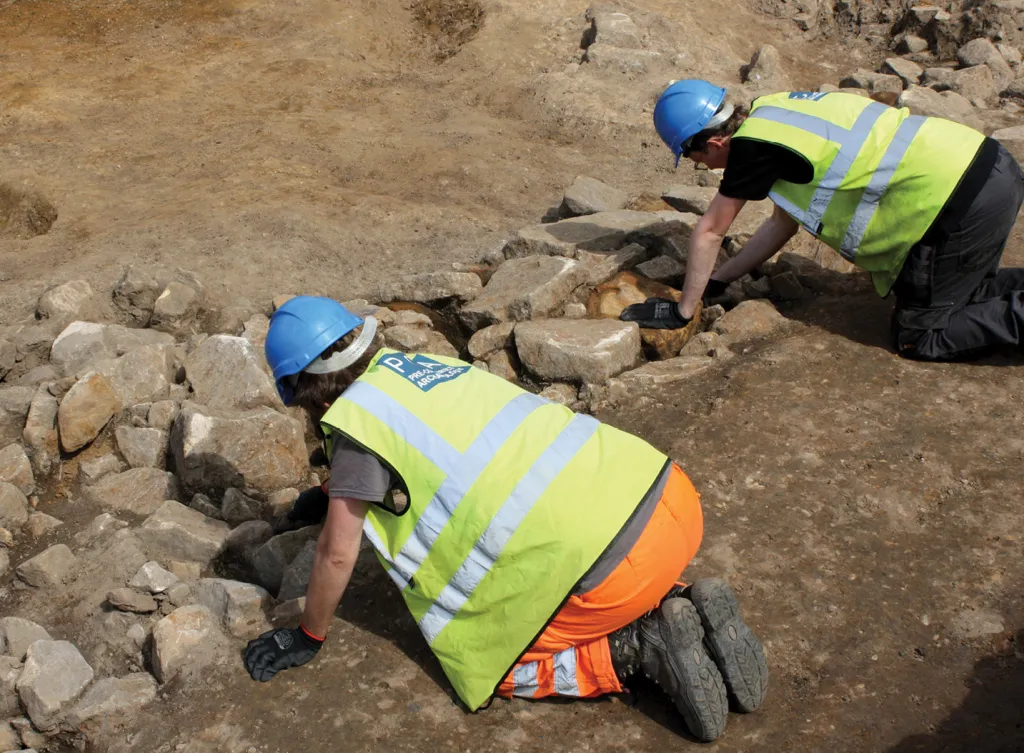
This week: Hadrian’s Wall

This week on The Past, we are delighted to celebrate a very special milestone: the 400th issue of our sister publication Current Archaeology – the ground-breaking specialist magazine, first published in March

This week on The Past, we are delighted to celebrate a very special milestone: the 400th issue of our sister publication Current Archaeology – the ground-breaking specialist magazine, first published in March
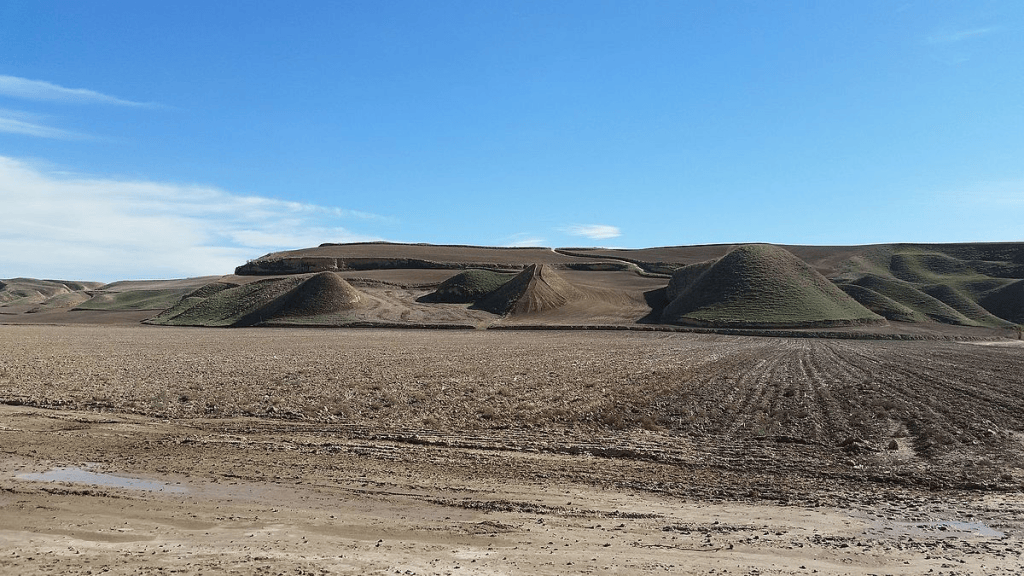
The obvious comparison, here in Britain, is with Hadrian’s Wall – the great Roman fortification that stretches for 73 miles across the country from coast to coast. Yet the Great Wall of
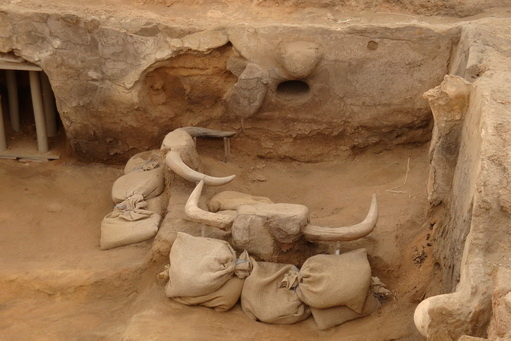
If the past is a foreign country – as the novelist L.P. Hartley famously suggested in the opening line to The Go-Between (1953) – then prehistory is surely a whole other world
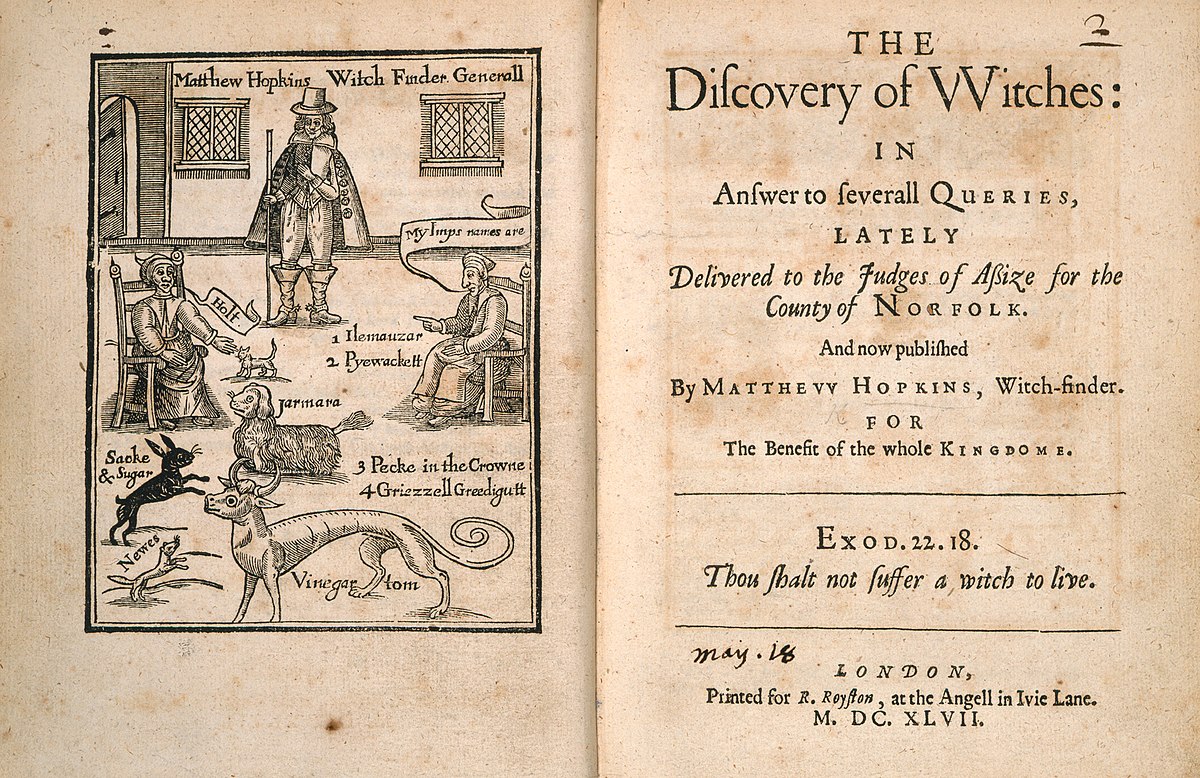
It’s a scary thought for parents. After an enforced pause in 2020, Halloween spending is expected this year to return to something like pre-pandemic levels – which in 2019 stood at £474m

According to a recent estimate by the World Gold Council, the total quantity of this precious pale yellow metal discovered around the world throughout all of human history amounts to just 201,296 tonnes. If the whole lot were melted down to form a single cube, it would measure just 22 metres on each side.

When the painter Stanley Spencer unveiled his masterpiece, ‘The Resurrection, Cookham’ (1924-27), The Times called it “the most important picture by any English artist in the present century”. In this famous, dreamlike composition, now one of the highlights at Tate Britain, Spencer imagines biblical figures rising up from the dead in the tranquil setting of the graveyard of his local church, Holy Trinity, nestling by the Thames in the Berkshire village where he lived.

Lancelot ‘Capability’ Brown is the towering genius of English garden architecture. Born in Northumberland in c.1715-16, this low-born son of a land agent and a chambermaid would go on to design groundbreaking naturalistic schemes of enduring beauty and enormous sophistication for many of the country’s grandest country houses – from Chatsworth to Compton Verney and from Alnwick Castle to Blenheim Palace.

All eyes were on Tokyo this summer, as the world’s most populous metropolitan area (home to an astonishing 37 million people) finally played host to the postponed 2020 Olympic Games. With its gleaming skyscrapers and ultramodern stadia, the Japanese capital made a suitably impressive backdrop for the planet’s biggest sporting event.
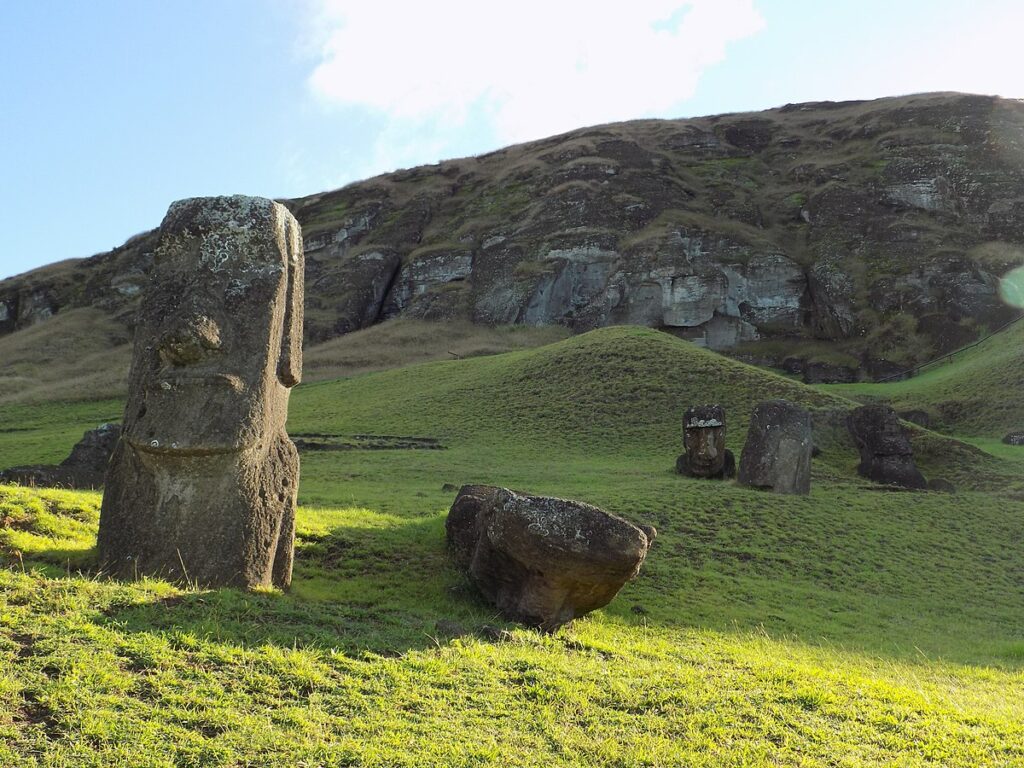
For centuries, the work of archaeologists has allowed us to piece together a picture of the past, and to understand our ancestors’ place in the universe. Without it, we would not know what life was like in Pompeii, or how the Ancient Egyptians buried their dead, or what role the sun and stars played in the building of Machu Piccu.

The Defence of Rorke’s Drift remains one of the most celebrated engagements in UK military history. On the night of 22 January 1879, a force of just over 150 British and colonial troops held off an estimated 3-4,000 Zulu warriors during more than 12 hours of bitter, hand-to-hand fighting that would result in the award of 11 Victoria Crosses.
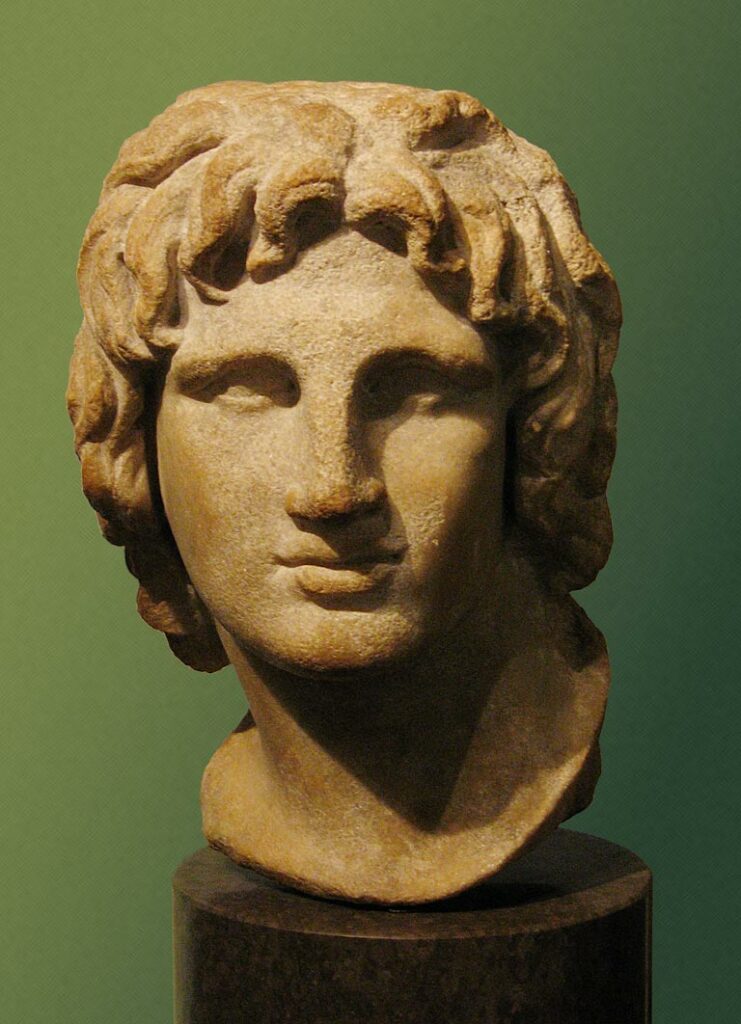
He inherited the kingdom of Macedonia (in modern-day Greece) at the age of 20. By the time of his death, just 13 years later, he had created an empire that covered two million square miles – stretching across three continents, from the Danube and the Nile to the Himalayas – and all without losing a battle.
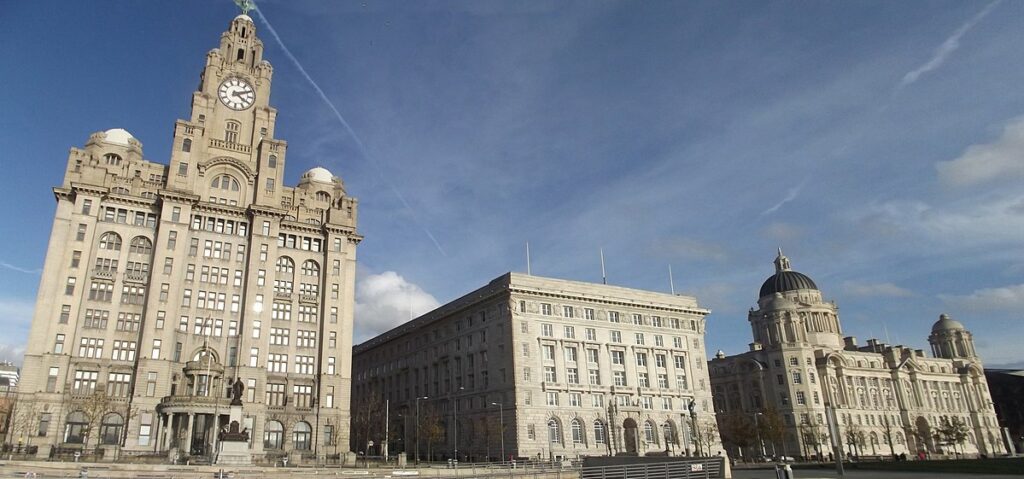
It was not, perhaps, our finest hour. On 21 July, UNESCO announced that its World Heritage Committee had voted to remove Liverpool from its List of World Heritage Sites, making Britain only the third country ever to suffer such an indignity. To make matters worse, the UN-backed agency warned that Stonehenge would also find its status in doubt if the government pressed ahead with plans to build a £1.7bn road tunnel under the site.

With her high cheekbones and long neck, she has been described as the ‘world’s first supermodel’. When her portrait bust went on display in 1923, she was hailed as an icon of timeless femininity. Since then, Nefertiti has been admired by everyone from Hitler to Beyoncé, and has provided inspiration to artists and writers around the world. Beyond all the adulation, however, what do we really know about this mysterious woman whose face has become so ubiquitous?
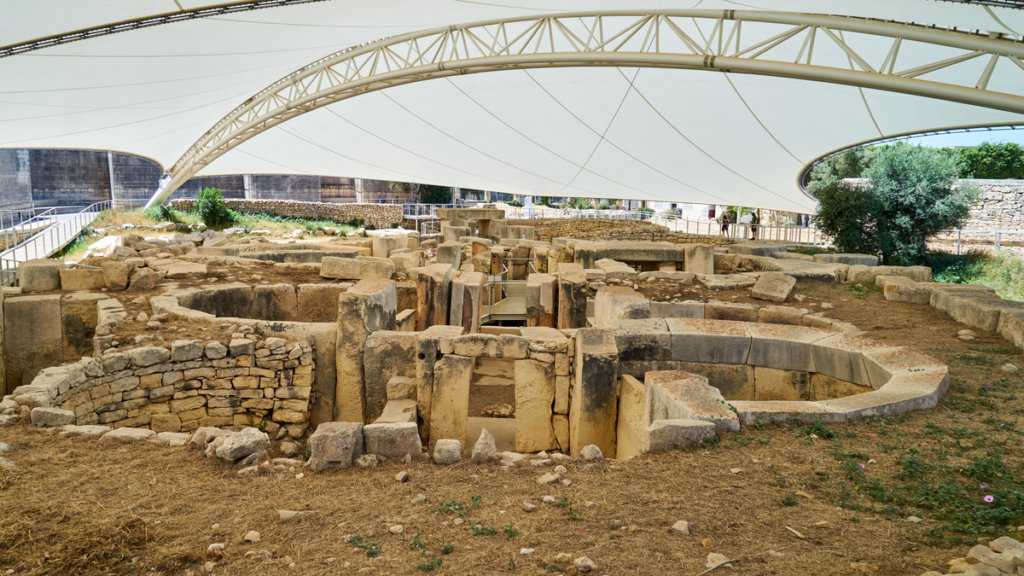
Fifty miles south of Sicily, the tiny, densely populated island of Malta sits at the epicentre of Mediterranean history. Perched midway between Europe and Africa, it has long been a cultural crossroads, and its strategic importance has been recognised by a complicated succession of foreign rulers – including the Phoenicians, Carthaginians, Greeks, Romans, Vandals, Ostrogoths, Arabs, Normans, Aragonese, Knights of the Order of Saint John, French, and British.
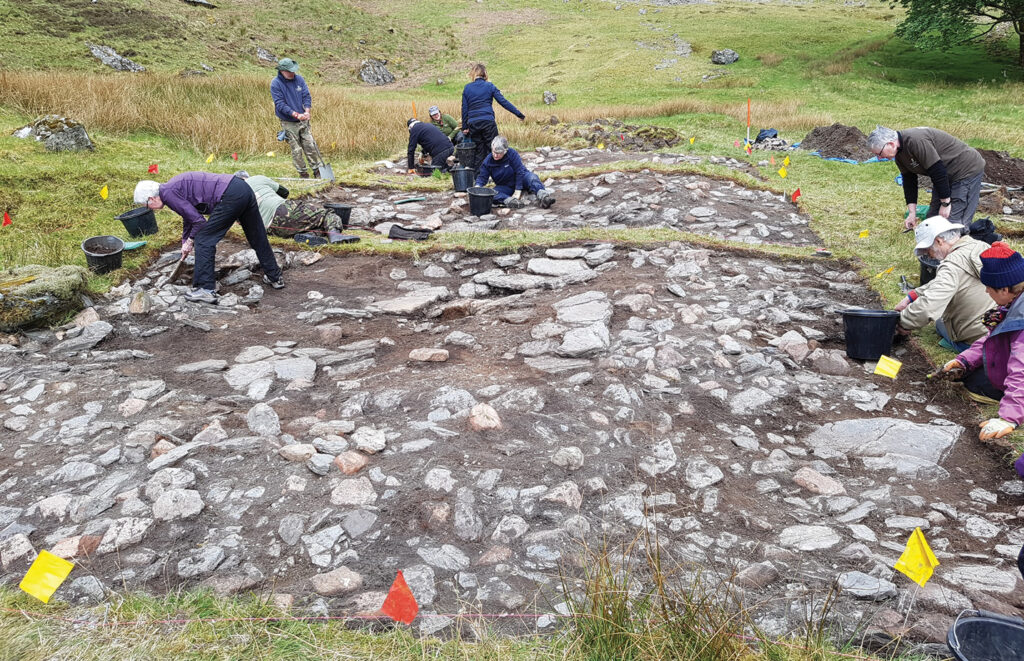
Tragically, massacres have been a regular feature of human conflict – and locations as varied as Amritsar and Srebrenica, Rwanda and Guatemala, Malmedy and My Lai have all earned their places in the annals of infamy. But while examples of indiscriminate mass killing may sadly be relatively commonplace, each has its own uniquely terrible story – the appalling product of time, place and a particular set of circumstances.
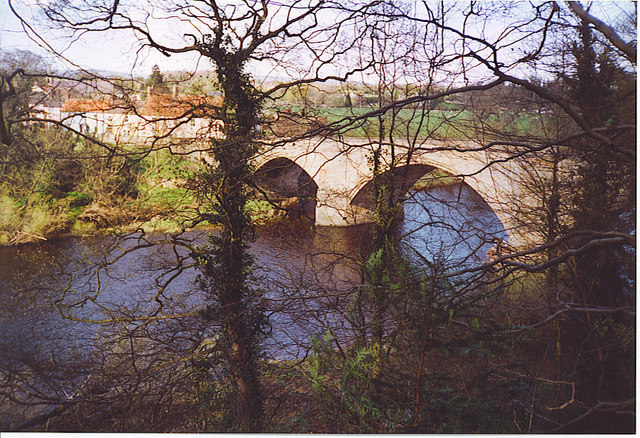
It seems less obvious today, as we hurtle about the country using modern road and rail networks, but river crossings were once dangerous places. In ancient times, rites in the form of prayers and sacrifices would be performed to appease the river gods and to improve the chances that goods and travellers would make it across unscathed.
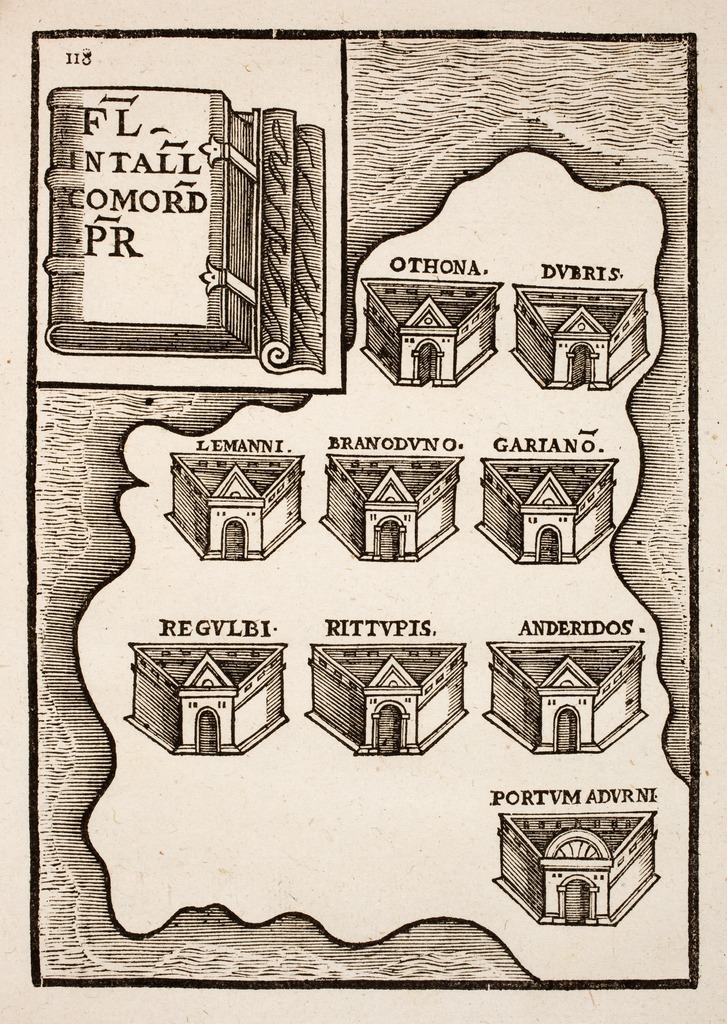
Those with even a cursory knowledge of ancient history will recall that Julius Caesar made his first expedition to Britain in 55 BC. Others may also be aware that the process of Rome’s permanent conquest of Britannia did not begin until 43 AD, during the reign of Emperor Claudius. What is more mysterious, however, is what happened to Rome’s invasion plans in the almost 100 years between those two dates.
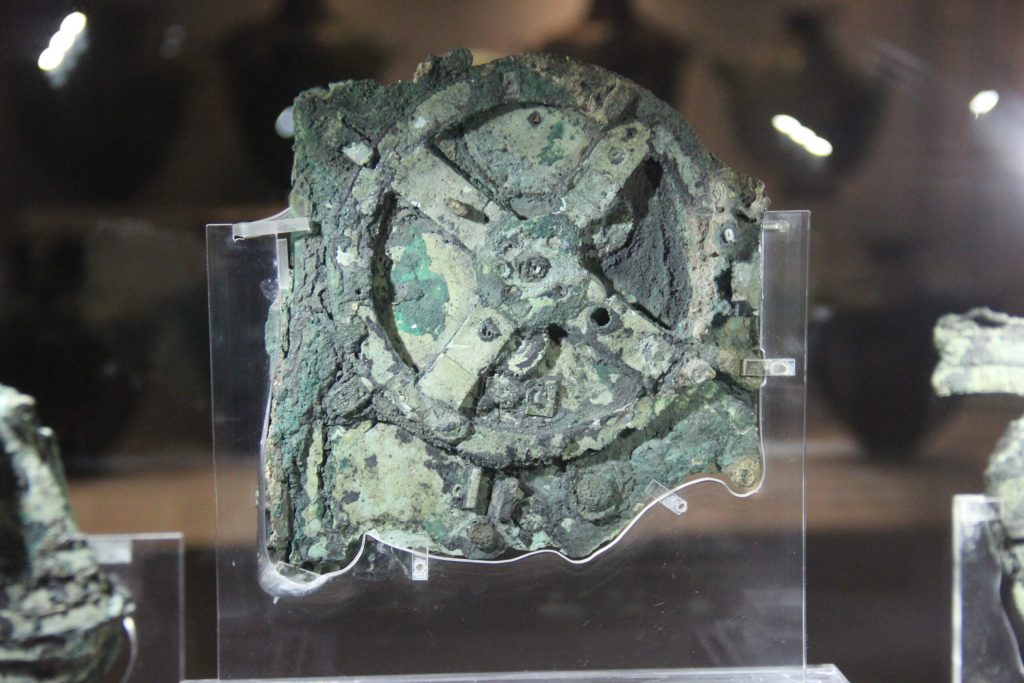
One of the exciting things about archaeology is that, just occasionally, something truly extraordinary comes along which radically changes the way we think about the past. One such moment came in 1900, when sponge divers working around the Greek island of Antikythera happened upon a shipwreck containing the single most important object of high technology ever recovered from the ancient world.

Millions of us grew up on stories of bravery among prisoners of war in the Second World War. What is less well known is that brutal treatment of British POWs was a feature of the 1914-18 conflict too. In all, 171,720 Tommies and their officers were captured during the First World War on the Western Front – from where they were allocated to one of 170 camps, dotted throughout Germany.
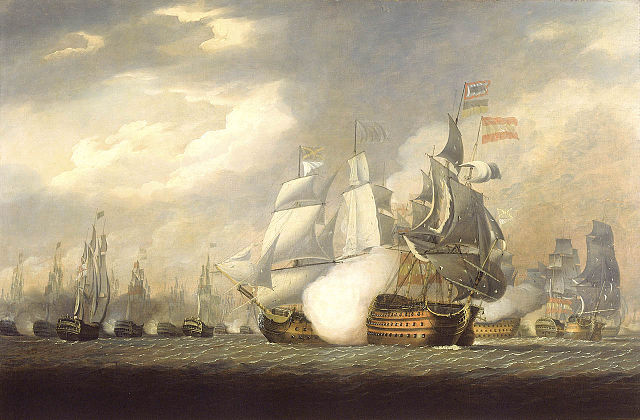
Who is Britain’s greatest military hero? In a poll of the general public, Arthur Wellesley, 1st Duke of Wellington, came in third place on 11%. In second, on 19%, was Field Marshal Bernard Montgomery. But the clear leader – with 27% of the vote – was Horatio Nelson, the inspirational admiral whose victory at Trafalgar is often regarded as Britain’s greatest naval triumph.

The word ‘experimental’ can be confusing, or even alarming. It suggests an area of activity in which people are pushing at boundaries, or acting somehow without official approval. Attached to the word ‘archaeology’, however, it simply denotes a field of academic study that uses controlled experiments to provide a better understanding of the past.

The most expensive secular building of its day, Dover Castle was described by the 13th-century chronicler Matthew Paris as ‘the key of England’. But though its imposing fortifications tower over the shortest sea crossing between Britain and the European mainland, it wasn’t built in response to any threat of imminent foreign invasion. Instead, its construction in the years after the murder of Thomas Beckett in 1170 owed more to the growing numbers of foreign dignitaries who began to make the pilgrimage across the Channel to Canterbury to pay their respects to the slain archbishop.
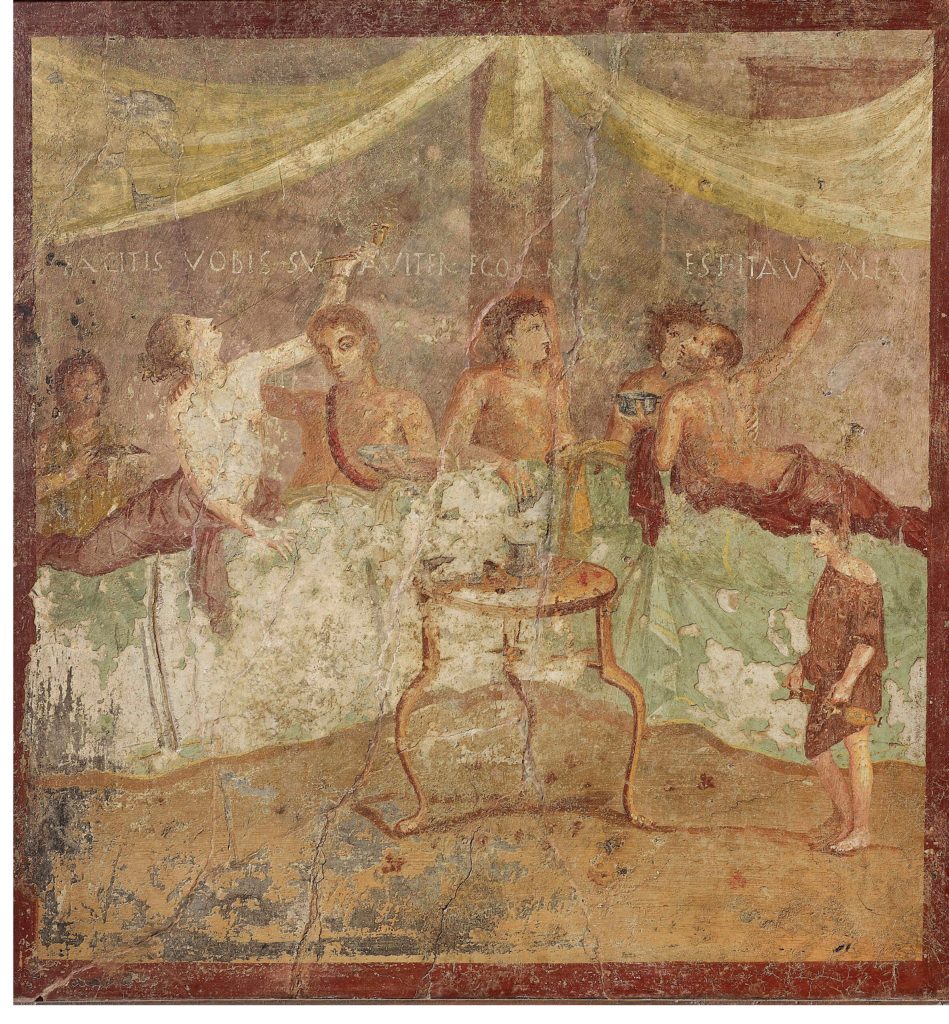
Britain pulled out the red carpet last weekend, as world leaders arrived in Cornwall for this year’s G7 summit. It wasn’t the first time in history that power and pleasure have been so mixed, however. Indeed, last week’s gathering would have seemed strangely familar to the 6,000 Englishmen and women who 501 years earlier accompanied their king, Henry VIII, as he crossed the Channel to join his French counterpart, Francis I, at the lavish three-week summit-cum-carnival known as the Field for the Cloth of Gold.