Academic mass production

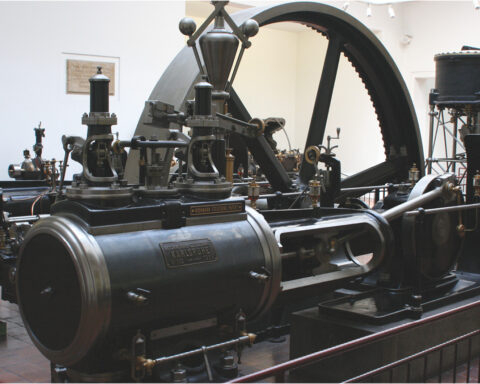
Every paper has to say something new. In the mass production of vehicle components, difference is defect. In the mass production of academic papers, difference is a requirement.
January 18, 2022
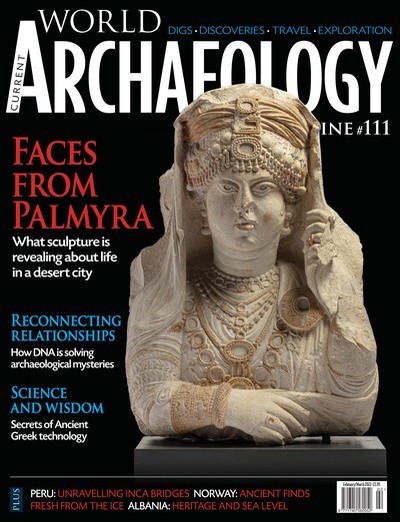
This article is from World Archaeology issue 111


Subscribe now for full access and no adverts

Higher education has expanded exponentially across the world since the 1950s. In Britain, for example, fewer than 20,000 students were accepted onto undergraduate degree courses each year in 1950 compared with more than 350,000 today. Globally, the increase is even more dramatic.

Graduates are not the only thing being mass produced by modern higher education. Universities are centres of both teaching and research. They are also competing with each other – for students, for staff, for grants – and they are judged in large part by research output.

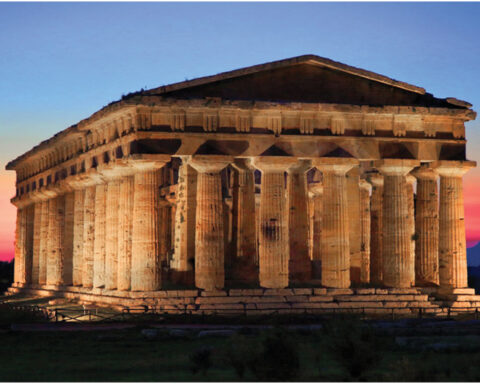
The pressure placed on academics to publish new books and papers has led to a dramatic increase in the number of works produced (LEFT), but has it also had a negative impact on their ability to address wider narratives? For example, perhaps Roman studies would benefit from more discussions of broader topics such as the nature of Roman urbanism (ABOVE).
The pressure placed on academics to publish new books and papers has led to a dramatic increase in the number of works produced, but has it also had a negative impact on their ability to address wider narratives? Image: Rich Grundy.

The measure of research is publication. Academic staff and postgraduate students are expected to publish. So, along with everything else, there has likewise been an exponential increase in the publication of journals and papers.

I can’t find any statistics on this, but my guess is that the increase in journals and papers over the last 70 years will reflect the expansion of higher education in general. To give an idea, a quick Google search produced a list of well over a hundred print journals for archaeology alone.

This must be a good thing, mustn’t it? We have a huge increase in scholarship, right?

But here’s the weird thing. While some excellent modern research is being done, increasingly, in my own work, I find myself ignoring most of the recent output and going back to work published 25, 50, and even 75 years ago. And what is absolutely clear to me is that, while there has been a massive increase in the volume of published papers, there has also been a dramatic collapse in average quality.

I’ve been musing about this for a while, and I now think there are three fatal flaws in the modern academic mill.

Number one. Everyone at the universities is under massive pressure to publish books and papers – as many as possible, since quantity has been imposed as the main way to measure research output. It is no good writing a seminal paper once every five years: that is still only one paper. Instead, you have to write two routine papers a year, probably by rejigging the same material a bit to suit different journals.

Already a subscriber? Sign in here


Read this article now for free!

Enter your email below to read the full article, and to receive our weekly newsletter with a round-up of The Past's top stories.

-- or --

Or, subscribe for unlimited access

By Country

Popular
UK • Italy • Greece • Egypt • Turkey • France

Africa
Botswana • Egypt • Ethiopia • Ghana • Kenya • Libya • Madagascar • Mali • Morocco • Namibia • Somalia • South Africa • Sudan • Tanzania • Tunisia • Zimbabwe

Asia
Iran • Iraq • Israel • Japan • Java • Jordan • Kazakhstan • Kodiak Island • Korea • Kyrgyzstan •
Laos • Lebanon • Malaysia • Mongolia • Oman • Pakistan • Qatar • Russia • Papua New Guinea • Saudi Arabia • Singapore • South Korea • Sumatra • Syria • Thailand • Turkmenistan • UAE • Uzbekistan • Vanuatu • Vietnam • Yemen

Australasia
Australia • Fiji • Micronesia • Polynesia • Tasmania

Europe
Albania • Andorra • Austria • Bulgaria • Croatia • Cyprus • Czech Republic • Denmark • England • Estonia • Finland • France • Germany • Gibraltar • Greece • Holland • Hungary • Iceland • Ireland • Italy • Malta • Norway • Poland • Portugal • Romania • Scotland • Serbia • Slovakia • Slovenia • Spain • Sweden • Switzerland • Turkey • Sicily • UK

South America
Argentina • Belize • Brazil • Chile • Colombia • Easter Island • Mexico • Peru

North America
Canada • Caribbean • Carriacou • Dominican Republic • Greenland • Guatemala • Honduras • USA

Discover more from The Past

Subscribe now to keep reading and get access to the full archive.

Continue reading