

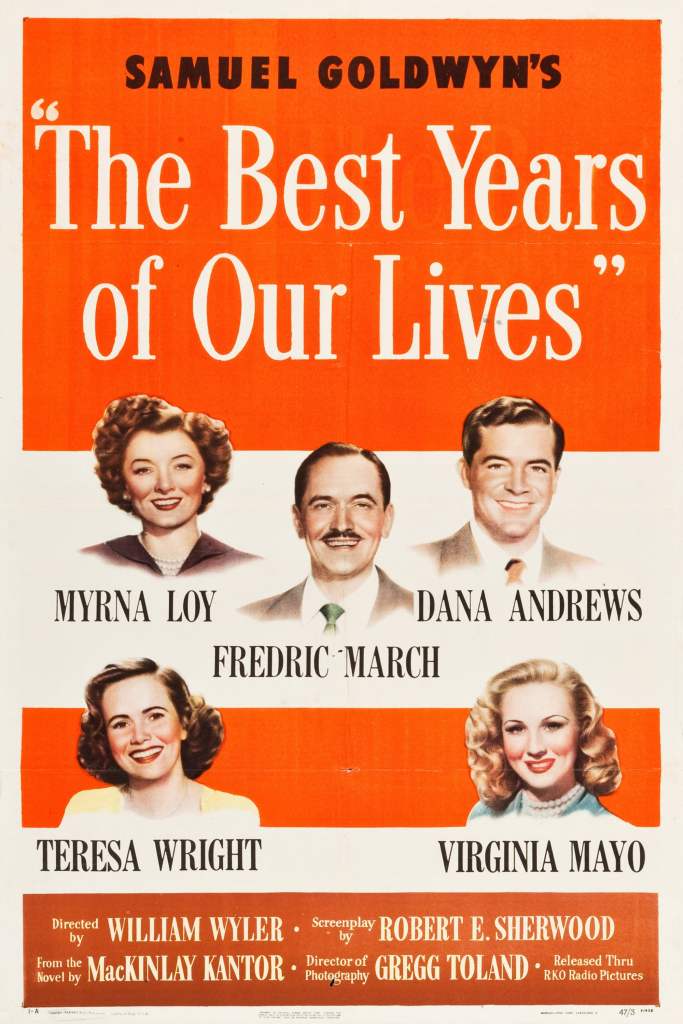
It is often assumed that the issue of disaffected veterans first came to a head in the years following the Vietnam War, when ex-soldiers found it difficult to assimilate into a society that often rejected their role in such an unpopular conflict. In reality, the problem of old soldiers not easily fitting back into the society from which they came runs throughout history. The ancient Greeks were aware of the issue. After the Napoleonic Wars, Europe was full of ex-soldiers who could not find work or resettle, and were often depicted as troublemakers in their peacetime communities.
The problem became particularly acute after the First World War, when vastly improved medical facilities meant that many more men survived what previously would have been fatal wounds. The sight of limbless ex-soldiers on street corners, often holding a begging bowl, became a regular feature of towns and villages across Britain during the Depression of the early 1930s. And for those without physical scars but who had been mentally traumatised by the war, suffering from what at the time was called ‘shell shock’, life could be immensely challenging. Wives and families found it especially hard to cope with a husband or father, usually tranquil and peaceful, who could suddenly turn violent and abusive for no apparent reason.
Even the slightest sound or sight could bring back terrible memories. For one poor man, the phut-phut-phut of a passing motorbike reminded him of the sound of a German machine gun, and he would throw himself screaming under whatever cover he could find in the street to the obvious alarm of passers-by. Others suffered from nightmares that would awaken them, crying out in the night to the terror of their wives.


